Two world-famous universities share one compact city, sitting just a short subway ride apart on the exact same transit line—a proximity that commands immediate national attention. One of these institutions dates back to 1636, proudly holding the title of the oldest college in the United States, while the other functions as an international powerhouse in science, engineering, and groundbreaking technological research that directly shapes everyday modern life.
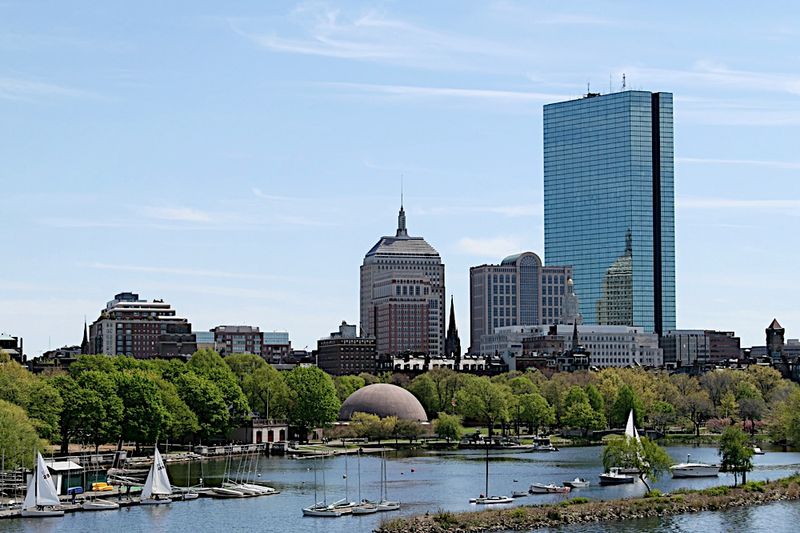
Following a major national assessment, this Massachusetts city has officially secured a spot among the top five places to live in America. Earning glowing A+ grades across key lifestyle categories such as family living, vibrant nightlife, and abundant outdoor recreation, the locale presents a distinctive blend of intellectual vitality and everyday leisure. Situated directly across the river from the historic Boston skyline, the city continues to draw significant interest from prospective residents weighing a change of zip code.
Why This Brainy River City Keeps Winning Over Everyone Who Looks Closer
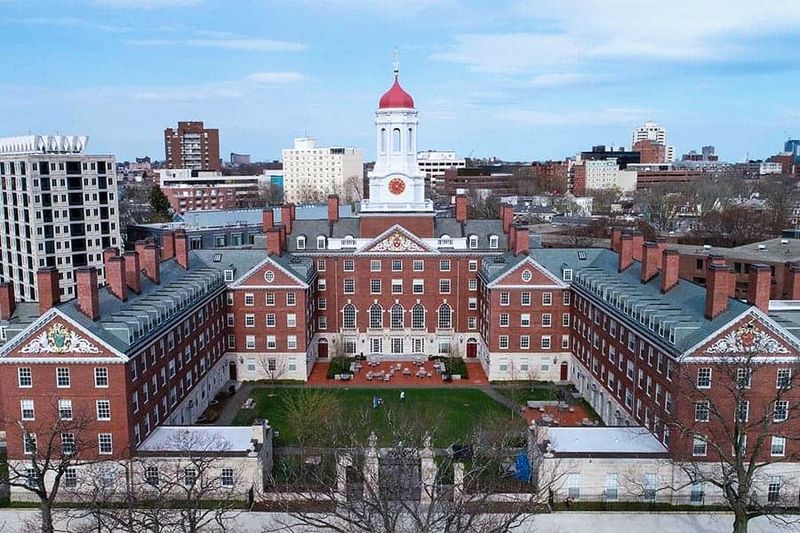
Harvard University and the Massachusetts Institute of Technology both call Cambridge, Massachusetts, home, granting the municipality undeniable academic prestige. While Harvard was established in the 17th century, MIT relocated to its current campus from neighboring Boston in 1916. Unlike secluded academic enclaves, these campuses are deeply integrated into the fabric of daily urban life. Historic Harvard Yard remains fully open for pedestrians to traverse, flanked by the grand neoclassical architecture of Widener Library.
Art enthusiasts find a wealth of cultural resources within the city limits. The Harvard Art Museums successfully unify the historic Fogg, Busch-Reisinger, and Arthur M. Sackler collections under a single roof, offering extensive public access to world-class exhibitions. Just outside the gates lies Harvard Square, a bustling commercial and cultural hub packed with independent bookstores, historic coffee shops, and public gathering spaces where routine afternoon errands frequently evolve into extended excursions.
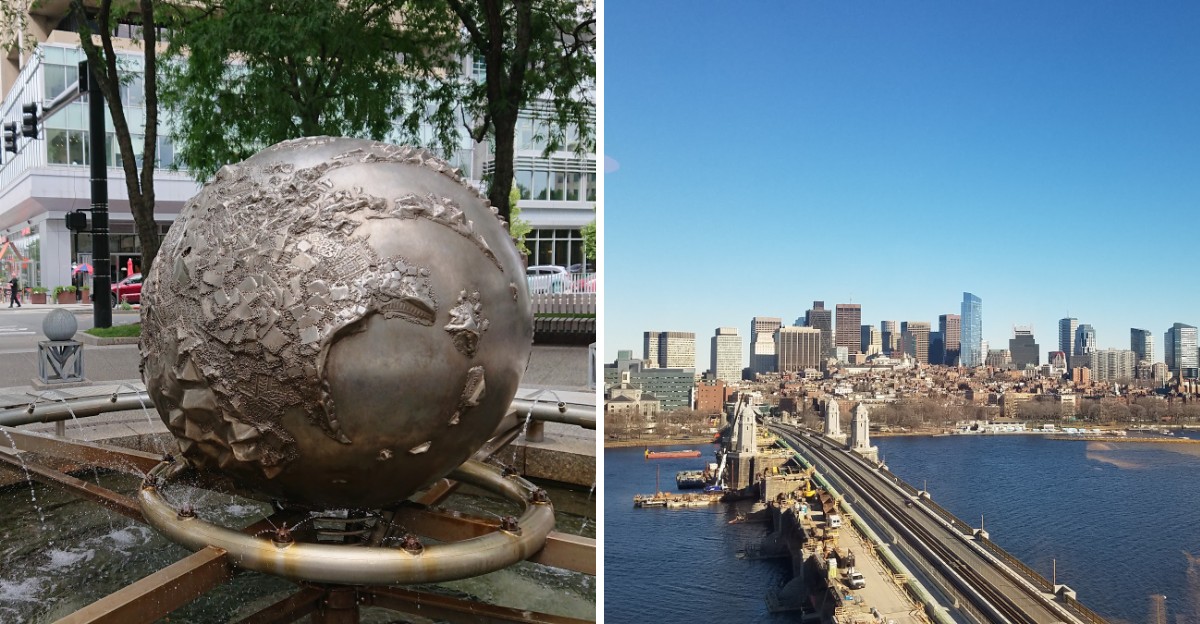
Public transit logistics remain refreshingly straightforward for local commuters and visitors alike. The Massachusetts Bay Transportation Authority (MBTA) Red Line serves as a vital transit spine, connecting Harvard Square, Central Square, and Kendall/MIT before crossing the Charles River directly into downtown Boston. Outdoor recreation is similarly accessible, with miles of paved multi-use paths lining the banks of the Charles River. These corridors accommodate pedestrians, cyclists, and spectators observing collegiate crew teams gliding across the water.
These integrated urban assets—combined with high marks for family infrastructure, evening culture, and recreational green spaces—form the foundation of the city’s top-tier standing in national livability indexes.
Raising A Family Here Comes With Some Unexpected Perks
Beyond its collegiate reputation, Cambridge offers concrete structural support for households with young children. Among the most notable municipal provisions is a publicly funded preschool program designed for four-year-olds, covering the standard school-day and academic-year schedule at no cost to families. Limited availability also extends to qualifying three-year-olds, though households requiring extended-day schedules or summer coverage may incur supplementary costs dependent on individual income levels and chosen program structures.
The city utilizes a centralized application system, simplifying what is often a complex administrative process for parents. Participating options encompass traditional Cambridge Public Schools, dedicated city-run facilities, and select community preschools. For older students, the municipal public school system provides comprehensive educational pathways, anchored by the prominent Cambridge Rindge and Latin School.
Recreational infrastructure plays an equally significant role in family life. The War Memorial Recreation Center provides indoor swimming facilities, a gymnasium, and multi-generational programming throughout the year. During the warmer summer months, residents frequent the municipal Gold Star Pool on Berkshire Street, where admission is entirely free for local taxpayers. These municipally supported family programs provide tangible benefits that extend well beyond traditional classroom metrics, easing the practical and financial realities of raising children in an urban environment.
This Public Library Offers Much More Than Books
Public libraries nationwide have evolved beyond traditional book-lending institutions, but the Cambridge Public Library system incorporates community resources on an exceptional scale. Within the walls of the Main Library on Broadway operates The Hive, a dedicated makerspace equipped with digital fabrication tools, multimedia recording studios, and specialized technology for public use. Visitors are not required to hold university enrollment to access these creative workshops and pursue independent technical or artistic projects.
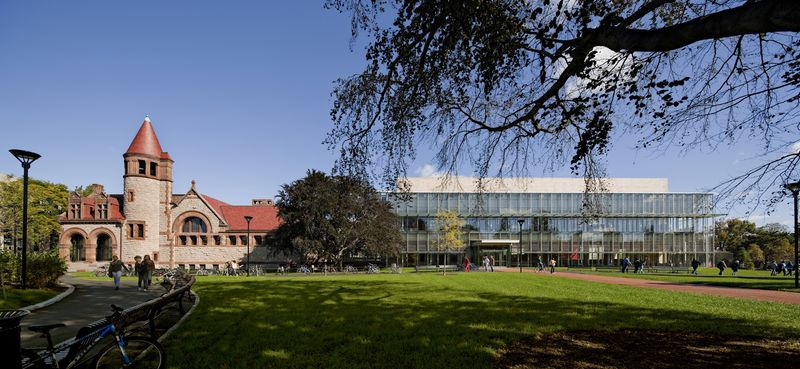
The facility itself bridges historical eras. The original stone structure opened to the public in 1889, while a contemporary glass wing was added in 2009 to accommodate modern technological demands. The broader municipal library system operates six distinct neighborhood branches alongside the central location, ensuring equitable access to print collections, community programming, and digital resources across the city.
Inside the main facility, dedicated wings serve children and teenagers, complemented by quiet study rooms, public computer terminals, meeting spaces, and multi-language collections. This extensive civic investment in lifelong learning provides residents with diverse intellectual outlets outside of formal academic institutions.
Every Neighborhood Seems To Have Its Own Personality
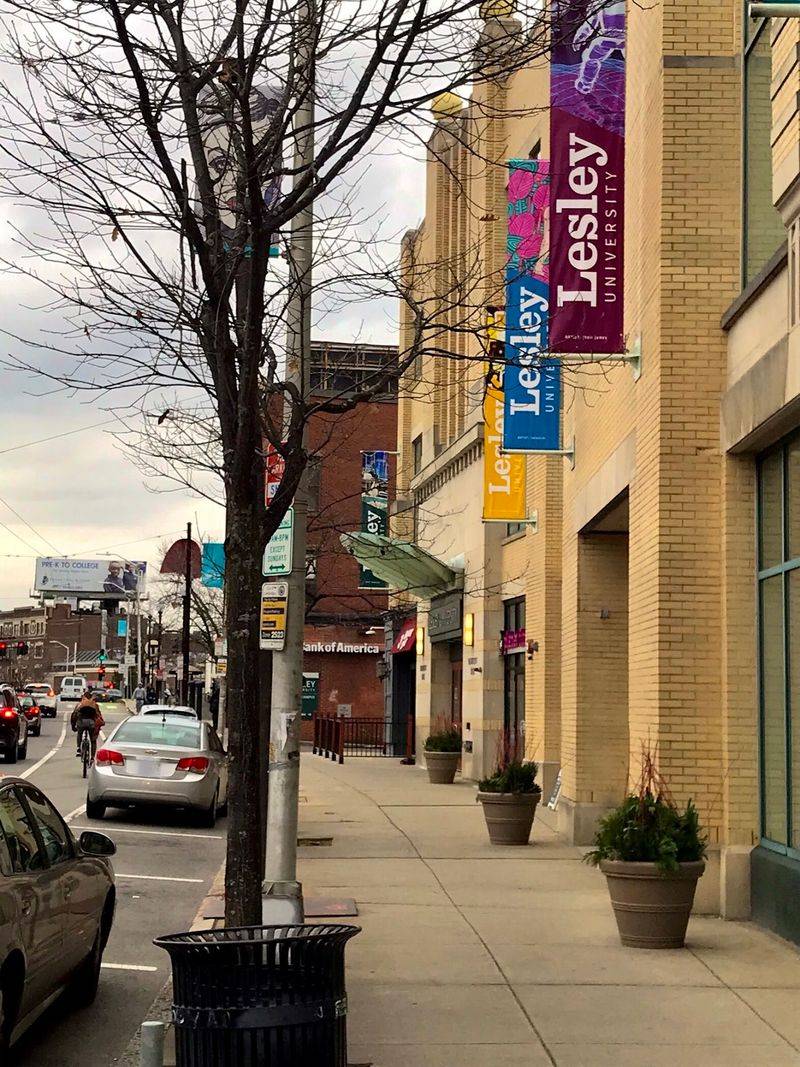
Exploring Cambridge on foot reveals a collection of distinct commercial and residential districts, each maintaining a character independent of the major university zones. Inman Square serves as a prominent example of a localized business district, featuring a high concentration of independently operated shops, personal services, and diverse dining establishments representing international culinary traditions, including Indian, Mexican, and Eastern Mediterranean cuisine.
Porter Square presents a different facet of municipal life, combining independent retail storefronts with essential transit connections and neighborhood services. Meanwhile, Central Square functions as the city’s primary arts and entertainment center, characterized by independent performance venues, creative enterprises, and culinary destinations. Residential enclaves such as Cambridgeport and Mid-Cambridge offer quieter, human-scaled streetscapes defined by traditional housing stock and localized commercial nodes. Prospective residents frequently evaluate these distinct neighborhood personalities when determining the ideal address to match their personal routines and lifestyle preferences.
The Local Arts Scene Refuses To Stay Inside Museums
The cultural vitality of Cambridge extends far beyond formal gallery walls and university collections. Events such as the annual Cambridge Arts Open Studios invite the public directly into working artist spaces, offering free admission to exhibitions featuring local painters, ceramicists, photographers, jewelers, and textile artists.
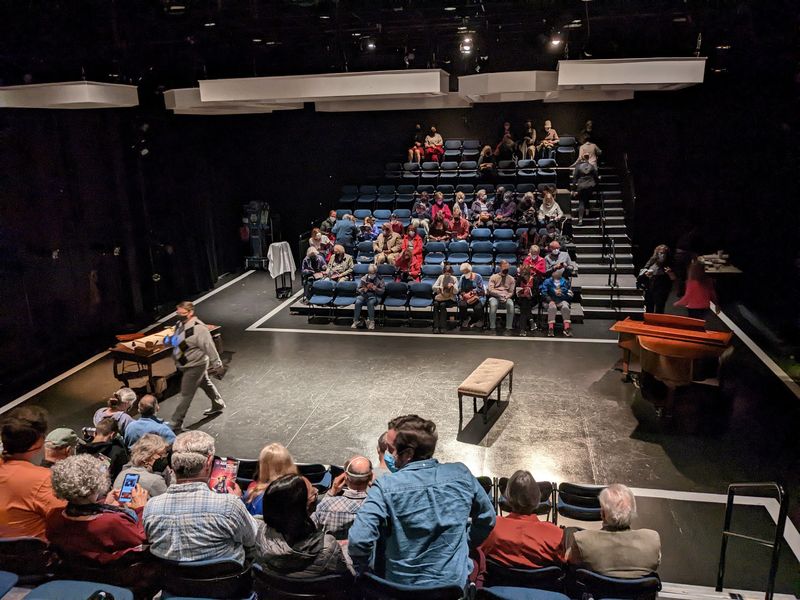
The active performing arts scene is anchored by institutions like the Central Square Theater on Massachusetts Avenue and the Dance Complex, both of which support continuous theatrical productions and movement arts. Furthermore, municipal initiatives managed by Cambridge Arts integrate public art installations, street performances, and community-driven creative programs into everyday urban spaces. This robust cultural infrastructure ensures that residents have consistent access to artistic engagement without needing to travel outside their immediate municipality.
Big Career Opportunities Are Part Of The Everyday Landscape
Economically, Cambridge has undergone a major transformation, particularly within the Kendall Square district. Once characterized by heavy industry, the neighborhood has evolved into a globally recognized epicenter for biotechnology research, life sciences firms, technology startups, and advanced research organizations.
This dense concentration of corporate and scientific enterprise creates unique professional advantages for individuals pursuing careers in STEM fields. Infrastructure such as LabCentral, located at 700 Main Street, provides early-stage biotechnology ventures with shared laboratory facilities and specialized equipment, allowing startup companies to conduct research without the immediate capital expenditure of building independent laboratory space.
To support the workforce commuting into these high-density employment zones, the city actively invests in alternative transit infrastructure. Cambridge participates in the regional Bluebikes bicycle-sharing network and continues to expand protected bike lanes across municipal thoroughfares, complemented by municipal agreements supporting electric bicycle infrastructure and charging stations.
Even This Highly Ranked City Has One Big Catch
Despite its numerous accolades, prospective residents face a significant economic hurdle regarding housing affordability. According to data reported by Niche, Cambridge’s housing costs far exceed national averages, with the city’s median home value surpassing $1 million and local rental rates similarly elevated above standard benchmarks.
To mitigate these pressures for moderate- and lower-income households, the city enforces an Inclusionary Housing Program, which mandates that qualifying residential developments reserve a specific percentage of their floor area for income-restricted units. While this policy provides vital opportunities for eligible renters and buyers, it does not fully neutralize the broader affordability challenges present in the local real estate market.
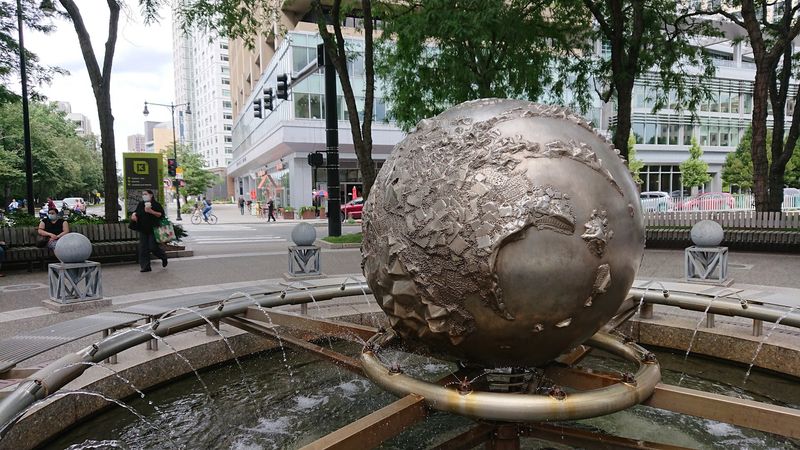
Nonetheless, these economic realities exist alongside top-tier national rankings. In Niche’s 2026 assessment, Cambridge secured second place among 229 American cities for overall livability, alongside first place for young professionals and fourth place for raising a family. For those evaluating a potential relocation, the fundamental decision rests on whether the city’s extensive educational, professional, and cultural advantages align with their personal lifestyle priorities and housing budget.