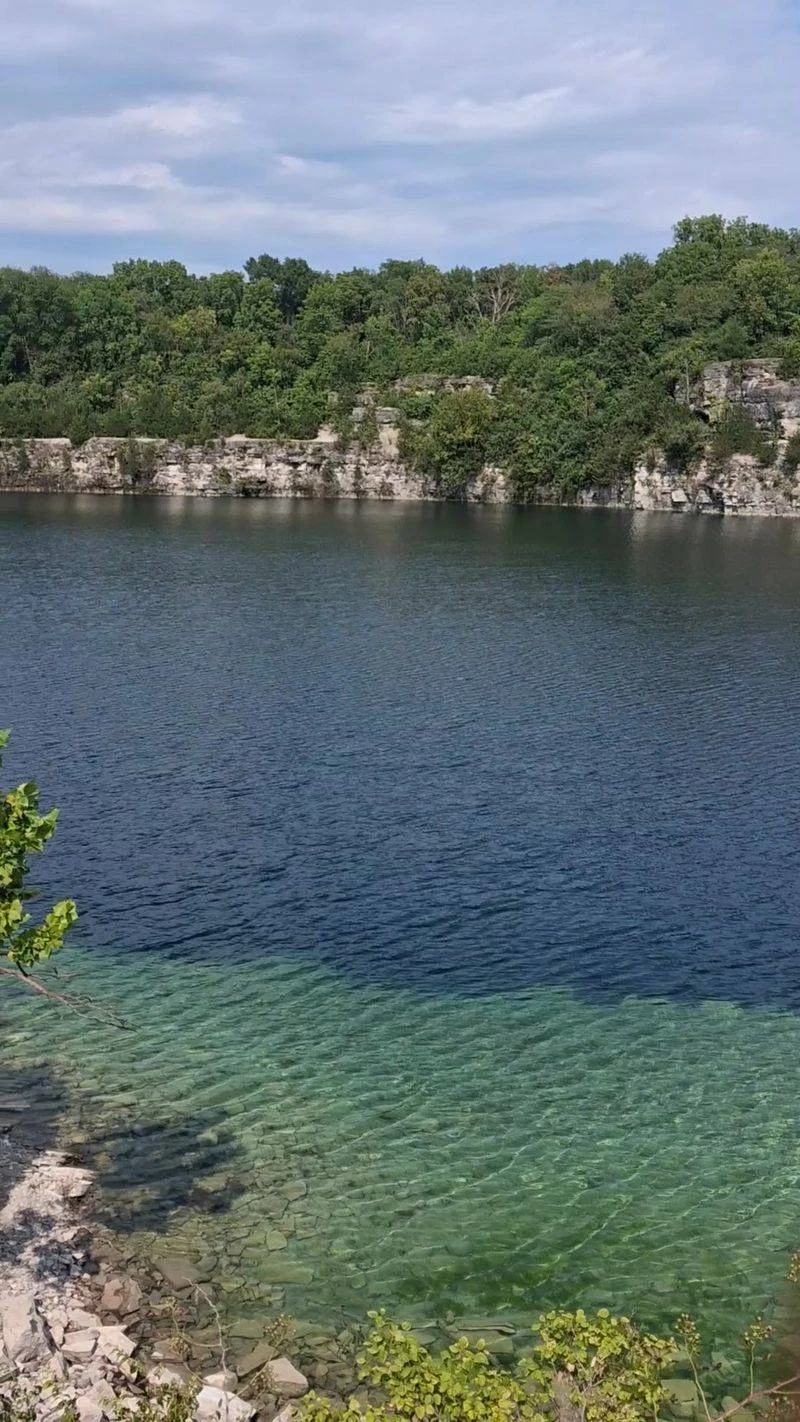
Deep in northern Indiana, resting on the floor of a remarkably clear, bright blue lake, lies a 1940s school bus. It shares the submerged landscape with an old pickup truck, a sunken plane, and native fish that routinely grow to lengths of six feet or more. These aquatic residents are paddlefish, an ancient, prehistoric-looking species easily recognized by their long, flat, paddle-shaped snouts. On sunny days, visitors can occasionally spot these giant swimmers gliding through the depths from the vantage point of limestone cliffs towering nearly 100 feet above the water.
The brilliant body of water that conceals these historical artifacts and unusual creatures arrived by sheer accident in 1943. While workers were actively mining the area, they inadvertently struck an underground spring, causing the stone pit to fill almost overnight. What was once a bustling industrial work site was instantly transformed into a striking aquatic landscape. Today, the site sits entirely within France Park, a Cass County public recreation area featuring hiking trails, campsites, and a scenic waterfall located just a short distance away.
The Color Of This Water Looks Borrowed From Somewhere Much Warmer
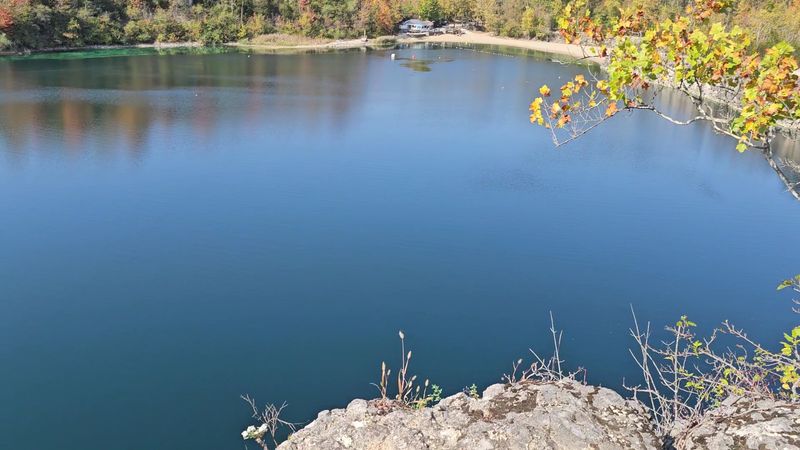
Water of such striking, tropical brilliance is typically associated with coastal destinations and passport-required travel. Yet, the Old Kenneth Stone Quarry manages to achieve this vibrant aesthetic in northern Indiana without requiring a plane ticket. Because the water is entirely spring-fed, it maintains an exceptional level of clarity. Depending on the angle of the sunlight, the basin shifts in appearance, glowing in shades of bright blue, emerald, or turquoise.
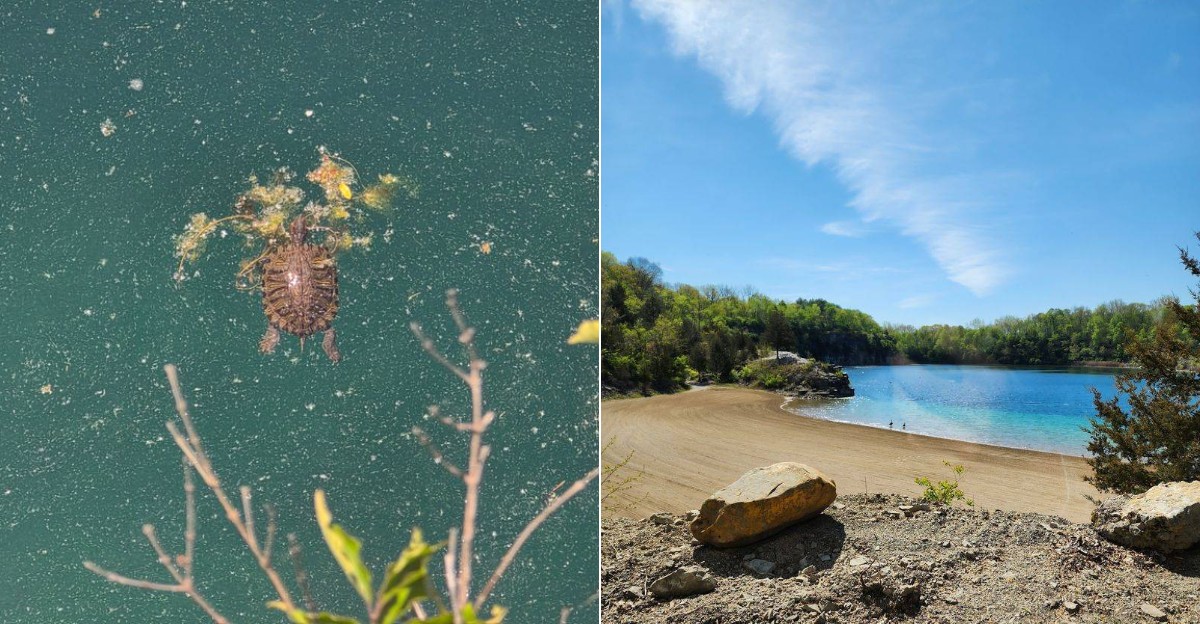
This spring water traces its origins back to the Teays River, an ancient river system buried deep beneath the regional bedrock. This subterranean connection gives the quarry a geological backstory that stretches far beneath the feet of those walking along the rim. The remarkable clarity of the water allows for exceptional visibility, with scuba divers frequently experiencing 10 to 20 feet of clear sight, which can extend up to approximately 30 feet on optimal days.
The maximum depth of the quarry reaches roughly 30 to 31 feet, characterized by shallow areas that suddenly drop off into deeper basins. This sharp bathymetric change contributes heavily to the dramatic visual shifts in the water, where pale shallows transition into deep blue within just a few steps. Photographers visiting the site often find that bright, direct sunlight makes the entire basin appear to glow from within, while polarized lenses help cut surface glare to reveal the submerged topography beneath.
Workers Hit A Spring And The Whole Quarry Flooded Overnight
Long before the site became a destination for recreation and photography, its value lay entirely in its stone. Limestone quarrying operations at the location commenced around 1835. The extracted stone earned a reputation for superior quality, finding widespread use in regional buildings and bridges while being transported across the historic Wabash and Erie Canal.
Between 1893 and 1927, the Casparis Stone Company managed the extensive extraction operations, employing between 250 and 300 workers to mine massive quantities of limestone. The high-grade stone was shipped across the country, serving industrial buyers such as steel mills in Gary and South Chicago. George France subsequently acquired the property in 1927, sustaining operations for roughly another decade before mining stopped in 1937, followed by brief, intermittent reopening periods in 1941 and 1942.
The defining moment in the site’s history occurred in 1943. While ongoing excavation work was underway, workers struck a natural spring, and the entire quarry filled with water practically overnight. The sudden flooding brought an immediate halt to industrial activity, leading to the permanent closure of the quarry that same year. What began as a commercial rock pit became, through an industrial accident, a permanent geological feature of the Indiana landscape.
A Whole Little Town Once Grew Up Around This Rock Pit
Before the quarry was flooded, a thriving company town named Kenneth stood adjacent to the operations in the late 19th century. The small community consisted of roughly 30 stone homes built for workers alongside a local general store. The residents were largely immigrant families, including individuals of Italian and Macedonian descent, who shared communal stone baking ovens for their daily needs.
One of these historic brick ovens has been carefully restored and remains standing within the park today, serving as a tangible reminder of the people who built their lives around the industrial site. Following the closure of the quarry and its subsequent transformation into a water-filled basin, the surrounding land gradually transitioned into public recreational use. Cass County began leasing the property by the late 1940s, and France Park was officially dedicated to the public in 1969, preserving the historical ties to the vanished community of Kenneth through the name of the quarry itself.
Some Of The Locals Here Are Over Six Feet Long And Have Paddles For Noses
The aquatic ecosystem of the quarry is dominated by paddlefish, also commonly referred to as spoonbill sturgeon. Possessing a distinctive, elongated snout that resembles a wooden canoe paddle, these creatures lend a genuinely prehistoric atmosphere to the water. The most striking characteristic of the quarry’s paddlefish population is their immense size, with specimens frequently growing to lengths of six or seven feet and weighing in excess of 200 pounds.
For scuba divers exploring the depths, encountering a fish nearly the size of a couch makes other submerged landmarks, such as the 1940s school bus, feel secondary. Non-diving visitors can also catch glimpses of the wildlife from the towering cliff tops on bright days. Because the water is exceptionally clear, sunlight penetrates deep enough to illuminate large shapes moving beneath the surface, rewarding patient observers scanning the water with binoculars.
Down There, A 1940s School Bus Is Waiting For Its Passengers
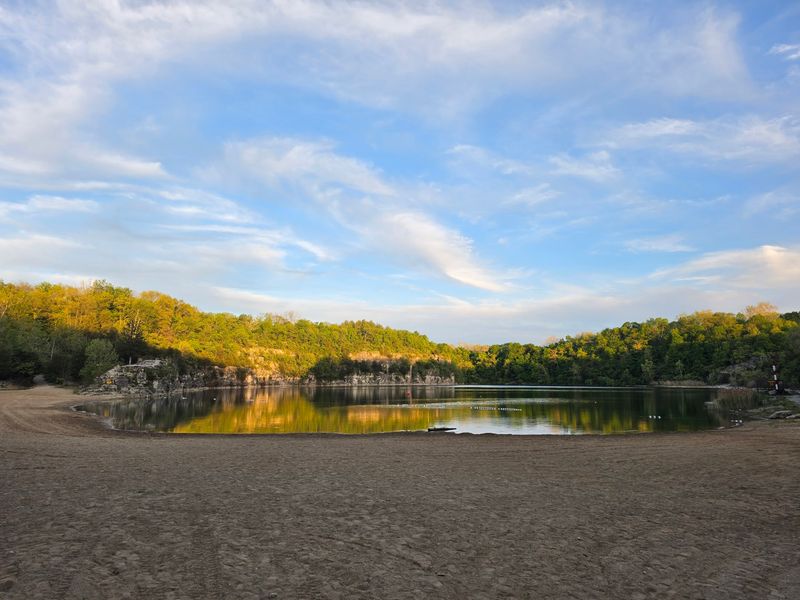
For the scuba diving community, the Old Kenneth Stone Quarry functions as a submerged historical exhibit and remains one of the premier diving locations in Indiana. Below the surface, divers routinely discover a collection of artifacts, including a 1940s school bus, an old pickup truck, a sunken plane, a drainage culvert, and a communication station.
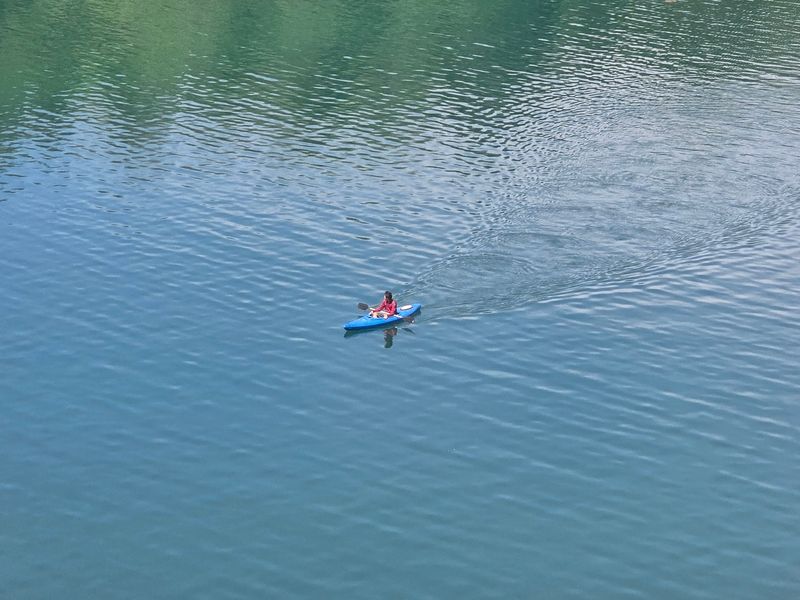
Remnants of the nineteenth- and twentieth-century mining operations are also scattered across the lakebed, featuring historic equipment and train wheels left behind from the active industrial years. Because the maximum depth remains relatively moderate at around 30 to 31 feet, the site offers an accessible environment for exploration, provided divers adhere to standard safety protocols and navigate the sudden underwater drop-offs carefully. Kayakers share the water surface exclusively when scuba operations are not active, ensuring a clear separation of recreational activities.
Lace Up, Because Those Cliffs Look Even Better From The Top
Encircling the quarry are massive limestone walls that rise between 91 and 100 feet, creating a dramatic, canyon-like setting that stands in sharp contrast to the surrounding flat terrain of northern Indiana. France Park features a 1.4-mile loop trail running directly along the rim above the quarry, offering sweeping panoramic views of the blue water below.
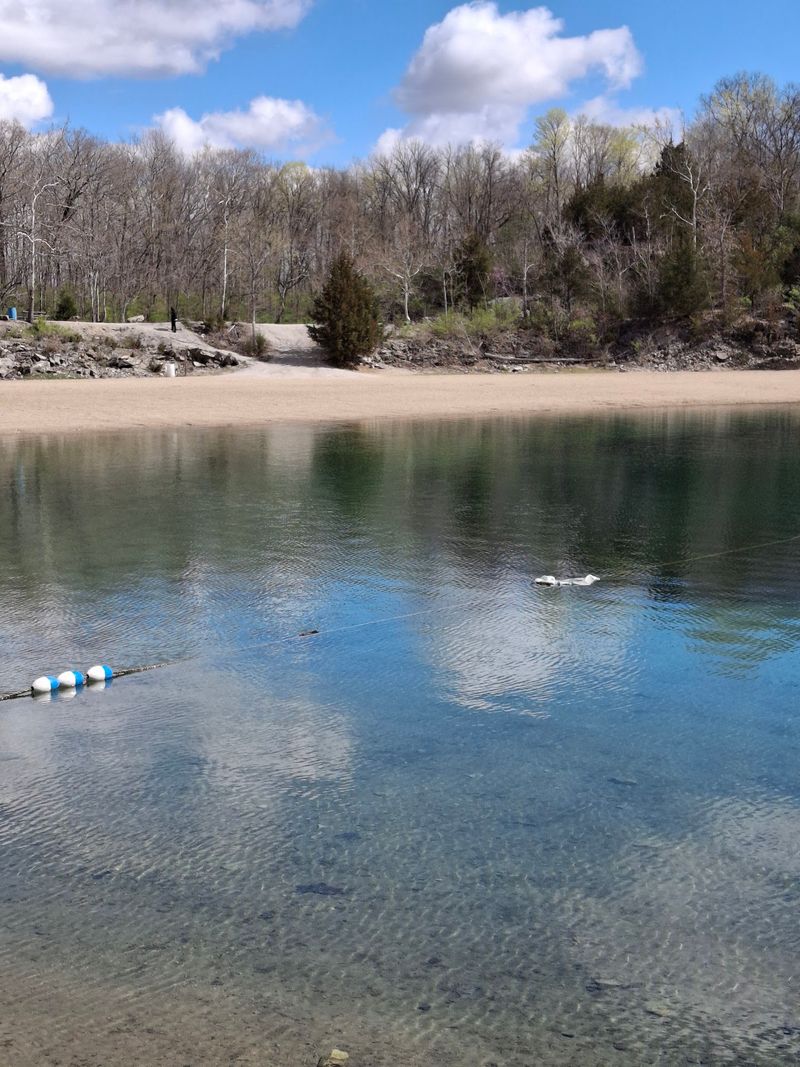
Beyond the immediate quarry loop, the park encompasses a wider trail network spanning roughly 5 to 10 miles of multi-use hiking paths and approximately 15 miles dedicated to mountain biking. These paths wind through dense woods and along the edges of the limestone cliffs, providing varied terrain for outdoor enthusiasts. Park officials strongly advise visitors to wear appropriate footwear and remain strictly on designated trails to navigate the steep elevation changes safely.
Check The Swim Rules Before You Pack That Beach Towel
Recreational access to the water undergoes periodic administrative updates. Visitors planning a trip to the park should verify current local regulations regarding public swimming access before arrival, as operating policies for the waterfront can shift from season to season.
While swimming policies are subject to change, other aquatic activities remain available under specific guidelines. Kayaking is permitted on the quarry lake during non-diving hours, and seasonal fishing opportunities allow anglers to target species such as bass, crappie, and bluegill. Additionally, year-round fishing is available at nearby Lake Elzbeck, providing a consistent alternative for visitors. The park itself is located at 4505 West US 24, approximately four miles west of Logansport, Indiana.
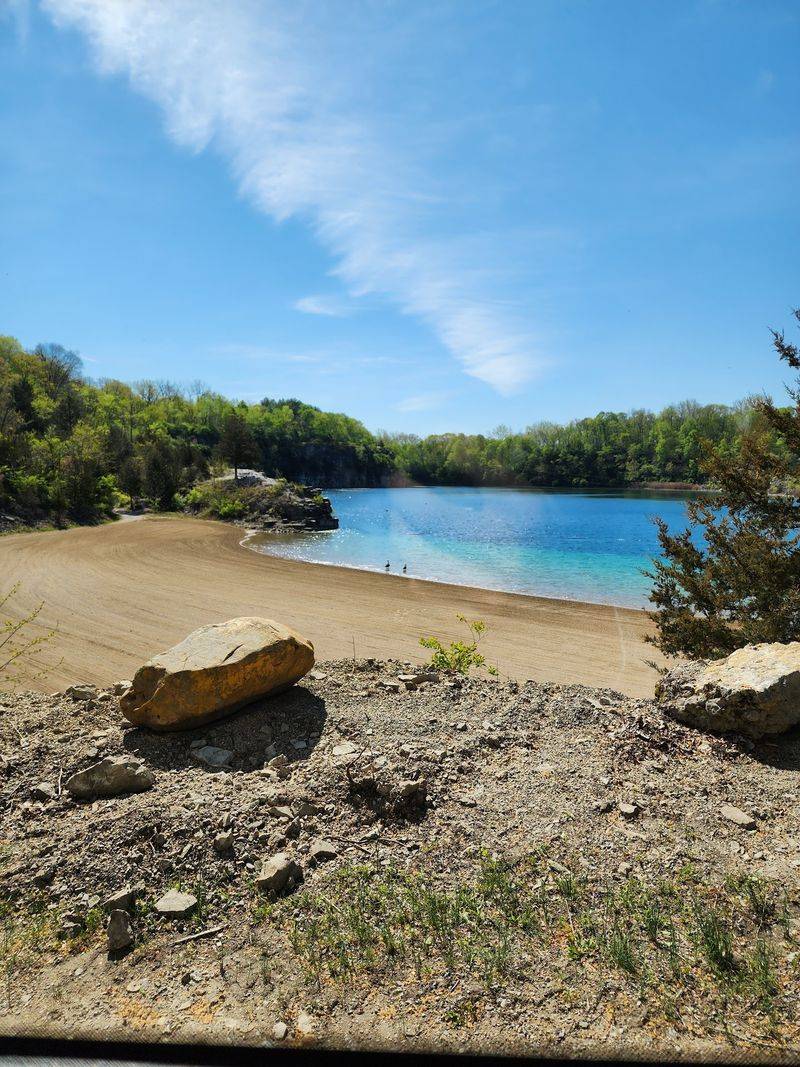
Over 200 Campsites Mean You Don’t Have To Leave When The Sun Goes Down
Visitors wishing to extend their stay beyond a single afternoon can utilize France Park’s extensive overnight accommodations, which feature more than 200 campsites. The campground offers a range of options, from primitive tent sites to modern locations equipped with electrical and water hookups for RVs and trailers.
An on-site camp store, the Old Kenneth Depot Store, provides basic groceries and supplies directly to visitors. Staying overnight grants campers early morning access to the trails before daytime crowds arrive, allowing for quiet observation of the quarry and surrounding woodlands at sunrise.
Save Time For The Waterfall, Mini Golf, And A Little Friendly Competition
In addition to the quarry and its surrounding trail system, France Park features several other recreational amenities for visitors. A 15-foot waterfall spills into nearby Lake Elzbeck, creating a scenic backdrop for photography and walking paths.
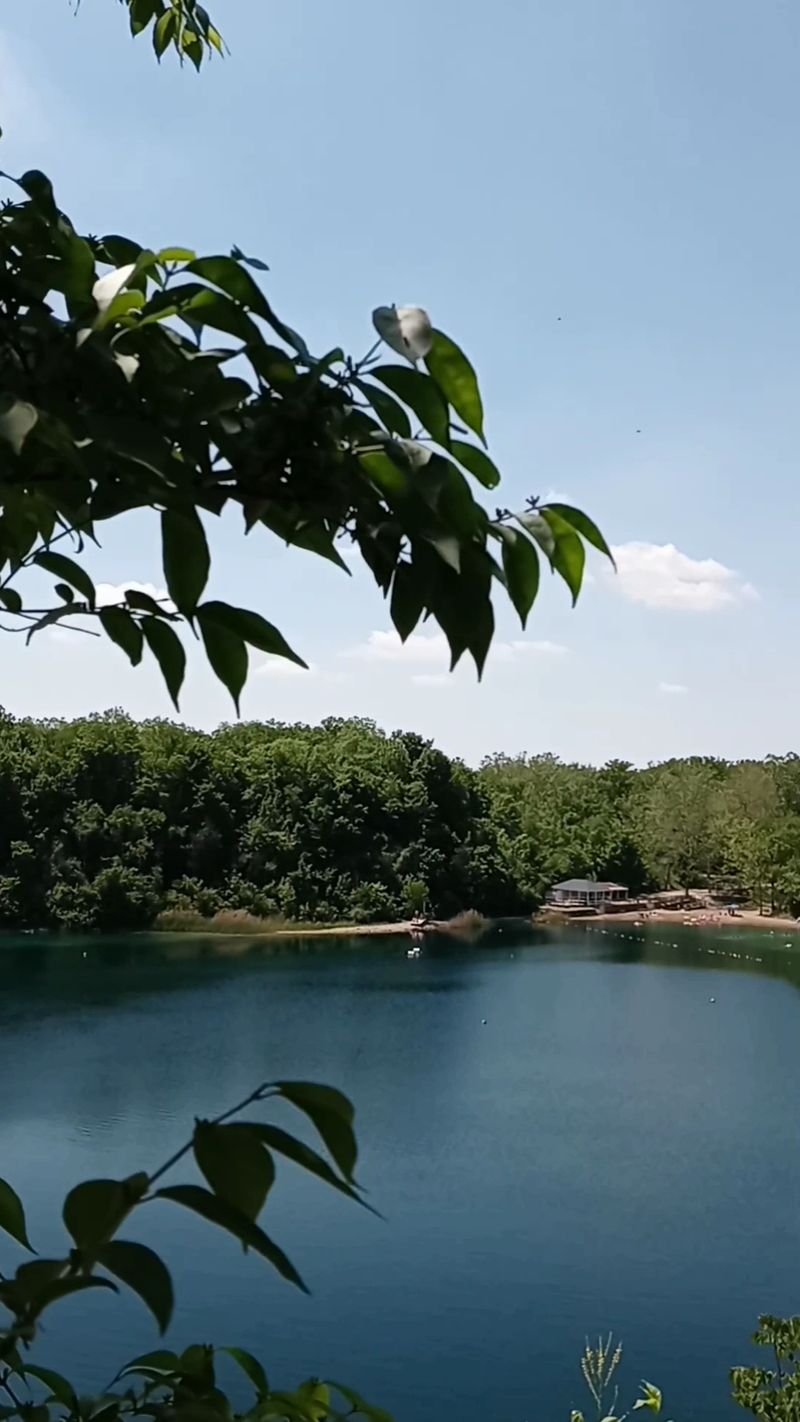
The park grounds also house miniature golf facilities, a disc golf course, and playgrounds designed for younger visitors. These amenities, combined with the historical significance of the old industrial site and the striking natural features of the flooded stone quarry, establish the park as a multifaceted recreational destination in Cass County.