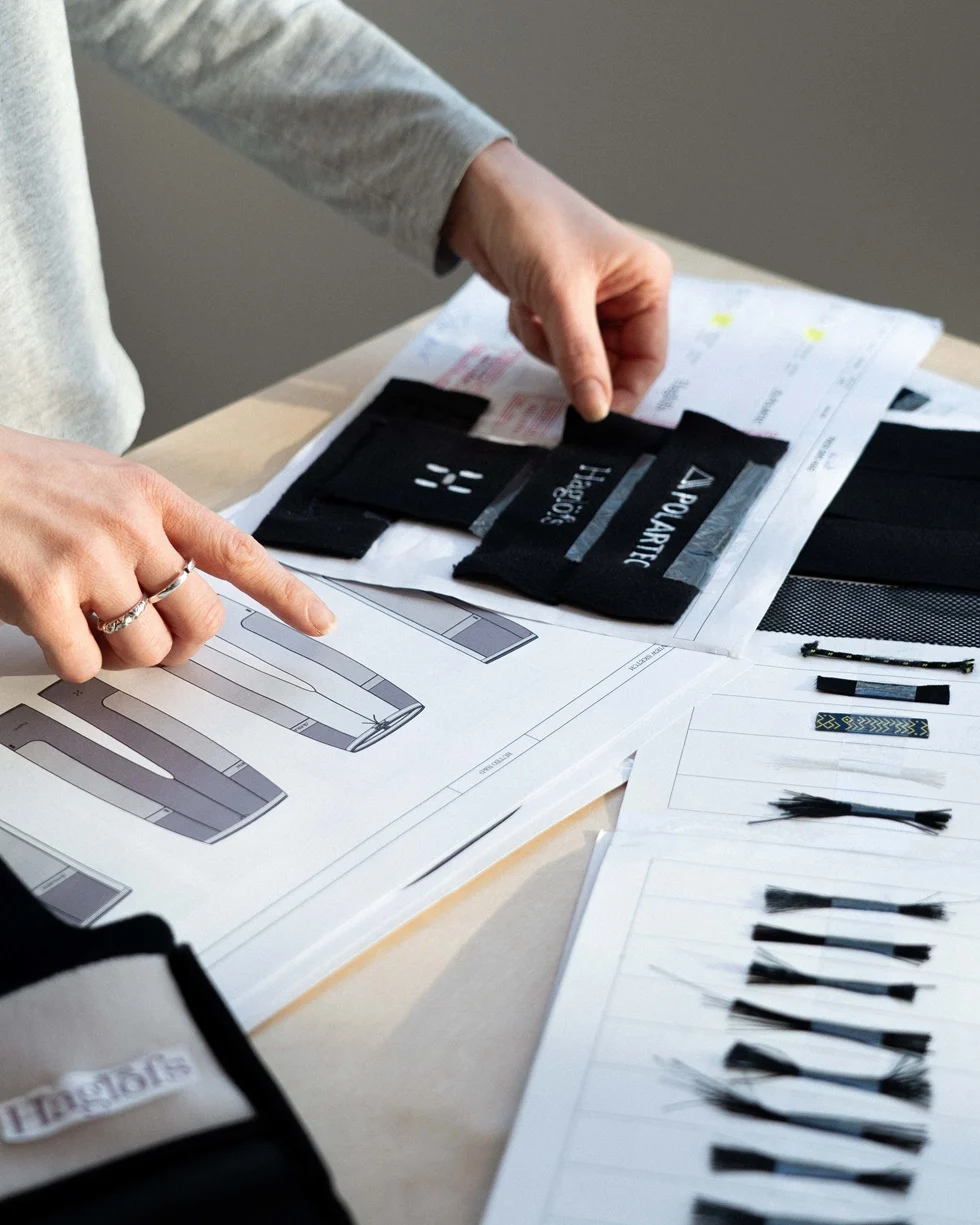
In the intricate world of gear design, where millimeter-precise engineering meets functional art, a tiny structural detail often separates a mediocre bag from an exceptional one. For both seasoned industrial designers and curious enthusiasts looking under the hood of their favorite everyday carry, understanding how a two-dimensional sheet of fabric transforms into a sophisticated, three-dimensional vessel is a masterclass in material manipulation. Among the various techniques borrowed from allied industries, none is more fundamental—or more deceptively simple—than a tailoring method known as the dart.
Originating centuries ago in the realm of garment construction and apparel design, the dart has quietly become an indispensable tool in modern bag making. While consumers rarely notice them explicitly when browsing backpacks, slings, and duffels on retail shelves, these pinched and stitched folds are the architectural backbone that gives modern carry gear its ergonomic form, structural volume, and clean aesthetic lines.
To understand the mechanics of a dart, one must look at the inherent limitations of technical textiles. Fabrics—whether they are rugged 1000D Cordura, lightweight X-Pac, or classic waxed canvas—begin life as flat, two-dimensional planes. However, human anatomy, electronic devices, packing cubes, and everyday gear are inherently three-dimensional objects. Bridging the gap between a flat sheet of cloth and a contoured, functional container requires clever geometry.
This is precisely where the dart comes into play. In its purest definition, a dart is a triangular wedge of fabric that is pinched together and permanently secured with a specialized seam. The geometry of the stitch is critical: it tapers smoothly from a wide opening at the edge of the fabric down to a vanishing point, often referred to as zero. When this triangular fold is sewn shut, it forces the surrounding flat material to curve, buckle, or pivot in a controlled direction. By eliminating excess slack in specific areas, the dart efficiently converts a flat piece of material into a structured three-dimensional form without requiring extra seams, complex paneling, or heavy hardware.
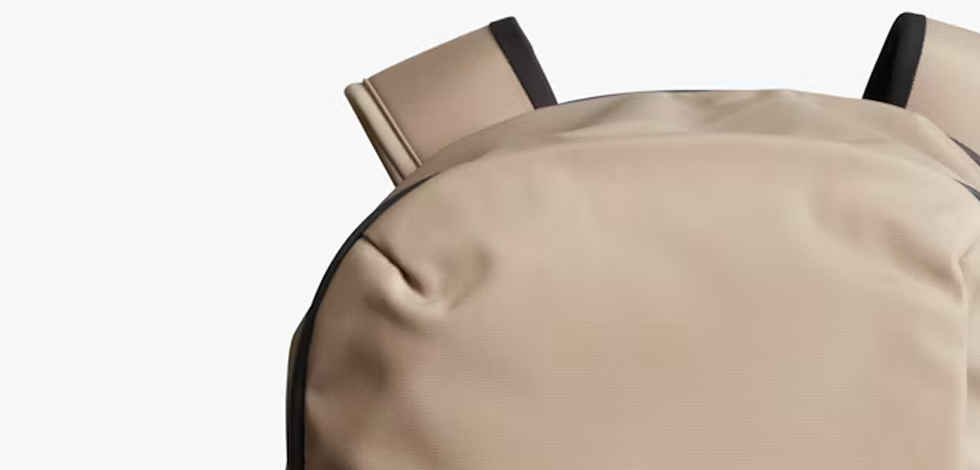
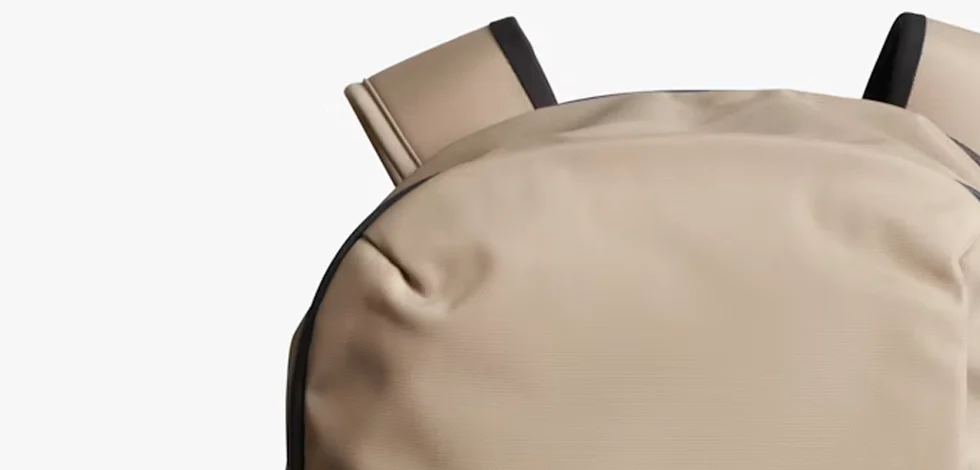
Bag designers leverage this geometric phenomenon to add critical volume without complicating the manufacturing process or adding unnecessary weight. Without darts, creating a pouch with depth would require cutting, aligning, and sewing multiple distinct panels together, which introduces more potential failure points, increases production time, and adds extra weight through heavy seam allowances. By strategically placing darts into a single continuous piece of fabric, a designer can achieve the exact same dimensional capacity with cleaner lines and superior structural integrity.
For observers examining the exterior of high-end carry gear, darts can typically be spotted in several key areas. They are frequently found tucked away on the bottom corners of backpacks and packing cubes, where they create a tailored boxy shape that allows the bag to stand upright on its own while maximizing internal floor space. They also appear along backpack lids, helping the top hood drape smoothly over the main compartment opening while accommodating bulky contents inside. Additionally, exterior pockets often utilize darts to ensure that when the pocket is empty, it lies completely flat and streamlined against the face of the pack, yet it has the capacity to balloon outwards when stuffed with water bottles, multi-tools, or loose gear.
Despite looking like a minor detail printed on a technical pattern or a simple decorative stitch upon closer inspection, the dart remains one of the most elegant and efficient engineering solutions in soft-goods manufacturing. It bridges the historical gap between fashion tailoring and industrial gear design, proving that some of the most enduring innovations in modern carry do not come from high-tech plastics or exotic space-age polymers, but rather from the timeless art of pinching and stitching fabric.