By Anton L. Delgado
October 30, 2023
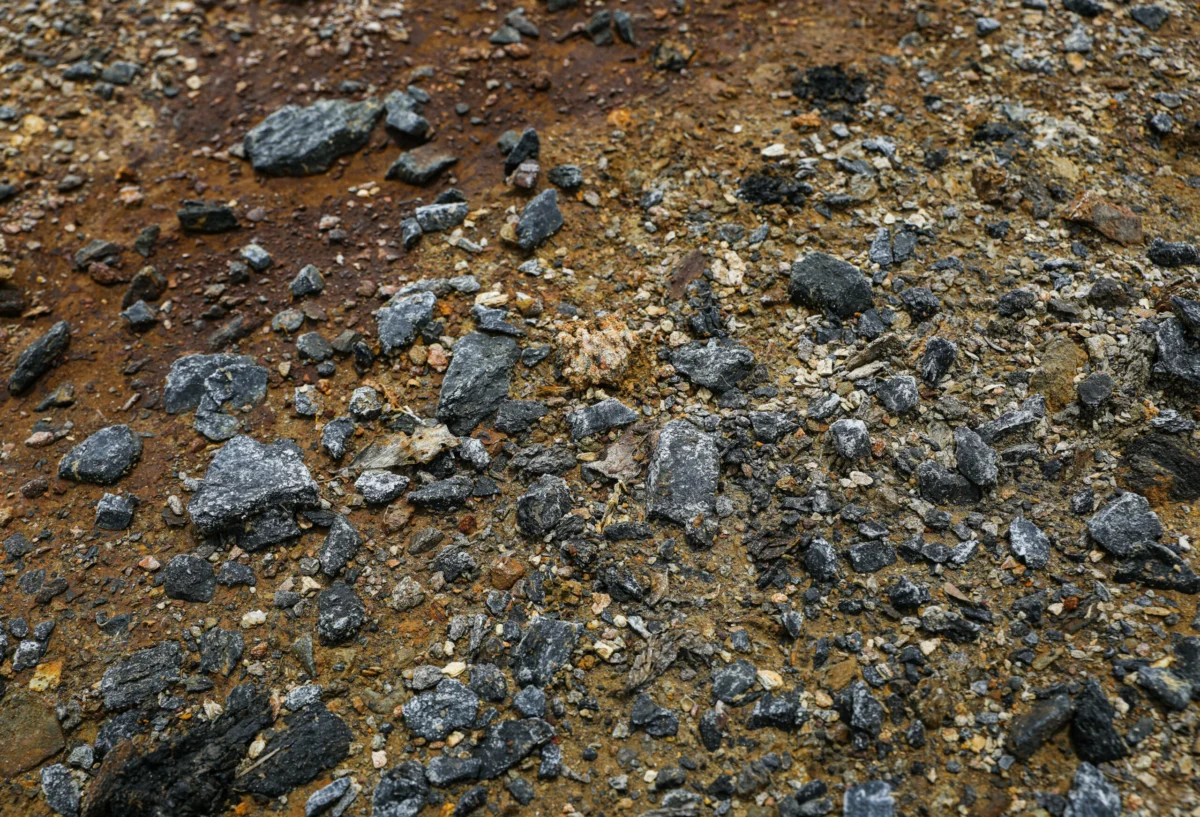
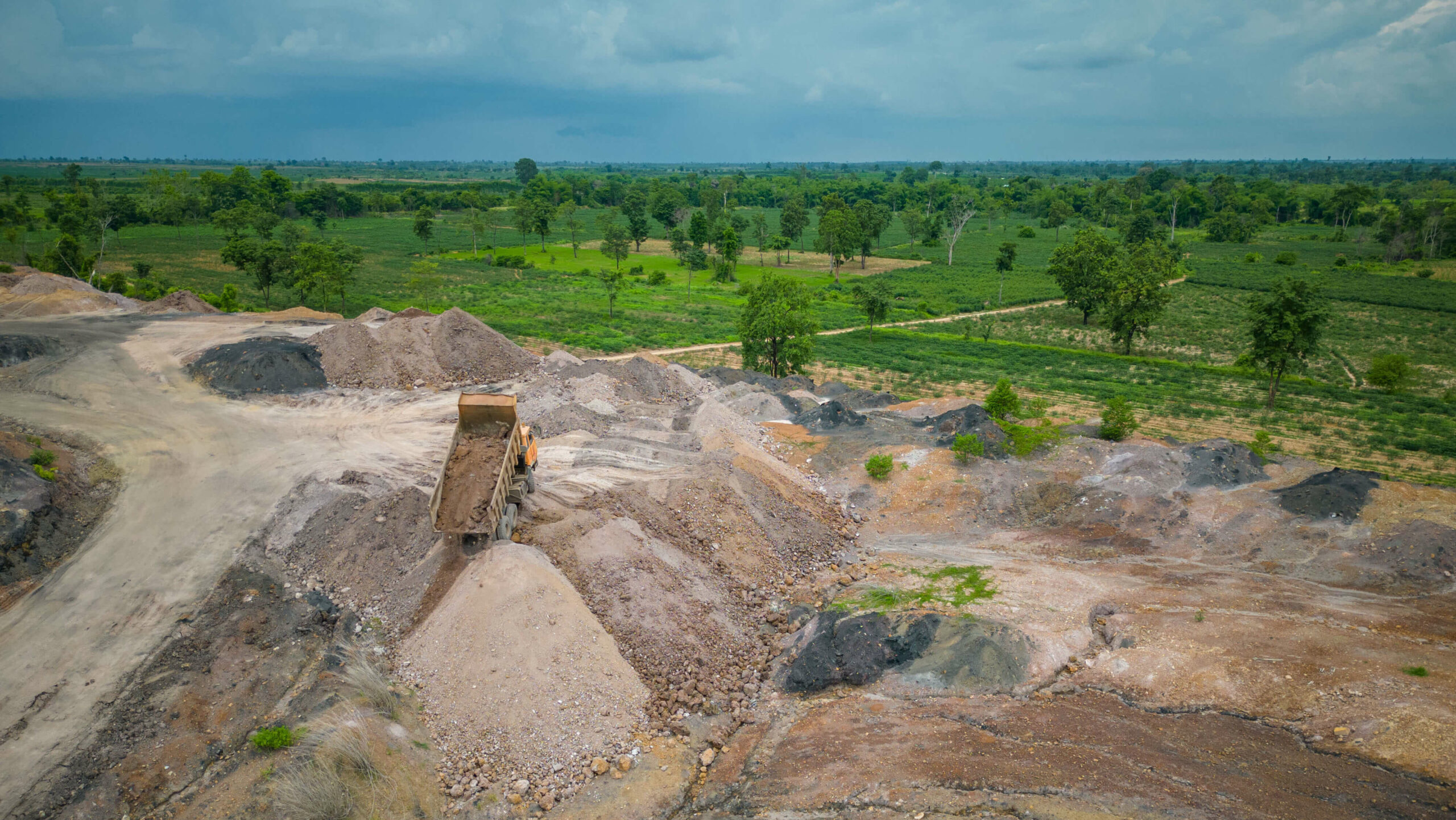
Operations continue at the Yun Khean coal mine, situated near Cambodia’s stalled Han Seng power plant in Oddar Meanchey province. This visual exploration captures a critical juncture in the nation’s energy landscape, highlighting the ongoing extraction of fossil fuels even as major energy projects face significant delays, regulatory shifts, and broader debates over the future of power generation in Southeast Asia.
Captured through the lens of photojournalist Anton L. Delgado for Southeast Asia Globe, the imagery provides an intimate look at the sprawling industrial infrastructure that underpins Cambodia’s reliance on coal. Across remote provinces like Oddar Meanchey, Koh Kong, and Sihanoukville’s Steung Hav district, the physical reality of resource extraction stands in stark contrast to the shifting global and regional policy discussions surrounding renewable energy transitions.
The Reality on the Ground in Oddar Meanchey
At the Yun Khean coal mine, heavy machinery and local labor keep the wheels of production turning. The extracted coal feeds into supply chains tied to regional energy aspirations, most notably the nearby Han Seng power plant project. However, the fate of such fossil fuel infrastructure has increasingly become a subject of uncertainty. Stalled developments and prolonged construction timelines have left several high-profile coal initiatives in limbo, reflecting both logistical hurdles and changing economic currents.
The province of Oddar Meanchey, bordering Thailand, has long been targeted as a strategic hub for energy production. Yet, projects intended to bolster domestic grid capacity through coal-fired power have encountered numerous roadblocks. Despite these delays, extraction at mines like Yun Khean persists, illustrating the complex momentum behind existing industrial investments. Mining operations require continuous maintenance, workforce allocation, and capital expenditure, meaning that even when downstream power generation stalls, upstream extraction activities often continue to operate in a holding pattern.
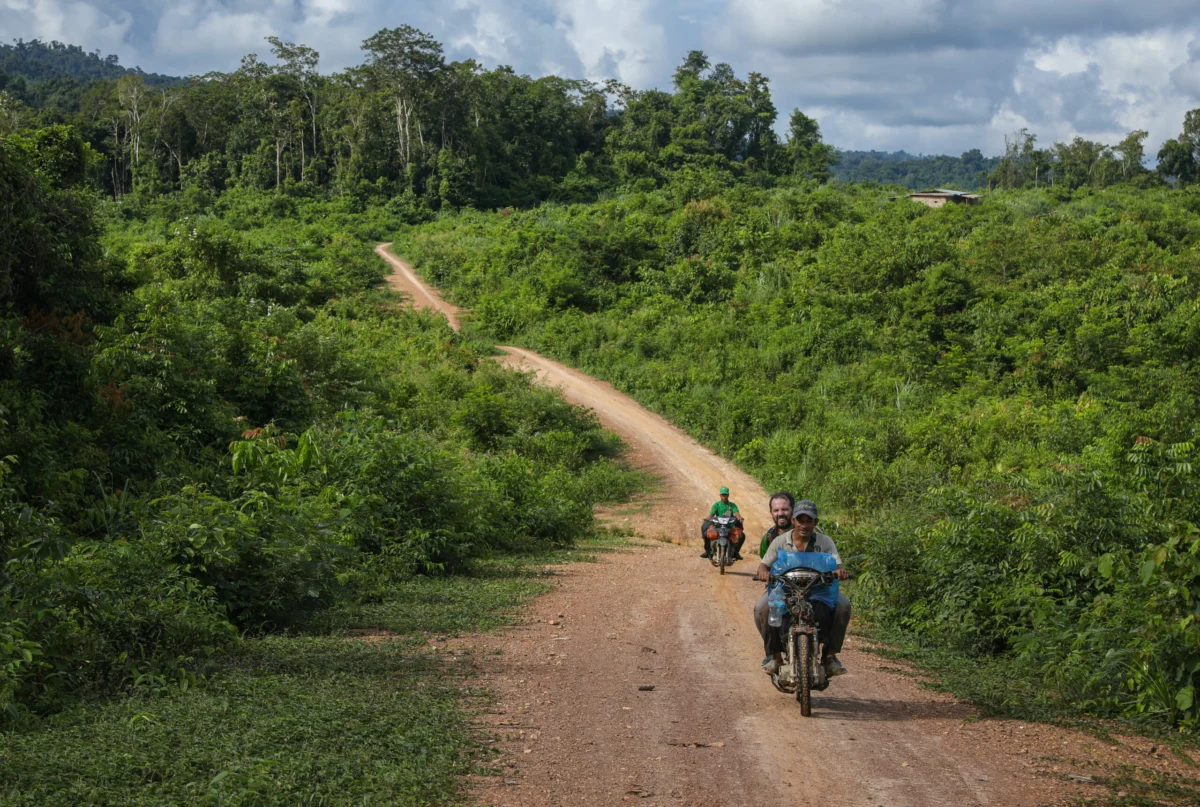
Photojournalist Anton L. Delgado’s documentation highlights the human and mechanical elements of this industrial ecosystem. Workers navigate vast open pits and heavy machinery under the tropical sun, their daily routines dictated by the demands of the fossil fuel sector. These visuals underscore the localized impacts of national energy policies, where communities live alongside heavy industrial sites whose long-term economic viability remains an open question.

Broader Shifts in Cambodia’s Energy Sector
The situation in Oddar Meanchey is not an isolated case. Across Cambodia, the push for fossil fuels—particularly coal—has faced mounting headwinds. While the government has historically relied on coal to meet rapidly growing domestic electricity demand, recent regional and international pressures, coupled with falling costs for solar and other renewable alternatives, have prompted a reevaluation of future energy planning.
In related reporting by Southeast Asia Globe, journalists have closely tracked how Cambodia’s fossil fuel ambitions are floundering amid administrative delays, financial constraints, and evolving environmental commitments. Major stakeholders, including firms like the Cambodia International Investment Development Group (CIIDG) and Cambodian Energy Limited (CEL), have played pivotal roles in shaping the country’s thermal power capacity. These enterprises have invested heavily in constructing large-scale coal-fired plants, particularly in coastal industrial zones like Steung Hav in Preah Sihanouk province, where logistical access to imported coal has historically been more straightforward.
However, the national discourse has begun to shift. Policymakers and international development partners are increasingly examining alternative pathways that balance energy security with climate resilience. The transition away from new coal approvals—or at least the significant slowdown of projects currently in the pipeline—marks a potential turning point for Southeast Asia’s second-fastest-growing economy. Despite these high-level policy discussions, the physical footprint of the existing coal economy remains deeply entrenched, as evidenced by the active excavation sites captured in this photo story.
Industrial Corridors: From Koh Kong to Steung Hav
Beyond the northern borderlands of Oddar Meanchey, Cambodia’s coastal provinces tell a complementary story of industrial expansion and logistical complexity. In coastal hubs such as Koh Kong and the heavy industrial corridors of Steung Hav, energy infrastructure dominates the landscape. Massive port facilities, storage yards, and transmission networks have transformed quiet coastal districts into vital nodes of national power production.
The visual documentation from these regions emphasizes the sheer scale of industrial intervention in natural landscapes. Vast tracts of land have been repurposed for mining, processing, and energy generation, altering local ecosystems and reshaping local economies. For communities residing near these projects, the transition from agrarian or marine livelihoods to industrial labor represents a profound socio-economic shift.
At the same time, the delays plaguing facilities like the Han Seng plant point to the financial and technical risks associated with large-scale fossil fuel investments in developing markets. As global financial institutions increasingly divest from coal and prioritize green financing, securing backing for new thermal projects has become notoriously difficult. This creates a challenging paradox for project developers: while existing infrastructure must be maintained to protect prior investments, securing the capital required to complete stalled plants or expand operations grows increasingly precarious.

Through this comprehensive photo documentation, the complexities of Cambodia’s energy transition are brought into sharp focus. By capturing the daily operations at the Yun Khean coal mine and the broader infrastructural landscape across the provinces, the reporting provides a vital record of an industry standing at a crossroads. As Cambodia navigates its future power needs, the tension between legacy fossil fuel extraction and the rising tide of sustainable alternatives will continue to shape the nation’s economic and environmental trajectory.
Reporting for this feature was supported by Andrew Haffner and Sophanna Lay. This project was produced as part of the News Reporting Pitch Initiative, organized by the Konrad-Adenauer-Stiftung.