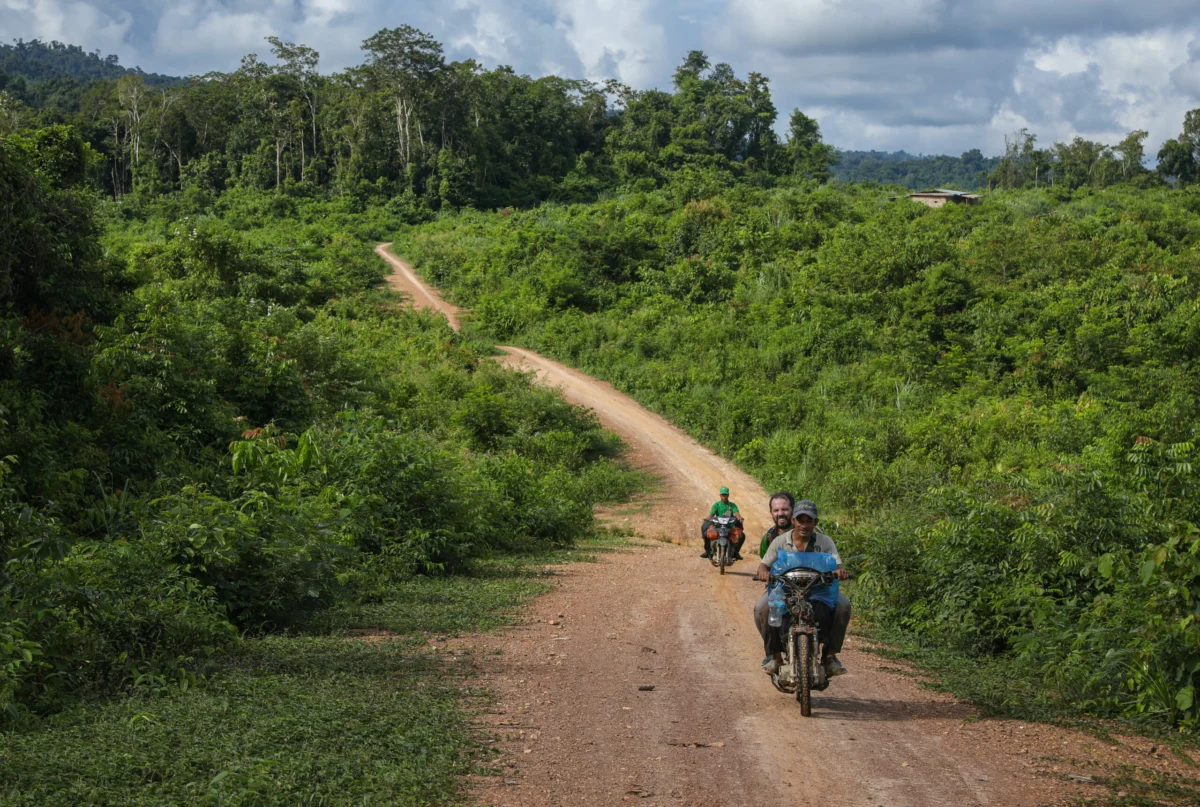
Deep within the rugged terrain of Cambodia’s remote eastern landscapes, conservationists and researchers are racing against time to protect some of Southeast Asia’s most ecologically vital and biodiverse regions. From the dense, mist-shrouded canopies of Virachey National Park to the fragile ecosystems of the Southern Cardamom rainforests, mounting pressures from hydropower development, large-scale infrastructure projects, and contentious carbon offset initiatives are pushing these crucial wildlife habitats to the brink.

As environmental watchdogs, international organizations, and local communities sound the alarm, a complex narrative of development versus preservation is unfolding across the country. At the heart of this struggle is the fate of Cambodia’s final ecological frontiers—landscapes that harbor critically endangered species found nowhere else on Earth, yet face relentless fragmentation from economic expansion.

The Looming Threat of Hydropower in the Mekong Basin
Among the most pressing environmental concerns highlighted by conservation groups are planned and existing hydropower projects threatening river connectivity across the region. The Mekong River basin and its major tributaries, including the vital Sekong, Sesan, and Srepok rivers—collectively known as the 3S River Basin—represent the lifeblood of mainland Southeast Asia’s aquatic ecosystems.

Environmental assessments, including reports referenced by international bodies and local networks such as the 3S Rivers Protection Network (3SPN), emphasize that unmitigated dam construction severely disrupts migratory fish pathways, alters natural sediment flows, and drastically impacts the livelihoods of indigenous communities who rely on these waterways for sustenance.

Researchers and field scientists pointing to studies by organizations like the Japan International Cooperation Agency (JICA) and various environmental watchdogs note that despite growing global commitments to sustainable energy transition, hydropower developments frequently bypass rigorous, transparent environmental and social impact assessments. Experts argue that the cumulative degradation of these river basins risks permanently severing the ecological connectivity that sustains the Lower Mekong Basin, threatening hundreds of endemic fish species and undermining regional food security.

Protecting Virachey National Park: A Biodiversity Treasure Trove
In northeastern Cambodia, Virachey National Park stands as a sprawling expanse of dense forest, towering mountains, and meandering rivers. Long regarded as one of the country’s most pristine conservation areas, the park serves as an irreplaceable refuge for rare and elusive wildlife.

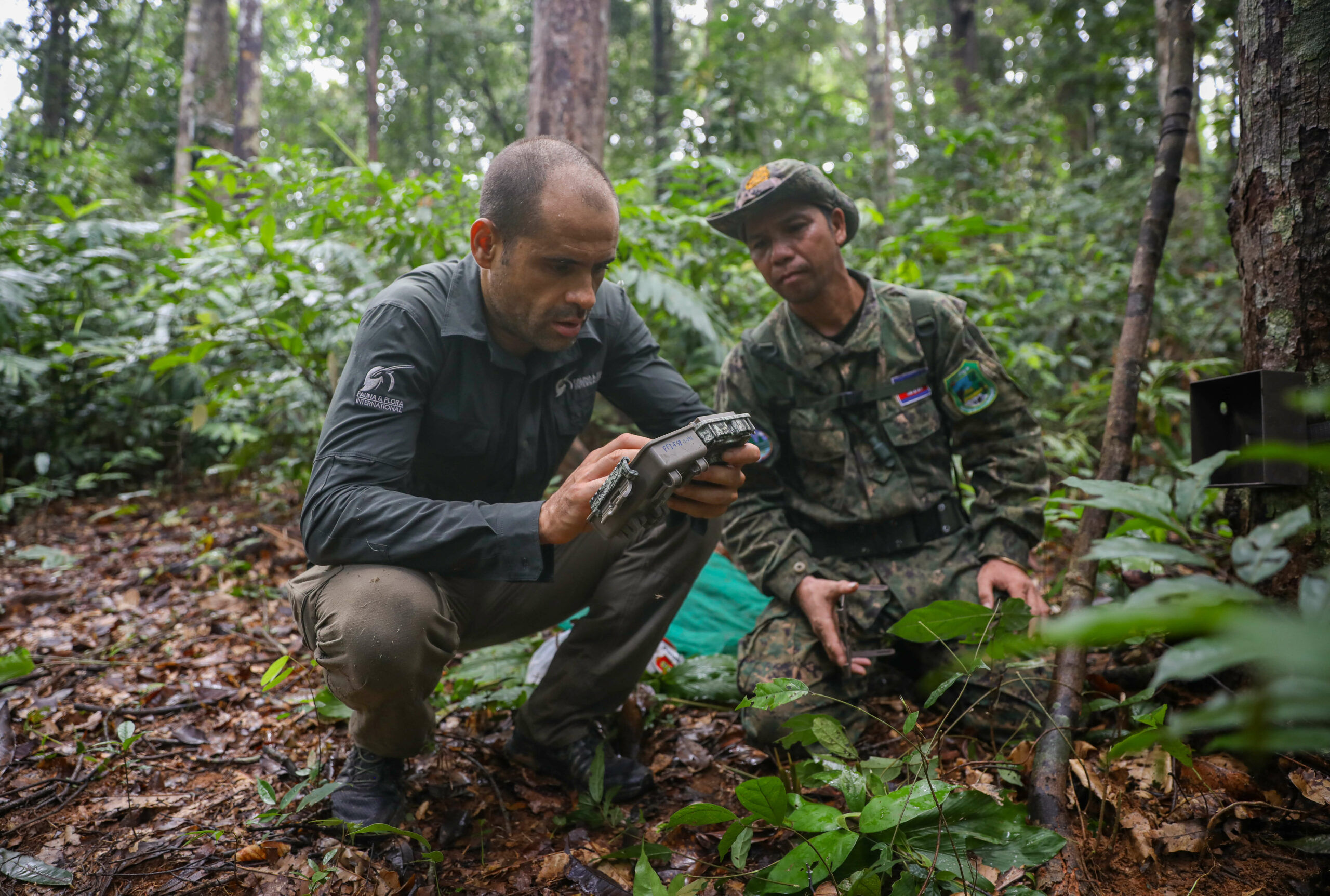
Recent field surveys and conservation expeditions conducted by organizations such as Fauna & Flora have reinforced Virachey’s status as a global biodiversity hotspot. Camera traps and ecological assessments in the area have captured evidence of critically endangered fauna, including the large-antlered muntjac and the northern yellow-cheeked gibbon, alongside other rare mammals and avian species.

Yet, despite its remote location and official protected status, Virachey and its surrounding buffer zones face persistent threats from illegal logging, wildlife poaching, and the creeping footprint of regional infrastructure projects. Conservation experts stress that safeguarding these remote strongholds requires robust enforcement, community engagement, and sustainable management frameworks that empower local populations to act as stewards of the land.
The Carbon Offset Controversy and Community Rights
Compounding the environmental pressures on Cambodia’s forests is the rapid expansion of forest carbon offset projects, notably under the Reducing Emissions from Deforestation and Forest Degradation (REDD+) framework. While these initiatives are marketed as critical market-based mechanisms to combat global climate change by preserving standing forests and generating carbon credits, they have sparked intense debate regarding transparency, land tenure, and human rights.

High-profile forestry initiatives, such as the Southern Cardamom REDD+ project, have recently faced intense scrutiny from international human rights organizations and independent auditors. Concerns raised by groups like Human Rights Watch, alongside temporary suspensions of carbon credit issuances by registries such as Verra, have drawn global attention to the systemic challenges facing forest carbon markets.

Critics and local land rights advocates argue that top-down conservation models frequently restrict traditional land access for indigenous and rural communities, sometimes leading to evictions, livelihood disruptions, and a lack of free, prior, and informed consent. Conversely, project developers and government officials maintain that rigorous carbon financing is essential for funding anti-poaching patrols, preventing wide-scale deforestation, and maintaining critical carbon sinks in the face of immense economic development pressures.

Balancing Conservation and Economic Development
As Cambodia continues to navigate its economic development trajectory, the tension between resource extraction, infrastructure expansion, and biodiversity conservation remains acute. International funding partners, conservation biologists, and civil society organizations continue to urge greater transparency, stronger regulatory oversight, and meaningful inclusion of local communities in environmental decision-making processes.

With critical funding from international initiatives, such as the UK’s Biodiverse Landscapes Fund, and ongoing research efforts led by local and international nongovernmental organizations, conservationists hope to secure a sustainable future for Cambodia’s remaining wilderness areas. However, experts agree that without a decisive shift toward genuine ecological stewardship and enforceable protections for both wildlife and human rights, the future of Cambodia’s natural heritage hangs in a delicate balance.