For years, freelance writers looking to scale their businesses relied heavily on traditional job boards, content mills, and aggressive cold-pitching campaigns. While these methods still hold a place in the digital landscape, a significant shift has taken place in the freelance economy. According to industry observations and reports from independent professionals, LinkedIn has firmly established itself as the premier platform for securing inbound leads and high-value writing contracts.
Sean Ogle, founder of Location Rebel—an online platform that has spent over a dozen years helping individuals build independent digital businesses—notes that the professional networking site has effectively displaced traditional job boards as the primary source of sustainable income for modern freelancers. As the platform has evolved, so too has its underlying algorithm, rewarding content that emphasizes professional relevance, genuine thought leadership, and niche authority over superficial reach or generalized advice.
Mastering this ecosystem requires a strategic approach to time management, profile optimization, and audience targeting. For writers attempting to navigate the platform effectively, industry experts emphasize five core strategies designed to maximize visibility and convert profile traffic into paying clientele.
Targeting Decision-Makers Over Peers
One of the most common pitfalls observed among independent writers entering the professional network is the tendency to network exclusively within freelance communities. While engaging with peers is valuable for emotional support and community building, it rarely generates revenue. Ogle points out that when marketing directors, content managers, or startup founders visit a writer’s profile, they need to immediately understand what specific business problems the writer solves.
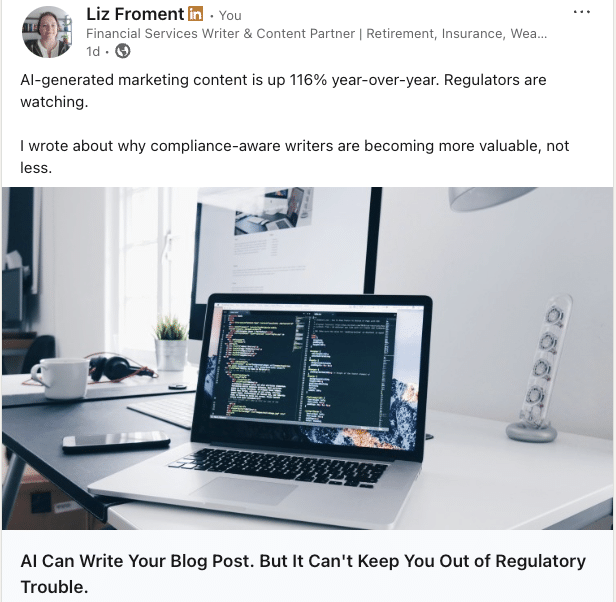
To rectify this, writers are encouraged to audit their recent posting history. If the majority of their content is directed at teaching other writers how to pitch or format articles, the messaging needs a pivot. Successful freelancers identify three to five core topics that resonate directly with their ideal clients. For instance, a medical writer might focus on regulatory hurdles, clinical research updates, or compliance challenges, while a financial services writer might center their commentary on fintech trends and customer experience strategies.
By consistently publishing insights related to these niche commercial challenges, writers signal deep industry expertise. LinkedIn’s current algorithm heavily prioritizes niche relevance, actively boosting content that speaks directly to a defined professional audience within a specific sector.
Overcoming Posting Anxiety Through Sustainable Cadence
The conventional wisdom surrounding social media management often demands a grueling daily posting schedule to achieve visibility. Ogle notes that this relentless pressure frequently leads to severe burnout, imposter syndrome, and complete platform paralysis, causing many qualified professionals to abandon their digital presence entirely.
The reality, however, is far more forgiving. Consistently publishing high-quality content just once or twice a week over a sustained period of several months can yield substantial professional dividends. The key lies in establishing a manageable cadence—such as every Monday and Thursday, or a single dedicated post every Wednesday.
To streamline this workflow, freelancers are advised to block out thirty minutes on the weekend to draft and schedule their content using native platform tools. By focusing on strong hooks, clear formatting, and text-based posts rather than complex multimedia productions, writers can maintain a professional presence without sacrificing billable hours.

Prioritizing Daily Engagement and Relationship Building
While publishing original content is important, platform mastery relies just as heavily on proactive engagement. Industry leaders often describe daily outreach and commentary as routine maintenance for a modern business.
Rather than waiting passively for inbound traffic, successful freelancers curate a list of twenty to thirty prospective clients—including marketing executives, editors, and founders at target companies—and make a habit of following their professional updates. Spending fifteen to twenty minutes a day leaving thoughtful, substantive comments on these prospects’ posts helps build familiarity. Vague compliments like "Great post!" are easily ignored, whereas insightful analysis, supplementary data, or unique perspectives naturally draw the attention of decision-makers.
Industry veterans frequently advocate for disciplined daily routines, such as sending a handful of targeted connection requests, leaving a couple of insightful comments, and sharing an original perspective. Over time, this consistent visibility ensures that a writer’s name becomes familiar to the exact people holding publishing budgets.

Optimizing the Profile as a Dedicated Sales Page
A writer’s LinkedIn presence extends far beyond their daily status updates. When prospective clients discover a writer’s content, they almost invariably review the main profile page before reaching out. Consequently, experts advise treating the entire profile page like a dedicated sales landing page.
This optimization begins with the professional headline. Generic titles like "Freelance Writer" fail to communicate value. Instead, headlines should explicitly state the commercial benefit delivered to the client, such as helping B2B software companies convert leads or detailing specific industry specializations backed by reputable brand names.
Similarly, the "About" section should be written in the second person, addressing the reader directly to outline the specific operational challenges the writer resolves. Incorporating social proof—such as measurable results achieved for past clients, glowing testimonials, and links to an external portfolio website—reinforces credibility. Furthermore, pinning top-performing articles or case studies to the "Featured" section and detailing specific project metrics within the "Experience" section ensures that hiring managers immediately recognize the writer’s professional caliber.
Systematizing Content Creation with an Idea Brain
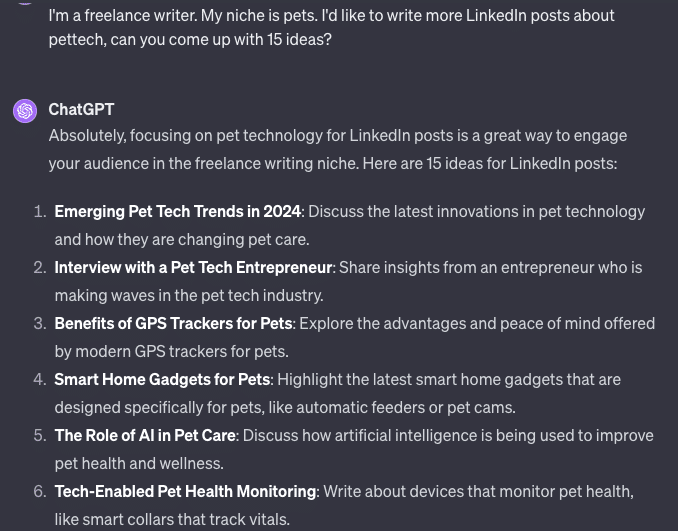
A persistent obstacle for independent professionals is deciding what to write about on a regular basis. To combat writer’s block, Ogle recommends establishing a daily brainstorming habit, wherein individuals jot down ten potential ideas every morning or evening in a digital notes application.
While many of these initial concepts may prove unusable, a weekly volume of seventy raw ideas typically yields a handful of viable topics ready for development. For writers who occasionally find themselves entirely stuck, modern AI writing tools can serve as a supplementary brainstorming partner, generating niche-specific prompts that writers can expand upon using their own professional voice and real-world experience.
Ultimately, dedicating twenty to thirty minutes a day to these targeted practices can dramatically alter a freelancer’s business trajectory. As the professional landscape continues to favor inbound marketing and established digital authority, maintaining an active, optimized presence on the platform offers not only a reliable pipeline of new clients, but also a broader network of industry peers, yielding long-term income stability and professional resilience.