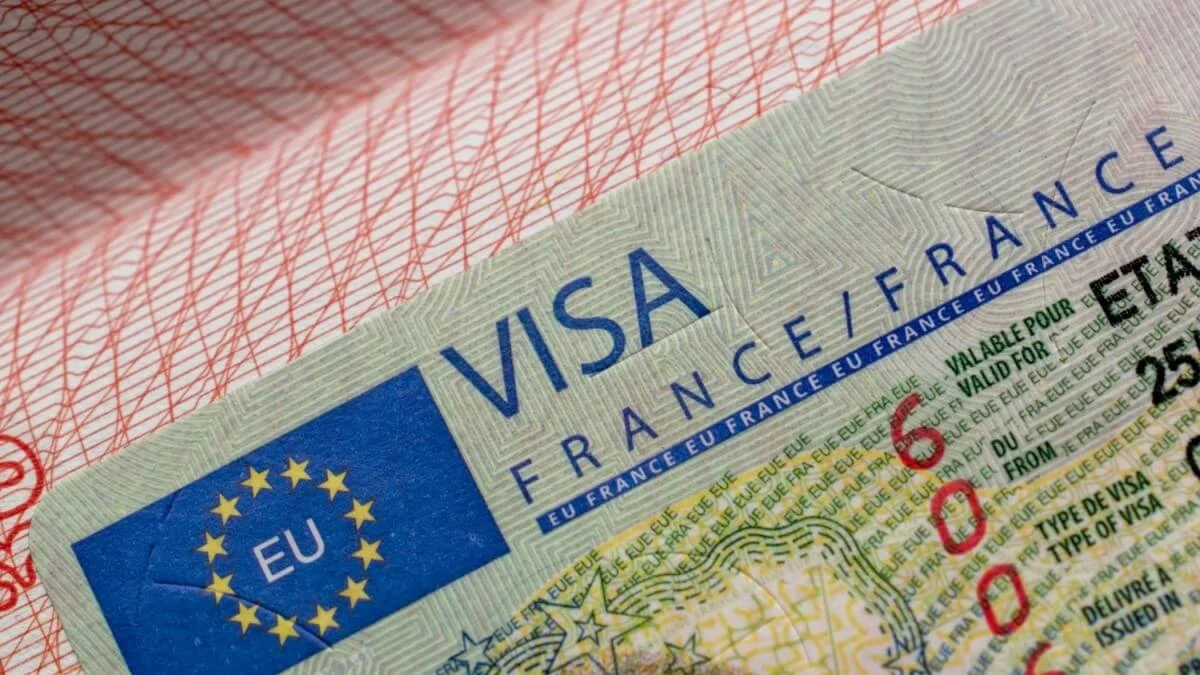
As of February 20, 2026, the landscape for international travel to France has undergone a significant transformation. In a move designed to streamline operations, enhance security, and eliminate the influence of third-party intermediaries, French authorities have implemented a strictly mandatory online visa appointment system. This new protocol effectively brings an end to all walk-in appointments, telephone requests, and informal booking routes that were previously available in various jurisdictions. The change applies universally to foreign nationals worldwide, encompassing both short-stay Schengen visas and long-stay national visas.
The shift, confirmed by reports from SchengenVisaInfo.com, represents a decisive response to long-standing systemic challenges that have plagued the visa application process. For years, applicants, consulates, and official visa application centers have struggled with the consequences of high demand, including overcrowded waiting rooms, unmanageable queues, and the pervasive rise of unofficial "slot brokers." These third-party entities frequently manipulated appointment availability in high-demand markets, charging exorbitant fees to desperate travelers for access to slots that should have been freely available to the public. By centralizing the process into a strictly digital, government-controlled workflow, France aims to reclaim the integrity of its administrative procedures and provide a more equitable experience for all applicants.
This modernization is not an isolated incident but rather a component of a broader European trend toward the total digitization of border management and identity verification. As the Schengen Area continues to integrate its security infrastructure, France’s new appointment policy aligns with the European Union’s ongoing commitment to upgrading biometric data management. This includes large-scale initiatives designed to modernize the Visa Information System (VIS) and the implementation of advanced biometric data collection frameworks. By digitizing the initial booking phase, the French government is essentially tightening the digital perimeter around its consular services, ensuring that every applicant is documented and processed through a standardized, traceable pipeline.
The New Digital Workflow: Navigating the Visa Process
The process now begins exclusively within the digital environment. Applicants are directed to the official "France-Visas" portal, where they are required to engage with the "Visa Wizard" tool. This interactive eligibility checker is the first mandatory hurdle in the process; it is designed to verify whether an applicant actually requires a visa and to determine the specific category of visa that applies to their individual travel plans. By requiring this step before any booking can occur, the system aims to reduce the volume of erroneous or ineligible applications that often clog consular resources.
Once the applicant has confirmed their eligibility and identified the correct visa category, the request is transitioned to the French government’s "Démarches Simplifiées" platform. This is the critical stage where the applicant submits a detailed questionnaire. The digital form requires comprehensive information regarding the purpose of the intended travel, the proposed length of stay, and the specific departure date.
Accuracy at this stage is paramount. Official warnings indicate that any information provided that is found to be incomplete, inconsistent, or inaccurate can lead to the immediate rejection of the appointment request. This serves as a filter to ensure that only serious, well-prepared applicants move to the next stage of the process. If the request meets the necessary criteria and is approved by the administrative system, the applicant receives a formal email containing a proposed date and time for their appointment.
Crucially, the system does not operate on an "automatic confirmation" basis. The proposed appointment is merely an offer, and the applicant must respond to the notification within a strictly defined timeframe. Failure to acknowledge and confirm the appointment within the stipulated window results in the automatic cancellation of the slot, which is then released back into the system for other applicants. This policy is intended to mitigate the issue of "ghost appointments"—instances where slots are booked but left vacant, a common problem during peak travel seasons that effectively wasted precious consular capacity. While this approach significantly improves efficiency, it also introduces a new level of pressure on applicants to maintain constant vigilance over their email inboxes to ensure they do not miss their window of opportunity.
Personal Appearance and Biometric Requirements
It is a common misconception that the digitization of the booking phase translates to a fully remote visa process. While the administrative submission is now entirely online, the requirement for a personal appearance remains strictly enforced. Once a time slot has been successfully booked and confirmed, the applicant must attend a physical visit to a designated French consulate or an authorized visa application center.
This personal appearance serves three primary purposes: the submission of original supporting documentation, the payment of relevant visa fees, and the collection of biometric data. The biometric component typically involves the recording of fingerprints and a high-resolution photograph. This data is then integrated into the European-wide visa databases, ensuring that identity verification is consistent across the entire Schengen Area.
There are provisions for those who have previously applied for a Schengen visa. Reports indicate that applicants may be exempted from providing their fingerprints again if they have done so within the previous 59 months. However, travelers should be aware that this is not an absolute right; the decision to waive the fingerprint requirement remains at the discretion of the consular officer processing the file. During the counter checks, the officer may choose to require fresh biometric data if there are any doubts regarding the integrity of the existing data or the identity of the applicant.
For the prospective traveler, the takeaway is clear: the online booking system is merely the first hurdle. It is the necessary gateway that allows the applicant to reach the front of the queue, but it does not remove the administrative burden of preparing physical documents or the necessity of presenting oneself for face-to-face scrutiny.
Strategic Motivations and Security Objectives
The introduction of these stringent, centralized booking procedures is driven by a desire for a more standardized, traceable, and secure visa application environment. By eliminating informal and ad-hoc booking routes, the French government is effectively insulating its consular services from the manipulations of third-party organizations. The move is a calculated effort to restore fairness to the system, ensuring that appointment availability is determined by objective criteria rather than the influence or technical maneuvers of private brokers.
Furthermore, this development mirrors similar initiatives occurring across the broader Schengen Area. As nations work to harmonize their entry requirements, the reliance on the Visa Information System (VIS) has become more pronounced. These integrated databases allow member states to share information more effectively, conduct more thorough security background checks, and maintain a higher level of oversight regarding who enters the Schengen zone.
In light of these changes, authorities are advising all travelers to exercise caution. The rise of sophisticated scams has accompanied the rise of digital visa platforms, and applicants are being urged to avoid any third-party websites or services that claim to offer "guaranteed appointments." Such claims are typically fraudulent, as all official bookings must be processed through the designated government platforms.
Applicants are strongly encouraged to initiate their planning as far in advance as possible, thoroughly review the specific requirements for their country of residence, and remain diligent in monitoring their email communications following their initial submission. By relying exclusively on official channels and strictly adhering to the new, digitized workflow, travelers can navigate this transition and ensure that their application proceeds through the system without unnecessary delays or disruptions. As France moves forward with this modernized infrastructure, the emphasis remains on balancing the facilitation of legitimate travel with the rigorous security standards required of a modern Schengen member state.