Nestled among the rolling hills, lush river valleys, and miles of picturesque hiking trails of south-central Kentucky lies one of the most remarkable natural wonders on the planet. Mammoth Cave National Park, situated just an hour north of the Tennessee border, is home to the world’s longest known cave system. For travelers venturing down South on scenic road trips, this expansive landscape offers a unique blend of subterranean marvels and vibrant above-ground scenery that changes dramatically with the passing seasons.
Frequent visitors to the region often recount how easy it is to become captivated by the sheer scale of the park. As an Ohioan who has made the trek southward on numerous occasions over the years, the journey to this corner of Kentucky consistently reveals new facets of the landscape. While a significant portion of visitor activity naturally gravitates toward the cool, limestone labyrinths deep beneath the surface, the park also harbors a rich tapestry of outdoor adventures above ground. From sun-dappled hiking paths to winding biking trails, Mammoth Cave delivers an immersive nature experience all year round.
Planning a comprehensive excursion to the park requires considering both the subterranean depths and the sprawling surface terrain. Whether the itinerary calls for fishing along tranquil riverbanks, cycling through dense woodlands, or delving into the cavernous stone networks, crafting the ideal national park getaway begins with securing comfortable and well-positioned accommodations.
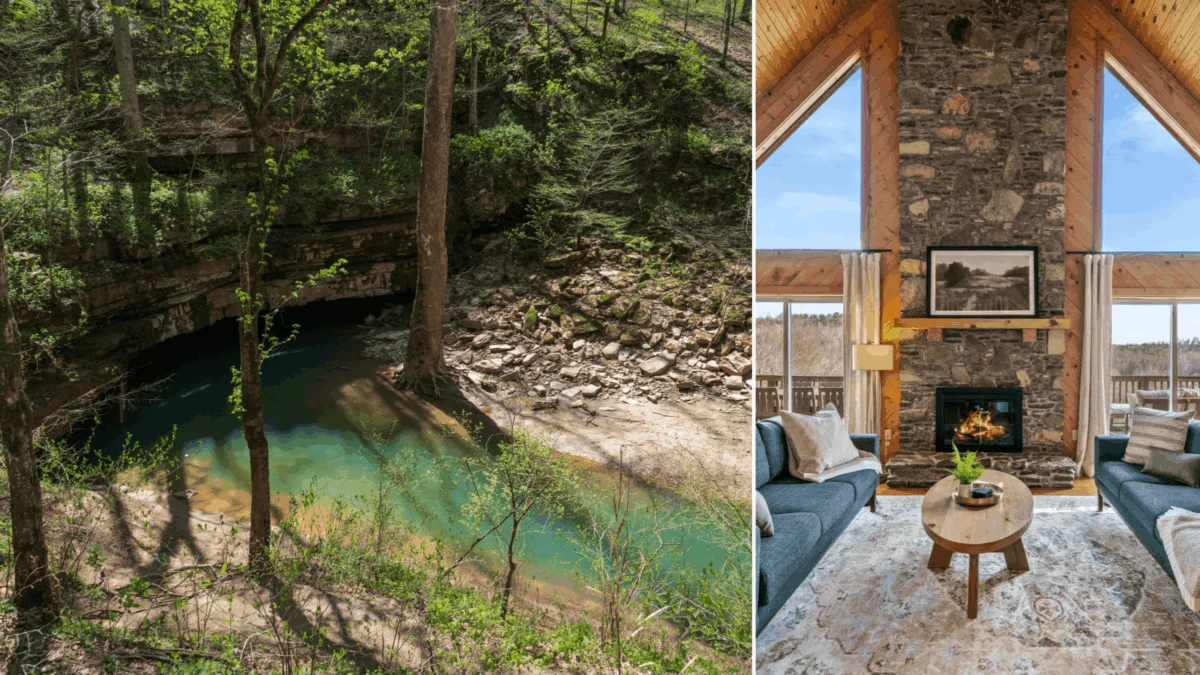
Fortunately, the surrounding area features a diverse array of vacation rentals, cozy cabins, and local hotels designed to suit every travel preference. Travelers searching for a rustic retreat can find secluded properties equipped with modern amenities such as private hot tubs and crackling outdoor firepits. Others seeking a closer connection to nature can opt for unique glamping experiences situated directly beneath the sweeping canopy of the Kentucky night sky. From secluded treehouse cabins nestled high in the branches to tranquil lakeside retreats, the communities surrounding the national park provide a welcoming home base for any traveler’s itinerary.
Navigating the park itself involves understanding the vast array of opportunities available both below and above the earth. For those eager to explore the subterranean depths, guided cave tours offer an intimate look at the stone labyrinth. These excursions lead visitors down narrow pathways carved out over millennia, revealing intricate dripstone formations, towering stone walls, and vast chambers that defy human imagination. Because the sheer magnitude of the world’s largest known cave system is difficult to comprehend from books or photographs, experiencing it firsthand remains a central highlight for nearly everyone who visits.
Visitors should note that independent exploration of the cave interior is strictly prohibited, meaning that advance planning is essential. Securing a spot on one of the ranger-led tours requires purchasing a ticket ahead of time through official reservation platforms. Due to high demand, particularly during peak travel windows, tours frequently sell out weeks in advance, making early booking a crucial step for any successful itinerary.
For travelers who prefer to remain under the open sky, the park offers an extensive network of recreational opportunities. More than 80 miles of rugged above-ground trails weave through the dense forests and rolling terrain, providing ample space for hikers and mountain bikers to immerse themselves in the local ecosystem. Depending on weather conditions and seasonal availability, outdoor enthusiasts can also partake in horseback riding, kayaking along the meandering rivers, and local fishing.
Determining the ideal time to plan a visit largely depends on personal preferences regarding weather and crowd sizes. Spring and autumn emerge as particularly favorable seasons for a trip to Mammoth Cave, largely due to comfortable daytime temperatures and the stunning transformation of the local flora. Springtime brings a vibrant array of blooming wildflowers carpeting the forest floor, while the autumn months cloak the hills in brilliant shades of red, orange, and gold, offering some of the best fall foliage viewing in the region.
Conversely, summer serves as the park’s high season, drawing large numbers of vacationers eager to explore the trails and escape the heat by descending into the naturally cool temperatures of the underground caves. While summer offers lively energy and fully operational park services, visitors should anticipate larger crowds and higher temperatures across the surface trail networks.
Winter brings a quieter, more serene atmosphere to the park, showcasing frosted landscapes and peaceful wooded vistas. However, the colder months can occasionally introduce unpredictable weather, including snowstorms and seasonal closures of certain campgrounds and park facilities. By carefully weighing the distinct offerings of each season, travelers can tailor their Mammoth Cave experience to match their preferred pace and style of outdoor exploration.