For hikers and outdoor enthusiasts dreaming of an alpine expedition, the Tour du Mont Blanc stands as a legendary challenge that tests both physical endurance and mental grit. While the iconic trek is undeniably demanding, seasoned travelers note that it is not necessarily a technical climb requiring specialized mountaineering gear or elite mountaineering skills. Instead, the true challenge lies in its sheer length, the relentless accumulation of altitude gain and loss, and the ever-present, breathtaking scenery that surrounds every turn of the trail.
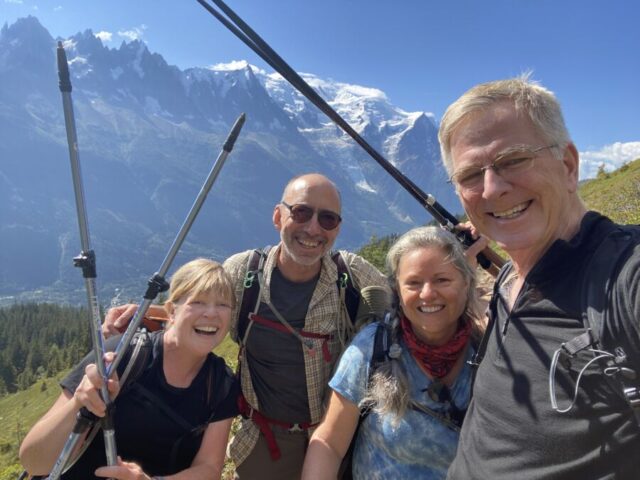
During a recent six-day trek around the massive mountain range alongside three close companions, the reality of long-distance hiking quickly set in. Like many groups tackling the route, each member of the party brought their own unique physical vulnerabilities to the trail. Whether it was stiff knees, aching toes, or strained lungs, the mountain spared no one. For some hikers in the group, the greatest obstacle was the lung-burning ascent up steep inclines, while others—grappling with sensitive knees—found the long, punishing descents to be the true test of endurance. Rather than pushing through the pain and turning the trek into an exhausting endurance race, the group adopted a measured approach, taking it easy and incorporating plenty of small breaks throughout the day.
Navigating the logistics of a multi-person trek required a flexible dynamic. Although David, Sue, Shelley, and the author shared the entire route around Mont Blanc, the group quickly realized that maintaining strict togetherness could sometimes hinder the hiking experience. To ensure that everyone felt free to move at their own natural pace, they found it most effective to hike as individual couples rather than as a rigid foursome. This strategy proved essential, allowing hikers to stop, rest, or admire the view whenever they needed to, without harboring any concern for what the others wanted or needed at that exact moment. The group’s guiding philosophy became a simple yet effective mantra: "We’re here to hike—to enjoy the moment, the trail, the mountains—not to race to the hotel."
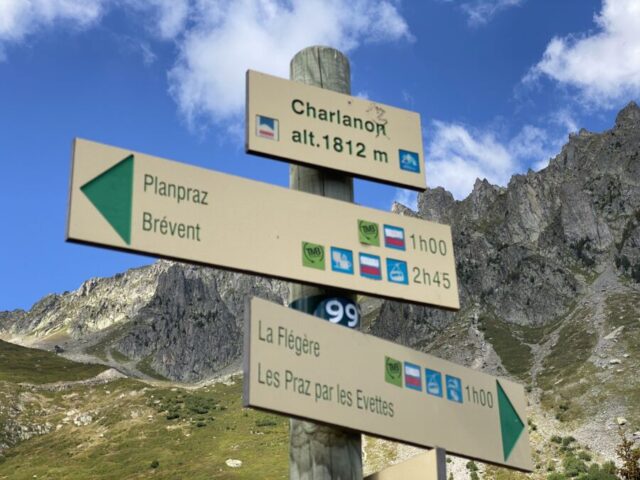
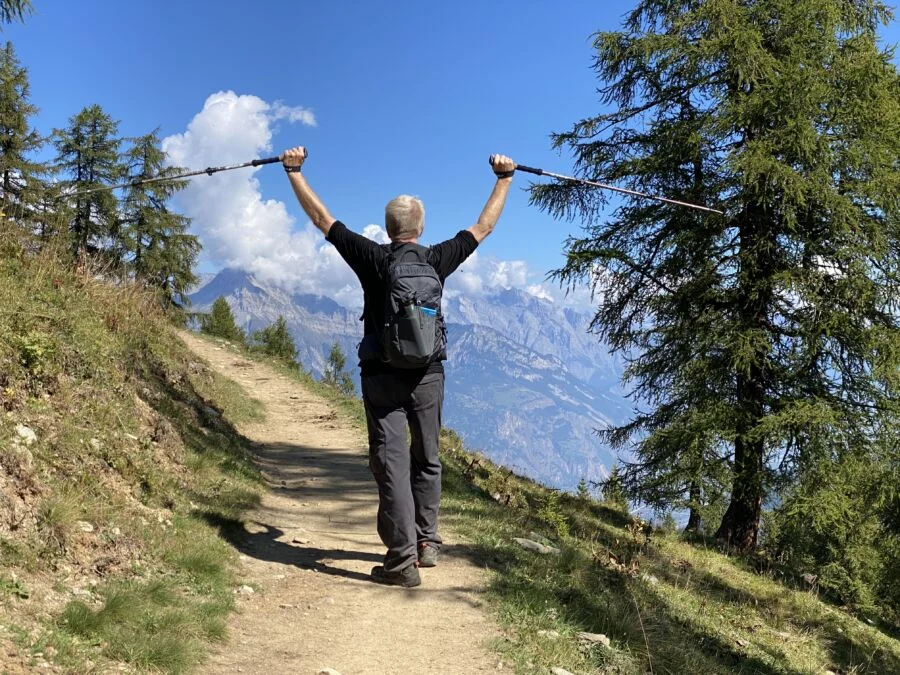
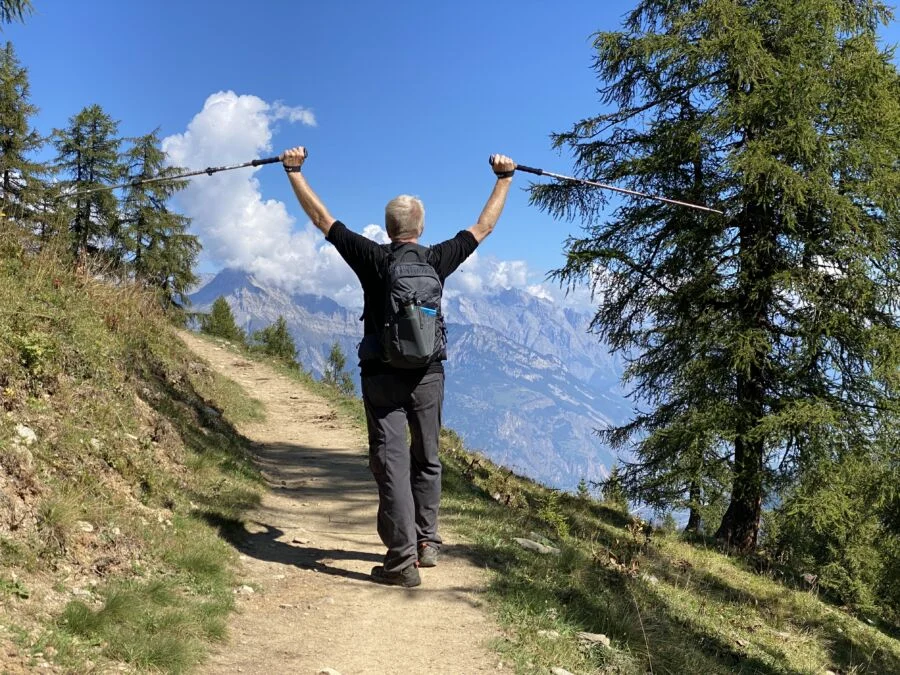
Mastering the mechanics of alpine walking took some adjustment, particularly when facing extended climbs. The group discovered that maintaining steady, smaller steps was far more effective than taking large, exhausting strides up steep terrain. Because the alpine paths can be notoriously rocky and uneven, navigating the landscape would have been significantly more difficult without the steady support of hiking poles. When it came to navigation, the infrastructure along the route provided tremendous reassurance. The trail signs were described as exceptional, and modern mobile applications made staying on the right path remarkably straightforward—often boiling down to simply following a blue dot on a digital screen. However, digital tools were paired with traditional methods, and a top-quality printed map proved invaluable. Each evening, time was dedicated to reviewing the map, reading up on the upcoming stage of the journey, and familiarizing the team with the topography and trail layout before the next morning’s departure.
Weather in the high Alps can be notoriously unpredictable, and the initial forecasts ahead of the September trip looked threatening. Fortunately, timing the trek during the final week of the season proved advantageous, yielding favorable conditions despite initial worries. Over the course of six days of hiking, the group encountered only a single hour of rain. Nevertheless, preparation remained key. Every morning, rain gear was carefully packed into backpacks alongside versatile layers of clothing. As the hikers constantly gained and lost altitude throughout the day, temperatures fluctuated dramatically, requiring them to frequently add and remove layers to stay comfortable. By the fourth day of the trek, the rhythm of layering and weather management had become second nature. For a group of rank beginners, the realization suddenly dawned: "We’re getting good at this."
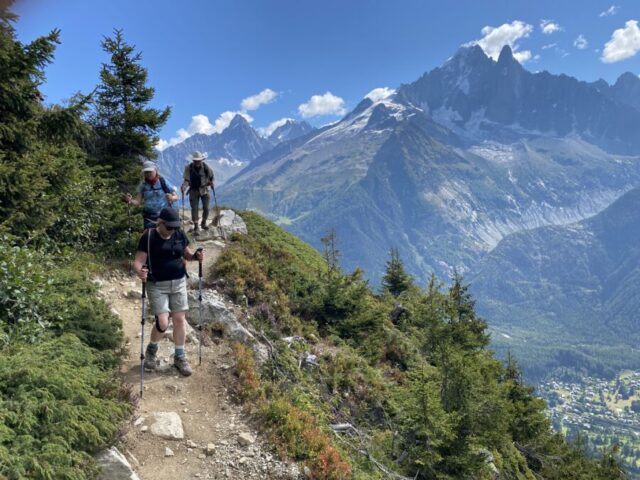
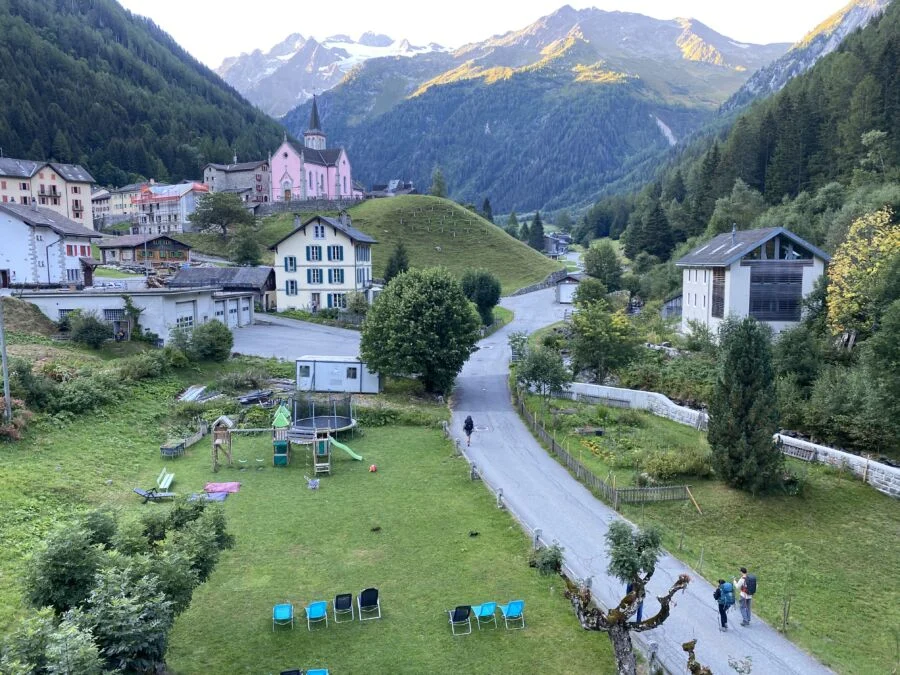
The geographical layout of the trek offered a dynamic and visually rewarding daily routine. Hiking in a wide, sweeping circle around a massive clump of majestic mountains meant that every single day featured a similar rhythm: climbing up and over a daunting, dramatic mountain pass before descending into a charming alpine town to rest for the night. These historic European villages provided a welcoming refuge at the end of long days on the trail. After checking into local accommodations and recovering from the physical exertion of the day, the travelers were treated to a serene nightly ritual—strolling through the quiet village streets under a vast, milky blanket of bright stars, far away from the ambient light pollution of modern cities.
As the successful September expedition drew to a close, the reflections from the trail offered encouragement for other prospective travelers considering the iconic alpine route. The journey proved that with proper pacing, reliable equipment, flexibility among traveling companions, and a willingness to embrace both the challenges and the restorative moments of nature, even beginners can successfully undertake one of Europe’s most famous long-distance treks. The experiences, photographs, and practical tips gathered during the Mont Blanc adventure are slated to be shared in greater detail during an upcoming online presentation on the November edition of Monday Night Travel, offering prospective adventurers a closer look at what it takes to journey around Western Europe’s highest peak.