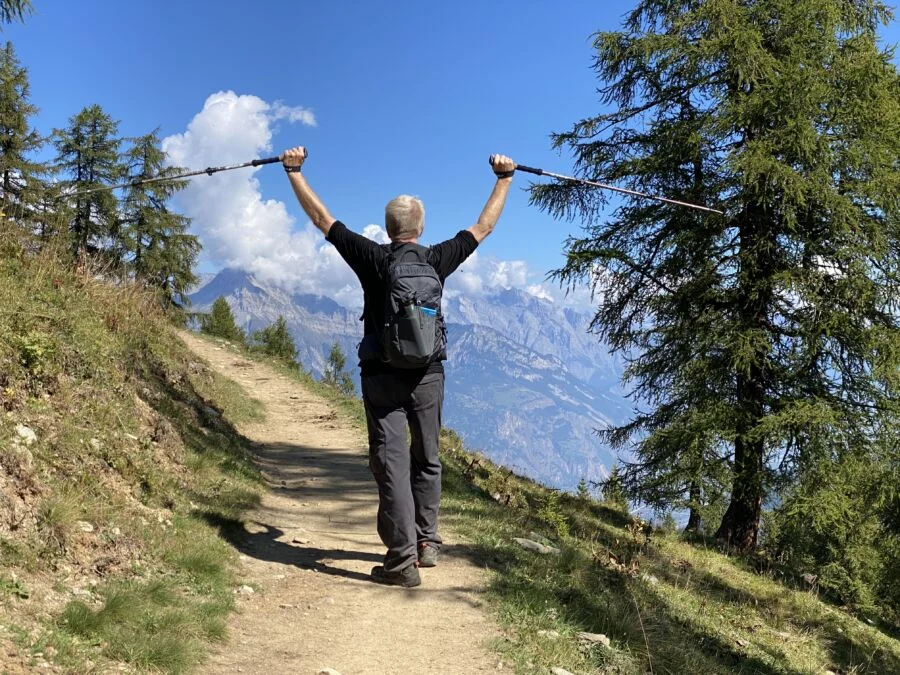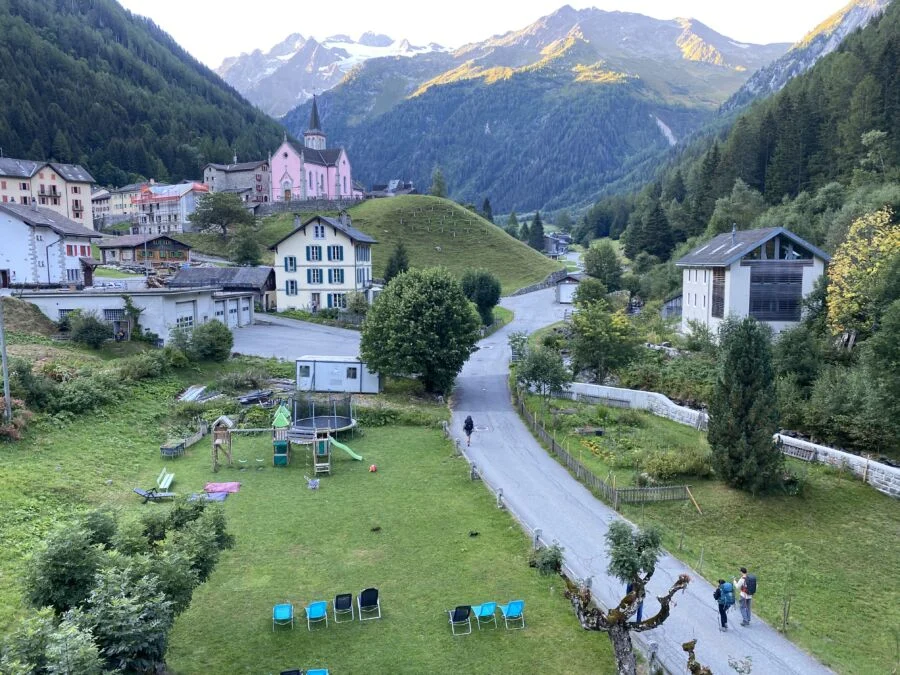
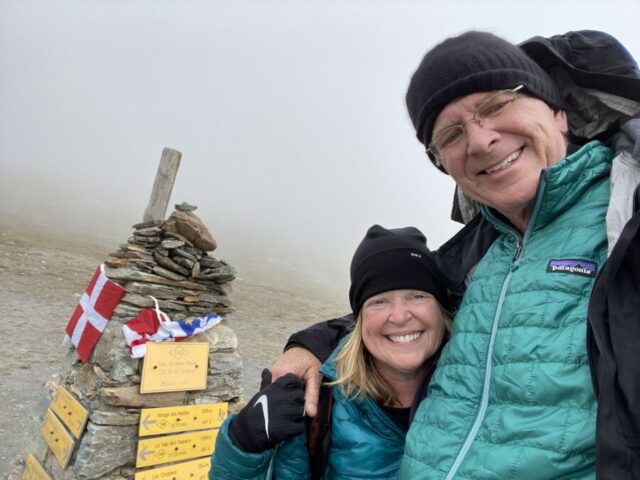
Tackling one of Europe’s most iconic alpine circuits at the age of 66 might feel to some like stepping into the role of an elder statesman within the international hiking community, but seasoned travelers and outdoor enthusiasts are increasingly proving that age is merely a number when it comes to long-distance trekking. Earlier this fall, travel writer and broadcaster Rick Steves set out alongside his companion, Shelley, to complete the renowned Tour du Mont Blanc (TMB). Traversing the majestic alpine landscapes that weave through France, Italy, and Switzerland, Steves discovered that while the trail demands respect, preparation, and physical effort, it remains entirely achievable for any reasonably fit individual. In fact, the paths were populated by numerous hikers older than himself, challenging preconceptions about the physical limits of aging travelers.
For complete novices embarking on a journey of this magnitude, being proactive about health, safety, and physical conditioning is paramount. Steves noted that preparing for the demands of the TMB requires a thoughtful approach to gear, nutrition, and daily maintenance. Rather than jumping onto the trail unprepared, he and Shelley immersed themselves in the intricacies of outdoor equipment, effectively transitioning into what he affectionately described as "gear geeks."
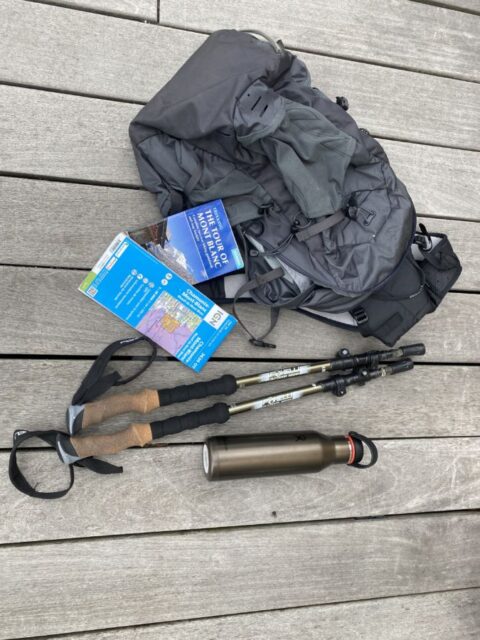
Investing in high-quality equipment proved to be one of the most critical decisions of the expedition. The duo secured reliable day packs from Osprey and outfitted themselves in specialized woolen apparel, including socks, underwear, and shirts, which excel at moisture-wicking and temperature regulation in rapidly shifting mountain climates. Among the wardrobe choices, a simple wool cap emerged as an unexpectedly vital asset during chilly alpine stretches. On the trail itself, proper footwear and foot care accessories—such as durable hiking boots, liner socks, anti-friction powders, and moleskin for sensitive areas—formed the first line of defense against the physical toll of continuous trekking.
Beyond clothing, several gear investments initially met with skepticism quickly proved their worth over days of sustained exertion. A durable metal water bottle, though grumbled about at first due to its steep forty-dollar price tag, soon demonstrated its immense value in an environment where reliable hydration is non-negotiable. Similarly, a simple daily ration of trail mix provided a dependable source of quick energy during grueling ascents.
The unpredictable nature of alpine weather also dictated much of the experience. Steves reflected that if severe weather had rolled in with heavy rains, the scenic route could have quickly transformed from an exhilarating adventure into an unpleasant and genuinely hazardous undertaking. In such terrain, reliable hiking poles are indispensable. Even under ideal weather conditions, navigating the uneven, rocky paths without a trusted set of poles would have carried a constant risk of missteps and stumbles.
Physical maintenance on the trail extended well beyond hardware and clothing into daily habits of nutrition and body care. Dietary choices directly impacted performance on the mountain; on the single morning when breakfast lacked adequate protein, the subsequent climb proved noticeably more arduous. Sun protection also demanded constant vigilance, remaining a priority even under overcast skies where ultraviolet rays can easily deceive the unwarned trekker.
Drawing from lessons learned on previous long-distance excursions, Steves made a deliberate choice to prioritize stretching from the very first day of the Tour du Mont Blanc. Establishing a consistent routine consisting of six distinct stretches, integrated regularly throughout the day, prevented muscles from tightening up under the strain of continuous climbing and descending.

Managing physical vulnerability also meant paying close attention to early warning signs of injury rather than attempting to push through discomfort. By carefully monitoring friction points and applying protective padding at the first sign of hot skin, the journey was completed almost entirely blister-free, save for a single blister that materialized purposefully during the final two hours of the trek.
Ultimately, the combination of reliable equipment, proactive health management, disciplined stretching, and a measured pace allowed the pair to successfully navigate the demanding alpine circuit. Steves planned to share further photographs, stories, and practical insights from the Mont Blanc expedition during an upcoming edition of Monday Night Travel, inviting travelers to join the conversation through the online educational series.