Just over four months into the phased implementation of the European Union’s new Entry/Exit System (EES), the initial data and on-the-ground experiences are providing critical insights into the future of border management. As the EU transitions toward a more digital, automated approach to securing its external frontiers, the project stands as an ambitious reform designed to replace outdated manual passport stamping with a sophisticated, unified digital framework. While the long-term vision is one of seamless travel and enhanced security, the path to full implementation has revealed significant operational hurdles that require urgent attention.
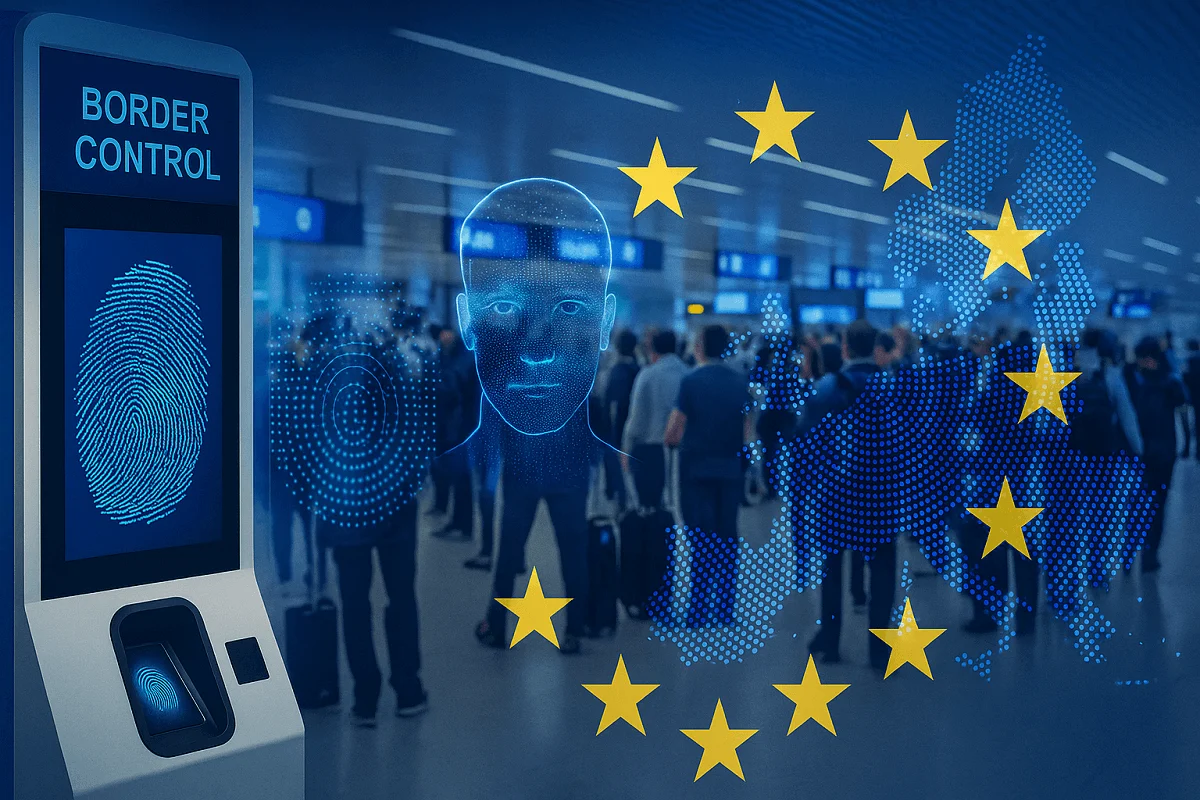
The EES is a fundamental component of the EU’s strategy to modernize the management of its external borders. By replacing the traditional ink-on-paper stamp with an automated digital record, the system tracks the entry and exit of all non-EU nationals traveling to the Schengen Area. This zone, which encompasses the vast majority of EU member states alongside Iceland, Norway, Liechtenstein, and Switzerland, is one of the most traveled regions in the world. Under the new protocol, travelers are required to provide biometric data—specifically fingerprints and facial images—which create a permanent digital record that can be referenced and reused for future journeys.
The necessity for such a system is underscored by sheer volume. With non-EU nationals expected to make approximately 220 million external border crossings annually by 2026, and that figure projected to climb to 260 million by 2029, the case for automation is not merely beneficial—it is an operational necessity. Without a digital, scalable solution, the existing manual infrastructure would eventually reach a breaking point, hindering both the flow of commerce and the security of the continent.
From the perspective of those tasked with building the architecture of European digital security, the goal is clear. Having led eu-LISA, the EU agency responsible for developing and managing large-scale IT systems for border management, migration, and internal security, I remain confident that once the EES is fully operational, it will deliver a quantum leap in border efficiency. By providing more reliable identity checks and reducing the risk of identity fraud, the system is designed to facilitate faster, more secure border crossings for third-country nationals. However, the bridge between the current, often chaotic transition phase and the desired "steady state" of seamless operation is a complex task that requires careful management and strategic adjustment.
To mitigate risk, the rollout has been executed in carefully calibrated phases. Starting in October of last year, Member States were mandated to register 10 percent of third-country nationals crossing the EU’s external borders. On January 9, that threshold was increased to 35 percent. Even at the lower 10 percent threshold, however, the system began to face friction, with reports of significant disruption emerging from major transit hubs.
The impact has been most visible in the airport environment. Airport Council International (ACI) Europe has documented significant increases in border processing times, with some airports reporting queues stretching for several hours. Estimates from the organization suggest that overall processing times have risen by as much as 70 percent. The primary bottleneck is the enrollment of biometric data, which requires travelers to interact with self-service kiosks before they reach a border officer. When these kiosks are unfamiliar, unavailable, or suffer from technical outages, the resulting delays escalate rapidly. ACI Europe has issued clear warnings that if current operational patterns continue, the situation could deteriorate further as the percentage of travelers required to register continues to rise toward full capacity.
It is important to view these challenges within the context of large-scale technological integration. Integrating new, high-stakes software into existing, decades-old bureaucratic procedures is rarely seamless. Staff must adapt to new workflows, and travelers, who are accustomed to legacy processes, need time to familiarize themselves with the new requirements. In the short term, these necessary adjustments often temporarily offset the very efficiency gains the system is designed to produce.
In response to the mounting pressure, various industry groups have urged border authorities to utilize contingency measures. These include suggestions to limit the frequency of checks or even to temporarily suspend the EES during peak travel periods to clear massive backlogs. While such measures offer a necessary "safety valve" to provide immediate relief to frustrated travelers and overburdened airport staff, they are at best a stopgap. They do not address the systemic cause of the congestion.
The solution, rather than retreating from the technology, is to rethink where the administrative burden of the border crossing takes place. Currently, the system is designed in a way that forces the most time-consuming steps—biometric enrollment and identity verification—to occur at the very moment of crossing the border. This is precisely the point where congestion is most costly and difficult to manage.
A more practical, achievable, and forward-thinking strategy would be to allow travelers to complete the pre-enrollment process before they arrive at the border. By moving the registration phase away from the terminal, authorities could significantly alleviate the pressure on border infrastructure. A ready-made, global network exists to facilitate this: the system of visa application centers (VACs), particularly those operated by experienced external service providers such as VFS Global.
These centers are already globally equipped to handle the secure collection of alphanumeric and biometric data at scale. They provide controlled, professional environments with trained staff who can offer expert guidance to travelers. Leveraging this existing infrastructure would not only ensure high data quality but also provide a predictable service delivery model that is currently absent from the high-stress, high-volume environment of an international airport. By shifting this administrative weight, we can transform the border crossing from a bureaucratic hurdle into a streamlined, high-tech procedure.
The benefits of pre-enrollment are multifaceted. First, it would drastically reduce the time spent at border checkpoints, effectively eliminating the risk of massive, systemic queues. Second, it would ease the workload on border guards, allowing them to shift their focus away from the rote task of registration and back toward their core competencies: security, risk management, and the protection of the Schengen Area. In an era of heightened global security concerns, the redeployment of these highly trained professionals toward analytical and security-focused activities is a vital, yet often overlooked, strategic imperative.
Critically, this is an entirely feasible evolution of the current policy. The legal framework governing the EES does not provide rigid, granular guidance on how Member States must organize the pre-enrollment process. Instead, it provides the necessary flexibility for individual nations to decide on their preferred channels, whether through mobile applications or physical facilities in third countries.
The concept of public-private partnership in this sector is far from new. When the role of biometrics became essential to the EU’s visa issuance policy, the sheer volume of applicants created a massive strain on consular resources. To solve this, governments turned to external providers to assist with the non-judgmental administrative aspects of the process, including the collection of identity data and the secure transmission of information to national systems. Today, this collaboration is an integral part of the EU’s visa ecosystem, having effectively eased staffing, infrastructure, and financial pressures while maintaining a high standard of security and process integrity.
The EES represents a historic step forward in the modernization of the Schengen Area. By improving record-keeping and compliance, it sets the stage for a more automated and secure future. However, the ultimate success of this initiative depends on operational choices that balance the necessity of security with the goal of facilitation.
As we look toward the full deployment of the system, currently scheduled for April 10, the strategic utilization of existing VAC infrastructure offers a proven, practical path to avoid the bottlenecks that have hampered the early rollout. By streamlining the biometric enrollment process through these established channels, we can reduce congestion at checkpoints, enhance the experience for the millions of people who visit the EU each year, and, most importantly, empower our border authorities to focus on the security and operational oversight that keeps the Schengen Area safe. Achieving these objectives will ensure that the Entry/Exit System fulfills its promise of being an efficient, reliable, and secure cornerstone of European border management for years to come.