
For generations, travelers heading to Europe faced a familiar and often frustrating ritual upon arrival: hunting down a local storefront to purchase a physical SIM card, juggling tiny pieces of plastic, and risking the loss of their home-country SIM. Today, however, the landscape of international mobile connectivity is undergoing a quiet revolution. With the growing prevalence of embedded electronic SIMs—commonly known as eSIMs—travelers can seamlessly connect to European mobile carriers directly from their devices without ever installing a physical card. While these digital plans offer unprecedented convenience, transitioning to virtual mobile data comes with specific nuances that travelers should understand before departure.

The shift toward eSIM technology is largely driven by the practical demands of modern European travel. Relying on public Wi-Fi networks across major European cities has proven increasingly difficult and unreliable for travelers attempting to navigate unfamiliar streets or manage logistics on the go. Furthermore, the contemporary European infrastructure relies heavily on continuous high-speed mobile data. From digital train tickets and real-time public transportation updates to interactive restaurant menus accessed via QR codes, ridesharing apps, and cashless mobile payments, maintaining a reliable data connection is no longer just a luxury—it is an essential component of navigating daily life abroad.

While domestic mobile providers in North America and Australia offer international data options, these traditional plans frequently present significant drawbacks. Major carriers often charge steep daily fees, such as ten dollars per day, or impose restrictive data caps that throttle speeds to sluggish levels after a minimal usage threshold is met. By contrast, prepaid eSIM data plans offered by third-party providers can cost a fraction of traditional carrier roaming packages, typically averaging between two and five dollars per day.
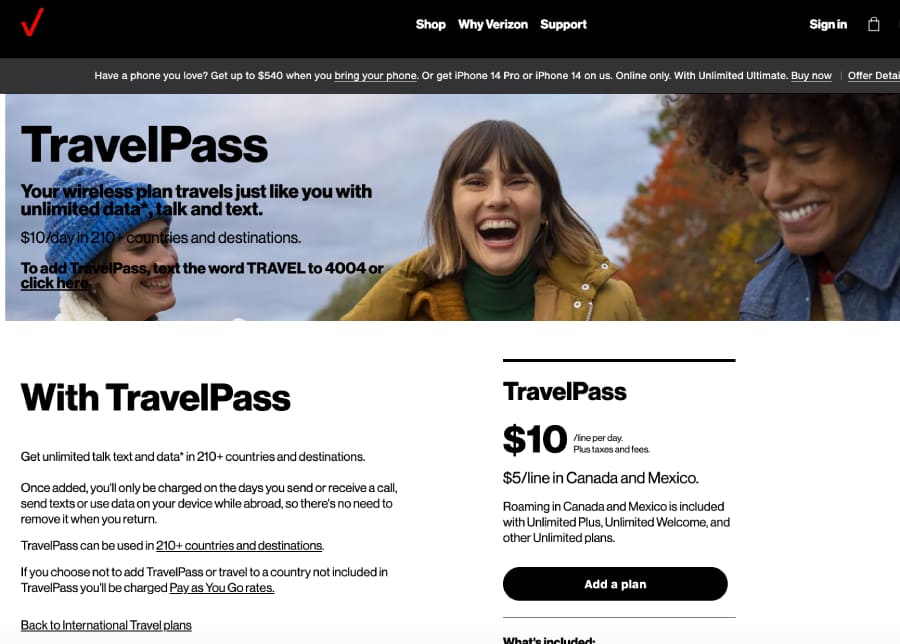
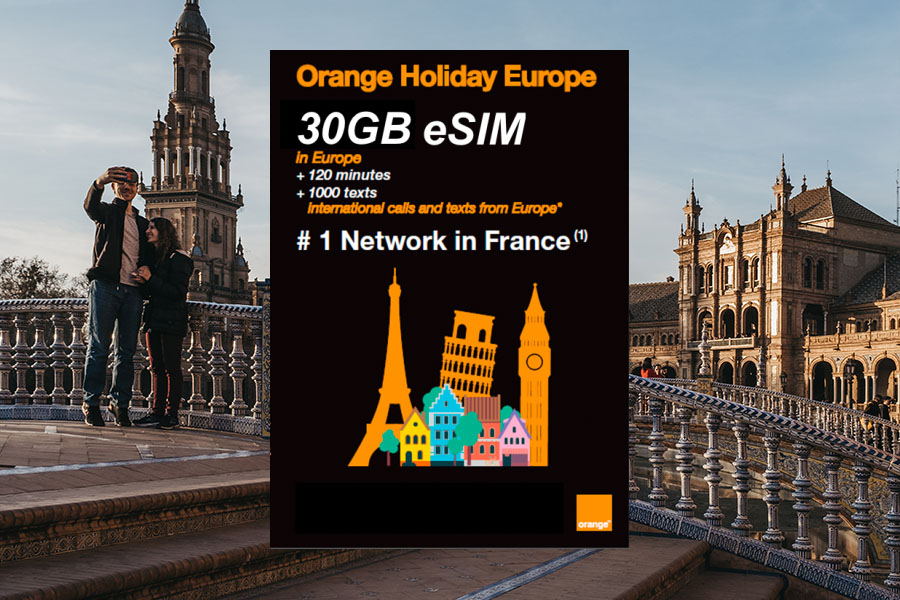
Several prominent providers currently dominate the European eSIM market, each offering distinct advantages depending on a traveler’s duration and data consumption habits. Holafly, a well-established Europe-based company, specializes in unlimited data plans with flexible durations ranging from one to ninety days, making it an appealing option for those who prefer not to calculate exact data limits. Meanwhile, SimOptions serves as an official retailer for major European telecommunications heavyweights such as Orange, Bouygues Telecom, and O2, offering substantial data packages ranging from ten to seventy gigabytes. Several of these carrier-backed plans also include a legitimate European phone number, which can be useful for making local voice calls.

A major advantage for travelers touring multiple European destinations is the regulatory framework governing the European Union, which outlawed mobile data roaming fees across member states. This means a prepaid eSIM purchased through a French carrier, for instance, functions seamlessly in Italy, Germany, Spain, and Poland. However, travelers must remain mindful of regional exceptions. Because the United Kingdom and Switzerland are not members of the European Union, coverage policies vary by provider, requiring users to verify whether a specific plan extends to those countries.
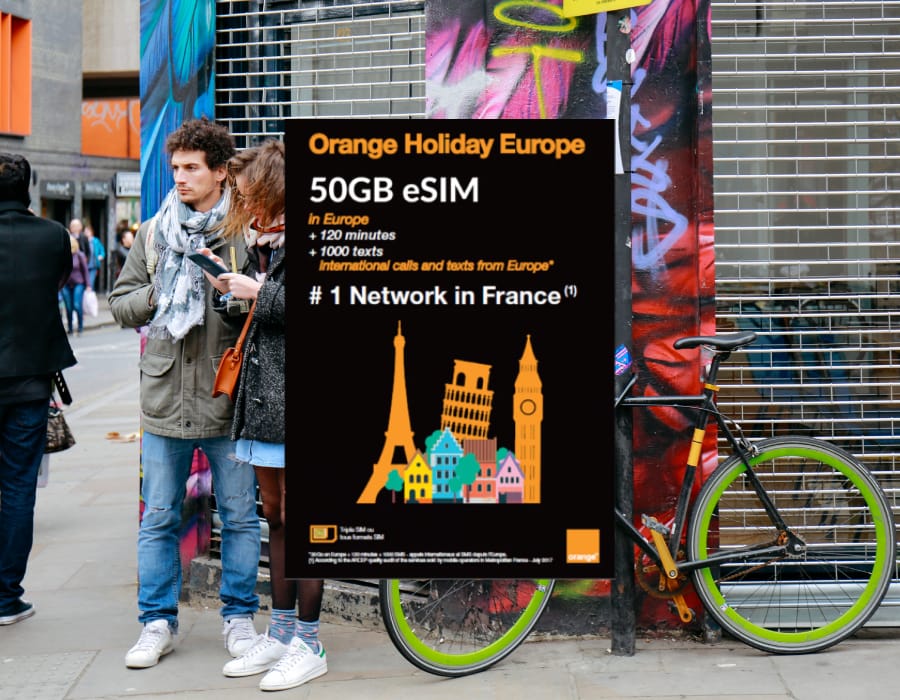
Beyond cost and coverage, the fundamental architecture of the eSIM offers distinct mechanical benefits. Because the technology is entirely digital, travelers can purchase and pre-install their data profiles before leaving home, eliminating shipping fees and the need to physically swap out SIM cards using specialized tools. Furthermore, many modern smartphones support dual-SIM functionality, allowing users to keep their domestic physical SIM active while simultaneously running an international eSIM. This capability ensures that critical home-country communications, such as two-factor authentication codes and banking fraud alerts, continue to arrive uninterrupted.

Compatibility has also expanded rapidly. Essentially all iPhones manufactured since 2019 support eSIM technology, and models sold in the United States from the iPhone 14 onward have removed the physical SIM card slot entirely in favor of dual eSIM capability. Similarly, nearly all major Android devices released since 2020 include built-in eSIM compatibility, lowering the technical barrier for the average consumer.
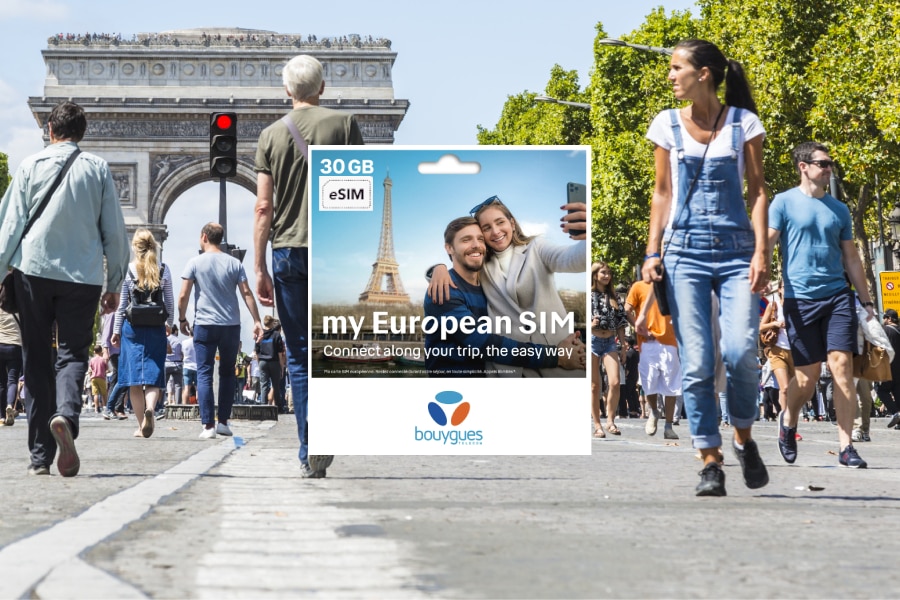
Activating an eSIM plan is a relatively straightforward process, particularly with recent software updates from major operating systems that streamline automatic installation. Travelers typically purchase their plan online prior to departure, receive a QR code via email, and use it to install the carrier’s digital profile. Industry experts advise against fully activating the service until arrival in Europe, as validity periods—typically ranging from fourteen to thirty days—begin ticking down the moment activation is complete. Once the traveler arrives at their destination, the device connects to the local network within minutes.
To maximize the value of an eSIM plan abroad, experienced travelers recommend a few pragmatic strategies. Ensuring a smartphone is unlocked by the domestic carrier prior to travel is a mandatory first step, as carrier-locked devices will reject foreign network profiles. Additionally, monitoring data consumption by restricting background app refreshes, utilizing offline mapping features available through navigation applications, and leaning on Wi-Fi networks for heavy data tasks can prevent unexpected depletion of data allowances. Carrying a portable battery charger is also widely recommended, as continuous GPS usage and mobile data consumption tend to drain smartphone batteries quickly during long days of sightseeing.