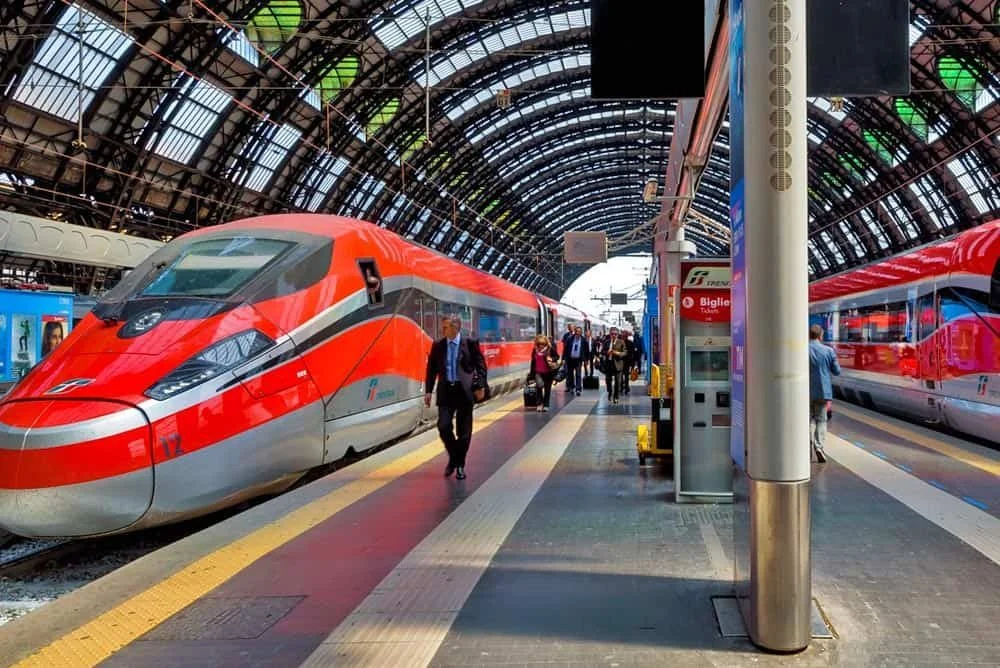
Traveling by train across Europe has long been regarded as the quintessential way to tour the continent. It combines efficiency and comfort with a sense of romance and inspiration that other modes of transportation rarely match. For travelers unfamiliar with rail-dominant transit systems, however, navigating European trains can occasionally feel mysterious. Understanding the nuances of scheduling, ticketing, and station navigation is essential for anyone planning a seamless journey abroad.
The Pros and Cons of Europe Train Travel
Evaluating the advantages and disadvantages of rail transit is the first step in planning any European itinerary. Riding the train offers numerous benefits that appeal to both budget-conscious backpackers and seasoned tourists. Chief among these advantages are comfort, scenic views, and the ability to arrive directly in city centers rather than distant airports. Trains also generally offer more generous baggage allowances and greater freedom of movement compared to budget airlines.
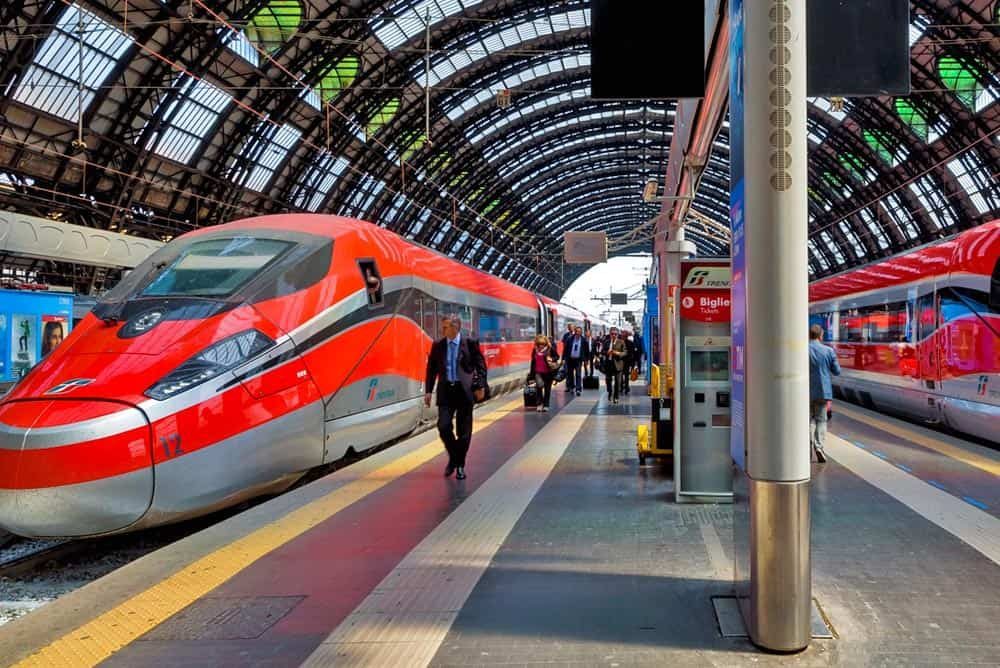
At the same time, train travel is not without its drawbacks. Potential challenges include navigating complex station layouts, managing variable ticket pricing, and dealing with occasional delays or cancellations. Furthermore, while Western Europe boasts extensive and modern high-speed networks, some regions require careful pre-planning to secure affordable fares or necessary seat reservations.
Pre-Trip Train Journey Planning
Effective pre-trip planning can significantly reduce the stress of international rail travel. Several online resources assist travelers in mapping out their routes, comparing transit options, and understanding complex schedules.
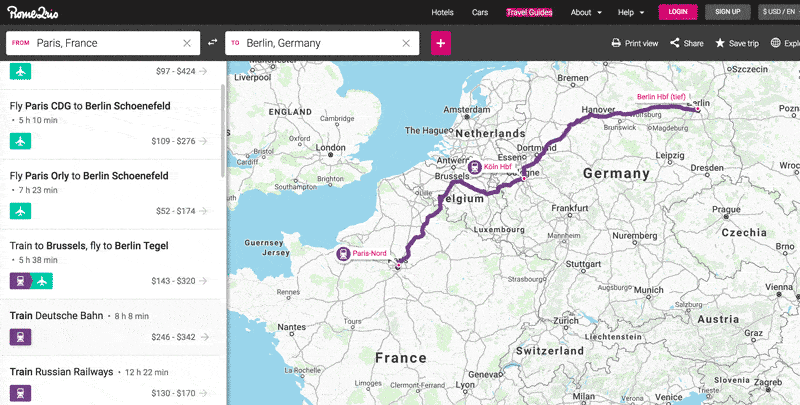
Platforms such as Rome2Rio allow users to plug in starting points and destinations to compare train routes alongside bus, plane, and car options, complete with cost estimates and travel times. For more comprehensive train listings and competitive ticket prices, travelers frequently turn to dedicated booking engines like Omio and Trainline. Additionally, the German Railways website, Bahn.de, is widely recognized for housing schedules for virtually every train across Europe, making it an invaluable tool for piecing together complex journeys and identifying mandatory seat reservations, even if final bookings must be completed elsewhere.
How to Buy European Train Tickets
Purchasing train tickets in Europe requires an understanding of how different national rail systems operate. Because each country manages its own national rail service—often alongside private networks—ticketing procedures can vary significantly from one border to the next.
Ticket pricing generally falls into two distinct categories: variable-price fares and fixed-price fares. Variable-price fares fluctuate based on demand, the day of the week, the time of year, and how close the departure date is. Virtually all high-speed trains utilize this model, meaning that tickets purchased at the last minute can be significantly more expensive than those bought weeks in advance. Conversely, fixed-price fares are determined solely by the distance traveled and are most common on regional and slower trains. Because fixed-price tickets never change in cost, purchasing them early offers no financial advantage.
When it comes to purchasing tickets, travelers can choose between third-party booking sites and national rail websites. Third-party platforms often provide a more user-friendly interface in English, consolidate multiple rail networks into a single transaction, and securely store electronic tickets. However, checking national railway sites directly can occasionally reveal limited-time promotional deals or domestic routes not featured on external platforms. For domestic regional trips within countries like Austria, Belgium, or the Netherlands, tickets remain the same price regardless of when they are purchased and rarely require reservations, making station purchases a viable option.
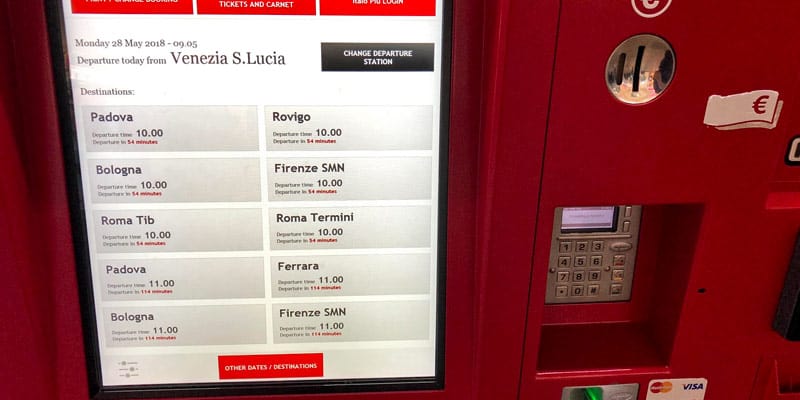
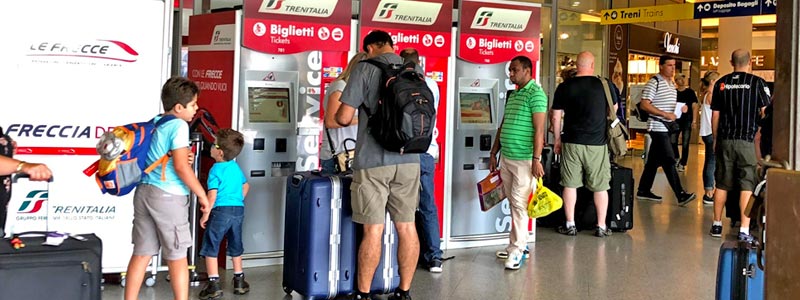
For physical tickets, travelers can utilize automated ticket machines located inside train stations, which generally feature English-language menus and help bypass long, understaffed lines at traditional ticket windows. Meanwhile, travelers visiting certain parts of Eastern Europe may find that online booking options remain limited, requiring them to purchase tickets directly at station counters or through local travel agents.
Eurail Passes
For travelers seeking maximum flexibility without the constraints of fixed itineraries, Eurail Passes offer an alternative to purchasing individual point-to-point tickets. A Eurail Pass acts as a single, comprehensive ticket allowing holders to board eligible trains across participating European networks.
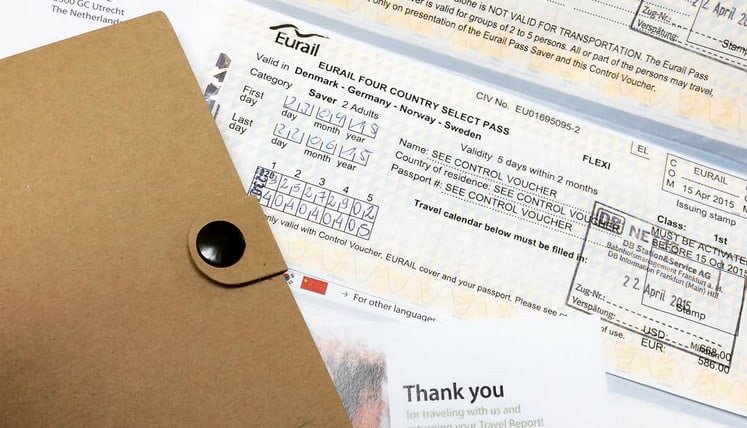
While these passes can yield financial savings depending on the extent of travel, their primary appeal lies in spontaneity. Rather than locking in non-refundable tickets months in advance, pass holders can decide on their destinations day by day. However, travelers must remain mindful of certain stipulations, as high-speed and international routes often require separate, mandatory seat reservations for an additional fee, even when using a valid rail pass.
Navigating The Train Station
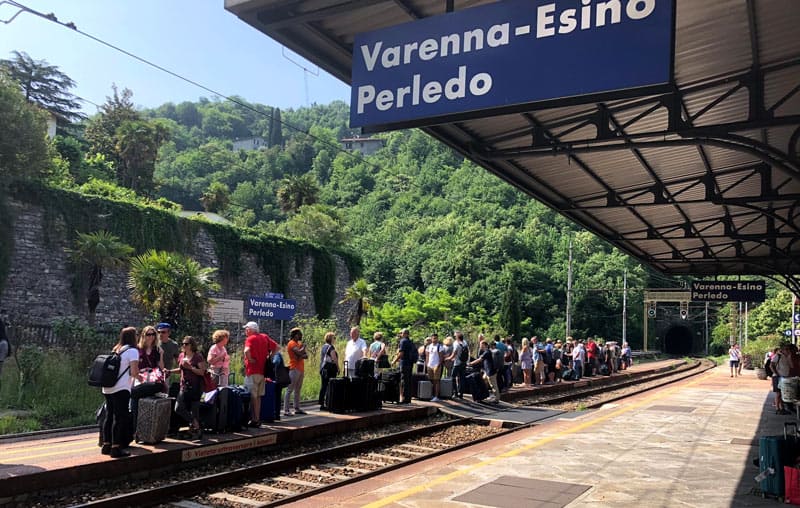
Arriving at a European train station can prove overwhelming, particularly in major metropolitan areas that house multiple transit hubs. Ensuring that you are at the correct station—such as choosing the right facility among the six options available in Paris—is the critical first step.
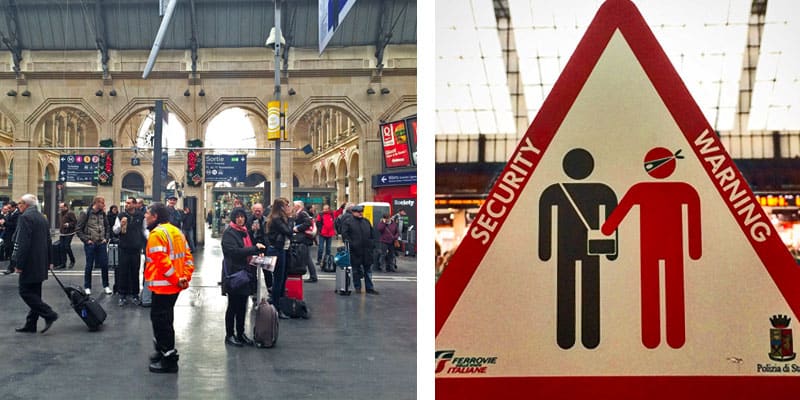
Once inside, passengers must locate the main departure boards to track train numbers, scheduled departure times, and assigned platforms. Because platform assignments are frequently withheld until 10 to 15 minutes before departure, travelers must monitor the boards closely. Station concourses also serve as hotspots for pickpockets and scammers who target distracted tourists, making situational awareness and vigilance around automated ticket machines essential.
Before boarding, passengers holding physical paper tickets must often validate them using small stamping machines located near platform entrances. Failure to validate a ticket can result in substantial fines from onboard conductors, whereas electronic tickets are generally tied to specific departure times and require no separate stamping. Once the platform is announced, locating the correct train car—particularly on high-speed services with assigned seating—ensures a smooth transition before the train departs.
On The Train
After successfully boarding, passengers can settle into their assigned or open seats and store their luggage either on overhead racks or in designated storage areas located at the ends of each car. Ticket checkers typically circulate within the first 10 to 20 minutes of departure to review physical or electronic tickets.
While onboard, travelers can enjoy the comfort of the journey, visit the dining car, or observe the changing landscape. As the trip nears its end, paying close attention to station names is vital, as larger cities frequently feature multiple stops—such as Brussels Nord followed by Brussels Centrale—ensuring passengers disembark at the correct location in the heart of the city.