Overcrowded beaches, stifling heatwaves, and streets packed shoulder-to-shoulder have long defined the midsummer experience in the Mediterranean. For many modern travelers, the peak summer months have transformed the region from a dreamy coastal escape into an exercise in endurance. Temperatures regularly climb to levels that render even a lazy afternoon lying poolside unappealing, while infrastructure struggles under the sheer weight of mass tourism.
Yet, a growing contingent of travelers is discovering that the Mediterranean is far easier to enjoy—and infinitely more authentic—when the crowds depart and the scorching sun gives way to crisp, clear weather. This shift in traveler behavior is already reshaping the tourism landscape. Demand for flights has grown so robust that all-business airline La Compagnie recently launched year-round service on its popular New York-to-Nice route, signaling a fundamental change in how people approach travel to the Côte d’Azur.
Consider this movement a return to form for the region. Long before cultural icons like Zelda and F. Scott Fitzgerald transformed the French Riviera into a glamorous summer playground during the Roaring Twenties, the coast served as a peaceful winter retreat for European royalty seeking refuge from northern chills. Today, destinations historically focused exclusively on the warm-weather season are adapting to an influx of year-round requests. Lake Como’s famed Passalacqua, for instance, recently installed an indoor pool to accommodate visitors arriving outside the traditional summer window.

For travelers eager to experience the Mediterranean without the suffocating heat and oppressive crowds, leading travel specialists suggest specific destinations and strategic timing to unlock the region’s hidden charm.
November: Jazz and Coastal Elegance in Monaco
For travelers seeking a sophisticated autumn escape, late November offers a compelling window to visit Monaco. The principality hosts the 12-day-long Monte-Carlo Jazz Festival, offering world-class performances—including a headline show by the Brand New Heavies on Thanksgiving.
Navigating the French Riviera during major events can sometimes test a traveler’s patience, but luxury travel experts have refined the arrival process. Jack Ezon of Embark Beyond recommends a seamless transit strategy: send your luggage ahead by car from Nice, and take a 15-minute helicopter ride from the airport to bypass any congestion on the coastal roads. The method yields an unexpected logistical bonus. According to Ezon, travelers can clear security directly in Monaco with virtually zero lines.
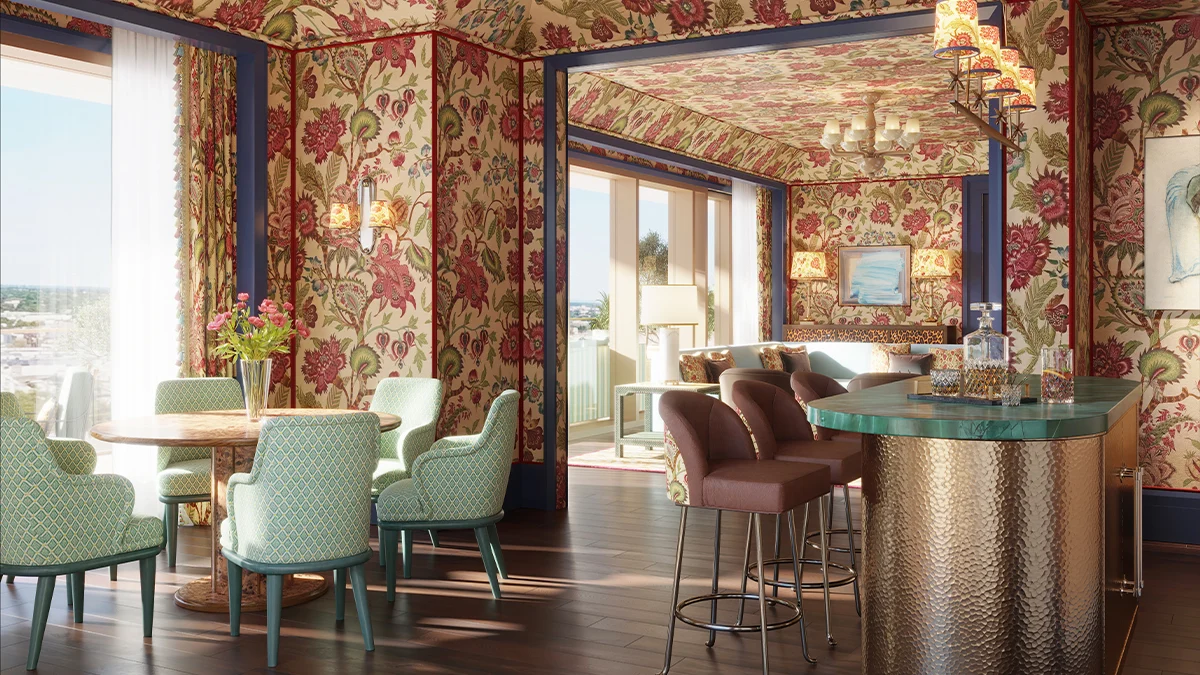
Accommodations like the Hôtel Hermitage offer a distinct advantage during this period. Ezon notes that the property strikes a balance by being both more low-key and exceptionally high-end compared to its headline-grabbing neighbor, the Hôtel de Paris. Even as late autumn sets in, the weather often remains mild enough to enjoy evening drinks on the terrace at Amazónico on the Place du Casino. True to its energetic reputation, the venue frequently morphs into a vibrant club as the evening unfolds, ensuring visitors can transition seamlessly from quiet coastal relaxation to lively nightlife.

December: Citrus Harvests and Snow-Capped Peaks in Sicily
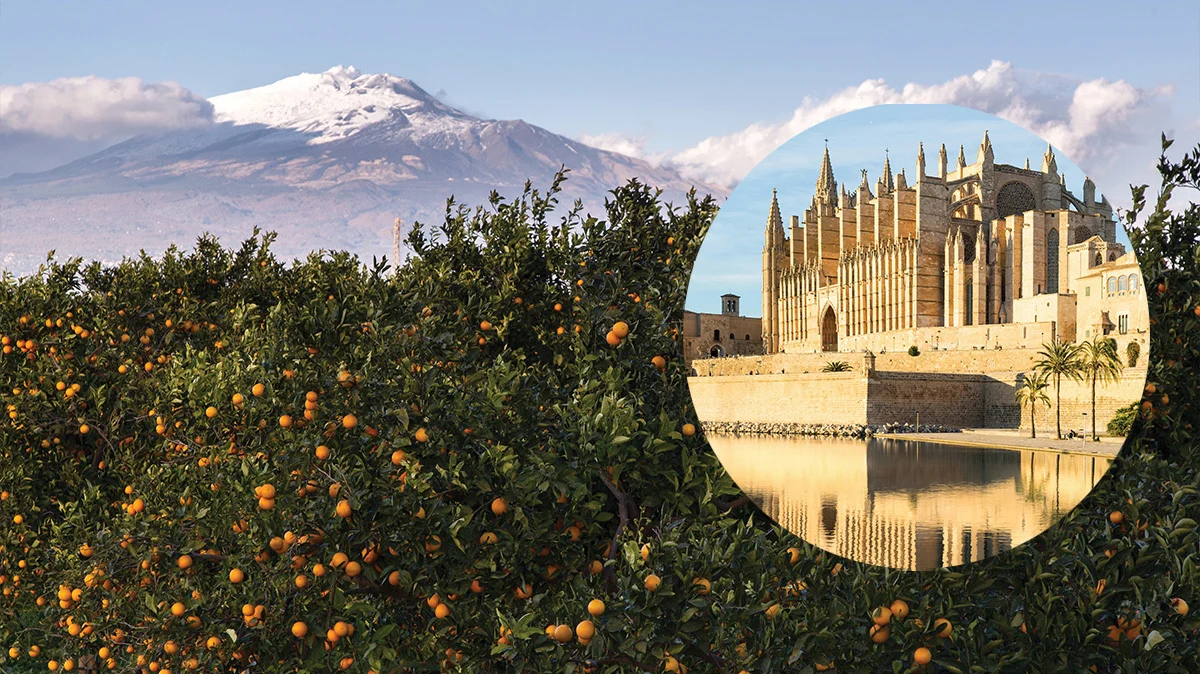
By December, Sicily reveals an entirely different personality defined by agricultural abundance and dramatic landscapes. The month marks the arrival of the island’s citrus harvest, transforming local menus with an array of fresh, vibrant varieties. Beyond the culinary bounty, visitors are greeted by spectacular views of snow-capped Mount Etna, whose northern slopes offer accessible, family-friendly ski pistes for winter sports enthusiasts.
Travelers looking to immerse themselves in the island’s quieter season can choose from a selection of luxury estates managed by The Thinking Traveller. Among them, Rocca delle Tre Contrade—a sprawling 12-bedroom villa perched on a panoramic vantage point along the east coast—stands out as a premier base for exploring the region.
Culinary exploration remains a cornerstone of any Sicilian journey, even in winter. Andrea Grisdale of IC Bellagio recommends dining at the Michelin-starred I Pupi, where chef Tony Lo Coco offers elegant interpretations of classic Sicilian staples like arancini. Alternatively, travelers can visit Kalos, a contemporary restaurant in Agrigento that pairs inventive local cuisine with sweeping, uninterrupted views over the ancient landscape of the Valley of the Temples.
January: Two-Wheeled Exploration and Coastal Fortresses in Mallorca
While much of Europe shivers through January, Mallorca has quietly emerged as one of the Mediterranean’s premier secret attractions for cycling enthusiasts. The island’s rolling countryside provides an ideal, traffic-managed training ground during the offseason, culminating late in the month with the annual Challenge Ciclista, a series of five distinct one-day races known as trofeus.

Travelers can choose to spectate alongside the professionals or tackle the routes themselves—with modern e-bikes readily available to assist with the island’s more challenging climbs. Virginia Irurita of Made for Spain & Portugal recommends booking a stay at Cap Rocat, which she describes as the top hotel on the island, if not all of Spain. Situated right on the water overlooking the Bay of Palma, the property occupies a remarkably restored historic fortress. To refuel after a day of cycling or exploring, visitors can head to Andana in Palma, a restaurant helmed by Mallorca-born Michelin-recognized chef Maca de Castro.
February and March: Festive Traditions and Historic Harbors in Crete
For those willing to look further east as winter wanes, Crete offers a compelling answer to conventional winter getaways. Ileana von Hirsch of Five Star Greece champions the island for its superior late-winter weather, noting that the absence of massive tourist crowds allows Crete to reclaim what she describes as its charming and authentic self.
Reserving a villa in Chania places travelers in a historic harbor town that remains remarkably lively even during the quieter months. When winter weather occasionally turns brisk, visitors can duck into the atmospheric Fagotto Jazz Bar, tucked away in the old town—a venue von Hirsch characterizes as dark, intimate, and deeply atmospheric.
The cultural calendar during this period builds toward Mediterranean Mardi Gras celebrations. The weeks-long approach to Orthodox Lent culminates in events like Tsiknopempti, or Smoky Thursday, which falls on March 4, offering locals and visitors alike ample opportunities to feast on traditional barbecued meats across the island.