There is a distinct, quiet liberation to booking a city break entirely for yourself. Without the need to coordinate schedules, compromise on dining venues, or negotiate a daily itinerary, the solo traveler discovers an unburdened rhythm to exploration. You can wake up whenever you wish, spend three uninterrupted hours studying a single wing of an art museum, sit in a sunlit cafe with a heavy novel, wander down an unnamed cobblestone alley simply because it catches your eye, and dine at whatever restaurant captures your fancy. There is no one asking what comes next because the decision-making power rests entirely in your own hands.
For many, the prospect of traveling alone does not begin as an innate passion. The preference is often to have a companion nearby to share the immediate excitement, the shared inside jokes, and the inevitable moments of disorientation when navigating a new urban landscape. Yet, seasoned travelers frequently learn a sobering truth: waiting for friends, partners, or family members to align their availability can mean waiting indefinitely. Operating under the realistic motto that it is better to go with someone, but better still to go alone than to never go at all, a growing demographic of travelers is embracing the freedom of independent journeys.
Urban centers offer an ideal testing ground for first-time solo travelers. Cities are naturally populated by individuals moving through spaces on their own, whether commuting, dining, or visiting cultural institutions. Entering a museum, restaurant, bar, or local market unaccompanied in a major city rarely draws a second glance. Furthermore, the sheer volume of activities available ensures that boredom is rarely a factor.
An ideal solo city break requires specific attributes: it must be easy to explore on foot or via reliable public transit, offer a rich array of daytime activities, provide a comfortable atmosphere for dining alone, and maintain enough local energy that a traveler never feels like they are simply killing time until their return flight. Above all, the journey from the airport to the accommodation must feel safe and straightforward. From gentle introductory destinations to more adventurous escapes, ten European cities stand out as exceptional choices for solo travelers seeking a meaningful getaway.
Lisbon, Portugal: Best for Your First Solo City Break
For those experiencing anxiety about taking their first solo trip, Lisbon frequently emerges as a top recommendation. The Portuguese capital strikes a rare balance, offering enough exotic energy to feel like a genuine adventure while remaining remarkably easy to navigate. Visitors can spend their days wandering through historic neighborhoods, pausing at panoramic viewpoints known as miradouros, sampling fresh pastéis de nata, and resting in sun-drenched public squares without requiring a rigid, military-style itinerary.
Lisbon also caters to travelers who appreciate intermittent social interaction. The city features a robust selection of food tours, walking excursions, and organized day trips, allowing visitors to spend a few hours conversing with fellow travelers before seamlessly disappearing back into their own private schedule. Day trips to nearby coastal towns like Sintra and Cascais provide a balanced mixture of group camaraderie and independent exploration. Additionally, the availability of highly affordable ride-sharing services from the airport makes arrivals and departures remarkably stress-free. A typical solo weekend in the city might begin with morning coffee and pastries, flow into an old-town walking tour, an afternoon of boutique shopping, and culminate in a sunset view over the river followed by an atmospheric dinner.
Porto, Portugal: Best for a Relaxed and Beautiful Escape
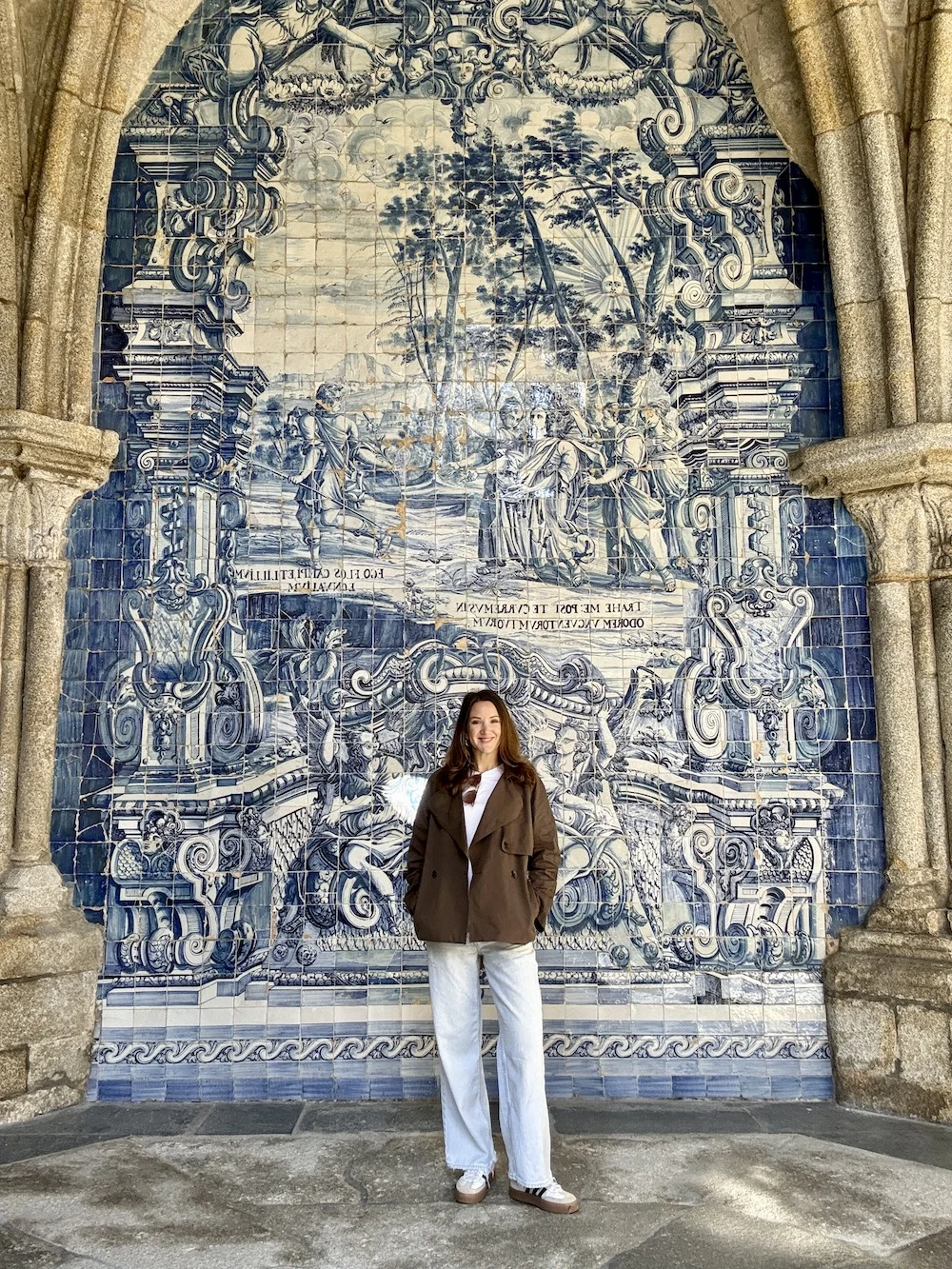
As a second strong contender from Portugal, Porto offers a gorgeous, compact urban center where a visitor can arrive with minimal planning and still enjoy a deeply rewarding experience. The historic core tumbles in a cascade of colorful buildings toward the waters of the Douro River, interwoven with beautifully tiled churches, independent shops, and intimate neighborhood bars.
Porto is particularly well-suited for travelers with an appreciation for local gastronomy and wine culture. Visitors can cross the historic bridges to Vila Nova de Gaia for a traditional port-tasting session, embark on a river cruise, or join a guided culinary tour. Crucially, Porto lacks the exhausting pressure of a city that demands to be conquered. Its charm lies in the simple act of wandering, making it an ideal destination for those who measure a successful holiday by its unhurried pace.
Nice, France: Sunshine, Glamour, and Riviera Life
Nice provides an appealing option for travelers seeking a seamless blend of urban culture, beachside relaxation, and Mediterranean style. Benefiting from numerous short, inexpensive flight routes and an efficient local tram system, Nice welcomes visitors with the expansive Promenade des Anglais, the vibrant historic streets of Vieux Nice, and long afternoons well-suited for outdoor cafes.
Because the city does not demand relentless sightseeing, it fits a two-to-three-night itinerary with ease. Travelers can enjoy a slow breakfast, an unhurried walk through the old town, an afternoon swim, and a quiet evening by the sea. For those seeking a brief excursion, the local railway network connects Nice easily to neighboring coastal towns such as Antibes, Menton, or the distinct glamour of Monaco. It serves as an effective destination for travelers seeking a genuine mental reset rather than an exhausting itinerary.
Copenhagen, Denmark: An Easy, Stylish Solo Break
For a wonderfully uncomplicated and highly aesthetic escape, Copenhagen represents a premier choice. Characterized by a compact layout where the city center spans barely four kilometers and major attractions sit within a twenty-minute walk of each other, the Danish capital eliminates logistical stress.
Visitors can easily rent bicycles to navigate the canals, explore colorful historic quarters, browse Scandinavian design shops, and frequent the city’s celebrated cafe culture. Frequent coffee breaks are an integral part of the local lifestyle, making solo seating arrangements feel entirely normal in a city where many patrons dine and read alone. With world-class museums, food markets, and the historic Tivoli Gardens, days fill naturally without the need for complex group organization.
Edinburgh, Scotland: Adventure Without Leaving the UK
A cross-border trip to Edinburgh demonstrates that international travel is not a prerequisite for a successful solo city break. Scotland’s capital provides a familiar cultural environment while offering a distinct sense of place through its imposing castle, atmospheric Old Town, and rugged surrounding landscapes.
Edinburgh accommodates active travelers through ghost tours, whisky tastings, and historical walking excursions, making it an excellent stepping stone for those testing their independence close to home. Successfully navigating a weekend in Edinburgh often inspires travelers to expand their horizons toward more distant destinations.
Krakow, Poland: An Affordable European Adventure
For travelers mindful of their budgets, Krakow offers a rich historical environment, a lively atmosphere, and exceptional value. The city’s magnificent main square serves as a natural anchor, while the surrounding streets and the historic Kazimierz district invite unhurried exploration.
Krakow excels in offering organized excursions that facilitate easy social contact, including day trips to nearby historical sites and salt mines. Furthermore, traditional Polish cuisine—featuring hearty soups, pierogi, and comforting baked goods—provides a warm and welcoming dining experience perfectly suited for a cooler-weather getaway.
Budapest, Hungary: Affordable Luxury and Thermal Baths
Budapest allows solo travelers to experience a level of luxury that far exceeds their actual expenditures. The city’s historic thermal baths offer an indulgent morning routine where visitors can soak in warm mineral waters without negotiating a departure time with companions. Far from feeling awkward, visiting the thermal baths alone is a common practice among locals and tourists alike.
Framed by grand architecture along the Danube River, the city combines historical landmarks like Buda Castle with a vibrant scene of ruin bars, rooftop venues, and organized evening river cruises, providing a flexible balance of solitude and social engagement.
Milan, Italy: Shopping, Spas, and Self-Indulgence
Milan rejects the notion of tourism as a checklist of dozens of daily sights, positioning itself instead as a destination for sensory experience and personal pampering. Visitors are encouraged to dress elegantly, frequent historic cafes, browse high-end boutiques, and view artistic treasures such as the Duomo and Leonardo da Vinci’s Last Supper.
With world-class urban spas, Milan transforms a standard city break into an unadulterated wellness retreat, reinforcing the principle that solo travel can exist purely for the sake of enjoyment rather than personal challenge.
Reykjavik, Iceland: A Proper Natural Escape
For those whose ambitions extend beyond urban streets, Reykjavik serves as the gateway to a much grander adventure. While the city itself remains compact and manageable, it provides immediate access to Iceland’s dramatic wilderness through organized excursions focused on whale watching, geothermal lagoons, hiking, and the pursuit of the Northern Lights.
Joining group tours in Iceland offers a reassuring structure for solo travelers, allowing them to share the experience of remote landscapes while maintaining their personal independence during their time in the capital.
Seville, Spain: Sunshine, Tapas, and a Slower Pace
Seville operates on a deliberate, relaxed schedule defined by sunlit plazas, historic courtyards, and warm evenings. The local culinary tradition of tapas aligns perfectly with independent travel, allowing visitors to order small dishes at a leisurely pace, move between multiple venues, and adapt their plans spontaneously throughout the evening.
The Freedom of the Open Itinerary
Ultimately, embracing a solo city break does not require transforming into an elite global nomad or undertaking months of remote backpacking. Starting small—perhaps booking a two-night stay a short distance from home, scheduling a single organized activity to ensure some initial social contact, and leaving the rest of the time entirely open—can be profoundly transformative.
The true value of traveling alone lies not merely in the geography of the destination, but in the realization of complete autonomy. Being able to choose the flight, select the accommodation, wake up on your own terms, and alter your plans at a moment’s notice provides an unmatched sense of personal agency. Once that freedom is experienced, the lingering question for many travelers is not why they dared to go alone, but why they waited so long to begin.