As of February 20, 2026, the landscape for international travel to France has undergone a significant transformation. In a move designed to streamline operations and combat the proliferation of unofficial, often predatory third-party services, French authorities have implemented a strictly mandatory online visa appointment system. This new protocol effectively eliminates all legacy methods of securing a slot, including walk-ins, phone-based requests, and informal booking routes, marking a definitive end to the traditional, decentralized approach to visa applications.
The French government’s decision to move to a fully digitized appointment infrastructure applies to foreign nationals globally, encompassing both short-stay Schengen visas—frequently used by tourists and business travelers—and long-stay national visas. This shift represents a direct response to persistent logistical challenges that have plagued consular services for years, most notably the overcrowding of application centers and the emergence of "slot brokers." These unauthorized entities have, in recent years, exploited high demand by seizing available appointments and reselling them at a premium, a practice that has caused significant frustration for legitimate applicants and compromised the integrity of the consular process.
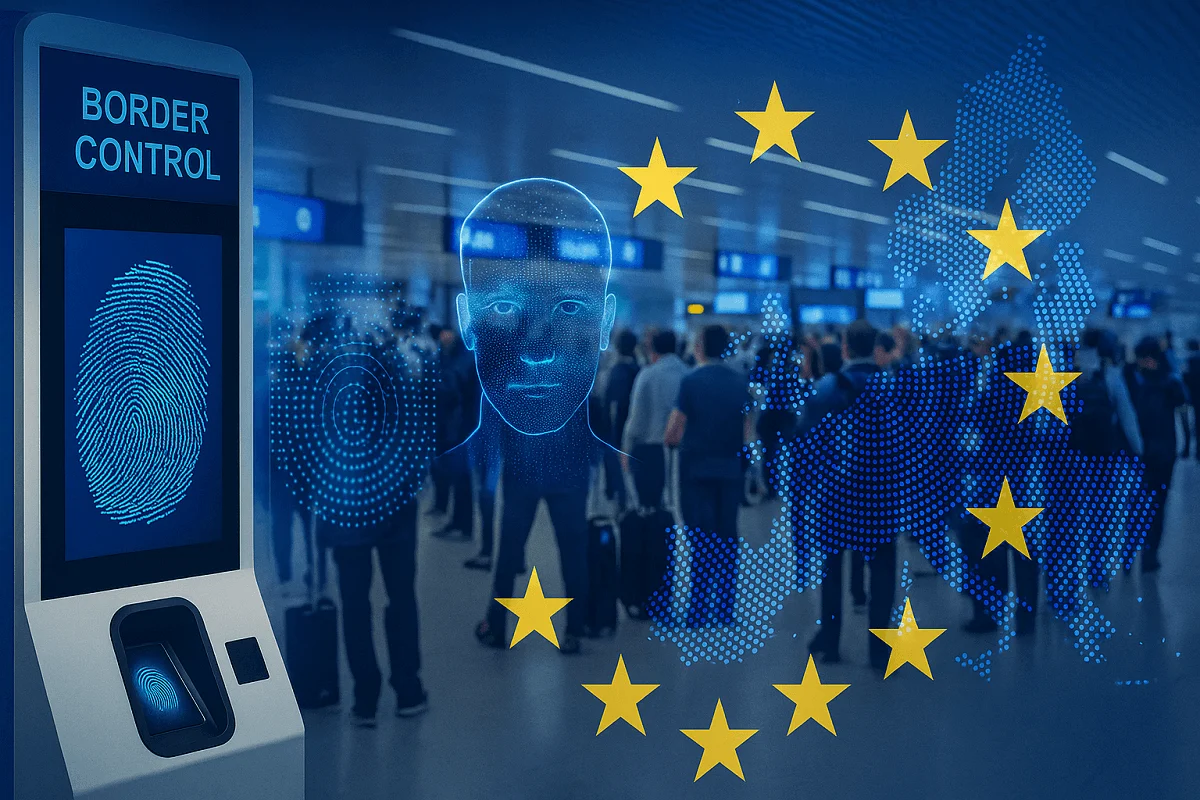
By centralizing the booking procedure, France aims to bring transparency and equity back to the application workflow. The move is not an isolated policy shift but is instead a key component of a broader, bloc-wide evolution in how European nations manage border security and identity verification. As the European Union continues to invest in advanced biometric data collection and centralized visa management systems, France’s new booking protocol aligns with a larger, continent-wide effort to create a more resilient and traceable migration and travel framework.
The Mechanics of the New Digital Workflow
The transition to a digital-first model begins at the official France-Visas portal. Before any applicant can request an appointment, they are required to navigate the "Visa Wizard" tool. This interactive, mandatory eligibility check serves as the initial gatekeeper, ensuring that travelers identify the correct visa category and verify their requirements based on their specific citizenship and travel intent. By forcing this initial self-assessment, the system reduces the number of erroneous or incomplete requests that historically bogged down consular staff.
Once eligibility is confirmed, the process shifts to the French government’s "Démarches Simplifiées" platform. Here, applicants must submit a detailed questionnaire covering the purpose of their travel, the specific duration of their stay, and their intended departure date. Officials have emphasized that precision is paramount; even minor inconsistencies or incomplete data points can result in the immediate rejection of an appointment request. This high bar for accuracy is intended to discourage "place-holding" and ensure that only serious applicants proceed through the system.
A critical nuance of this new process is that an approved request does not equate to a guaranteed appointment. Upon validation of the initial data, the applicant receives an email containing a proposed date and time. Crucially, the confirmation is not automatic. Applicants are required to respond within a strictly defined timeframe to finalize the booking. Failure to do so results in the automatic cancellation of the slot, which is then immediately released back into the pool for other travelers. While this "use it or lose it" policy is designed to eliminate the common issue of no-shows and unused capacity during peak travel seasons, it also places a significant burden on the applicant to remain vigilant and responsive to their email correspondence.
Navigating the Appointment Process and Biometric Requirements
Securing an online slot is merely the first hurdle in a multi-stage process. Once an appointment has been successfully confirmed, the applicant is still required to attend a personal visit. Whether at a French consulate or a designated visa application center, the physical presence of the applicant remains non-negotiable. This in-person stage is where the substantive work of the application is conducted: the submission of comprehensive supporting documentation, the payment of all applicable visa fees, and the collection of biometric data.
Biometric requirements, which typically include fingerprints and a digital photograph, are central to the security of the Schengen area. While there are provisions for returning travelers—specifically those who have provided biometric data within the last 59 months—the exemption is not guaranteed. Whether a previous digital footprint is sufficient to bypass a new collection is ultimately at the discretion of the consular officer conducting the file review. Travelers should be prepared for the possibility of full biometric processing regardless of their prior travel history, as local security conditions and internal protocols can override general guidelines.
For the international traveler, the most vital takeaway is that the convenience of an online request does not circumvent the necessity of the physical interview. The digital platform serves as the administrative front-end, but the fundamental security checks remain grounded in the face-to-face interaction at the consulate. The system is designed to ensure that by the time an applicant reaches the front of the queue, their data has already been vetted and their appointment is verified, thereby reducing the time spent at the counter and improving the efficiency of the overall process.
Addressing Systemic Challenges and Security Concerns
The impetus behind this change is twofold: internal administrative efficiency and the broader modernization of European security architecture. By standardizing the booking process, France is attempting to neutralize the influence of third-party organizations that have historically manipulated appointment availability for profit. These unauthorized intermediaries have long been a thorn in the side of European immigration authorities, creating artificial scarcity that forced many travelers into unnecessary, costly, and sometimes fraudulent arrangements.
This digital pivot is deeply interconnected with the ongoing evolution of the Visa Information System (VIS), which serves as the backbone for managing visa applications and identity checks across the Schengen area. The EU is currently in the process of integrating large-scale biometric data collection systems that allow for more sophisticated, real-time tracking of movement across the bloc’s external borders. As these databases become more interconnected, the ability to "game" the system becomes significantly more difficult, and the requirement for authenticated, digital-first interactions becomes a security imperative.
In light of these developments, official channels are urging extreme caution. Reports from across the globe highlight the persistent presence of "guaranteed appointment" scams, where fraudulent websites or individuals promise to bypass the official queue for a fee. Applicants are being strongly advised to ignore any third-party solicitations and to rely exclusively on official government portals.
As the new system settles in, the primary recommendation for travelers is proactive planning. The removal of walk-in options means there is no longer a "safety net" for those who fail to secure a slot through the online portal. Prospective travelers are encouraged to map out their travel timeline well in advance, ensure their email accounts are monitored for confirmation notices, and strictly adhere to the guidelines provided by their local French consulate. By shifting to a standardized, traceable, and fully digital booking environment, France is signaling a new era of visa management—one where accessibility is tied directly to the integrity of the application process.