Cambodia’s energy landscape is caught in a profound paradox. Even as the nation officially pledges to pursue cleaner energy pathways and curb carbon emissions on the international stage, fossil fuels—specifically coal—remain deeply embedded in its long-term power development plans. Across provinces like Oddar Meanchey and Sihanoukville, multi-megawatt coal-fired power plants and their supporting infrastructure tell a complex story of delayed construction, economic ambition, and escalating environmental concerns.
From dormant building sites in the country’s northern reaches to active industrial hubs along the southern coast, the reality of Cambodia’s energy transition reveals a stark gap between high-level diplomatic commitments and ground-level execution. While international climate advocates urge developing nations to phase out coal dependencies, local economic pressures and existing contractual pipelines continue to drive a heavy reliance on thermal power.

The Stalled Promise of Oddar Meanchey
In Cambodia’s northern Oddar Meanchey province, one of the country’s newest proposed coal-fired power plants has sat largely dormant for more than a year. The sprawling site of the 265-megawatt Han Seng coal power plant, surrounded by sprawling fields of cassava and other rural crops, missed its targeted deadline to come online last year. When reporters visited the remote area at the end of June, the construction site was conspicuously silent.
Just down the road from the stalled power plant project, however, the Yun Khean coal mine was operating under business as usual. Heaps of dark earth and raw materials from the active mine stood in stark contrast to the surrounding farms and forest, operating with the lingering hope that the facility would eventually supply fuel to the neighboring power station.
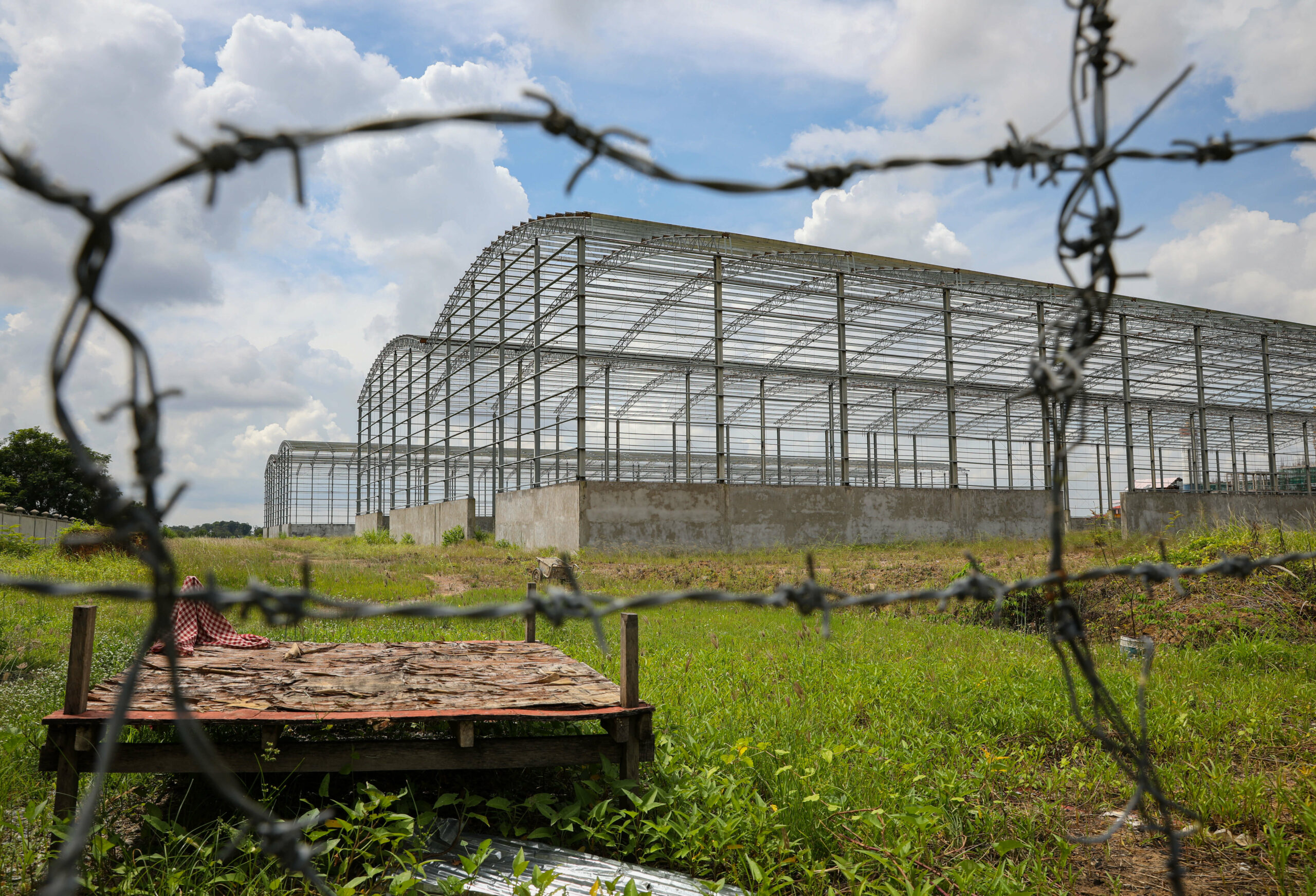
Despite the operational stagnation at the main construction site, local residents and regional observers remain wary of the project’s long-term implications. The proximity of the mine and the semi-built plant to agricultural communities underscores the tension between rural livelihoods and heavy industrial expansion in Cambodia’s frontier provinces.
Navigating International Climate Commitments
Cambodia’s cautious approach to phasing out fossil fuels comes at a critical juncture for global climate policy. Following high-profile international pledges, including commitments made at UN climate summits, developing nations across Southeast Asia face intense pressure to align their national grids with the targets of the Paris Agreement.
Independent research organizations, including the Centre for Research on Energy and Clean Air (CREA), have closely monitored Cambodia’s energy sector trajectories. According to CREA analysts, while the Cambodian government has made notable strides in expanding renewable energy sources, such as solar and hydropower, the continued pipeline of coal infrastructure threatens to lock the country into decades of high greenhouse gas emissions.
Energy experts point out that transitioning away from coal involves navigating complex financial agreements, power purchase contracts, and state-backed investments that were cemented years prior. For growing economies like Cambodia, ensuring a stable and affordable baseload power supply remains a primary driver behind the hesitation to abruptly cancel established thermal projects.

Regional Realities and the Cost of Baseload Power
Energy analysts tracking the region emphasize that Southeast Asia’s rapidly expanding economies face unique infrastructure hurdles. Zulfikar Yurnaidi, an energy specialist, notes that balancing rapid gross domestic product (GDP) growth with decarbonization goals is a formidable challenge for emerging markets.
When capital investments are tied up in multi-year fossil fuel infrastructure, shifting gears requires substantial financial backing and international support, akin to the Just Energy Transition Partnerships (JETPs) observed in neighboring nations like Indonesia and Vietnam. Without comparable financial mechanisms and transition grants, regional stakeholders argue that expecting developing economies to completely forego affordable baseload power generation is economically unviable.
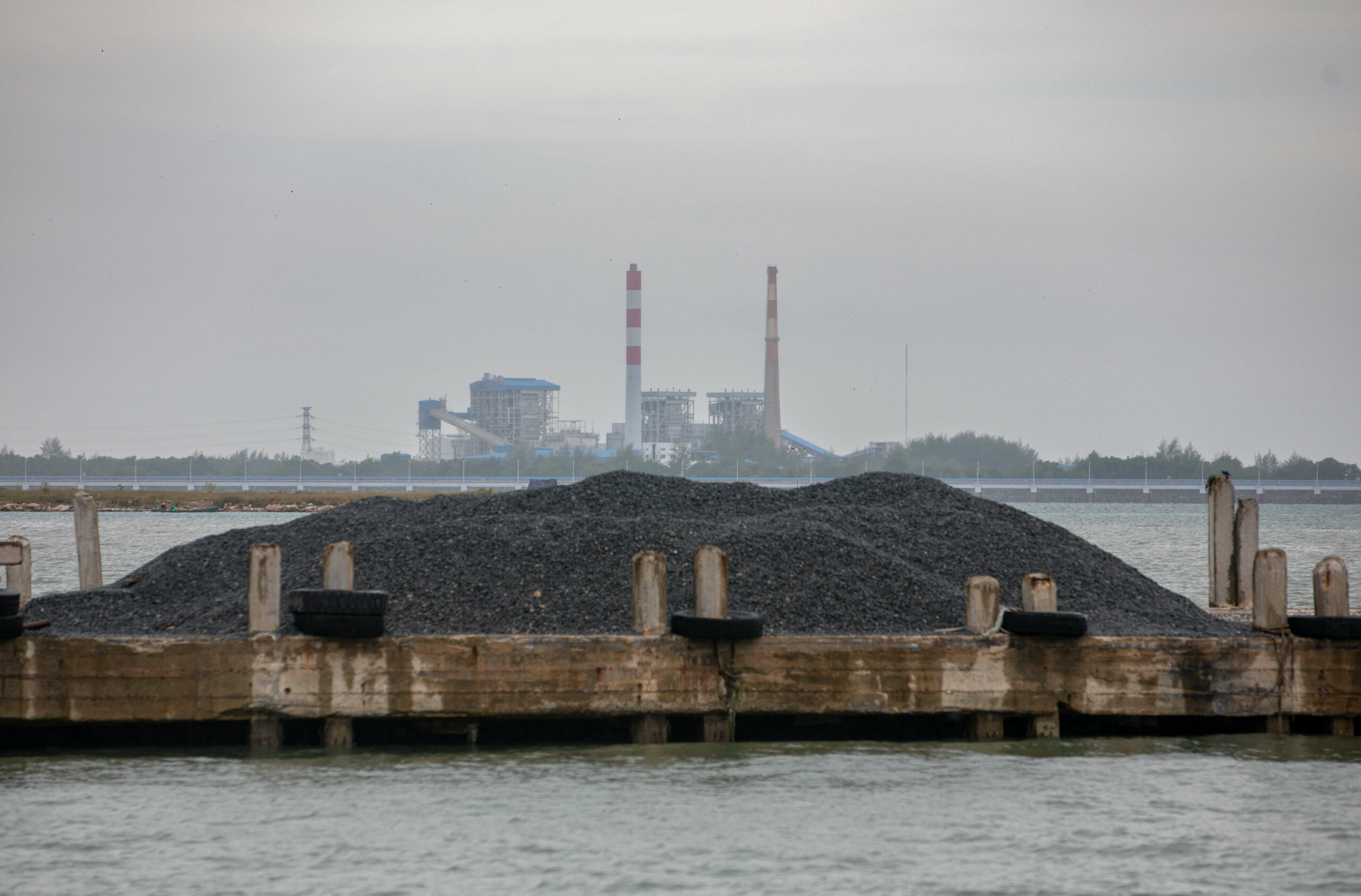
Furthermore, studies linking heavy reliance on coal with public health risks—such as increased incidences of respiratory illnesses and lung cancer—add an urgent human dimension to the debate. Communities residing near major industrial corridors, such as those in Sihanoukville’s Steung Hav district, frequently bear the brunt of localized air and water pollution, even as national leaders weigh the broader economic benefits of industrialization.
Coastal Corridors and Local Livelihoods
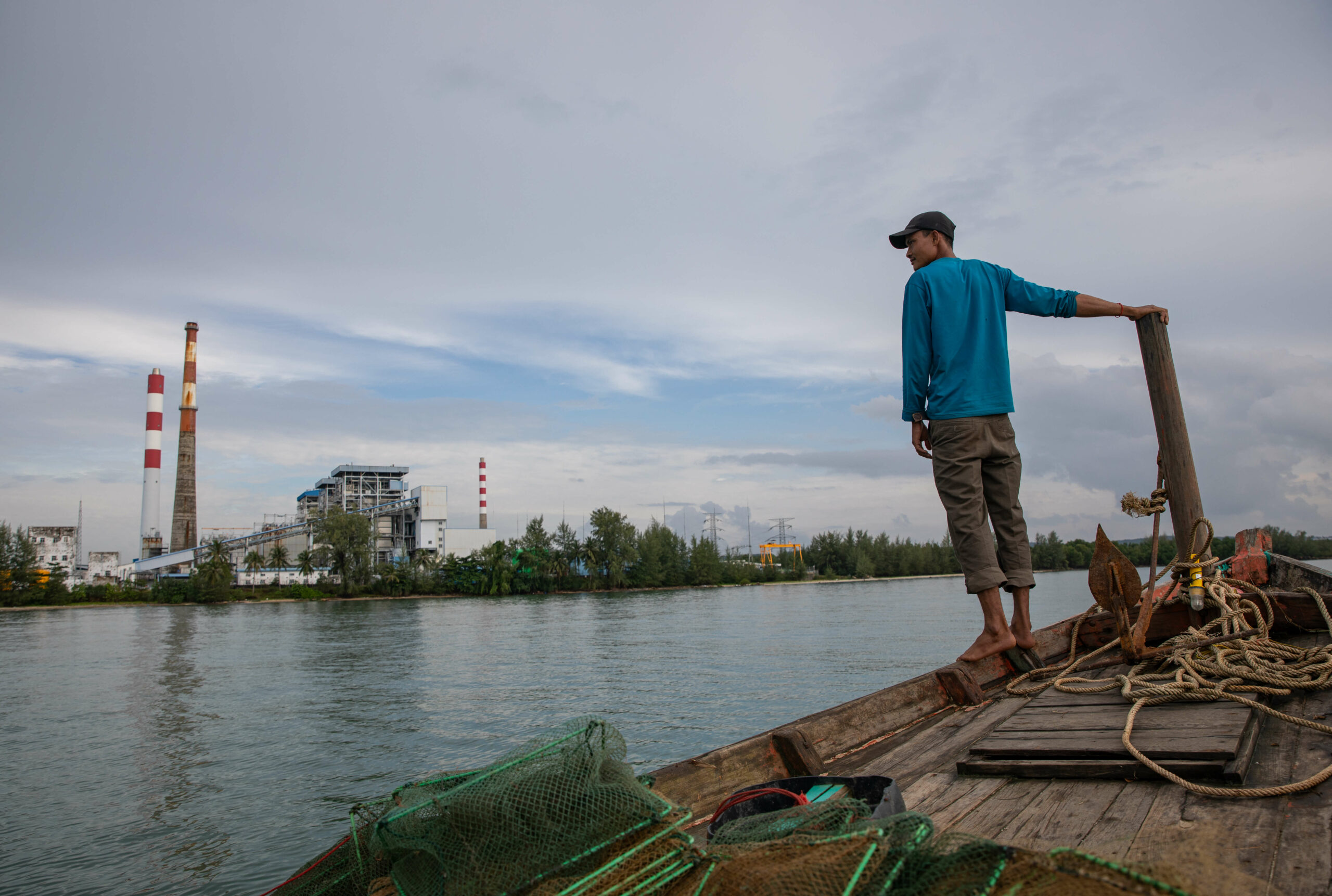
Along the coast of Sihanoukville province, fishermen like Hang Dara, a former electrician turned fisherman, navigate past active coal-fired power plants on a daily basis. The coastal waters of Steung Hav district now host major power plant complexes that supply electricity to the surrounding industrial zones.
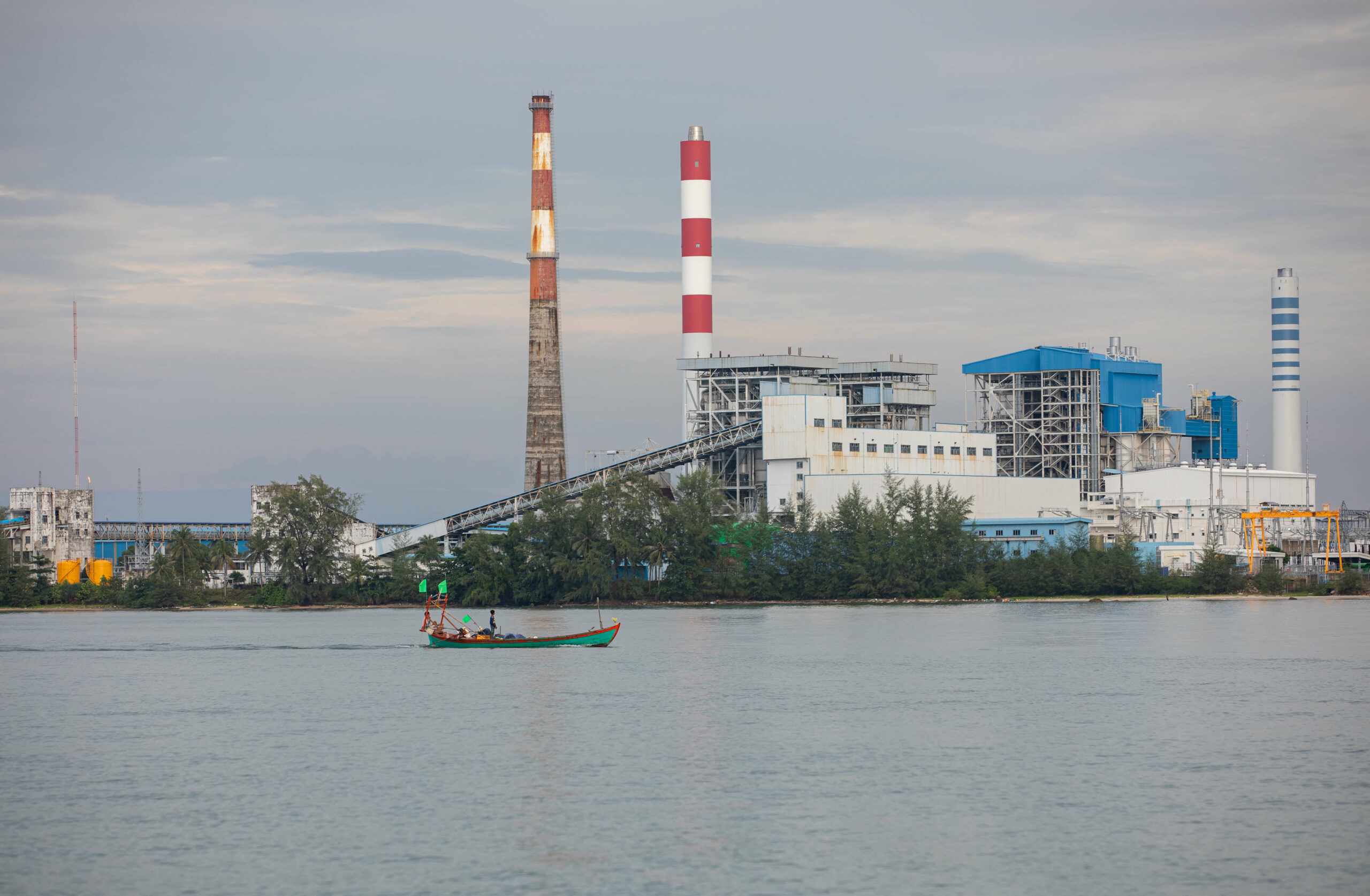
For local fishers and coastal residents, the expansion of industrial ports and coal-handling facilities has fundamentally altered their traditional way of life. Catches have fluctuated, and concerns over marine ecosystem degradation continue to mount. Despite local petitions and appeals submitted to provincial and national authorities regarding environmental impacts and fair compensation for affected lands, many residents report receiving little recourse.
Similar tensions have surfaced in connection with major land concessions granted to powerful conglomerates like the Royal Group. While some designated concession areas have experienced little physical development, others—such as those overlapping with sensitive protected areas and national parks—have seen steady land clearance, triggering renewed debates over land rights, biodiversity loss, and corporate accountability.

As Cambodia continues to chart its economic future, the path forward will require delicate balancing acts between attracting foreign investment, meeting rising domestic energy demands, and fulfilling global environmental stewardship pledges. Whether the dormant stacks of Oddar Meanchey will eventually smoke or remain permanent monuments to a shifting energy paradigm remains one of the defining questions of the country’s modern development.