By Ski Magazine
Published October 25, 2026
More American travelers are heading to the European Alps than ever before, but the landscape of international ski travel is undergoing a rapid transformation. With dwindling snow coverage at lower elevations, fluctuations in currency values, and the widespread use of U.S.-based megapasses overseas, planning a European ski holiday requires a much more strategic approach than in previous decades. Having spent multiple winters and summers exploring the Alpine regions, industry experts note that prospective American tourists must carefully weigh several crucial factors before locking in their itineraries for the upcoming season.
Let’s Talk About Snow Coverage
With a super El Niño forecasted for the coming season, snow coverage at Alpine resorts is expected to be a critical factor for travelers this year. Similar to weather patterns observed in the Western United States, seasonal meteorological models are forecasting a warm and wet winter for the European continent. While a warm and wet winter is generally preferable to a warm and dry season, it still presents distinct challenges for ski operators and vacationers alike.
Historically, mountain slopes sitting above 1,650 feet were reliably blanketed in heavy snow throughout the winter months, particularly on the northern side of the Alps. Unfortunately, those conditions are increasingly rare. This climate shift means that many lower-altitude destinations are far less attractive than they once were, a particularly difficult reality for American travelers who typically must book international flights and accommodations months in advance.
Consider the Portes du Soleil region, which boasts 360 miles of pistes and virtually unlimited off-piste terrain straddling both France and Switzerland. As one of the largest ski domains in the world, it attracts massive crowds, yet its resort peaks reach a modest 7,200 feet, with base elevations hovering around 3,300 feet. Consequently, many winter storms now deliver rain rather than snow to the lower slopes. In recent years, experiencing rain at elevations above 6,500 feet anywhere in the French Alps has become an increasingly common occurrence.
Austria presents a somewhat more continental climate, offering natural protection when warm air surges from the south and west. Nevertheless, many of the country’s most famous ski resorts sit at relatively low altitudes, and skiing conditions have experienced noticeable disruptions in recent years. Kitzbühel, a legendary name in ski racing and one of the most prominent Austrian destinations for American tourists, embodies the quintessential European ski experience. It features a picturesque base village, extensive terrain, vibrant après-ski culture, and a formidable heritage in the sport, alongside its inclusion on the Ikon Pass. However, the resort tops out at just 6,600 feet, with a base elevation of 2,625 feet.
Similarly, the Saalbach Skicircus stands as another legendary Austrian resort offering 168 miles of piste and some of the country’s finest off-piste skiing, with Epic Pass holders receiving five days of access. Despite these impressive attributes, the resort shares similar elevation profiles with Kitzbühel, meaning that prime conditions, particularly for off-piste terrain, are more limited than in the past.
When a favorable nordstau weather pattern aligns—the European equivalent of the Northwest flow that delivers heavy snow—and low snow coverage spares Austria, flexible American travelers will find plenty to love at these resorts. However, experts advise against gambling on overseas trips booked too far in advance. For the current season, travelers are strongly encouraged to focus their plans on resorts that top out above 10,000 feet in France, Italy, and Switzerland, and above 8,200 feet in Austria.
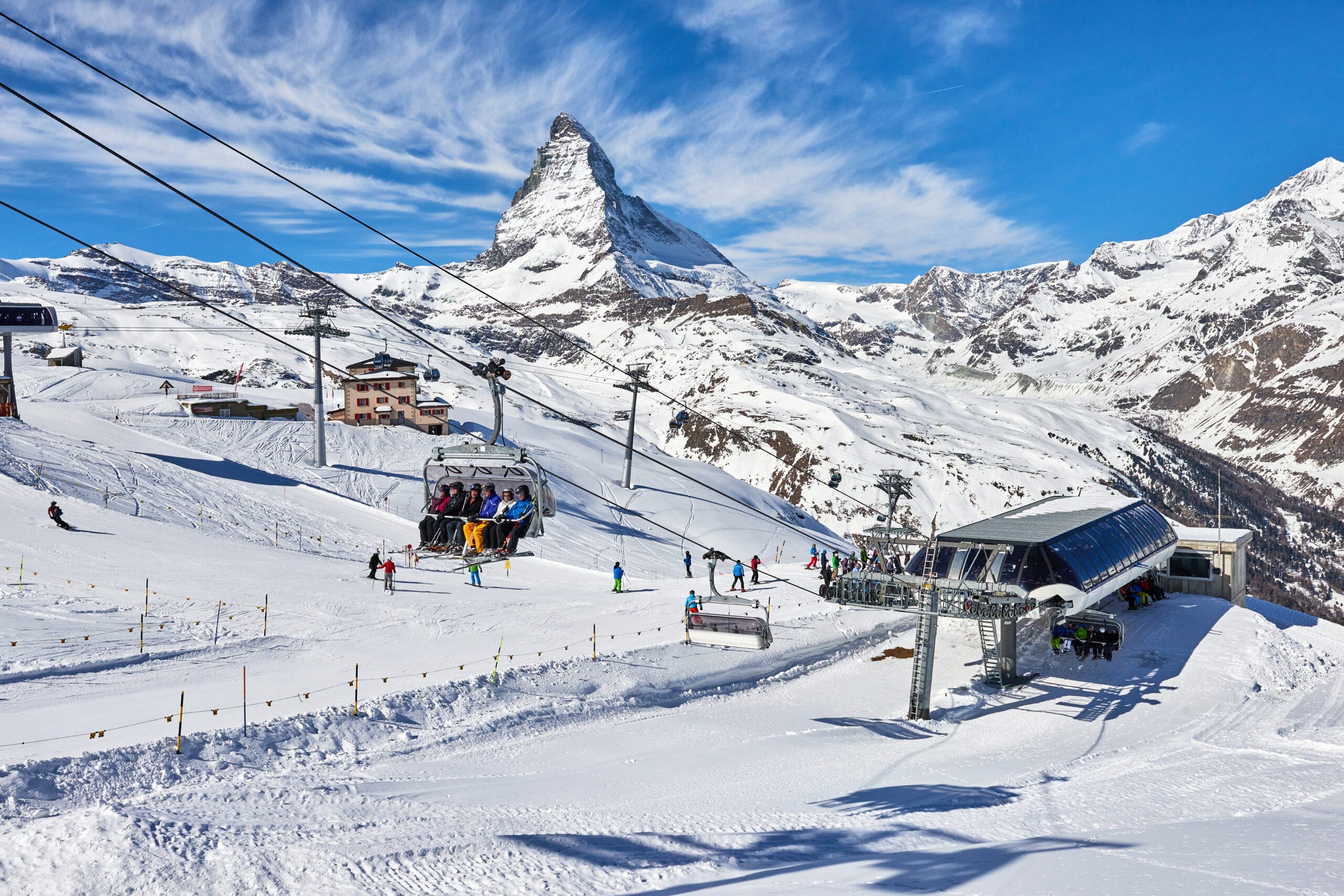
Chamonix and Zermatt: Are They Worth It?
Nearly every American traveler visiting the Alps tends to have one of two iconic destinations at the top of their itinerary: Chamonix or Zermatt. Both towns occupy a permanent place in the American mountain consciousness, and both maintain associations with the Ikon Pass, though Chamonix comes with significant operational fine print.
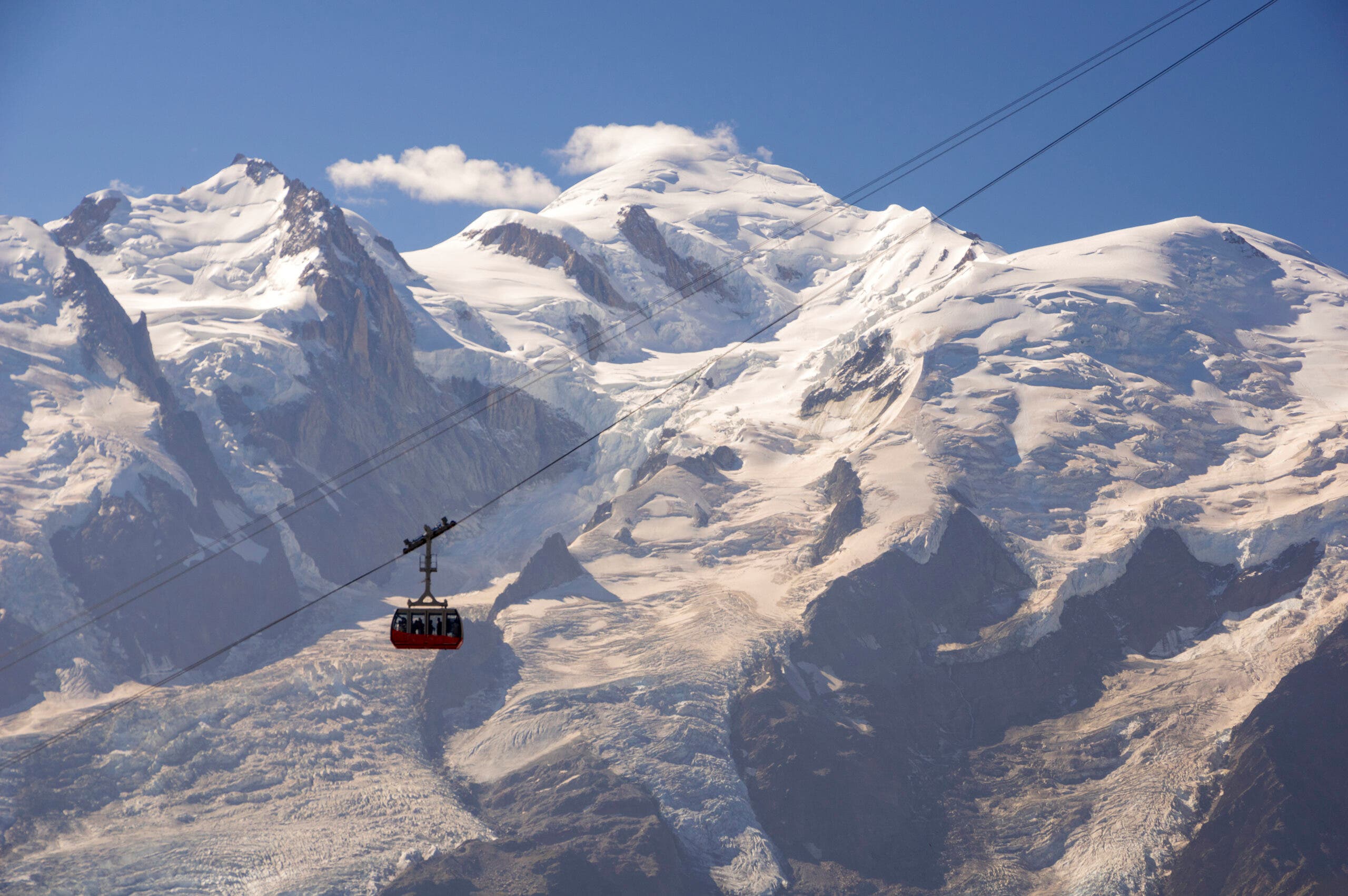
Chamonix is widely recognized as the birthplace of modern mountaineering and, to a large extent, the winter sports industry itself. As the host of the first Winter Olympics in 1924, Chamonix helped herald a new era for struggling mountain towns, sparking a "white gold" rush of winter sports infrastructure development throughout the Alps and beyond.
Despite its deep historical roots, industry veterans argue that Chamonix may not be the ideal destination for the majority of Americans planning a ski-focused trip. For starters, the standard Ikon Pass only includes the Chamonix "Le Pass" rather than the comprehensive Mont-Blanc Unlimited pass. This distinction means passholders cannot access premier areas such as the Aiguille du Midi—and by extension, the famous Vallée Blanche—Courmayeur via the Skyway Monte Bianco, or the upper station of the Grands Montets, which suffered a major fire in 2018 but is scheduled to return for the 2027–2028 season. Upgrading to the Unlimited pass requires an additional out-of-pocket expense, and prices are subject to fluctuation.
Instead, Le Pass provides standard access to the five individual resorts of the Chamonix Valley, which offer decent but not extraordinary terrain within the broader context of the Alps. With Le Pass, the highest accessible point reaches only 9,186 feet via the Bouchard gondola at Grands Montets, and navigating between the various valley resorts can prove punishingly difficult during peak season.
Meanwhile, Zermatt has maintained its status as a major stronghold for U.S. tourists since Americans first discovered Switzerland during post-WWII vacations. Today, the resort remains popular and features prominently on the Ikon Pass, though it commands high prices that American skiers are increasingly forced to navigate.
For many visitors, waking up to stunning views of the Matterhorn represents the ultimate bucket-list experience. Zermatt is undeniably a world-class ski resort boasting broad, snow-sure pistes, fast lifts, and dramatic scenery. However, critics point out that travelers can secure a less iconic but more authentic European experience in numerous other locations for a fraction of the cost. Beyond its steep pricing—which often feels at least double that of neighboring France—Zermatt falls short in other areas. Its culinary offerings can feel mediocre compared to culinary standards in France and Italy, and the skiing terrain is notably exposed, cold, and restricted during stormy weather. Furthermore, despite its high altitude ensuring reliable snow cover, Zermatt is not historically the snowiest destination in the Alps, and off-piste access is often more readily available elsewhere.
Which Alpine Country?
Choosing a destination requires balancing the distinct cultural offerings, pricing structures, operational efficiencies, and mountain access provided by each Alpine nation.
France and Italy generally offer superior culinary experiences and more affordable pricing, though visitors must contend with lower levels of operational efficiency. Lifts and mountain restaurants may occasionally close unexpectedly due to localized closures, and customer service standards do not always align with American expectations.
In contrast, Switzerland and Austria operate with remarkable efficiency and typically receive higher volumes of snowfall than France and Italy. Historically, the northern Alps record the highest precipitation totals, with resorts such as Engelberg and St. Anton consistently tallying impressive snow depths. However, shifting climate patterns have recently brought an increase in southern-origin storms. Additionally, Switzerland and Austria boast the most advanced lift infrastructure in the region, hosting the vast majority of the Alps’ high-capacity 3S cable systems.
My Recommendations for France
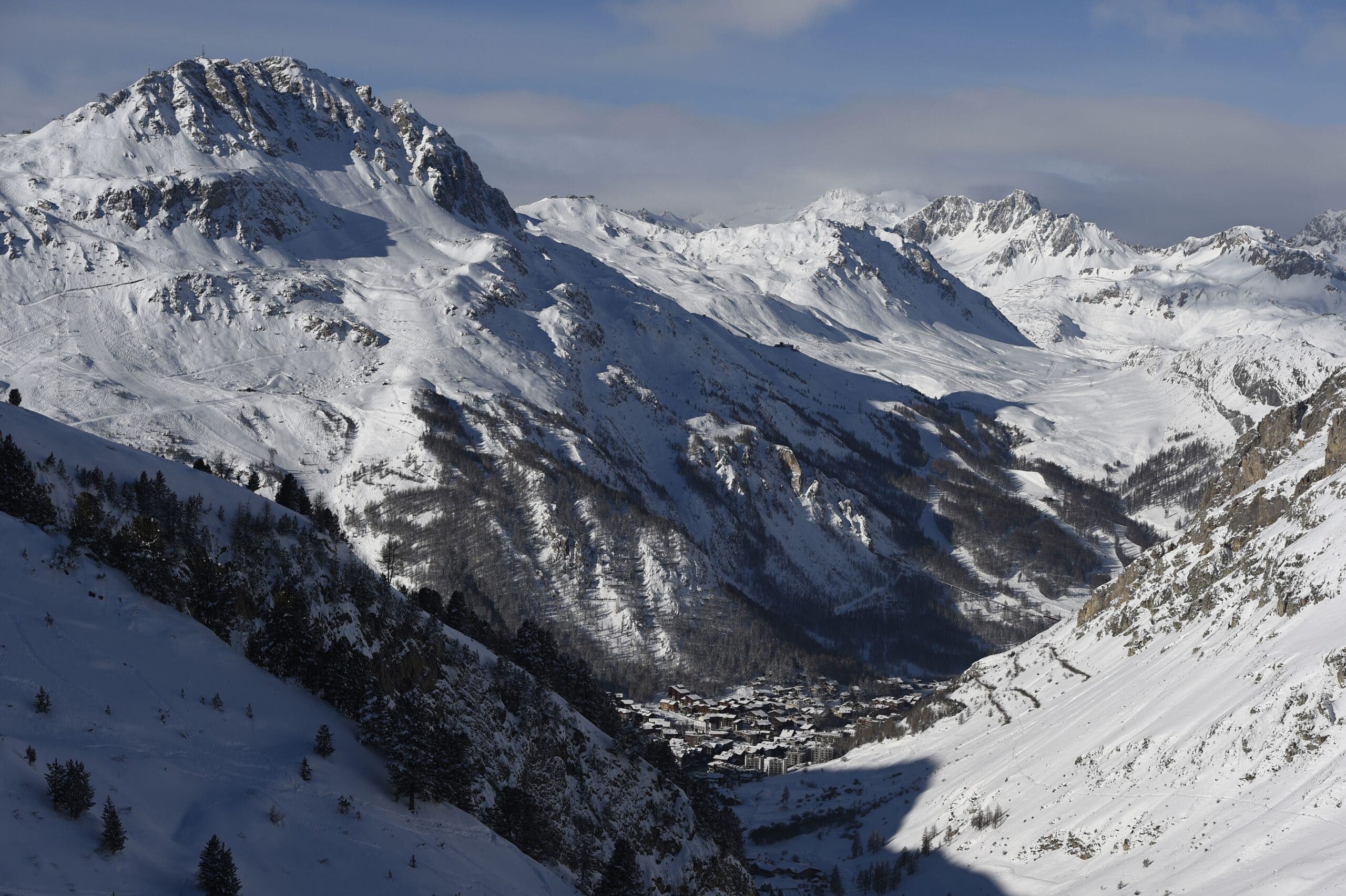
Within France, the Tignes and Val d’Isère domain stands out as exceptionally well-suited for a broad spectrum of visitors, accommodating everyone from toddlers learning the basics to extreme freeriders. The Grand Motte chairlift provides access to high-altitude glacier terrain reaching 11,339 feet, making it the fifth-highest cable car in the Alps. Val d’Isère maintains its identity as a traditional mountain village rich in culture rather than a purpose-built resort, with modern real-estate development largely concentrated in Tignes. Furthermore, its base elevation of 5,906 feet is among the highest for a major resort in the Alps.
While millions of American skiers utilize the Epic and Ikon passes, Tignes and Val d’Isère are notably absent from both networks, a factor that may appeal to travelers seeking to avoid heavy concentrations of American tourists. While expensive by French standards, it remains significantly cheaper than any comparable destination in Switzerland.
In recent years, American travelers have increasingly gravitated toward Les Trois Vallées, one of the world’s largest ski domains included on the Epic Pass, offering endless groomed pistes and vast backcountry terrain. Paradiski, comprising Les Arcs and La Plagne, serves as another massive interconnected domain situated between Trois Vallées and Val d’Isère, offering competitive daily ticket prices for those seeking alternatives to its more famous neighbors.
Venturing further south into the Savoie region reveals the cultural heartland of the French Alps. While Alpe d’Huez and Les 2 Alpes follow the traditional model of French megaresorts with extensive off-piste opportunities, Serre Chevalier near the town of Briançon remains one of the largest and finest French resorts largely undiscovered by American tourists. Retaining authentic village atmospheres in hamlets like Monêtier-les-Bains, the resort delivers exceptional on- and off-mountain dining alongside world-class freeride terrain like the Montagnole.
Further east along the Italian border, Montgenèvre offers budget-friendly lift access and receives reliable snow from both eastern and western weather systems. Deeper in the southern regions, lesser-known areas like Abriès and Saint-Véran in the Queyras pocket provide surprisingly high-altitude skiing paired with traditional country lodging and family-run hospitality.
My Recommendations for Italy
Travelers seeking rich cultural heritage, ancient alpine villages, exceptional gastronomy, and competitive pricing will find Italy to be an ideal destination. The expansion of the Aosta Valley’s partnership with the Ikon Pass has opened access to magnificent resorts including Monte Rosa, Cervinia, La Thuile, and Courmayeur.
Monte Rosa offers extensive, unrestricted off-piste terrain and ski touring opportunities, with base villages like Alagna and Gressoney preserving unique historical and linguistic traditions. Just across the border, Cervino serves as the Italian counterpart to the Matterhorn Ski Paradise, offering direct connections to Zermatt. While the current cross-border transit relies on limited-capacity cable cars from the Italian side, ongoing infrastructure projects are expected to streamline travel significantly in the coming years. Combined with superior food quality and more affordable pricing compared to Switzerland, the Italian side of the Matterhorn presents a compelling alternative.
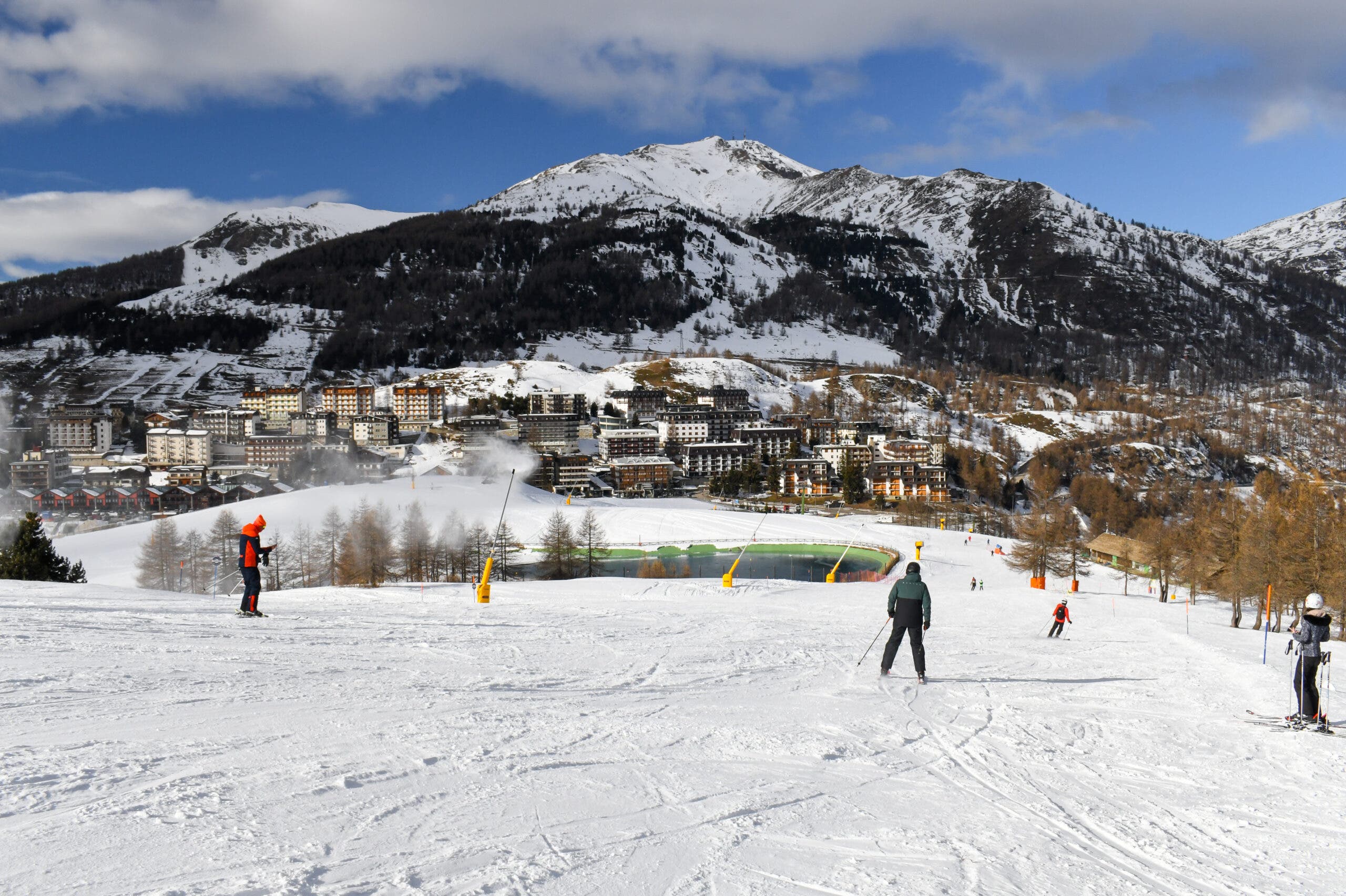
Further south, the Via Lattea network links multiple resorts—most notably Sestriere—forming a vast ski area comparable in scale to the Portes du Soleil and Trois Vallées. Though lacking extreme high altitudes, Sestriere reaches 9,186 feet and benefits from favorable wind patterns, offering some of the finest tree skiing in the Alps. On-mountain dining reaches exceptional heights in this region, highlighted by establishments like La Marmotta in the Sauze d’Oulx sector.
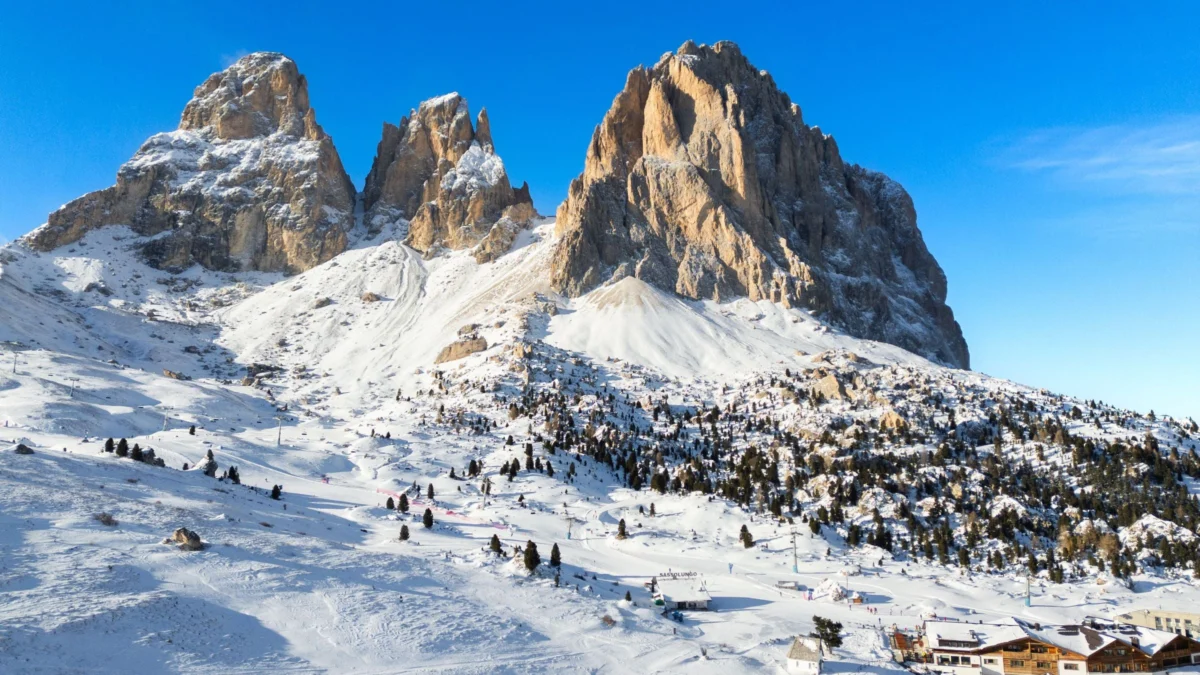
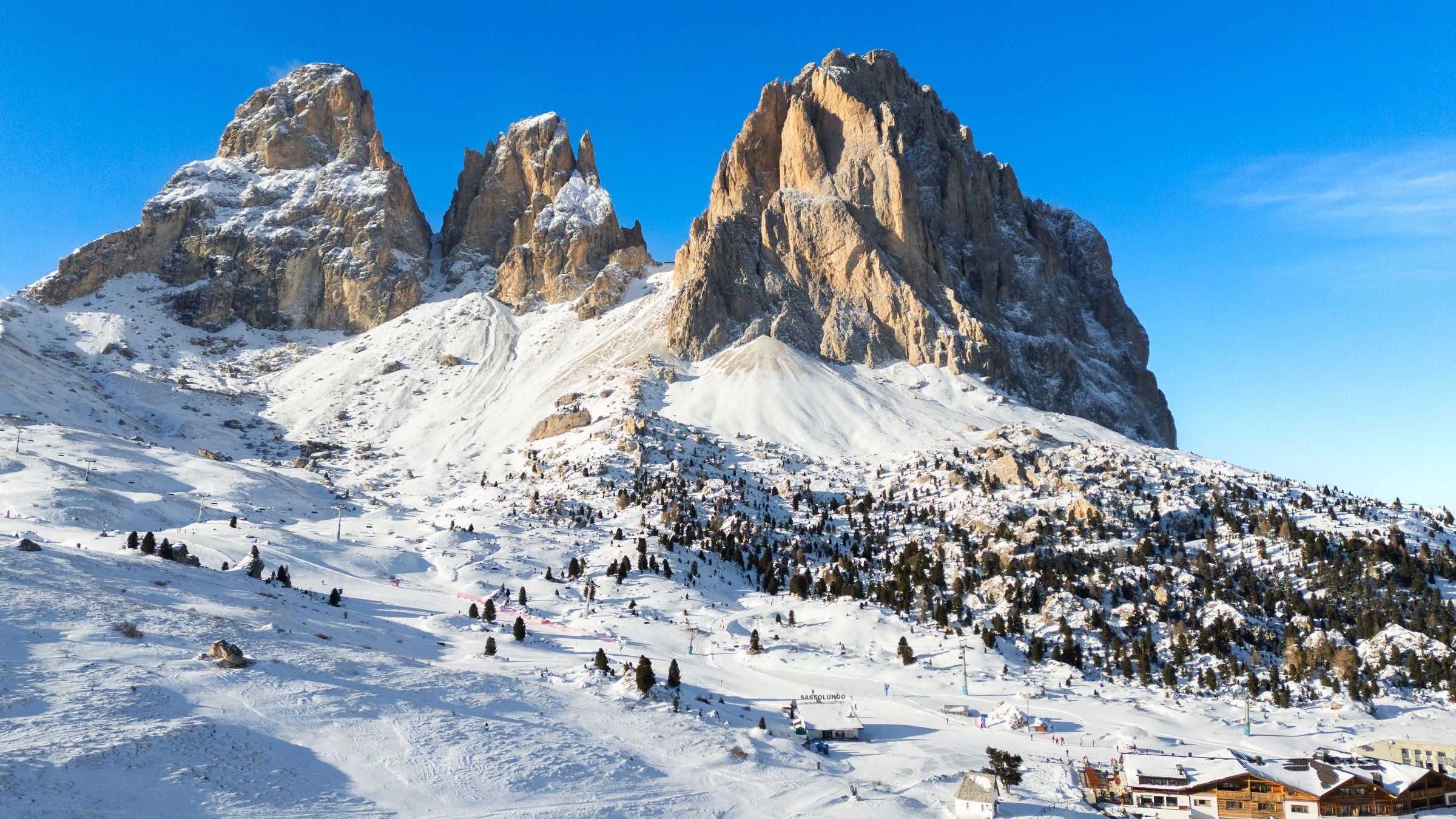
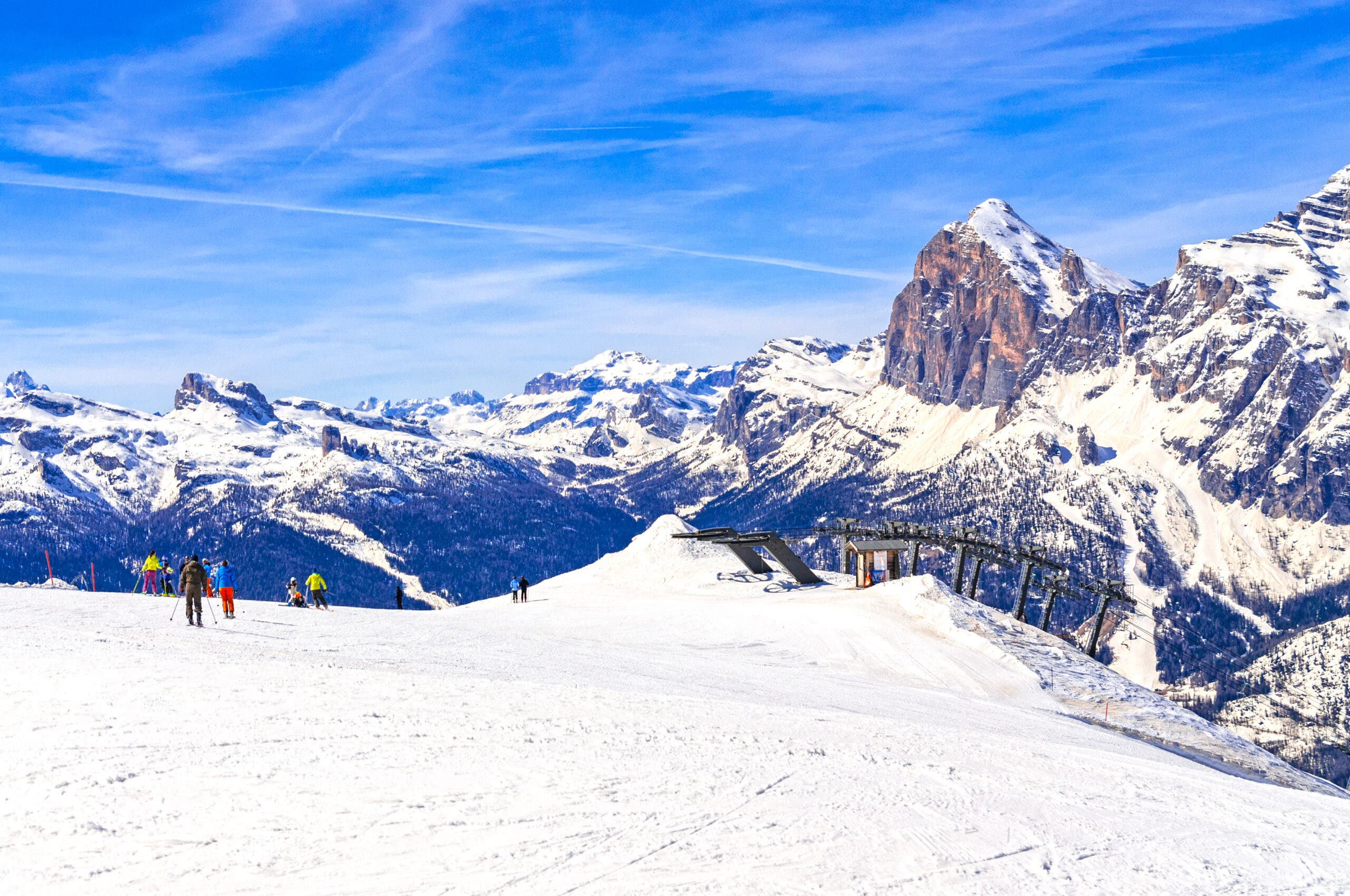
Meanwhile, the Italian Dolomites continue to command international attention, supported by the region’s Olympic heritage. The Dolomiti Superski pass remains a premier option for American visitors, offering stunning natural scenery and authentic mountain villages rather than manufactured commercial ski bases. While snow totals may lag behind other Alpine ranges, resorts such as Val Gardena, Kronplatz, and Alta Badia deliver exceptional piste skiing and renowned culinary hospitality.
My Recommendations for Austria
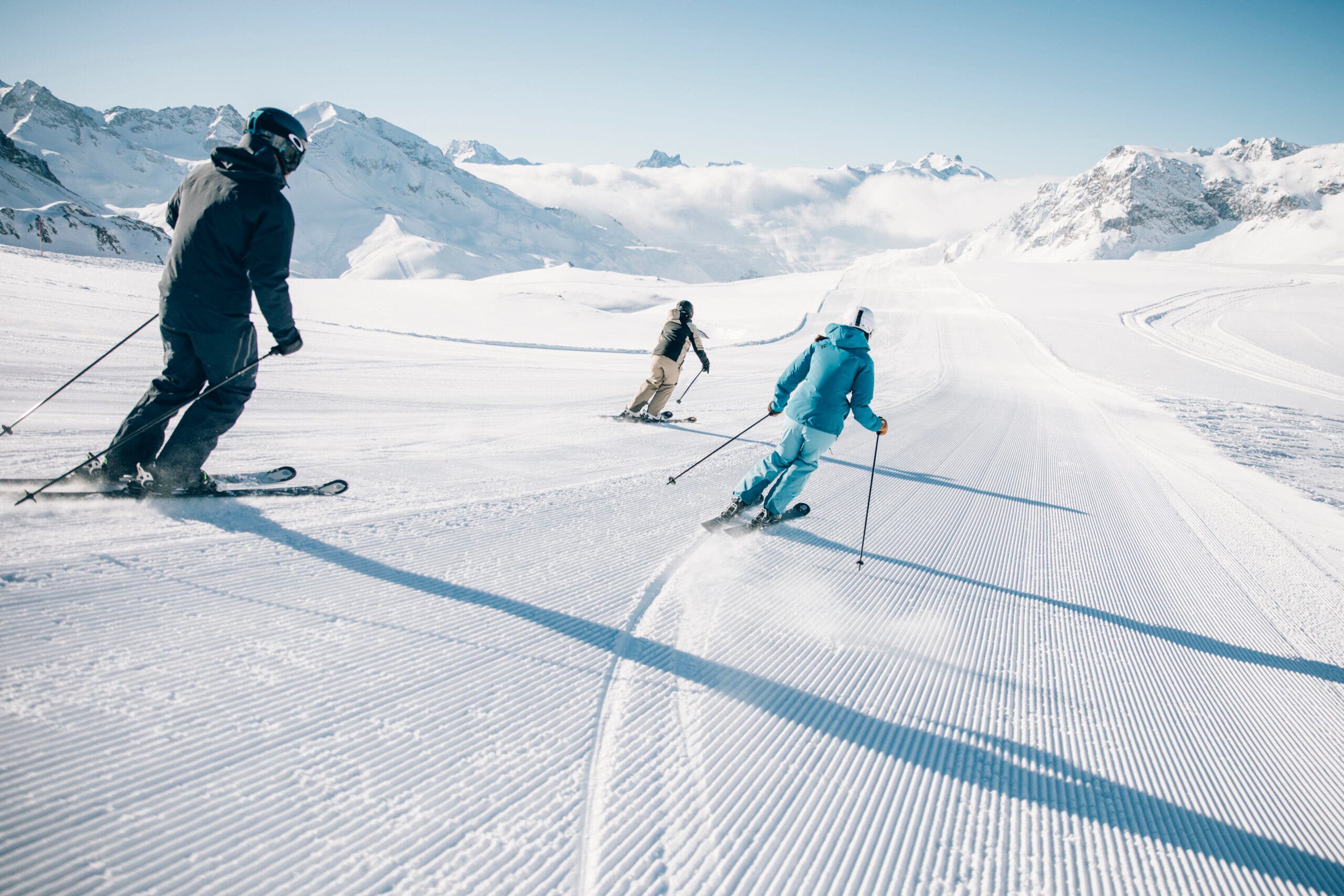
Austria’s national identity is deeply intertwined with ski culture, offering efficient resort operations, high annual snowfall, and moderate pricing that sits comfortably between French rates and Swiss luxury costs. While Austria maintains a strong emphasis on groomed pistes—meaning fresh powder tracks often linger longer during storm cycles—the country is equally famous for its vibrant après-ski culture.
The Epic Pass provides extensive access across Austria, granting multi-day admissions to world-class destinations including Skicircus Saalbach, Sölden, Zillertal, and Silvretta Montafon. Meanwhile, Ski Arlberg, anchored by St. Anton, remains the gold standard of Austrian skiing, situated within a consistent snowbelt and offering vast freeride terrain, though pass redemption involves specific lodging requirements.
For travelers utilizing the Ikon Pass, resorts like Ischgl and Kitzbühel offer extensive infrastructure, though the latter faces similar elevation limitations as other lower-lying Austrian domains. For a cultural urban base with direct mountain access, Innsbruck offers rail connectivity to major resorts within an hour’s travel time, alongside the comprehensive Innsbruck Pass covering numerous regional locations including the Stubai Glacier. Beyond the major hubs, lesser-known eastern Austrian resorts such as Zauchensee and Obertauern provide reliable snow conditions and minimal tourist crowds.
My Recommendations for Switzerland
Switzerland distinguishes itself through a high concentration of car-free base villages—such as Wengen, Saas-Fee, and Mürren—which preserve an authentic, historic atmosphere. As the most snow-sure region in the Alps due to its high-altitude, north-facing terrain, Switzerland houses the largest glaciers in the mountain range.
While megaresorts like Verbier cater to ambitious international freeriders, destinations such as Saas-Fee offer a more traditional Swiss village experience with centuries-old chalets and high-altitude funicular access. For freeride enthusiasts seeking alternatives to crowded hubs, resorts like Andermatt, Engelberg, Davos, and St. Moritz provide challenging terrain and efficient lift networks. Despite hosting fewer total skier visits annually than France across its extensive network of resorts, Switzerland generally commands higher overall travel and lodging costs, rounding out a diverse landscape of options for Americans navigating the changing realities of skiing in the Alps.