Published October 20, 2026, 5:45 PM
Southeastern Arizona’s dramatic "Land of Standing-Up Rocks" has officially secured the highest level of federal conservation status. Following a legislative path that culminated with Senate passage on September 30, 2026, and an official presidential signature on October 20, Chiricahua National Monument has been successfully redesignated as the United States’ 64th national park.
The milestone marks the first time a new U.S. national park has been established in six years. Located roughly 120 miles east of Tucson, Chiricahua now stands as Arizona’s fourth national park, joining a prestigious roster that includes the Grand Canyon, the Petrified Forest, and nearby Saguaro.
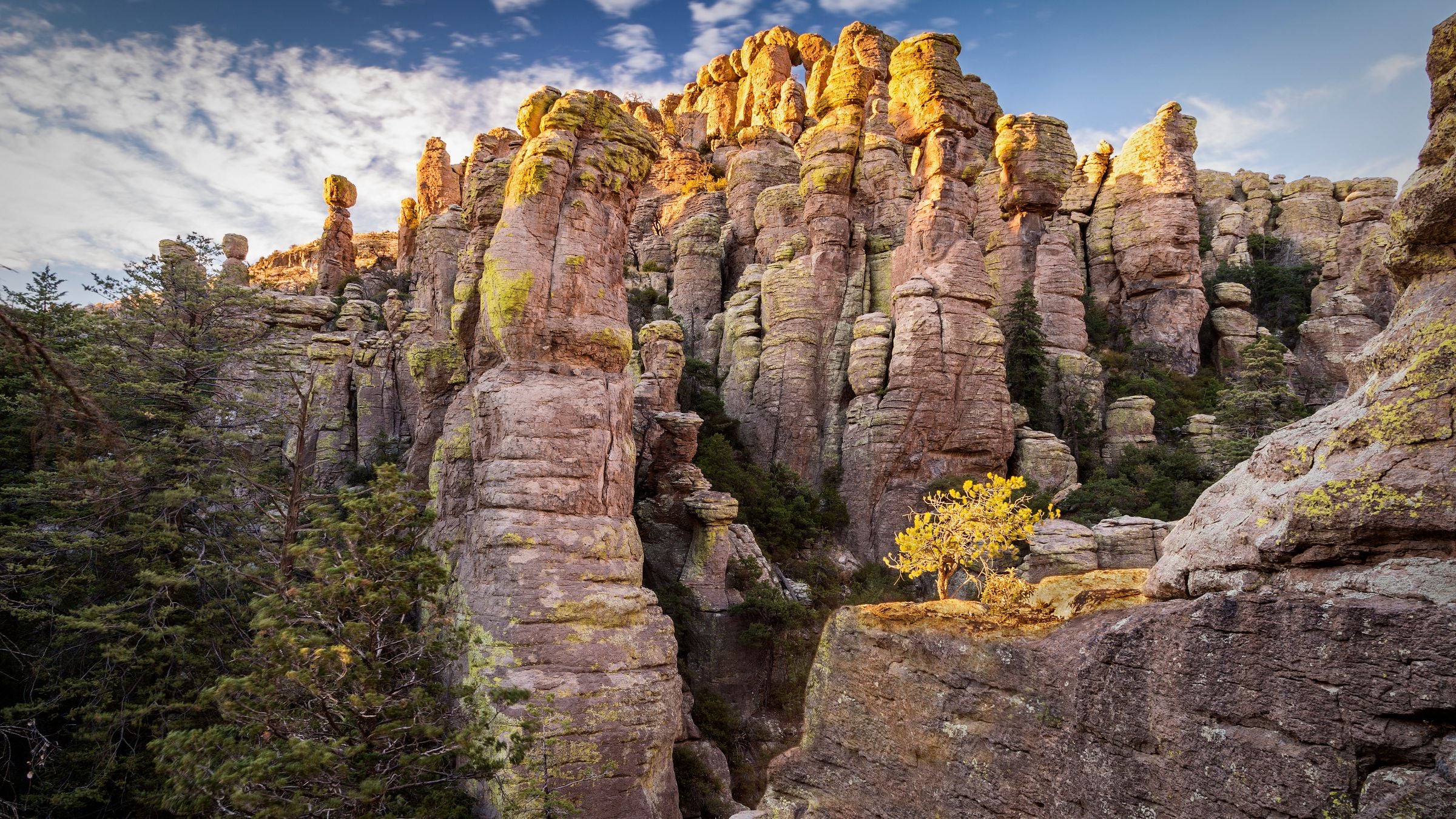
To those with personal, historical, and scientific ties to the region, the designation represents the realization of a century-old dream. Pronounced cheer-uh-KAH-wuh (or cheery-cow-ah), the park encompasses a breathtaking landscape of soaring rock pinnacles, balanced boulders, and intricate canyons that have captivated travelers, geologists, and Indigenous peoples for generations.
A Century in the Making
The journey toward national park status spans more than a century. Originally proclaimed a national monument 102 years ago under President Calvin Coolidge via the Antiquities Act of 1906, the area was initially protected to safeguard its singular geological formations.
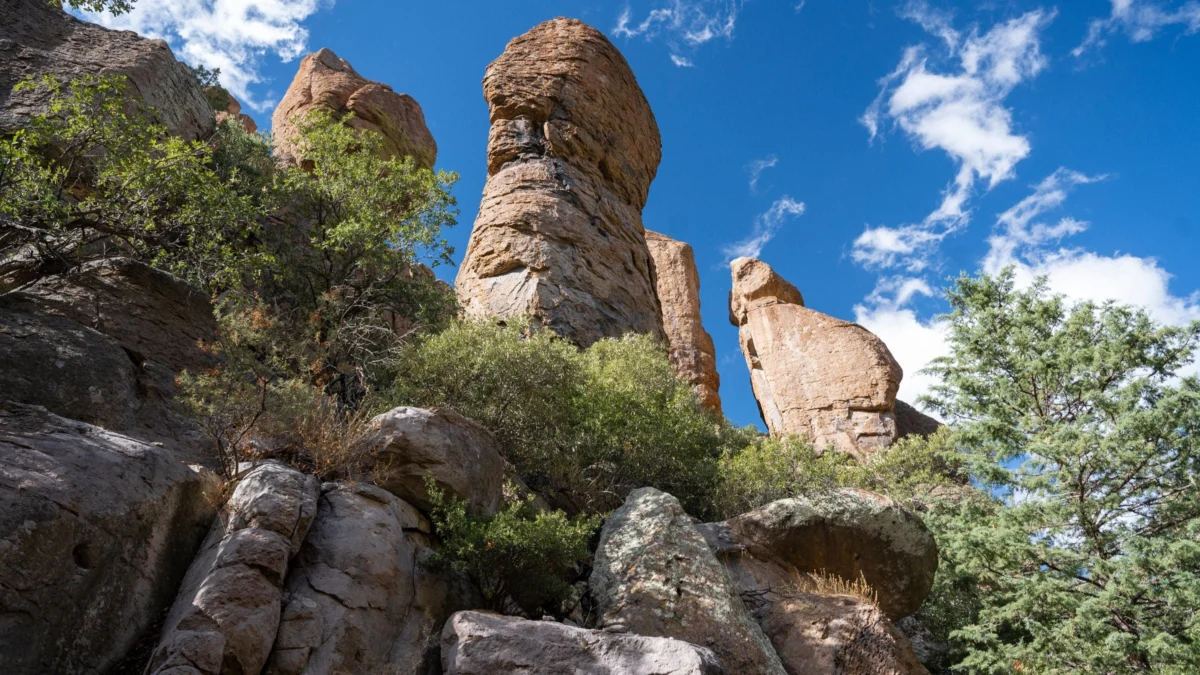
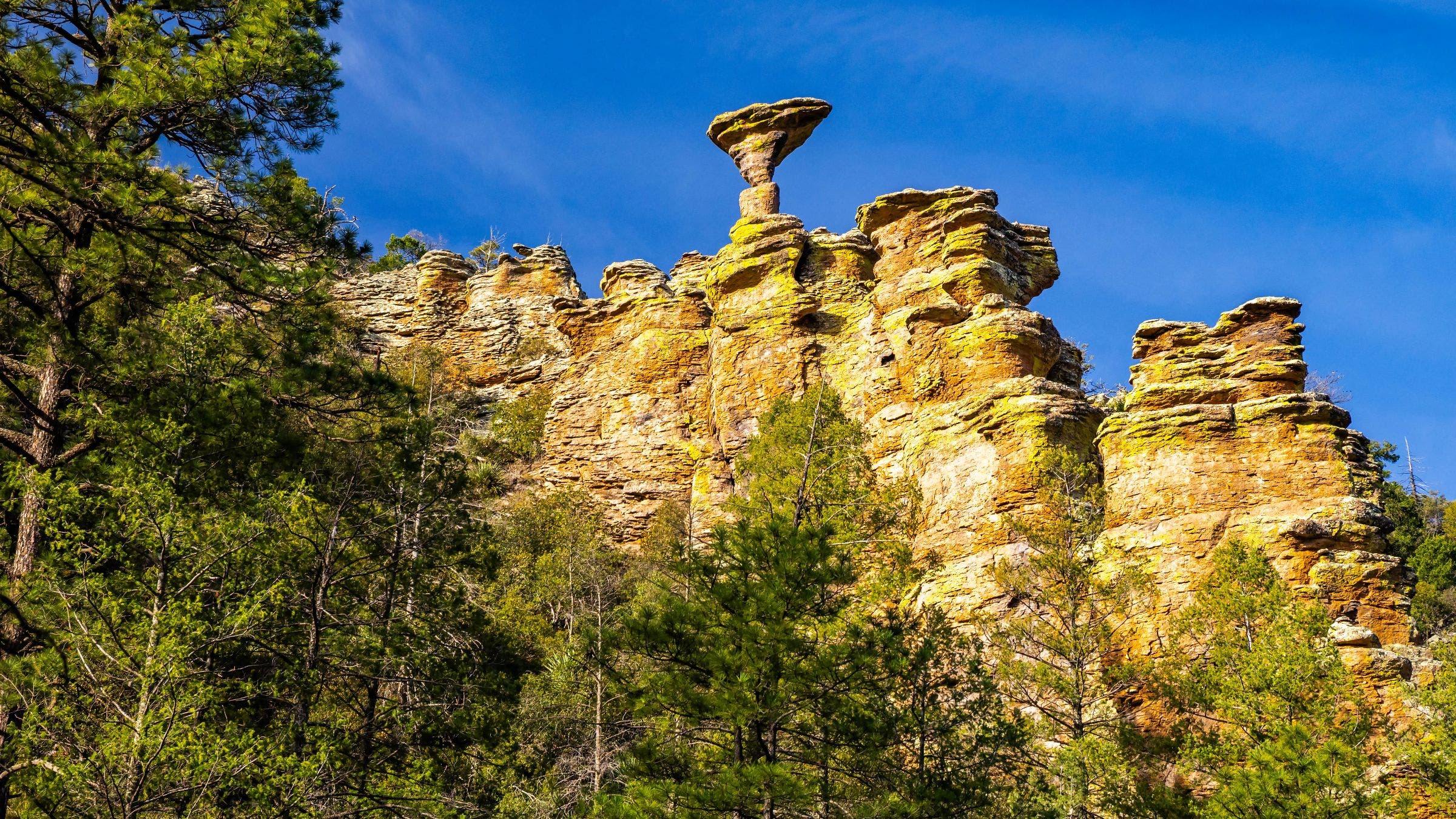
While a national monument is frequently designated by executive action to protect a specific, isolated resource, achieving full national park status typically requires legislative action and the demonstration of a vast expanse of scarce resources, exceptional biodiversity, or a uniquely scenic landscape of national significance. From the ground along the Echo Canyon trail—one of several routes weaving through the towering boulder spires—the natural and recreational value of the terrain is immediately apparent.
Local preservation efforts stretch back to the earliest days of the region’s homesteading era. Lillian Erickson and her husband, Edward Riggs, who operated the historic Faraway Ranch in Bonita Canyon, were lifelong advocates for the area. Long before the modern conservation movement took its current shape, the couple maintained that the grandeur of the "Wonderland of Rocks" deserved the highest federal protections available. Their early efforts in 1923 ultimately secured the monument designation, planting the seeds for the legislative push that finally elevated the site to national park status a century later.
Exploring the "Land of Standing-Up Rocks"
For visitors, experiencing Chiricahua is an immersion in a surreal landscape shaped by violent volcanic activity millions of years ago. The park’s iconic balanced rocks, hoodoos, and stacked rhyolite columns are the result of ancient geological upheavals that left behind a mountain range within the network of desert-isolated high-altitude ecosystems known as Sky Islands.
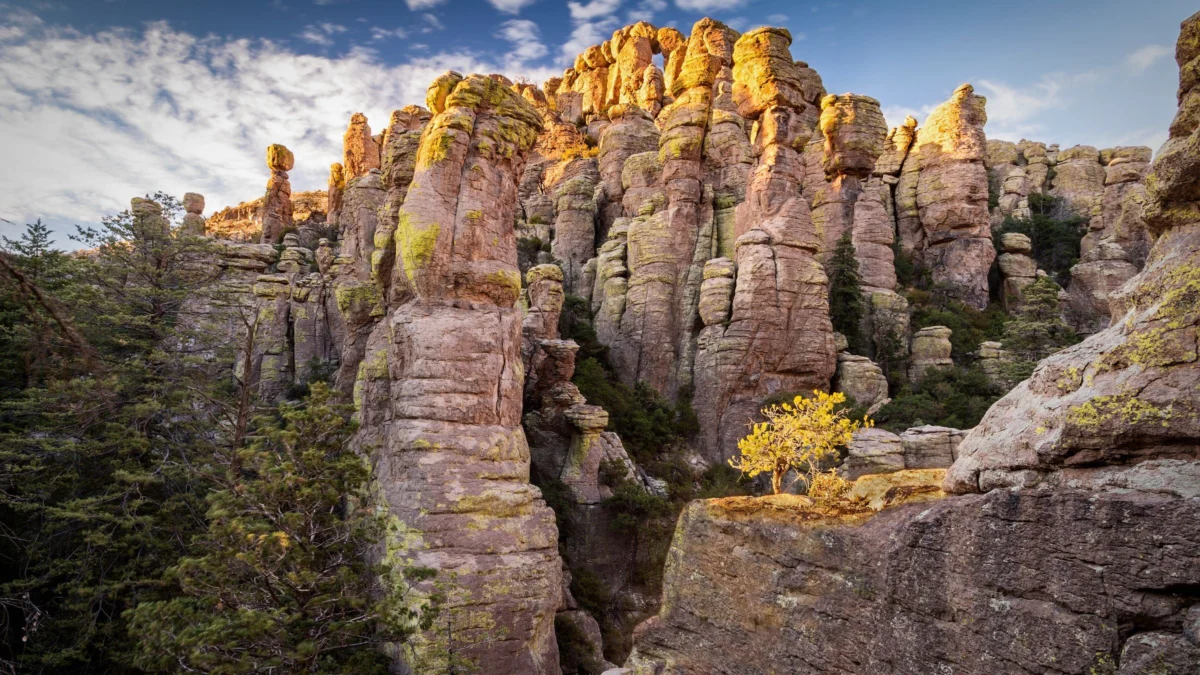
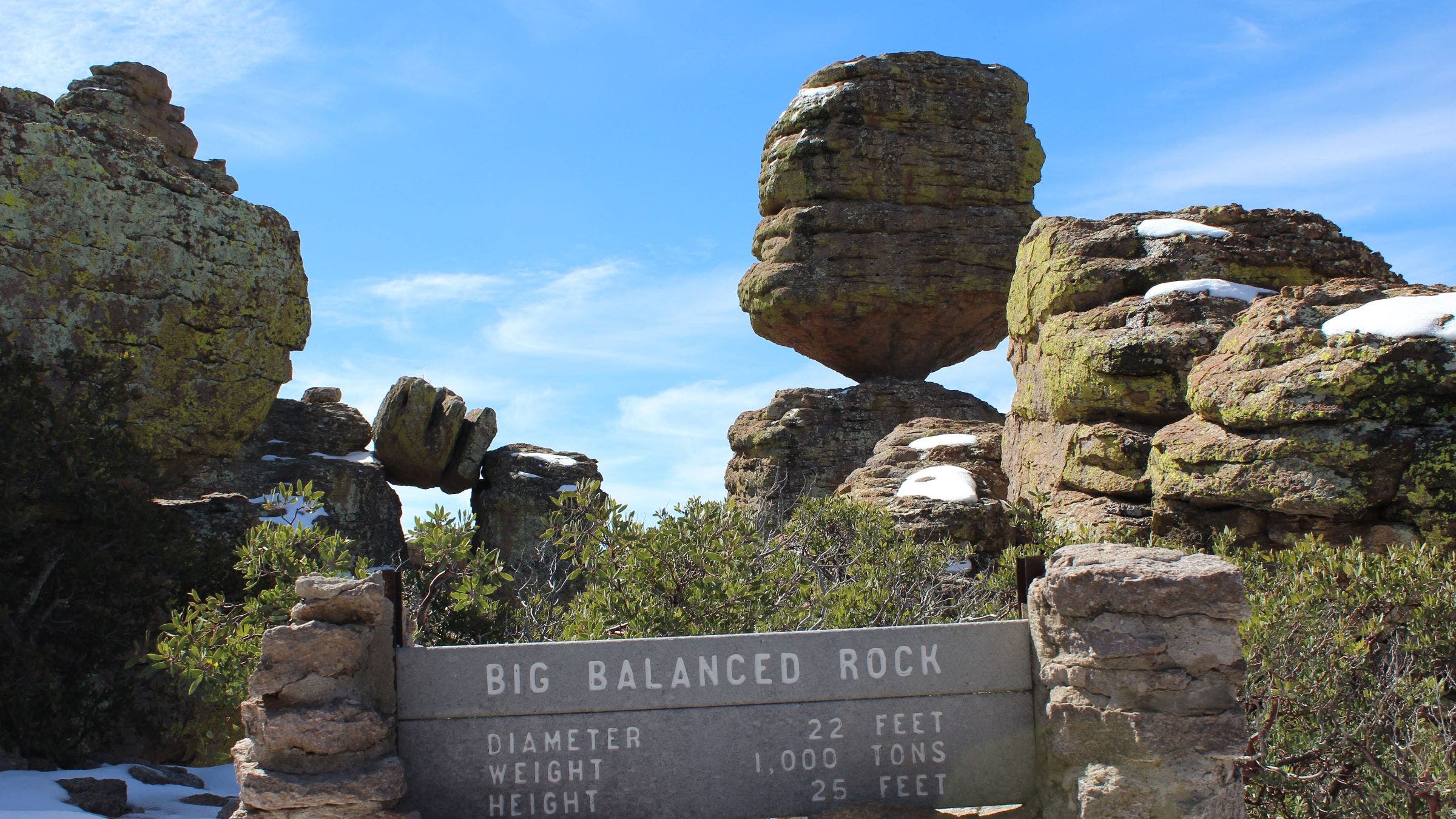
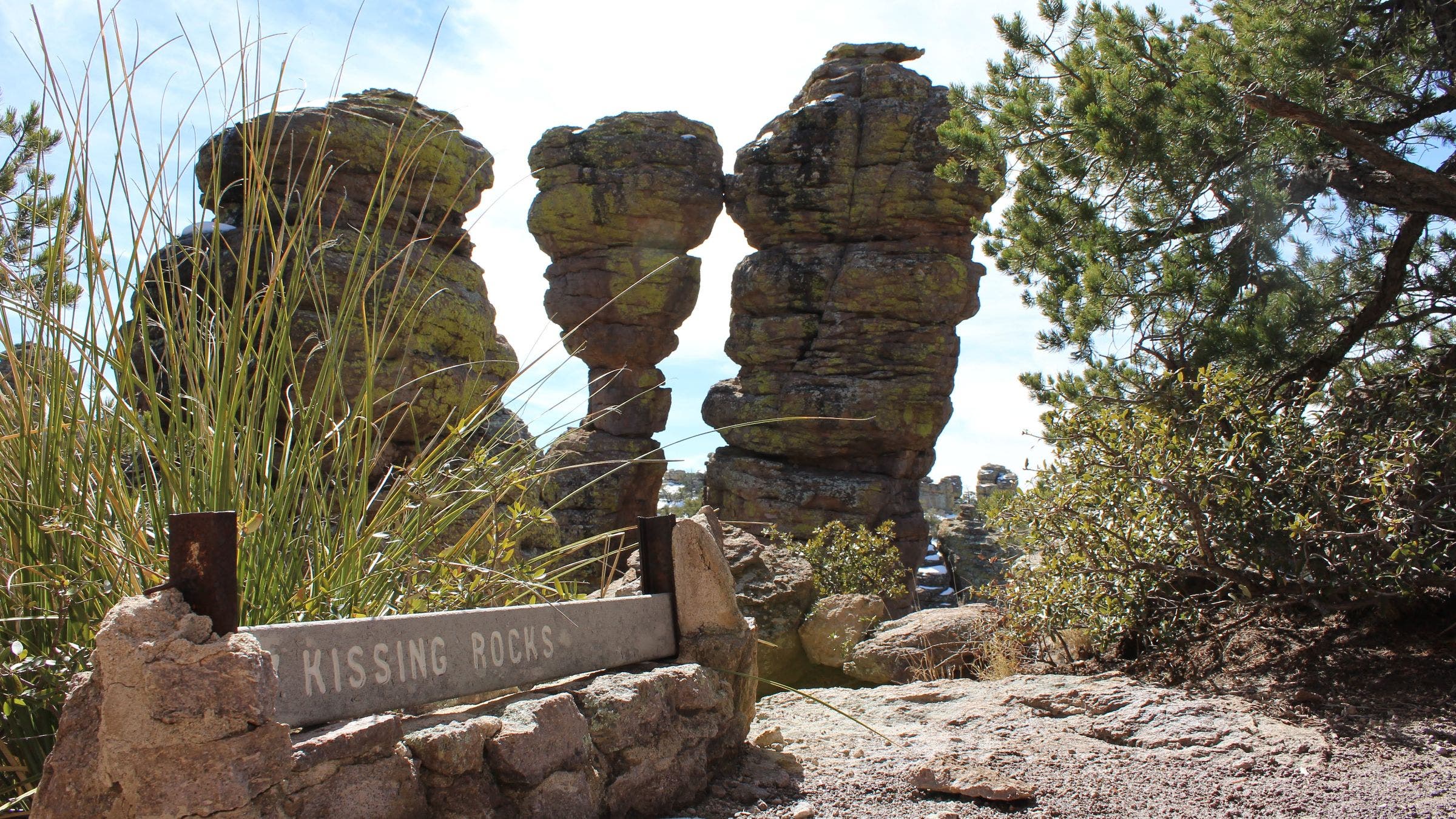
Hiking through the park reveals a dramatic interplay of light and shadow across lime-green and black lichen-splashed boulders. Trails such as the Heart of Rocks Loop and routes leading past formations like Big Balanced Rock and Duck-on-a-rock offer intimate views of a terrain where wind and water have spent millennia carving stone into gravity-defying sculptures. Two prominent rocky columns along the trail, leaning toward one another in a permanent embrace known as the Kissing Rocks, have long served as a favorite landmark for visitors.
The park’s unique appeal is amplified by its extraordinary biodiversity. Chiricahua sits at a rare ecological crossroads, blending four distinct ecoregions: the Sonoran Desert, the Chiricahuan Desert, the Rocky Mountains, and the Sierra Madre highlands.
This convergence of habitats creates a thriving haven for a diverse array of flora and fauna. The region is particularly renowned among birdwatchers, serving as the northernmost range limit for numerous Mexican bird species. As visitors traverse the trails, the landscape shifts dynamically from cactus-studded meadows and blooming manzanita thickets to dense pine forests. Depending on the season, sharp-eyed hikers may catch glimpses of local wildlife, including Chiricahua fox squirrels, coatimundis, rattlesnakes, and javelinas.
Conservation, Economy, and Future Stewardship
While winter conditions can bring fresh blankets of snow to southeastern Arizona’s high elevations, the shoulder seasons remain the premier times to explore the park. Spring delivers vibrant wildflower blooms, while autumn offers quieter trails and greater availability at the park’s primary lodging hub, the Bonita Canyon Campground. Surrounded by shady pine and oak settings, the campground provides a tranquil basecamp for visitors preparing to explore the rugged backcountry.
The path to preserving Chiricahua has long been a collaborative historical effort. During the Great Depression, President Franklin D. Roosevelt’s Civilian Conservation Corps played a critical role in developing and protecting the park’s infrastructure, constructing many of the trails and facilities that visitors still rely on today.
In the modern era, ongoing conservation efforts focus on maintaining the delicate balance of these fragile ecosystems. Scientists and park staff actively monitor precious water resources and manage invasive plant species—such as Malta starthistle and Lehmann lovegrass—that threaten native habitats.
The formal transition to a national park is expected to provide a significant boost to southeastern Arizona’s recreational economy by drawing increased tourism to the region. Yet, for conservationists and local communities alike, the primary victory lies in the enduring protection of a landscape that has inspired awe for centuries—from the ancient peoples who first walked its canyons to modern travelers witnessing the stone forest for the very first time.