Having a high-speed data plan while traveling through Europe has evolved from a luxury into an absolute necessity for modern travelers. Whether it is navigating historic cobblestone streets with interactive maps, translating foreign menus on the fly, or booking last-minute museum tickets, staying connected is essential. Unfortunately, using an iPhone or Android smartphone across European borders can quickly become a confusing and surprisingly expensive endeavor for travelers who fail to plan ahead.
Virtually all modern smartphones manufactured after 2016, starting roughly with the iPhone 7 and equivalent Android devices, are fully compatible with Europe’s advanced mobile infrastructure. Hardware compatibility is rarely an issue for American tourists. Furthermore, major domestic carriers in the United States maintain extensive roaming partnerships with local European telecommunications companies. This means a traveler’s phone will typically connect to a foreign network almost immediately upon landing abroad, provided international data roaming is enabled within the device settings.
However, convenience often comes at a steep price. Relying on international add-on packages provided by major US carriers frequently exposes travelers to costly daily roaming fees, capped data allowances, and sluggish network speeds. Alternatively, purchasing a prepaid European eSIM or physical SIM card from a third-party mobile data provider often cuts costs in half while delivering superior network speeds. Both methods carry distinct advantages, potential drawbacks, and technical quirks that require careful consideration before departure.
Utilizing American Mobile Data Plans Abroad
The most straightforward approach for American travelers heading to Europe is contacting their current domestic mobile provider—such as Verizon, AT&T, or T-Mobile—to add an international roaming package to an existing account. Domestic carriers are more than happy to update customer profiles online to activate service agreements with foreign network operators. In many instances, the smartphone will automatically transition to a local network upon arrival without requiring any manual intervention from the user.

Despite the initial ease of activation, the major drawbacks of this approach involve high costs, strict data caps, and significantly reduced speeds. Travelers frequently encounter daily fees starting at ten dollars just to utilize their domestic carrier’s international options. Some traditional roaming structures charge even higher daily rates for severely restricted allocations of data operating at outdated 3G or 2G speeds. Traditional voice calls and standard text messaging under these legacy plans can also accumulate rapidly at per-minute and per-message rates.
While several major US carriers heavily advertise high-speed LTE or 5G connectivity under their international travel plans, numerous consumers report experiencing throttled speeds once they land overseas. Even basic 3G speeds can struggle significantly when attempting to load interactive mapping software or browse the web efficiently.
Carrier-specific offerings vary widely. T-Mobile historically attracted budget-conscious travelers by incorporating international data and text into select mid-tier and premium plans, offering limited high-speed data allotments across dozens of countries before dropping speeds to basic levels. Meanwhile, competitors like Verizon and AT&T lean heavily on daily flat-rate travel passes that allow users to draw from their domestic data pools while abroad, though these daily charges accumulate substantially over the course of a multi-week vacation.
Procuring Prepaid High-Speed Data Plans in Europe
An alternative method for maintaining connectivity involves replacing the smartphone’s domestic physical SIM card with a prepaid option from a European mobile carrier, or alternatively, downloading a digital eSIM data plan. Because the European telecommunications market features dozens of fiercely competitive mobile operators, pricing remains low while service quality and data allowances outpace typical American offerings.
Travelers can frequently secure prepaid bundles offering substantial high-speed data allowances for reasonable monthly rates, with service extending seamlessly across multiple European nations. Thanks to regulatory changes within the European Union, international roaming surcharges within member states have been abolished. Consequently, a SIM card purchased in one EU country operates without additional penalties throughout neighboring member nations.
The primary challenges associated with European carrier plans involve the initial administrative hurdles of purchasing, activating, and troubleshooting the technology. However, the setup process is generally straightforward and takes only a few minutes. Furthermore, swapping a physical SIM card assigns a temporary European telephone number to the device, preventing contacts from reaching the user’s primary US number unless the device supports dual-SIM functionality or uses digital eSIM technology.
Unlocking Your Smartphone Prior to Departure
Many American mobile carriers utilize proprietary software to lock smartphones to their specific networks, preventing the device from accepting SIM cards issued by competing telecommunications companies. Travelers hoping to use a local European SIM must first contact their domestic carrier to request a network unlock, citing upcoming international travel as the reason.
This process can occasionally present hurdles, as carriers often enforce strict eligibility criteria regarding whether a device is fully paid off or still bound by an active installment contract. Initiating this request well in advance of a trip is strongly advised to prevent last-minute complications at the airport.

If a carrier refuses to unlock a device that remains under contract, alternative solutions exist. Many travelers choose to bring an older, fully unlocked smartphone as a dedicated travel device. Older backup phones handle essential travel tasks such as messaging, navigation, and web browsing perfectly well, while also reducing the anxiety associated with losing or damaging a primary device. Alternatively, travelers can rely on their primary locked phone strictly for photography, accessing public or hotel Wi-Fi networks whenever they stop at local cafes.
Purchasing SIM Cards and eSIMs Before Travel
For maximum convenience, travelers can purchase prepaid European SIM cards or digital eSIM plans before leaving home, ensuring connectivity the moment their aircraft touches down abroad. Digital eSIM technology has largely superseded physical SIM cards for compatible devices, offering instant delivery via email without shipping fees while allowing users to retain their primary domestic SIM card simultaneously.

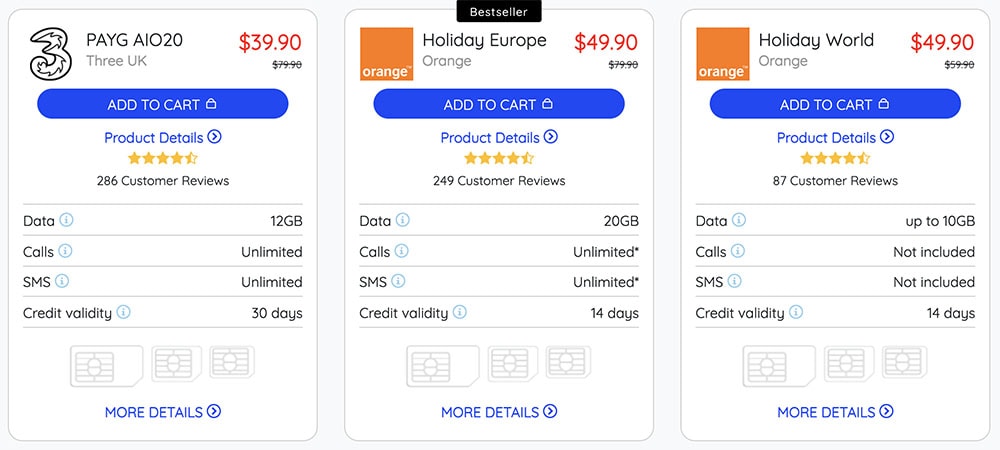
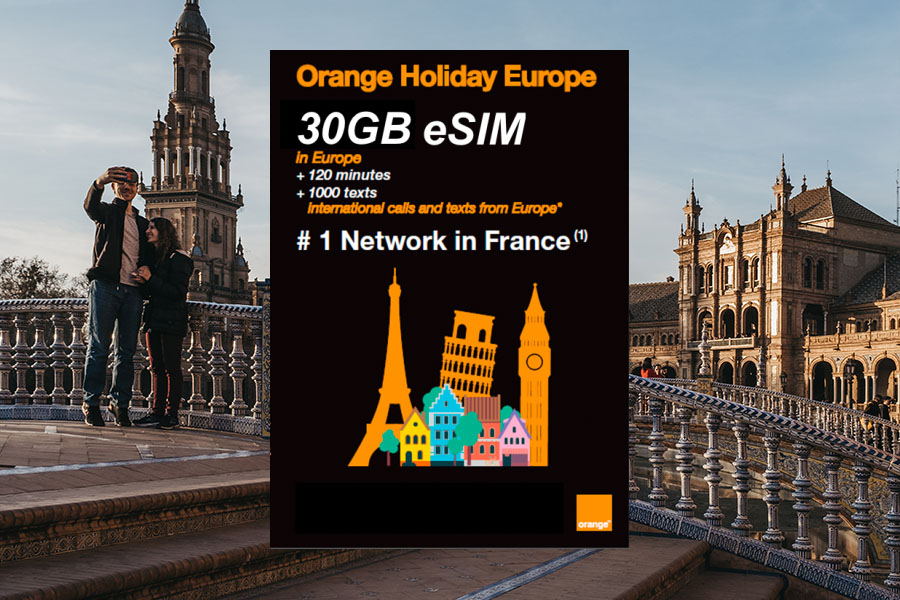
Authorized resellers such as SimOptions and Holafly provide access to prepaid plans managed by major European operators including Orange, Three UK, Bouygues Telecom, and O2. For example, the Orange Holiday Europe prepaid plan remains a popular option for tourists seeking substantial data allowances alongside international calling and texting capabilities. Orange maintains extensive network coverage throughout the continent, avoiding the reliability issues sometimes associated with smaller regional operators.
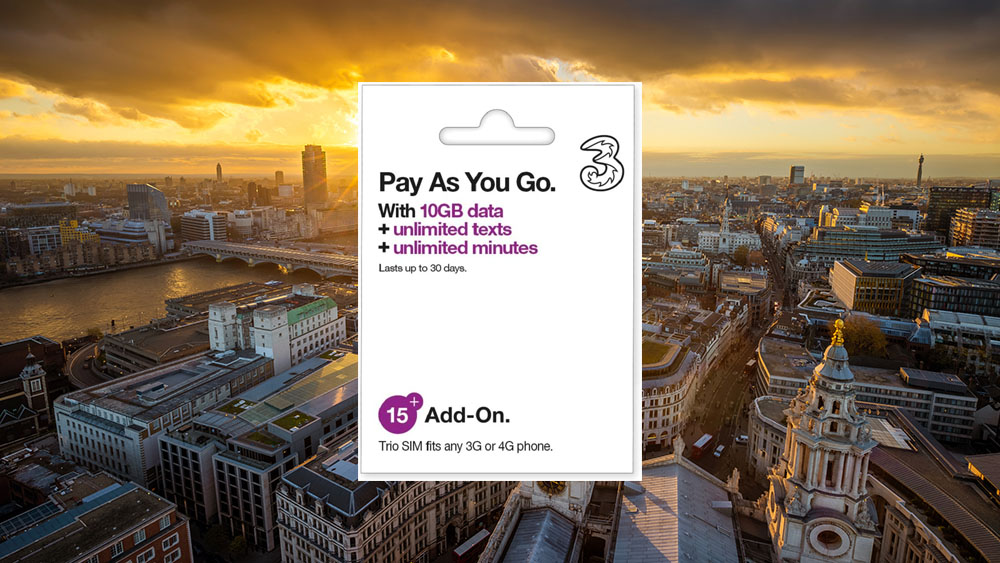
Alternative options include the Bouygues Telecom vacation packages and specialized data-heavy eSIMs from newer digital startups like Holafly, which offer extended data allowances or unlimited structures across variable trip lengths. Similarly, providers like Three UK offer competitive pay-as-you-go packages tailored for longer itineraries spanning up to a month.
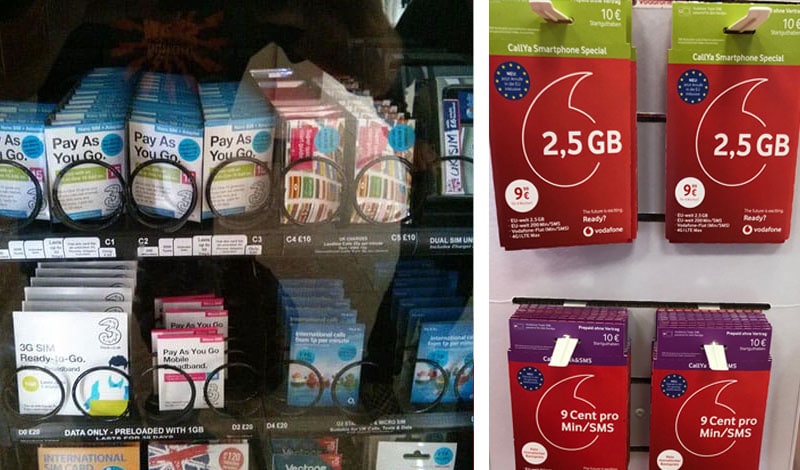
When digital eSIMs are not an option, physical prepaid SIM cards can be purchased upon arrival at European airports, local newsstands, vending machines, and carrier storefronts. Travelers utilizing physical cards must simply insert the new chip into the device tray and follow the included instructions, which occasionally require presenting a passport or registering a local address to comply with regional telecommunications laws.
Practical Strategies for Managing Mobile Data Abroad
Beyond selecting the right cellular plan, managing data consumption effectively helps travelers avoid unexpected overages and technical headaches. Background data usage by social media platforms, email clients, and cloud backup services can quietly consume significant portions of a limited data allotment without the user’s direct awareness.
Adjusting smartphone settings to restrict background data access for non-essential applications helps preserve valuable megabytes for critical navigation and communication tasks. Additionally, downloading offline regional maps through mapping applications allows travelers to navigate urban environments accurately without drawing on cellular data, as standard device GPS functions operate independently of a cellular connection.
Utilizing internet-based messaging and voice applications like WhatsApp has also become standard practice across Europe, with many local businesses, rental hosts, and residents relying on these platforms as their primary means of communication. Pairing these digital tools with a reliable portable battery charger ensures that smartphones remain powered through long days of sightseeing, photography, and navigation across unfamiliar cities.