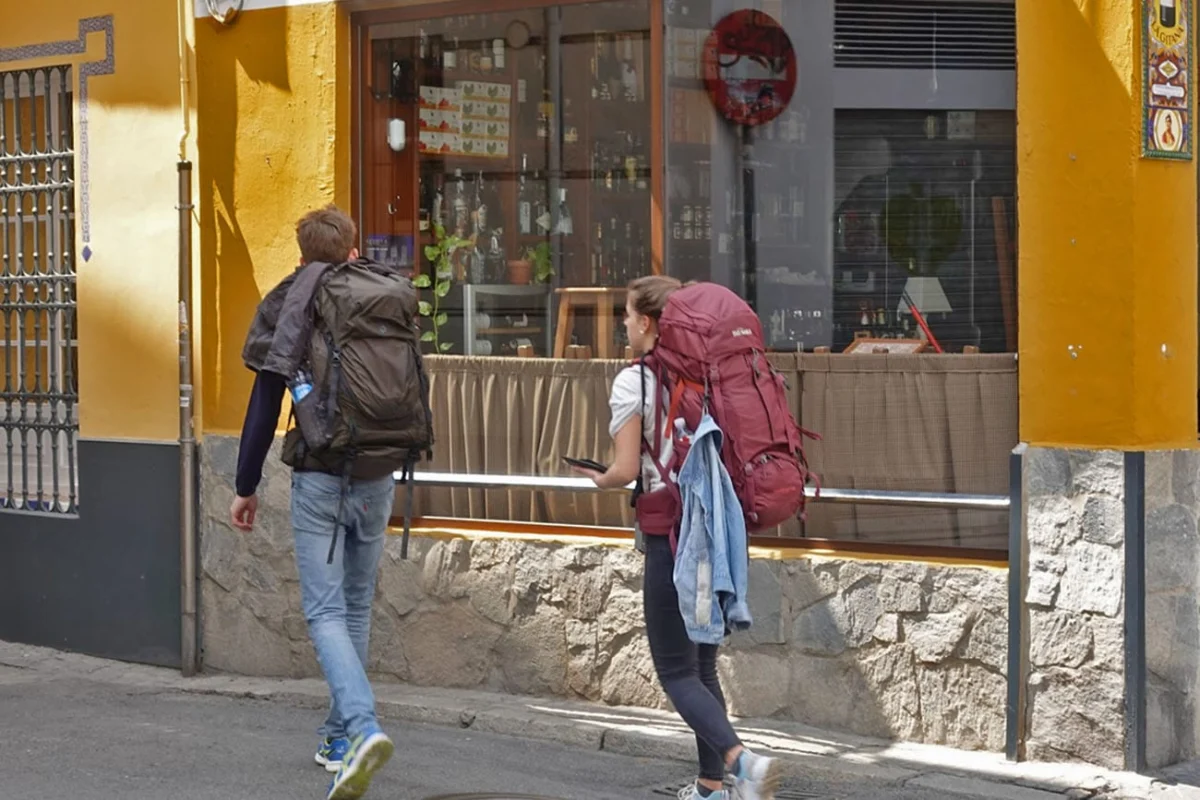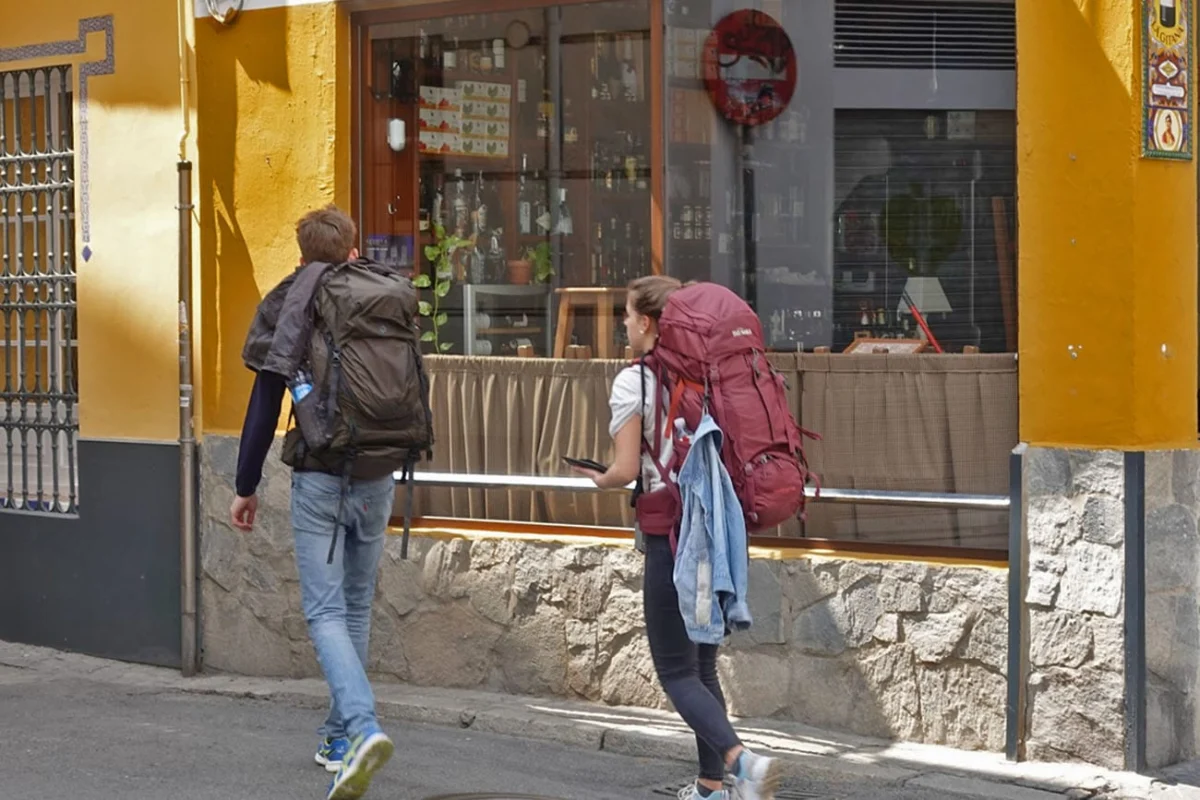
For first-time travelers embarking on a journey across Europe, packing can often prove to be one of the most daunting hurdles of the entire planning process. Many novices fall into the common trap of bringing far too much luggage, making the transit between cities, trains, and cobblestone streets unnecessarily exhausting. Overpacking also draws unwanted attention, turning travelers into bigger targets for thieves who capitalize on cumbersome bags that are difficult to monitor.
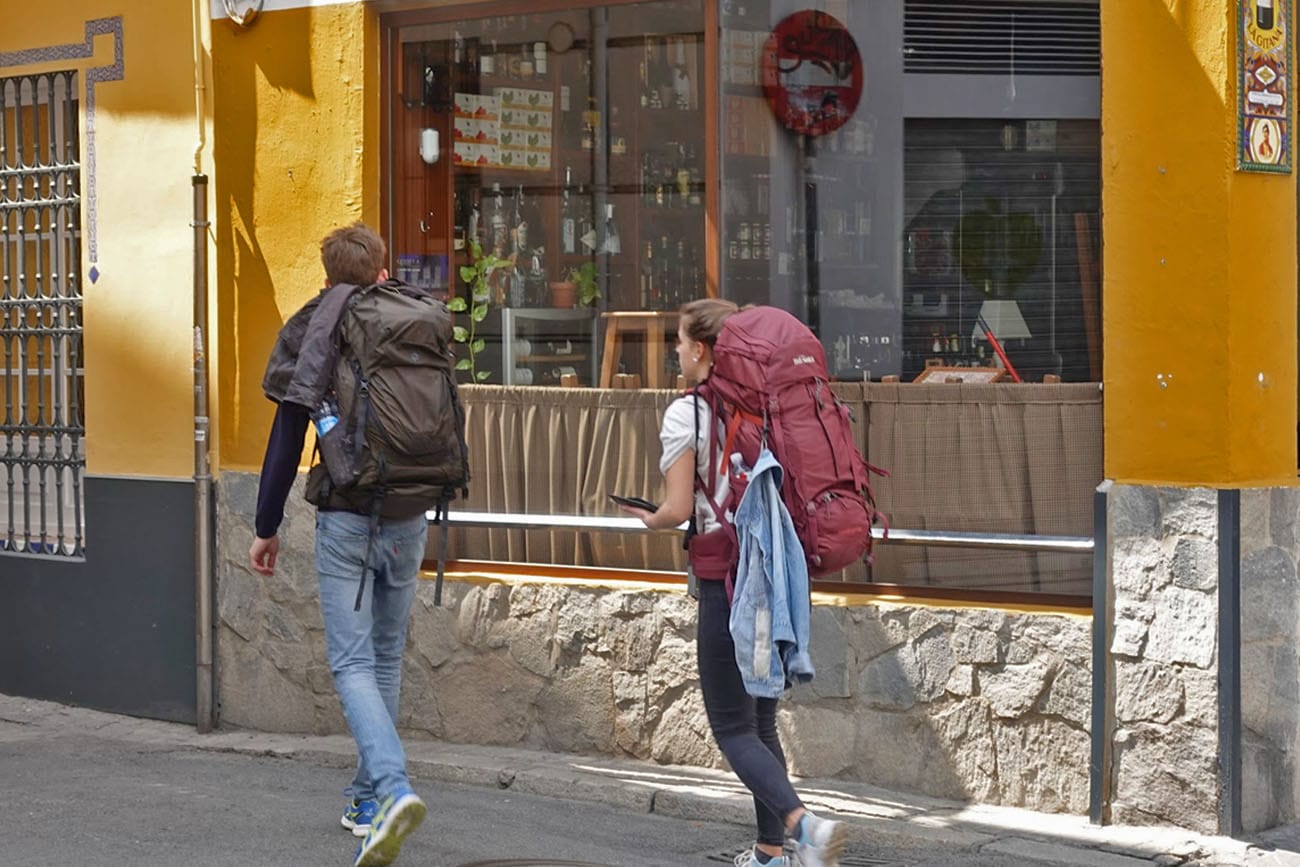
To address these common pitfalls, travel experts and seasoned backpackers have outlined foundational guidelines to help travelers determine precisely what gear, clothing, and electronics to bring while mastering the art of packing light.
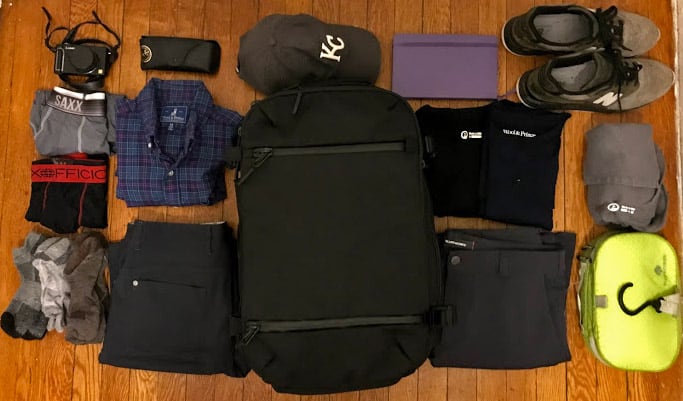
The golden rule for backpacking through Europe is to limit total gear weight to between 20 and 22 pounds, including the weight of the backpack itself. Exceeding the 22-pound, or 10-kilogram, threshold creates a significant risk of violating carry-on weight restrictions enforced by budget European airlines. Even when airline limits are not an immediate concern, keeping bag weight down to roughly 20 pounds is crucial for protecting your back during long days of transit and exploration.

Achieving this lightweight standard requires ruthlessly cutting down on excess clothing, bulky toiletries, and multiple pairs of shoes. Clothing naturally constitutes the heaviest portion of any travel pack. Experienced globetrotters emphasize that packing for a two-week trip is virtually identical to packing for a two-month journey, as modern travelers can easily wash clothes at local laundromats or hostels when needed.

Liquid toiletries, such as full-sized bottles of shampoo, body wash, and heavy creams, add unnecessary pounds within moments. Travelers are advised to stick strictly to travel-sized essentials or purchase personal care items locally as needed along the route. Similarly, footwear should be strictly restricted to avoid unnecessary bulk, with experts recommending no more than two pairs of shoes for any minimalist traveler.
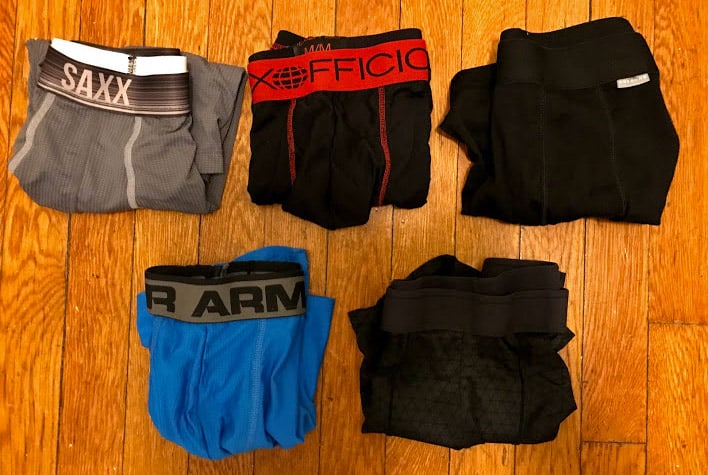
When it comes to the specific clothing inventory, socks and undergarments form the foundational layer of any packing list. Travel veterans universally advise against skimping on socks, recommending between five and eight pairs of high-quality material. Lightweight merino wool socks are widely praised for their natural ability to keep feet dry, odor-free, and blister-free during the summer months, while heavier variants cater to winter conditions. Quality socks can often be worn multiple times before requiring a wash, and some travelers recommend swapping socks halfway through the day for optimal foot comfort. Underwear should similarly focus on synthetic, breathable, and quick-drying fabrics, with a recommended supply of five to nine pairs.
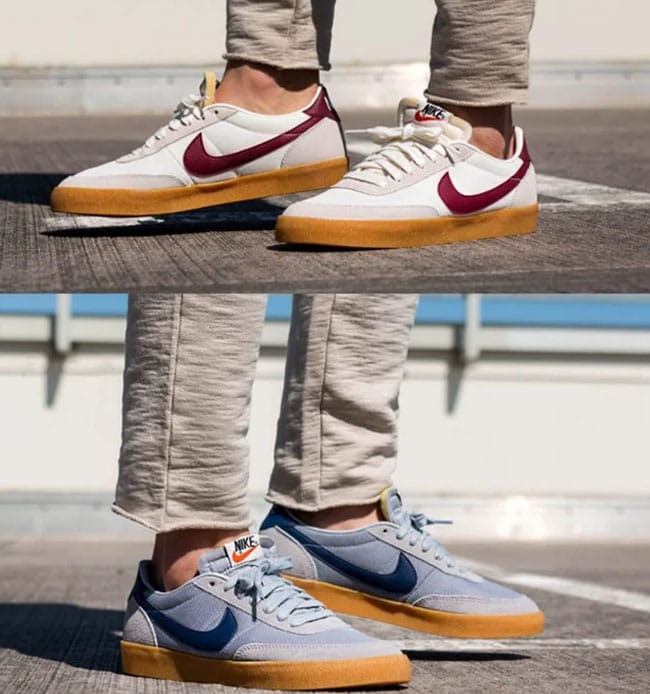
Footwear choices demand careful consideration since travelers often spend hours exploring historic city centers on foot. While minimalist travelers stick to a single pair of supportive, stylish sneakers, others opt for two pairs, combining comfortable walking shoes with a pair of cheap rubber flip-flops designated for hostel showers. Heavy hiking boots and formal dress shoes are generally discouraged unless the itinerary involves dedicated wilderness trekking or high-end dining experiences that justify the extra weight.

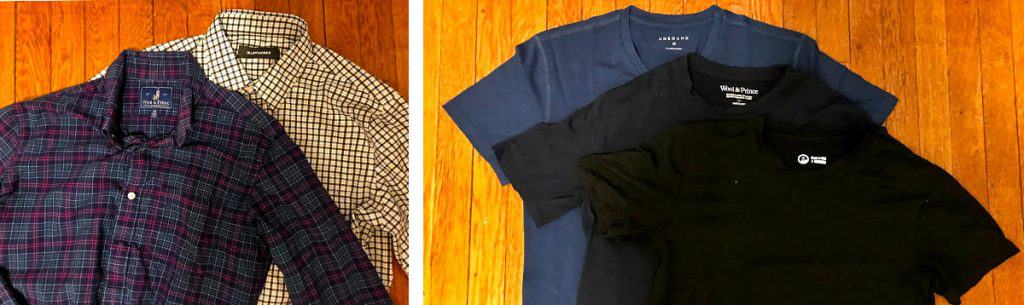
Shirts and tops require a strategic approach centered on versatility and layering. Travelers often pack a combination of casual button-up shirts, solid color t-shirts made from cotton or merino wool, and one or two lightweight sweaters for cooler evenings. Long-sleeve button-ups offer the flexibility of rolling up sleeves during warm afternoons while providing extra coverage when temperatures drop.
Pants should be kept to a minimum, typically consisting of two reliable pairs. Dark jeans serve as a durable, versatile staple that matches nearly any outfit and can be worn repeatedly between washes, aligning seamlessly with European street fashion. Paired with a lightweight pair of neutral-colored chinos, travelers can easily transition between casual daytime sightseeing and more refined evening outings. While traditional European dress norms once discouraged shorts, they are now common across the continent, though travelers often avoid overly baggy cargo or athletic styles to blend in more naturally.

Jackets and rainwear selection depends heavily on the season and specific geographic regions visited, ranging from lightweight windbreakers to insulated winter coats. Essential miscellaneous items round out the wardrobe before moving into specialized travel accessories.
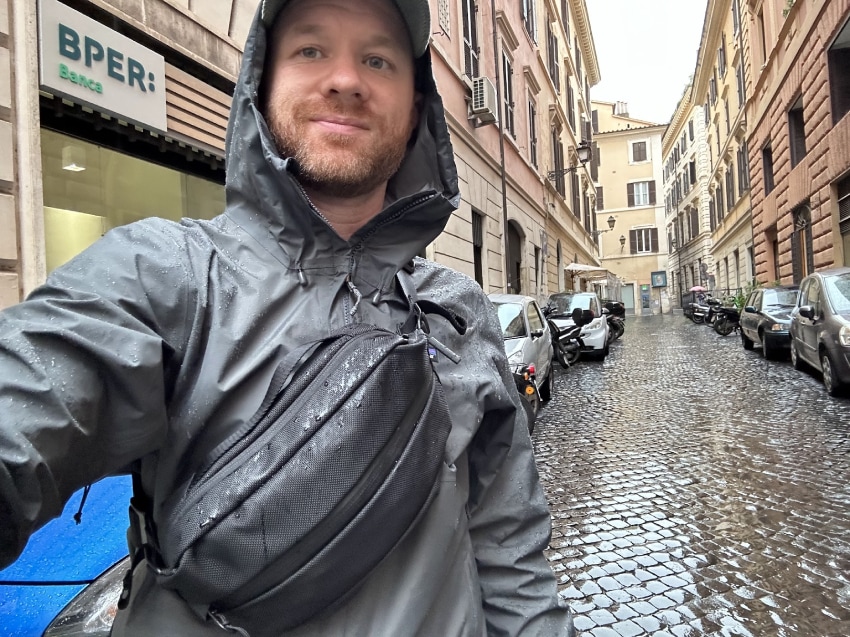
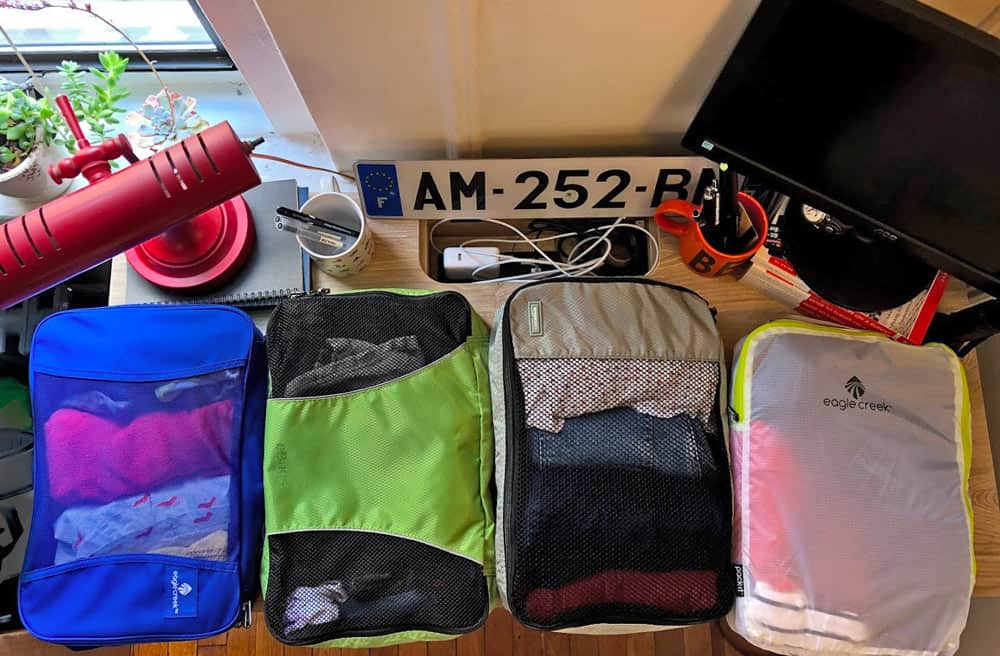
A reliable travel backpack serves as the cornerstone of any European backpacking adventure. Frame-supported carry-on packs from reputable brands help streamline train travel and boarding procedures. Inside the main pack, packing cubes revolutionize organization by compartmentalizing clothing categories—such as separating socks, underwear, and shirts—which prevents clutter and compresses fabrics to maximize available space.
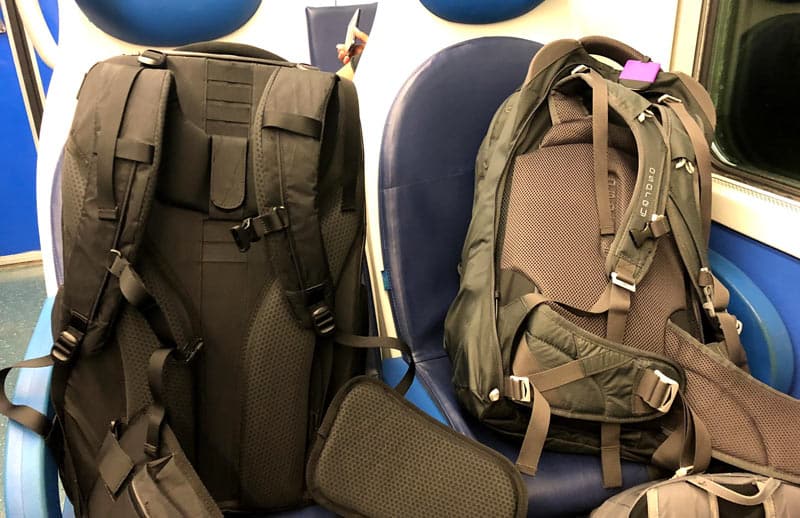
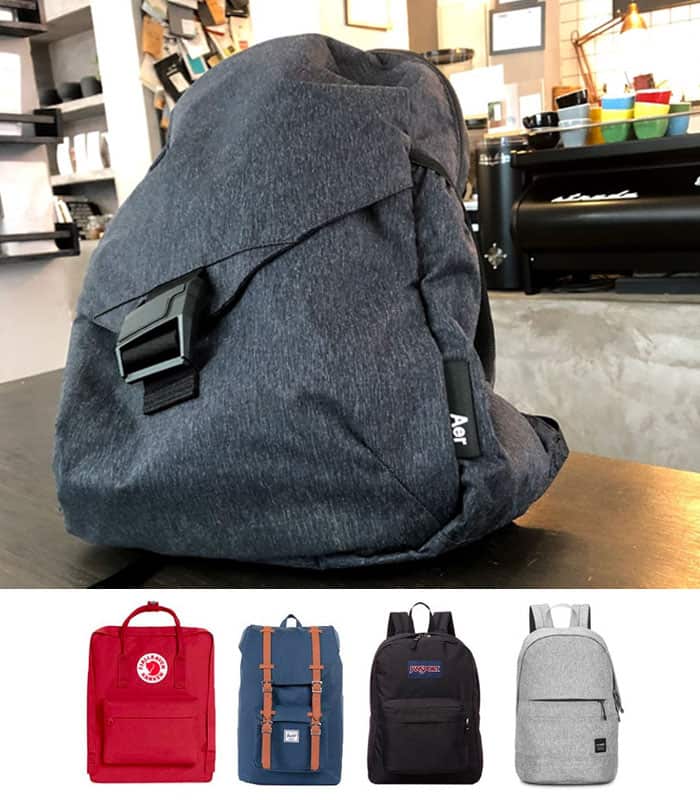
A lightweight daypack is equally essential for carrying daily necessities like cameras and rain jackets during city explorations while remaining compact enough to stow inside the main luggage during transit days. To stay connected affordably, travelers frequently utilize European eSIM data plans or local SIM cards, bypassing expensive international roaming fees charged by domestic mobile carriers.
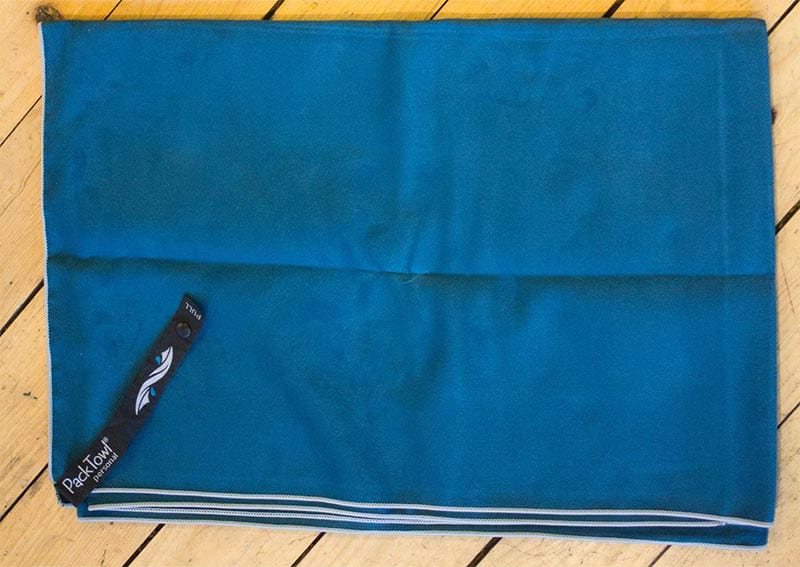
Additional travel accessories significantly enhance comfort and security on the road. Quick-drying travel towels prevent the musty odors associated with damp traditional towels packed into confined spaces. Compact keychain flashlights assist with navigating dark hostel dormitories without disturbing fellow travelers. Small notebooks allow visitors to record budgets, directions, and memorable reflections, eventually serving as cherished physical souvenirs. Padlocks and retractable cable locks secure belongings to hostel bunks and luggage racks, while sleep sheets, earplugs, and eye masks mitigate the disruptions common in shared accommodations and overnight transit.
Practical items such as flexible water bottles, plastic travel utensils for impromptu picnics, toothbrush sanitizer covers, and digital luggage scales help prevent overweight baggage fees at airports. Maintaining both physical and digital photocopies of passports, alongside ziplock bags for organization and leak prevention, ensures preparedness for any logistical surprise. Money belts remain a popular deterrent against pickpocketing in crowded tourist hubs, while compact travel umbrellas and portable laundry supplies handle sudden weather changes and garment maintenance.

Modern electronic accessories require thoughtful planning due to differing electrical voltages and plug configurations across international borders. While standard North American high-end electronics like smartphones, laptops, and cameras generally operate safely using simple outlet plug adapters, travelers benefit from bringing travel power strips and portable phone chargers to combat rapidly draining batteries caused by navigation apps and photography. E-readers, lightweight tablets, and compact headphones round out the typical technology inventory, providing entertainment during long train journeys and flights.
Toiletries should be kept strictly to a minimum, with comprehensive travel insurance policies offering vital protection against medical emergencies, flight cancellations, and lost gear. By avoiding unnecessary gadgets and adhering to strict lightweight packing philosophies, travelers can ensure a smoother, safer, and far more enjoyable journey through Europe.