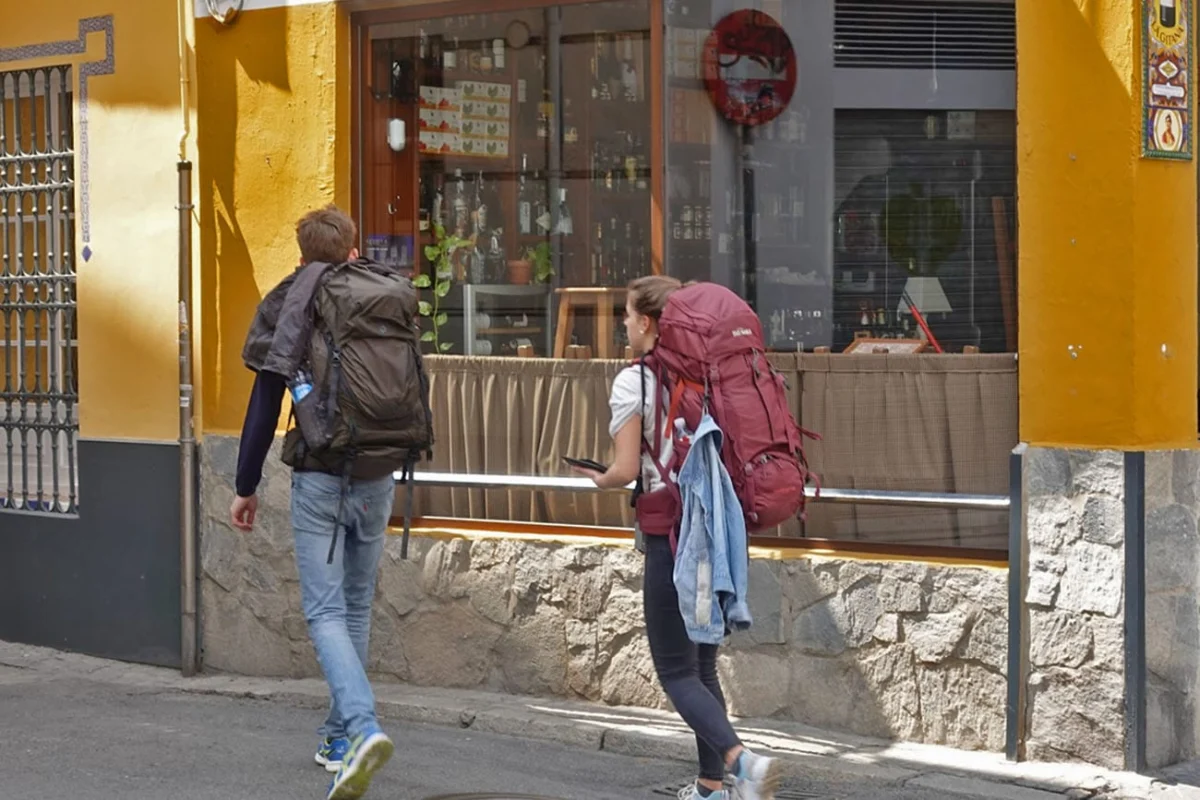
For first-time travelers, preparing for a journey abroad can quickly become an overwhelming exercise in logistics. Many novice adventurers fall into the common trap of bringing far too many possessions, inadvertently turning simple transits between European cities into exhausting endurance tests. Beyond the physical toll of hauling an overly heavy pack, excessive luggage can signal vulnerability, making travelers bigger targets for opportunistic thieves who realize it is far more difficult to keep track of a massive collection of belongings.
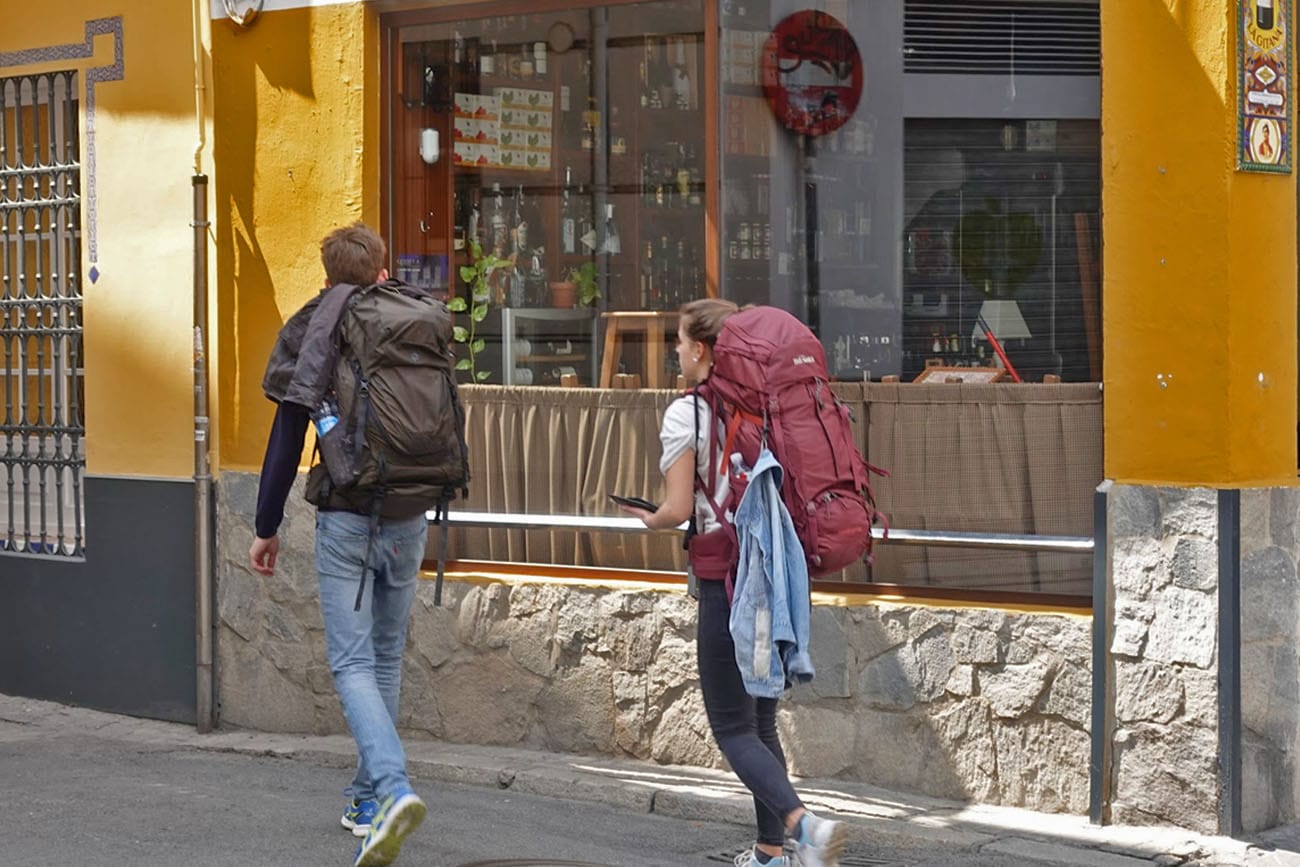
To help travelers navigate these common pitfalls, veteran travel experts and budget backpacking authorities have released comprehensive guidance designed to streamline the packing process. By focusing on the absolute essentials—such as versatile clothing, compact gear, and lightweight alternatives—adventurers can significantly reduce their load without sacrificing comfort or style.
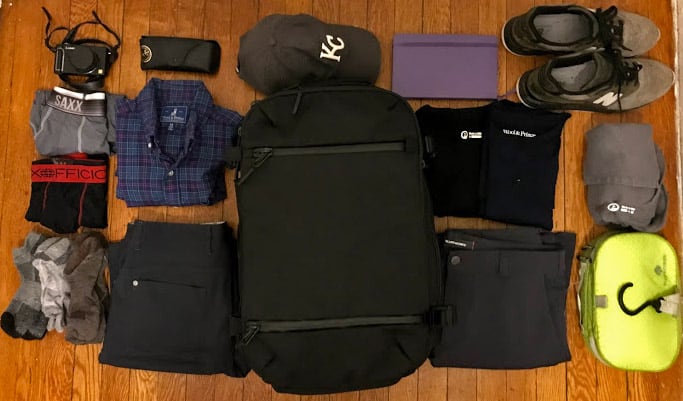
Quick Tips for Packing Light
The foundational rule of efficient European backpacking is adhering to a strict weight limit. Travel veterans strongly advise limiting total gear and luggage weight to between 20 and 22 pounds, or roughly 10 kilograms. Exceeding this threshold not only invites severe weight penalty fees when flying with budget European airlines, but it also protects the traveler’s back and shoulders from unnecessary strain during long days of walking over cobblestone streets.

When attempting to maintain a balance between light travel and personal style, experts suggest leaning on strategic wardrobe choices rather than sheer volume of clothing. Because laundry facilities are readily available across the continent, there is virtually no functional difference between packing for a two-week trip and a two-month excursion. Travelers can easily wash clothes on the road, eliminating the need to pack separate outfits for every single day.
Trimming down toiletries is another critical strategy for keeping luggage light. Bulky, full-sized bottles of shampoo, body wash, and other personal care items quickly add multiple pounds and take up valuable space. Travelers are encouraged to pack only the absolute basics in travel-sized containers, keeping in mind that everyday items can easily be purchased at local shops upon arrival in Europe. Similarly, while many travelers are tempted to pack an assortment of footwear, maximizing efficiency means limiting shoes to a maximum of two pairs.
Essential Clothing and Wardrobe Strategies
Clothing naturally constitutes the bulk of any traveler’s luggage, making it the most impactful area for weight reduction. When selecting garments, experienced backpackers emphasize the importance of high-performing fabrics like merino wool and synthetic blends, which offer superior breathability, moisture management, and odor resistance.
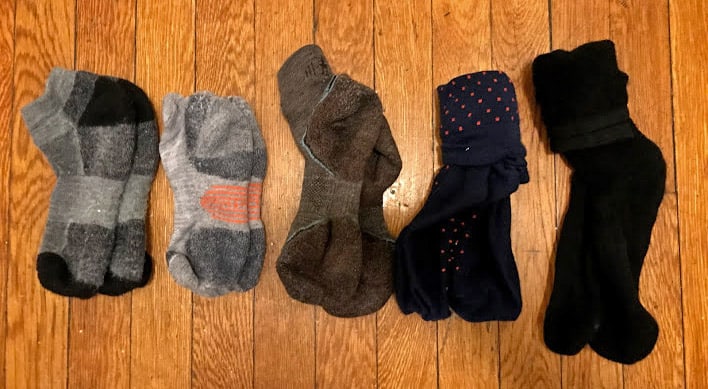
Socks are one area where seasoned travelers advise against cutting corners. Quality merino wool socks keep feet dry and blister-free, and their natural anti-microbial properties allow them to be worn multiple times before needing a wash. Packing six to seven pairs ensures a fresh rotation, though switching socks halfway through a long day of sightseeing is an additional trick to maintain foot comfort.

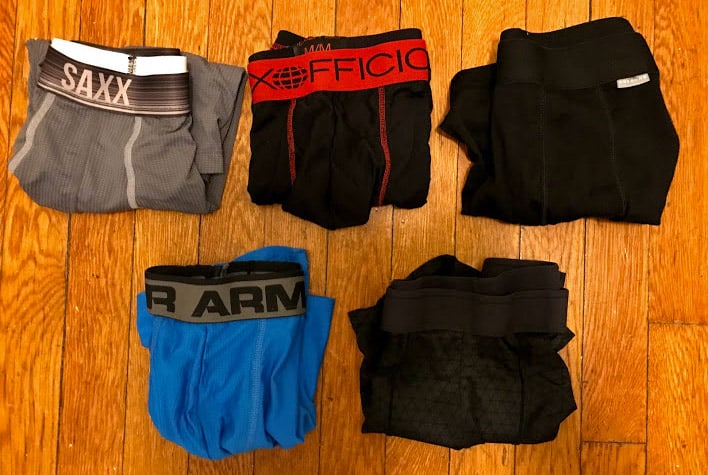
Underwear should similarly be chosen with performance in mind. Opting for five to nine pairs of quick-drying, breathable synthetic materials ensures comfort and easy sink-washing during transit.
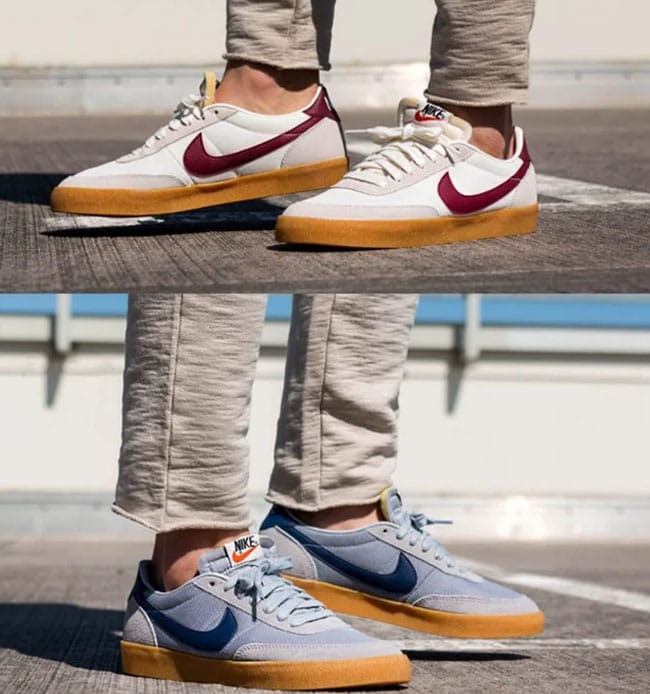
When it comes to footwear, travelers will log countless miles on their feet exploring European cities, making comfortable and supportive shoes non-negotiable. While some prefer sturdy, all-terrain sneakers or supportive leather designs that transition easily from daytime sightseeing to evening dining, others opt for weather-resistant trail shoes if visiting during rainy seasons. However, heavy hiking boots and formal dress shoes are generally best left at home, as a smart pair of clean sneakers will suffice for the vast majority of urban venues and budget-friendly establishments. A cheap pair of rubber flip-flops is also essential for navigating hostel showers.
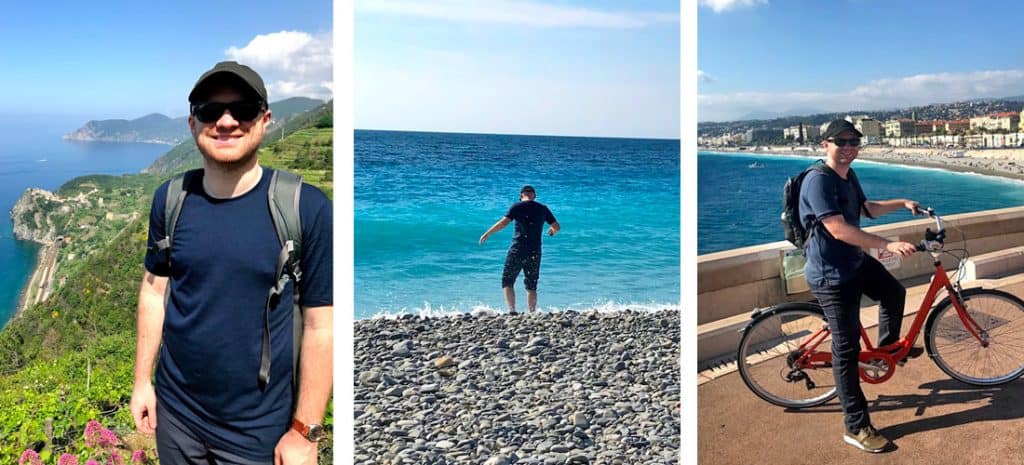
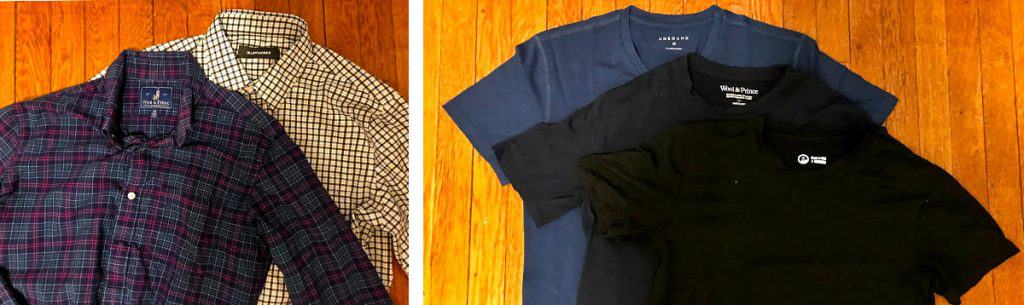
Building a cohesive wardrobe relies heavily on versatile layering pieces. Packing two to four casual button-up shirts—in short or long sleeves depending on the season—allows travelers to adapt to changing weather conditions. Solid-color t-shirts, numbering around three or four, serve as reliable base layers that can be worn independently or beneath button-ups to extend their freshness. One or two lightweight sweaters or sweatshirts round out the wardrobe for cooler evenings, particularly during spring and autumn itineraries.
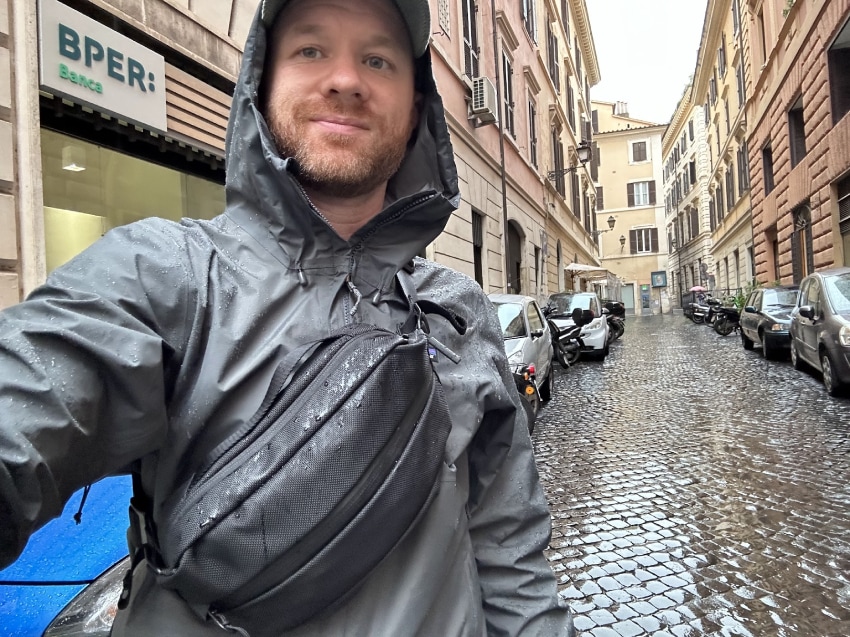
For lower-body wear, a minimalist approach works best. Most backpackers get by with just two pairs of pants: a durable, versatile pair of dark jeans that match everything and can be worn repeatedly between washes, and a pair of lightweight, neutral-colored chinos for a slightly elevated look. While traditional European dress codes once frowned upon shorts, casual wear has become much more widespread, particularly in Southern Europe, though travelers are still advised to steer clear of bulky cargo shorts to blend in more naturally. Finally, a lightweight, packable rain jacket or weather-appropriate outerwear piece should be included depending on the regional climate and time of year.
Travel Accessories and Smart Gadgets
Beyond clothing, selecting the right travel accessories can dramatically improve the day-to-day backpacking experience.
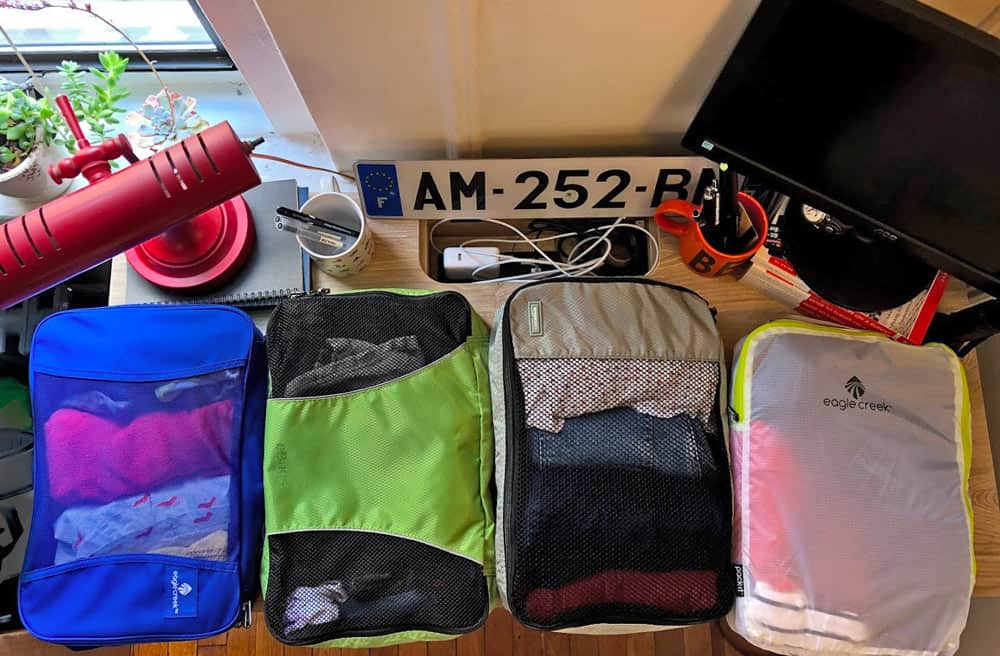
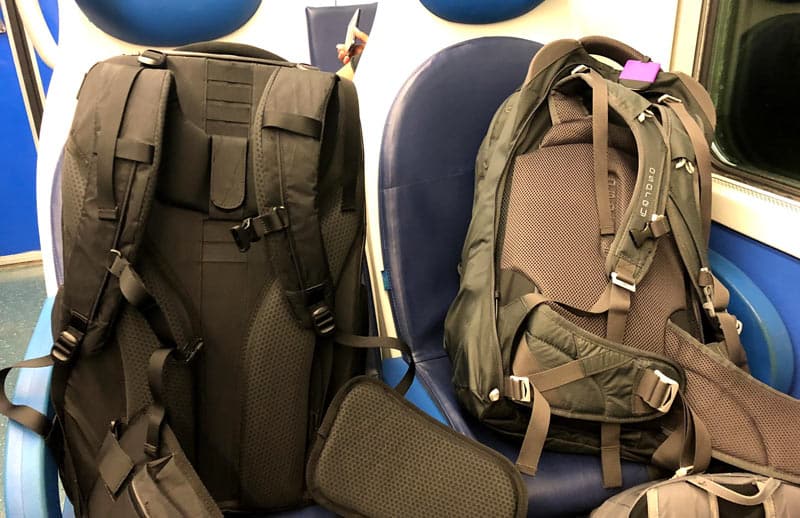
A quality travel backpack that meets carry-on dimensions is the most critical piece of equipment for any European trip. To keep the interior organized, experienced travelers swear by packing cubes. These lightweight compartments separate items like socks, underwear, and shirts, allowing quick access to clothing without requiring the traveler to rummage through the entire bag while helping to compress garments and minimize wrinkles.
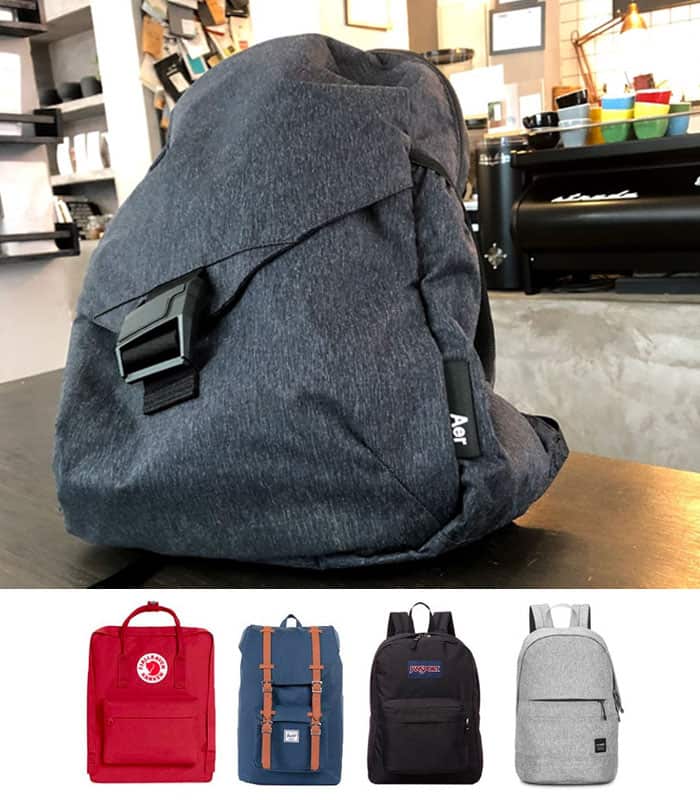
A compact daypack is equally valuable for carrying small essentials like a camera, water bottle, or rain jacket during daily excursions, and it can easily be stashed inside the main luggage during travel days.

To stay connected without incurring exorbitant international roaming fees from domestic mobile carriers, savvy travelers frequently utilize European eSIM cards or local SIM alternatives purchased through platforms like SimOptions or Holafly. This simple digital switch provides affordable mobile data for navigation and communication throughout the journey.
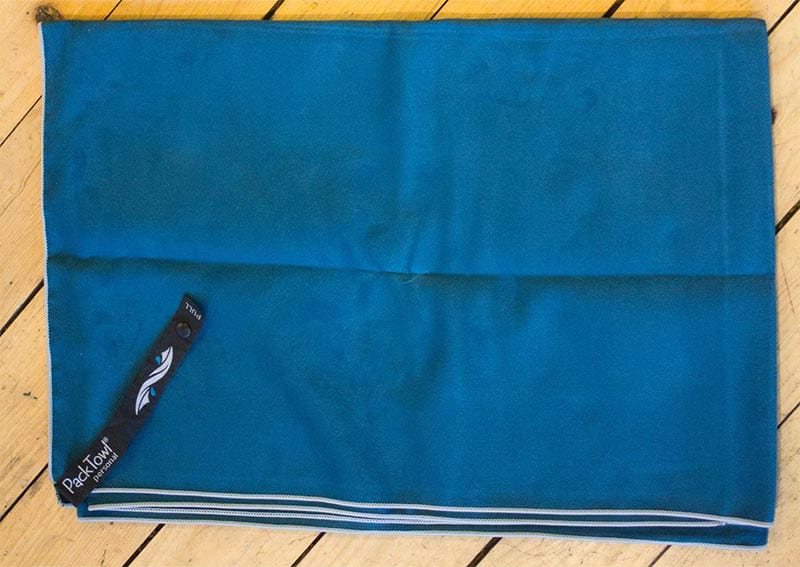
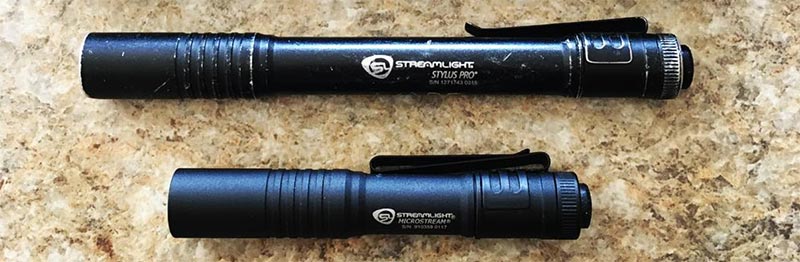
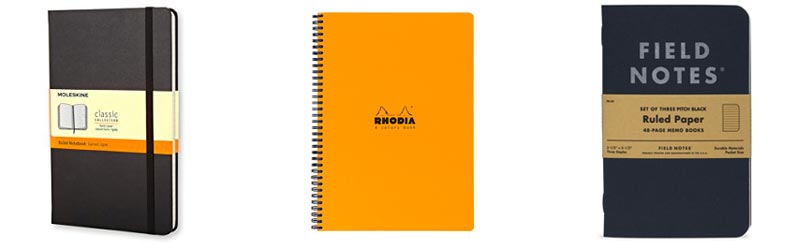
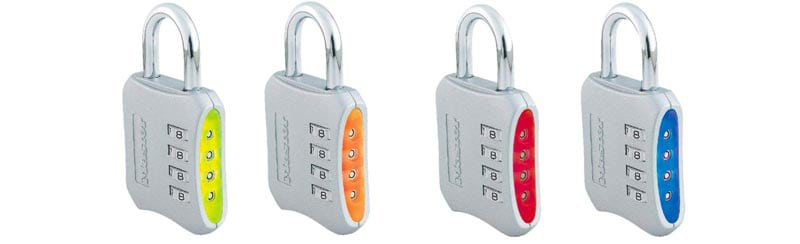
Other practical accessories include a quick-drying travel towel to prevent dampness and musty odors in the pack, a small LED flashlight or keychain light for navigating dark hostel dormitories without disturbing other guests, and a sturdy notebook for recording daily expenses, directions, and memories. Padlocks and retractable cable locks provide essential security for securing bags in hostel lockers or luggage racks, while silk or cotton sleep sheets, earplugs, and eye masks ensure restful sleep despite noisy environments or unfamiliar surroundings.
Hydration and dining on the go are easily managed with a flexible, collapsible water bottle and a durable set of travel utensils or a titanium spork, which prove invaluable during impromptu picnics where grocery stores do not provide cutlery. Simple organizational items like a digital luggage scale, physical and digital photocopies of important documents, sealable plastic bags for wet or dirty items, and a travel umbrella round out the practical gear list.
Modern travel also demands reliable electronic accessories. While standard American electronics often require voltage converters, high-end devices like smartphones, laptops, and cameras operate on dual voltages and require only simple plug adapters to function across continental Europe and the UK. Carrying a compact travel power strip with USB ports addresses the common shortage of wall outlets in budget accommodations, while a lightweight portable phone charger ensures devices stay powered through long days of using mapping applications and cameras. E-readers like the Amazon Kindle and wireless headphones or durable earbuds complete the tech loadout for long train and flight journeys.
By carefully curating their gear, prioritizing multi-use garments, and resisting the urge to overpack, travelers can ensure a much more comfortable, mobile, and enjoyable backpacking experience across Europe.