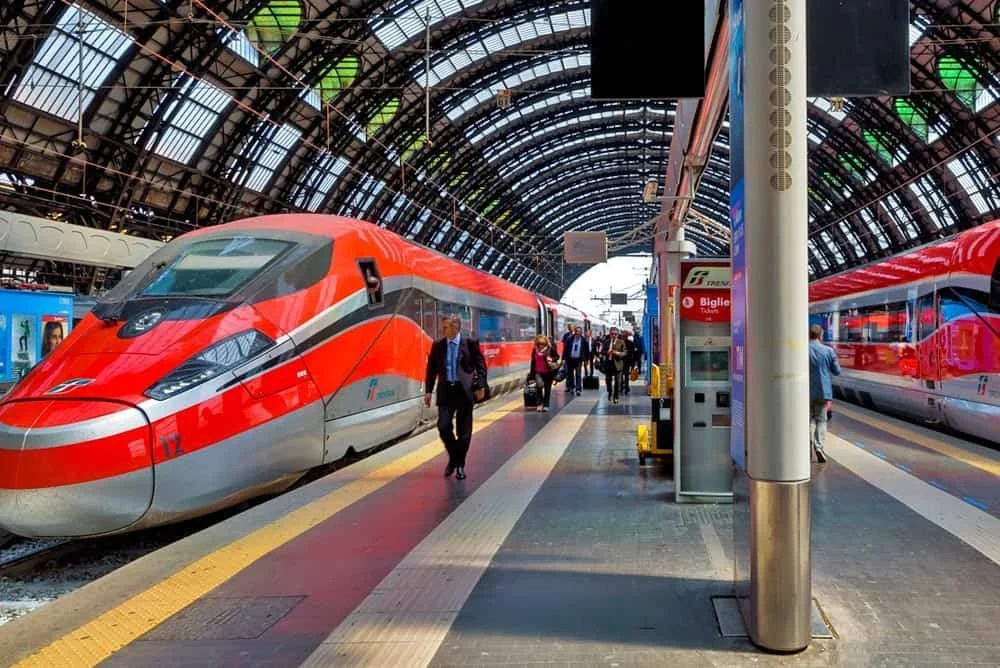
Traveling by train across Europe remains the quintessential way to tour the continent, blending efficiency, comfort, and a distinct sense of romance. For travelers unfamiliar with a country where rail infrastructure is a dominant mode of transportation, the European rail network can seem somewhat mysterious. However, mastering the system unlocks a seamless travel experience that connects major metropolitan hubs and tiny rural villages alike.
Understanding how to navigate this vast network involves mastering several key elements, from securing the best prices on tickets and understanding rail passes to interpreting train schedules, navigating sprawling stations, and troubleshooting common travel issues.
The Pros and Cons of Europe Train Travel
Like any mode of transportation, touring Europe by rail comes with a distinct set of advantages and disadvantages that travelers must weigh when planning their itineraries.
Advantages of Train Travel in Europe
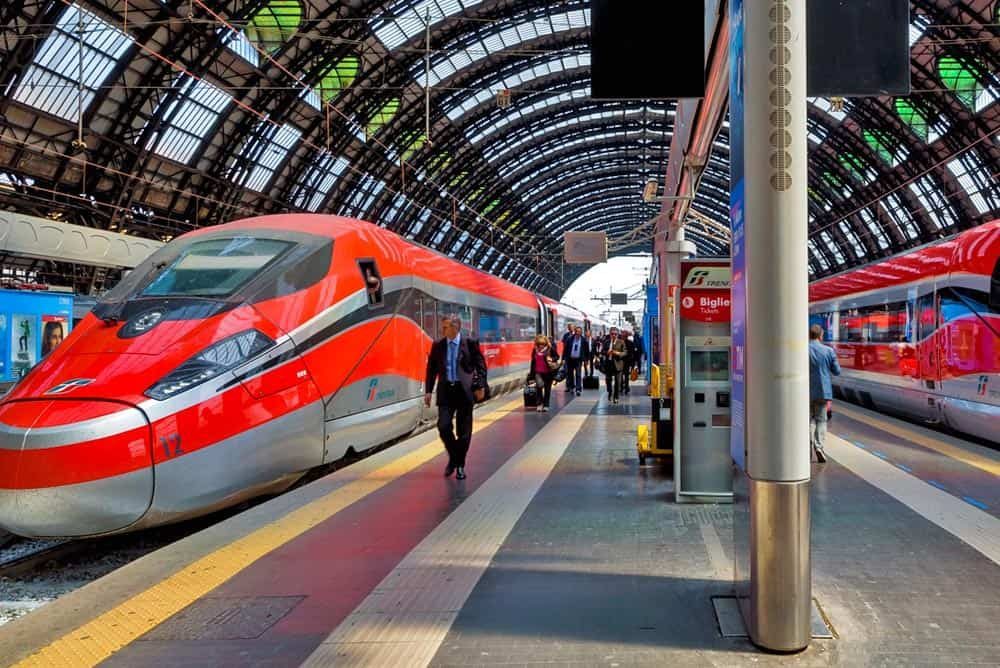
The primary appeal of European rail travel lies in its unparalleled convenience and comfort. Passengers are spared the rigorous security lines, baggage fees, and remote locations typical of modern airports. Instead, train stations are typically located right in the heart of city centers, allowing travelers to step off the platform and immediately begin exploring their destination.
Furthermore, the journey itself is often a highlight, offering sweeping views of the changing landscape that cannot be experienced from a highway or airplane window. High-speed rail networks connect major European capitals in a fraction of the time it would take to drive, while regional lines provide access to picturesque countryside towns. Passengers enjoy generous legroom, the freedom to walk around, and the ability to bring food and beverages on board, making the transit time relaxing rather than stressful.
Disadvantages of Train Travel in Europe
Despite its many benefits, train travel is not without its drawbacks. While regional and local train fares remain fixed regardless of when they are purchased, high-speed rail tickets operate on a variable pricing model similar to airlines. Consequently, booking late can result in exorbitant costs, and the cheapest tickets are frequently non-refundable, which limits spontaneity.
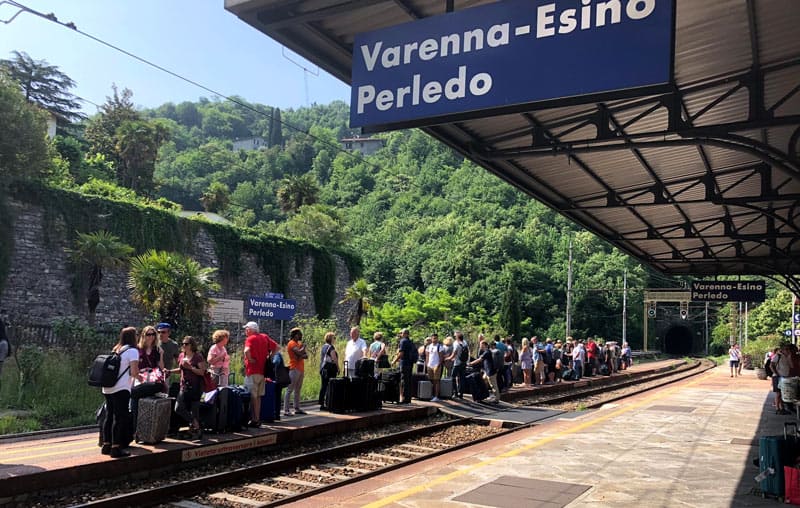
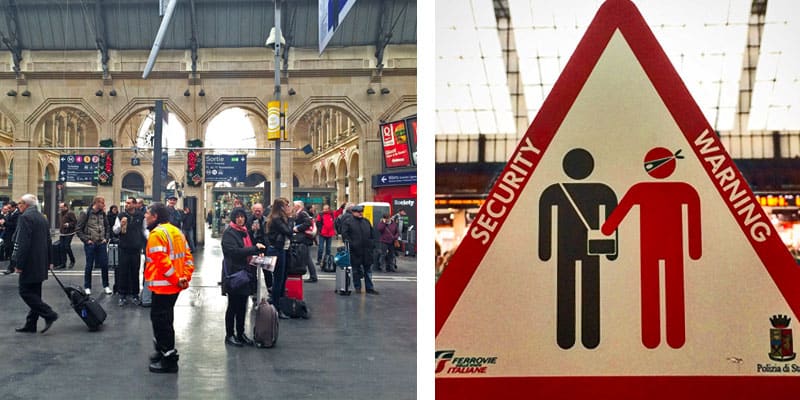
Additionally, navigating large, multi-level stations in major cities can be overwhelming, particularly during peak travel hours when platforms change frequently or delays occur. Passengers must also remain vigilant against pickpockets and tourist scams, which often target busy transit hubs where travelers are distracted by luggage and schedules.
Pre-Trip Train Journey Planning
Effective preparation is essential for a smooth European rail journey, and several specialized online tools have been developed to assist travelers with route planning.
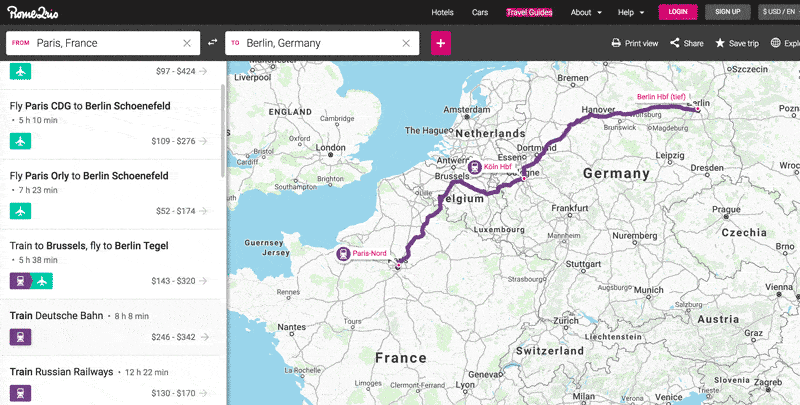
Platforms like Rome2Rio allow users to input their origin and destination to compare various transportation modes, including train, plane, bus, and car, complete with estimated costs and travel times. While Rome2Rio is excellent for broad comparisons, travelers seeking comprehensive train listings and competitive ticket prices frequently turn to dedicated booking engines such as Omio and Trainline.
For complex itineraries, the German Railways website, Bahn.de, is widely recognized by seasoned travelers as an invaluable resource. The site catalogs virtually every train schedule in Europe, providing critical details regarding whether specific routes require seat reservations. Because ticket purchasing on Bahn.de is generally restricted to German routes, travelers typically use the platform for scheduling and research before booking their fares through Omio, Trainline, or national rail operators.
How to Buy European Train Tickets
Purchasing train tickets in Europe can occasionally feel complicated because each country operates its own national rail service, often alongside private regional networks. Understanding the underlying pricing structures is crucial for securing the best financial value.
Understanding Train Ticket Pricing
European train fares are generally divided into two categories: variable-price fares and fixed-price fares. Variable fares fluctuate based on consumer demand, the day of the week, the time of year, and how close the departure date is. Virtually all high-speed and long-distance trains utilize this model, meaning that purchasing tickets weeks or months in advance yields substantial savings, whereas buying on the day of travel can be remarkably expensive.
Conversely, fixed-price fares are determined strictly by the distance traveled. This pricing structure is standard on regional, commuter, and slower local trains. Because the price never changes, there is no financial advantage to purchasing regional tickets far in advance, and they can easily be bought on the day of departure without penalty.
Where to Buy European Train Tickets
Travelers generally choose between third-party booking sites and national rail websites when purchasing tickets. Third-party platforms like Omio and Trainline offer significant advantages, including user-friendly English-language interfaces, consolidated search results across multiple operators, and streamlined digital ticket management.
However, checking individual national rail websites can sometimes uncover exclusive, limited-time promotional deals that third-party aggregators do not feature. National operators across the continent maintain their own digital portals for domestic and international bookings, though the functionality and ease of use vary significantly by country. In certain parts of Eastern Europe where online booking infrastructure is still developing, tickets must be purchased directly at station ticket windows or through local travel agencies.
Receiving and Managing Tickets
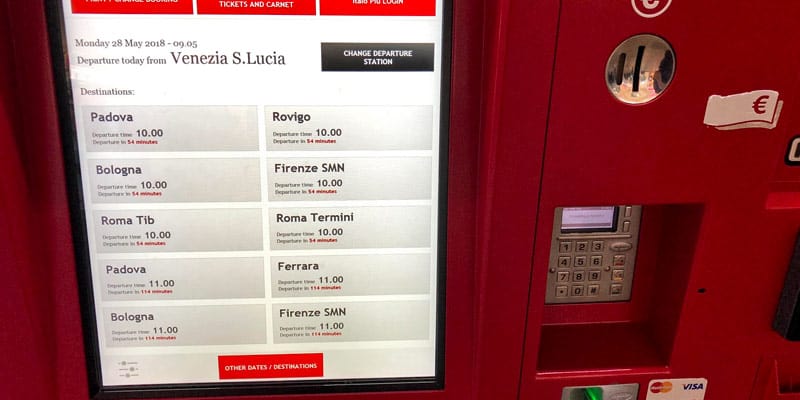
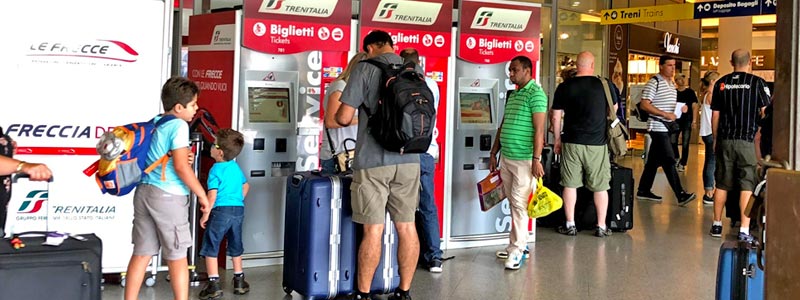
Digital ticketing has become the industry standard across most of Western Europe, allowing passengers to store electronic tickets directly on their smartphones or mobile devices. This shift makes having reliable mobile data essential for accessing tickets on the go. For physical paper tickets, passengers can collect them at station ticket counters or automated vending machines, or occasionally receive them via postal mail depending on the booking platform.
When purchasing tickets for high-speed trains, booking well in advance is critical. While tickets typically become available sixty to ninety days prior to departure, purchasing even a few weeks early can yield massive savings compared to last-minute station purchases. However, travelers prioritizing spontaneity often opt for rail passes instead of point-to-point tickets to maintain maximum flexibility.
Eurail Passes
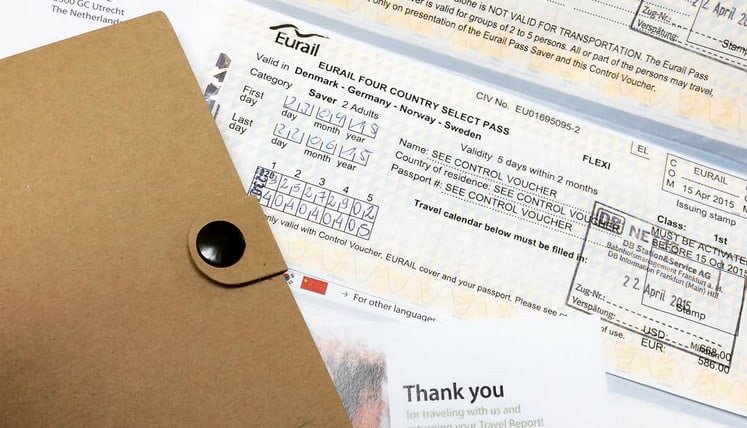
For travelers embarking on extensive multi-country itineraries, Eurail passes offer an alternative to purchasing individual point-to-point tickets. A Eurail pass functions as a flexible travel document permitting the holder to board eligible trains across participating European networks by simply showing the pass to the conductor.
Rail passes are available in various formats, ranging from continuous passes that allow unlimited travel every day over a set period to flexible travel days distributed across a broader timeframe. The primary advantage of a Eurail pass is the freedom it provides, allowing travelers to alter their schedules spontaneously without worrying about the rising costs of last-minute ticket purchases.
However, passes do have drawbacks. They often require additional mandatory seat reservation fees for high-speed and sleeper trains, and for travelers visiting only one or two countries, purchasing individual advance-purchase tickets is frequently more cost-effective than investing in a comprehensive pass.
Navigating the Train Station
European train stations serve as bustling central transportation hubs, combining transit infrastructure with shopping, dining, and passenger services. Arriving at a major station requires careful attention to detail, particularly in cities with multiple stations, such as Paris, which operates six distinct terminals.
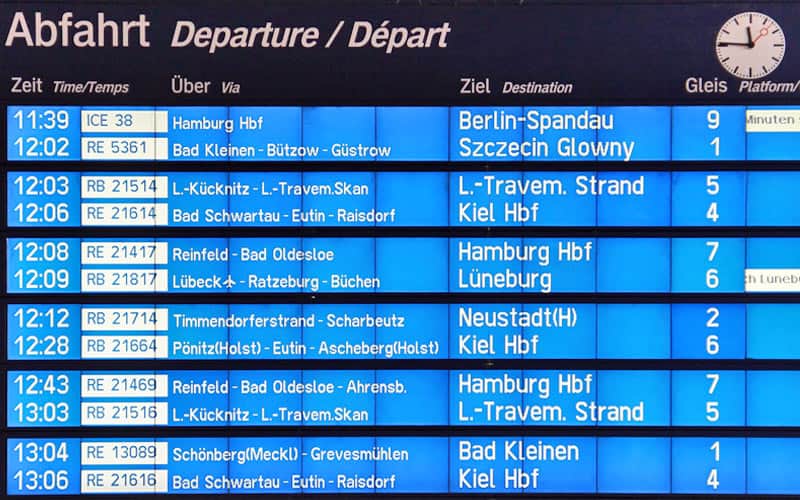
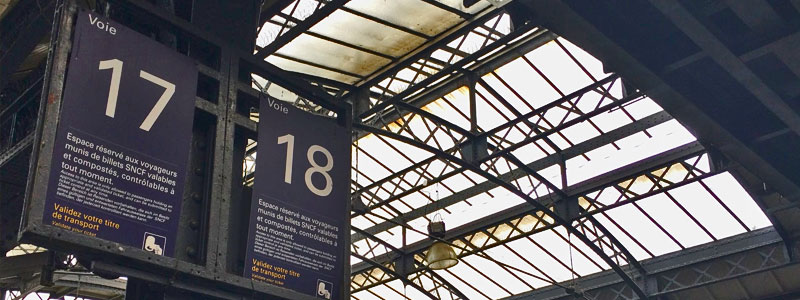
Upon entering the station, travelers should immediately locate the departure boards, which display train numbers, scheduled departure times, and assigned platforms. Because platform assignments are frequently updated only ten to fifteen minutes before departure, passengers must monitor the boards closely.
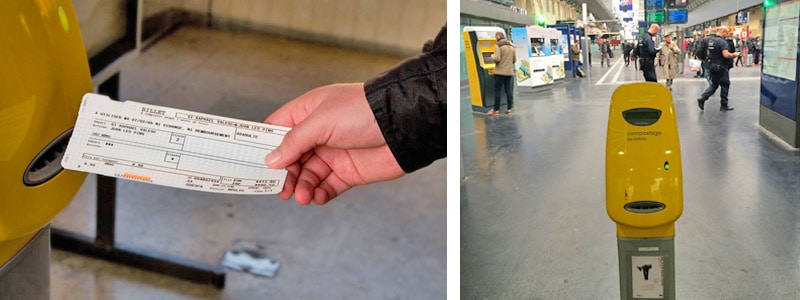
Once the platform is announced, travelers navigate to the correct track, keeping in mind that physical paper tickets in certain countries must be validated in stamping machines located near the platform entrance to avoid substantial fines. Electronic tickets generally do not require physical validation, as they are tied to specific scheduled services.
On the Train
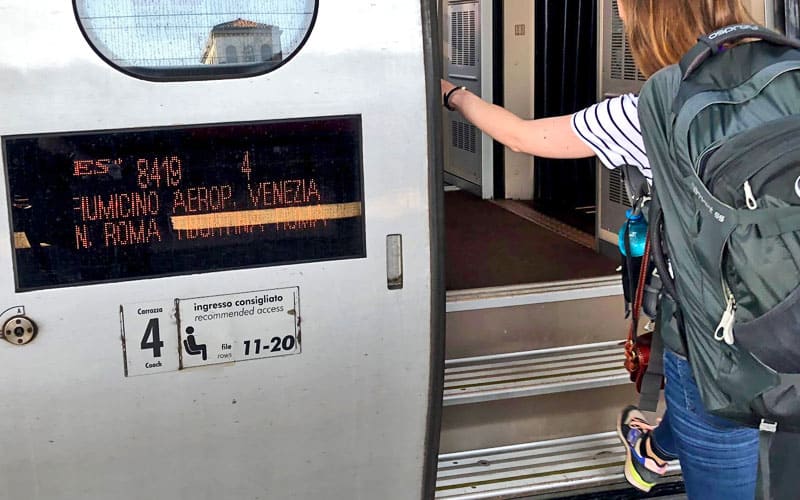
Once on board, finding the assigned seat and stabling luggage are the immediate priorities. Smaller bags fit securely on overhead racks, while larger suitcases are accommodated in dedicated storage areas located near the ends of each train car.

A ticket conductor will typically walk through the train to inspect tickets within ten to twenty minutes of departure. Passengers are free to move about the train, visit dining or bar cars, and relax as the landscape passes by. Knowing the exact stop is crucial, as major cities often feature multiple stations along the same rail corridor, requiring passengers to distinguish between suburban stops and central terminal hubs.