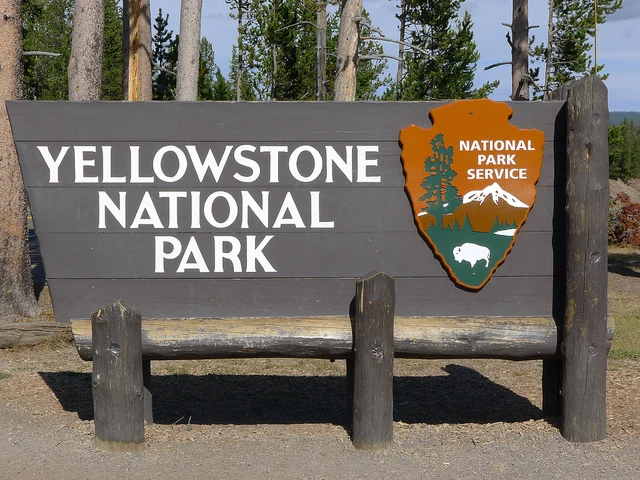
A dramatic, eleventh-hour compromise in Washington has successfully averted a disruptive federal government shutdown, securing a sigh of relief for travelers, local business owners, and park administrators alike. Under the terms of a short-term continuing resolution passed by Congress, federal funding has been extended for 45 days, ensuring that iconic public lands, including Yellowstone National Park, will remain fully operational and accessible to the public throughout the remainder of the autumn season.
The legislative breakthrough materialized late yesterday afternoon when House Speaker Kevin McCarthy introduced a stopgap measure designed to keep federal agencies running past a looming midnight deadline. With a funding expiration set for 12:01 a.m., lawmakers faced intense pressure to reach an agreement that would prevent widespread disruptions to government services, air travel, national security, and public recreation areas.
Characterized by legislators from both sides of the aisle as a “clean” bill, the temporary legislation focuses strictly on maintaining current federal spending levels while incorporating essential disaster relief funding for communities recovering from recent natural disasters. Notably, the compromise omitted more contentious policy battles, excluding both proposed funding for Ukraine and any new modifications to federal border-control tactics. This streamlined approach helped garner broad, bipartisan support despite the polarized political climate in the nation’s capital.
When the measure finally came to the floor of the House of Representatives, it passed by a decisive 335-91 margin. The vote revealed interesting political divisions, with 90 conservative Republicans voting in opposition alongside a single dissenting Democrat, while the remaining majority of lawmakers from both parties bridged the partisan divide to push the legislation through.
Following its passage in the House, the bill was rapidly transmitted to the United States Senate, where it cleared its final legislative hurdle with remarkable speed, passing by an overwhelming 88-9 margin. The swift action ensured that President Biden could sign the measure into law just in time, neutralizing the immediate threat of a government funding lapse that would have shuttered federal operations nationwide.
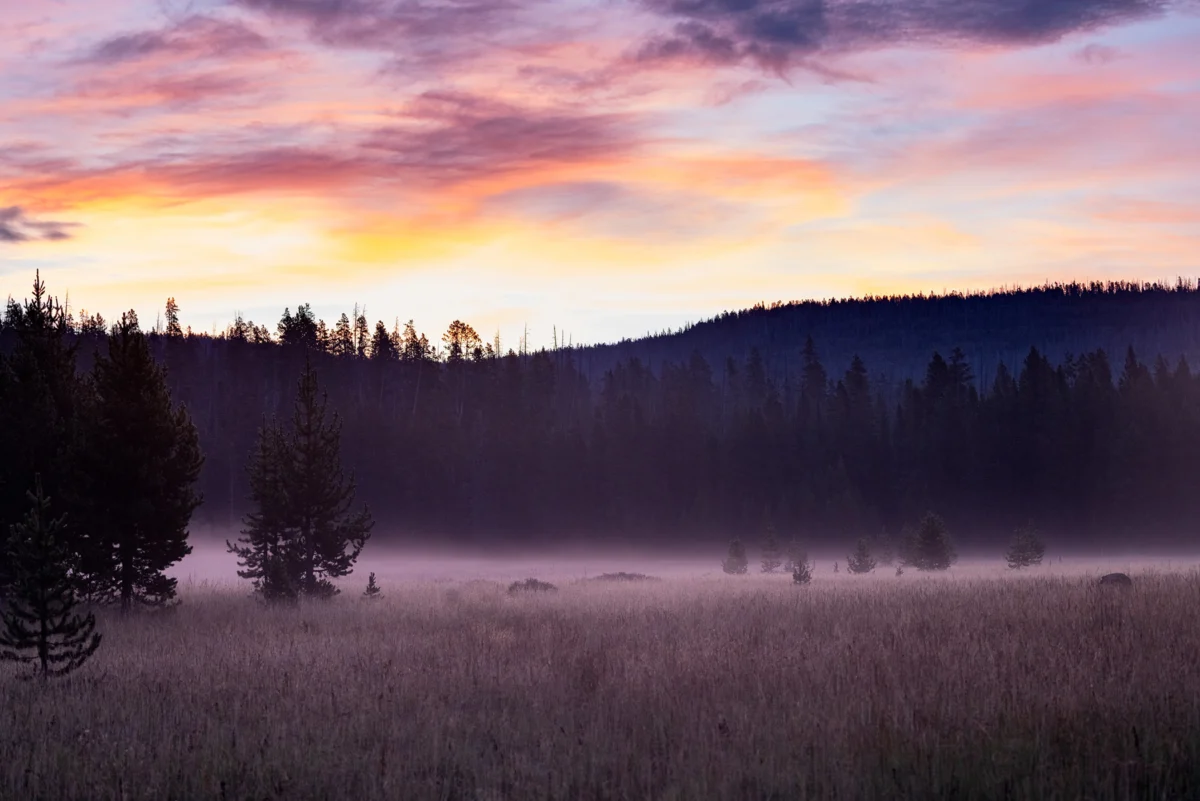
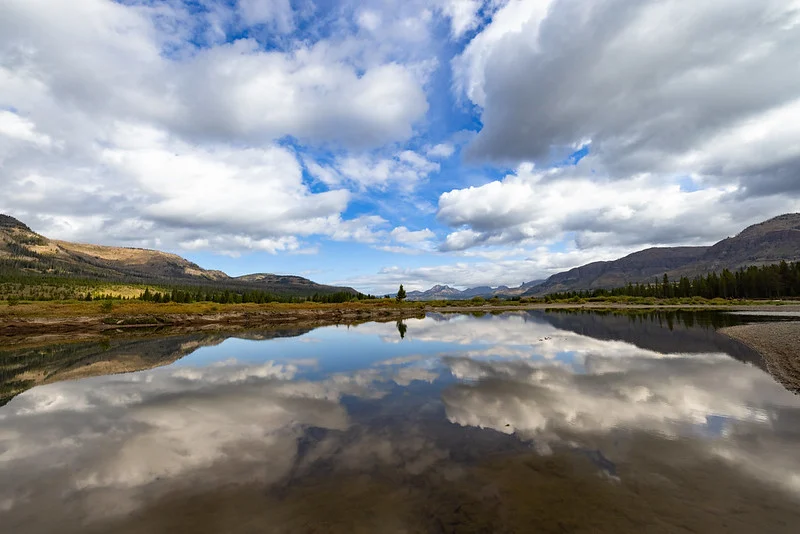
For visitors, outdoor enthusiasts, and the regional economy surrounding America’s first national park, the immediate impact of the congressional agreement is profound. Yellowstone National Park will remain open for the remainder of the fall season, with standard autumn road closures still slated to take effect across the park on October 31, weather permitting.
While the park gates will remain open, autumn weather in the high country remains notoriously unpredictable. For instance, temporary closures are already affecting parts of the region, such as the Beartooth Highway between the Long Lake barricade near the Top of the World Store and the Montana/Wyoming state line. That stretch of scenic roadway is temporarily closed due to forecasted winter weather conditions, with officials set to evaluate conditions for a potential reopening.
The averted shutdown clears the path for travelers planning an October visit to Yellowstone—a surprisingly popular time of year for tourists seeking to experience the park’s dramatic fall foliage, cooler temperatures, and active wildlife without the massive crowds characteristic of the peak summer months. However, visitors planning late-season trips should note that seasonal reductions in services are already underway. Many park lodges, restaurants, and visitor amenities are closing for the year, including facilities at Lake Village, select lodging options at Canyon, and the historic Old Faithful Lodge.
The successful passage of the continuing resolution stands in stark contrast to the dire warnings issued by the National Park Service in the days leading up to the potential shutdown. Federal land management agencies had previously prepared contingency plans detailing the severe restrictions and complete closures that would have accompanied a lapse in annual appropriations.
According to previous advisories released by the National Park Service, a government shutdown would have forced the complete closure of national park sites to public access. Under standard shutdown protocols, areas that are physically accessible to the public still face significantly reduced visitor services, while gates are locked, visitor centers are shuttered, and thousands of park rangers are furloughed. During previous funding lapses, the public has been strongly encouraged to avoid visiting national parks entirely out of consideration for the protection of fragile natural and cultural resources, as well as visitor safety and emergency response limitations.
The threat of a shutdown brought back memories of previous political stalemates that disrupted public lands operations, including the historic government shutdowns of past years that required complex, multi-agency negotiations and local funding partnerships to partially restore access to Yellowstone. Fortunately, this week’s 45-day continuing resolution provides a temporary reprieve, granting lawmakers additional time to negotiate a comprehensive federal budget while ensuring that Yellowstone’s gates remain open as autumn transitions toward winter.