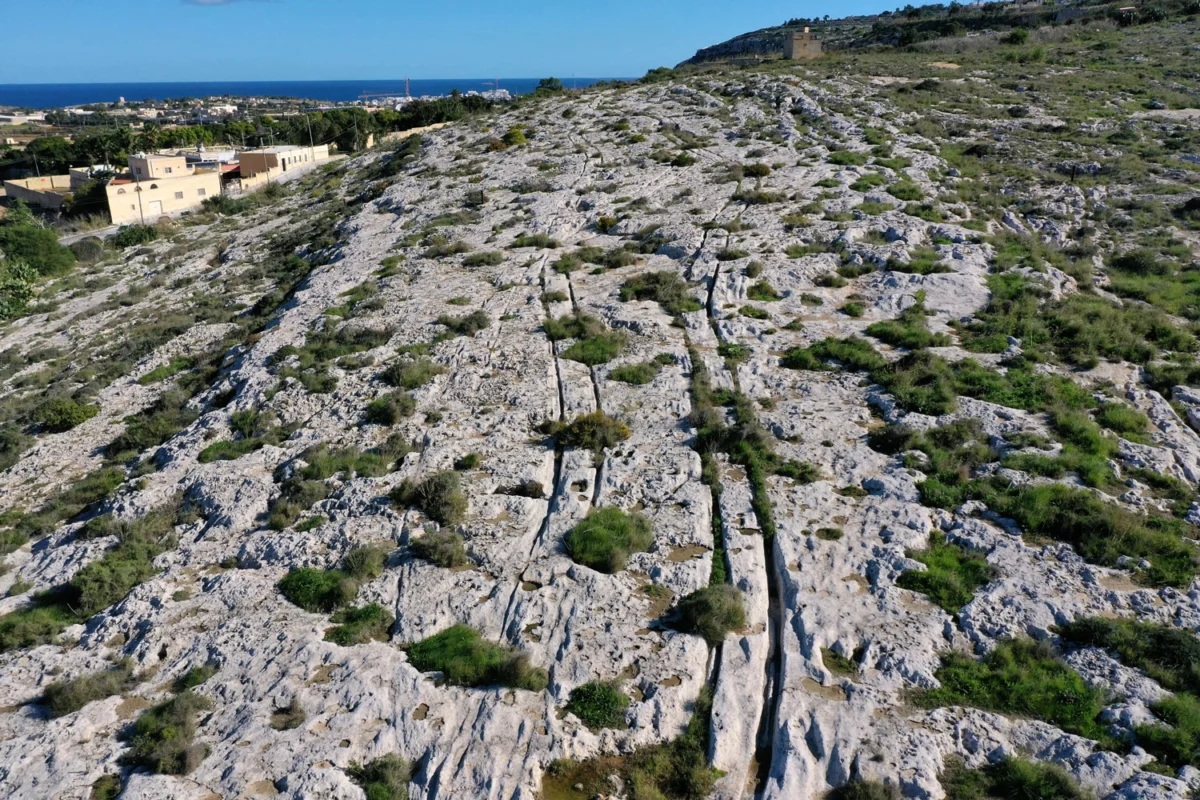
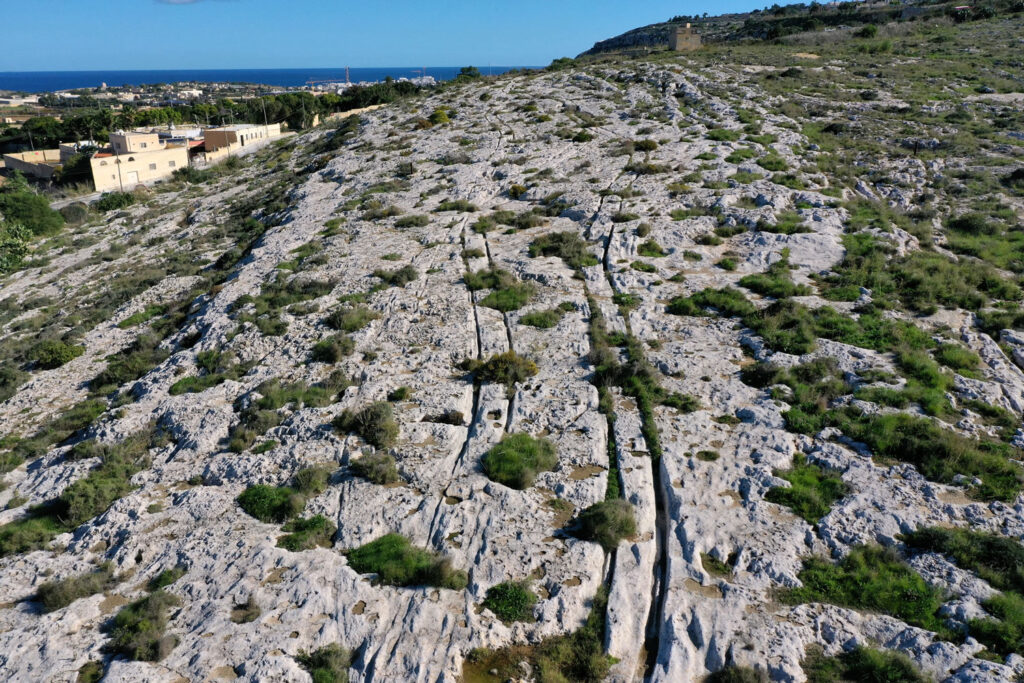
VALLETTA, MALTA — For generations, the deep, parallel grooves gouged into the limestone bedrock of the Maltese archipelago have captivated archaeologists, historians, and casual visitors alike. Often resembling ancient, petrified railway tracks, these mysterious markings have sparked countless theories, ranging from prehistoric irrigation systems and extraterrestrial runways to heavy-duty quarrying operations dating back to the dawn of civilization. However, a comprehensive new study is challenging long-held assumptions about these enigmatic formations. By employing advanced digital modeling and meticulous spatial analysis, researchers have determined that the famous grooves are indeed cart ruts, but they may be significantly younger than previously believed, spanning a period from the Phoenician colonization to the Byzantine era.
The findings, recently detailed in the Journal of Archaeological Science: Reports and highlighted by Gizmodo, offer a fresh perspective on the infrastructural evolution of the Mediterranean islands. Previously, popular academic and public hypotheses suggested that Malta’s extensive network of cart tracks could date anywhere from 5200 to 750 B.C., placing their creation deep within the prehistoric phases of the archipelago, potentially tied to early agricultural clearing or ancient stone-extraction practices.
Yet, Joel Grima, a researcher at the University of Malta who spearheaded the recent investigation, points out that the existence of such grooves is not an isolated phenomenon unique to prehistoric Malta. Similar cart ruts—formed when heavy wooden wheels wearing down soft limestone or earth over centuries carve permanent pathways into the ground—can be found in various historical and urban contexts across Europe, Asia, and North America. What makes Malta distinct, however, is the sheer concentration and scale of the phenomenon.

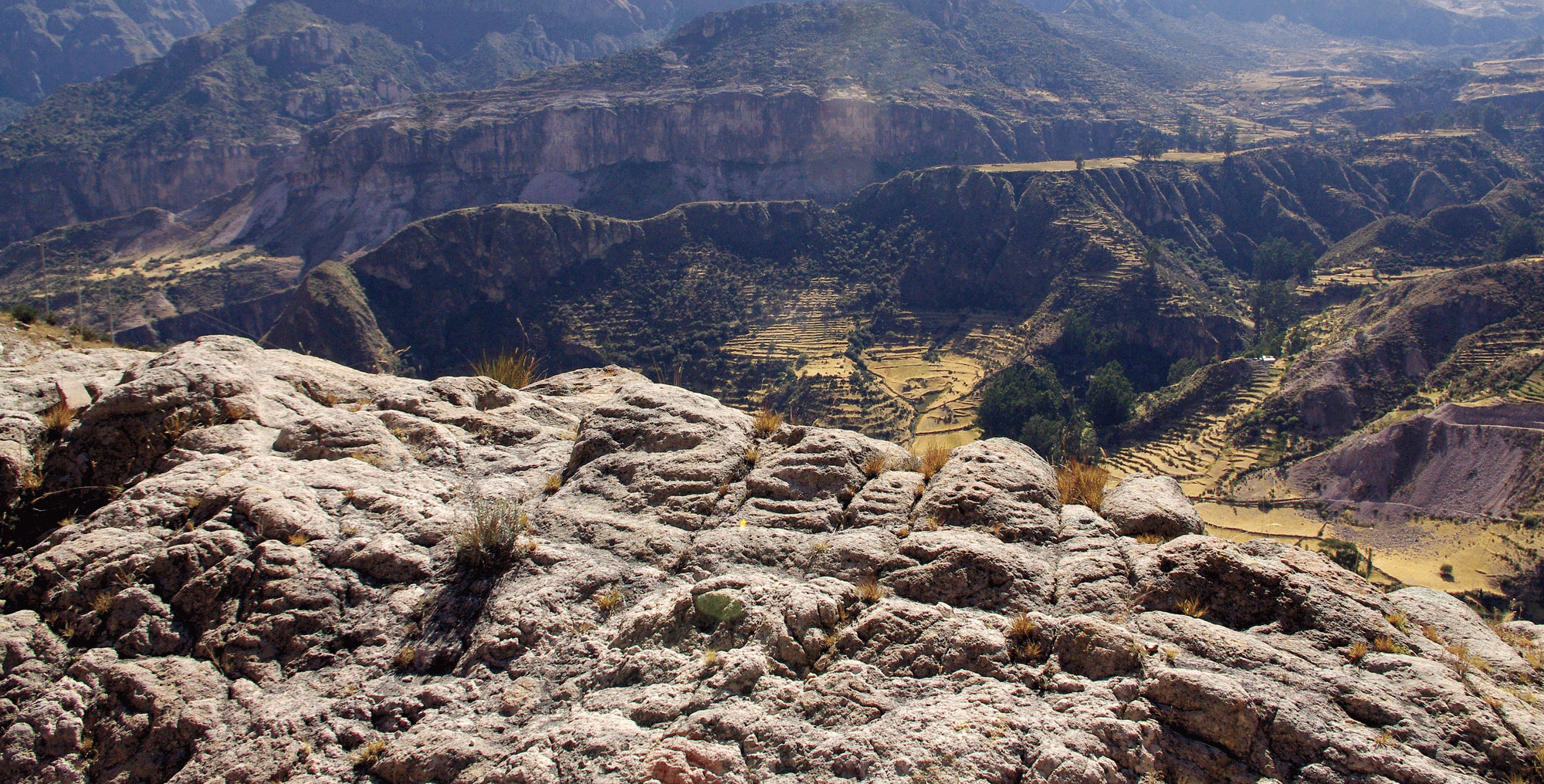
Across the Maltese islands, more than 2,600 individual tracks have been meticulously recorded, stretching across a cumulative distance of more than 30 miles. These tracks rarely appear as solitary paths; instead, they mostly manifest in dense clusters, crisscrossing the landscape in complex patterns that frequently evoke the appearance of a modern, interconnected railway network. Because of this intricate web-like distribution, earlier generations of scholars struggled to reconcile how simple agricultural or transport carts could produce such complex, multi-layered spatial geometries solely through random or ad-hoc usage.

To solve this spatial puzzle, Grima adopted a modern technological approach. By creating high-resolution digitized models of the ruts and closely examining their physical relationship with other surrounding archaeological structures, ancient landforms, and historical formations, the researcher was able to contextualize the tracks within a broader landscape history. Rather than viewing the ruts as a single, monolithic construction project from a distant prehistoric era, Grima’s analysis suggests a more dynamic and prolonged utilization of the Maltese terrain.
According to the new research, many of the tracks can be firmly dated to a window beginning with the Phoenician colonization of Malta around 700 B.C. and extending all the way through to the end of the Byzantine period, around A.D. 870. This revised chronology implies that the ruts span several distinct cultural phases over the course of multiple millennia. While this still attributes considerable antiquity to the tracks—stretching back nearly three thousand years in many cases—it fundamentally decouples them from the island’s most famous prehistoric megalithic temple builders, who constructed Malta’s awe-inspiring stone temples thousands of years earlier.

Grima’s conclusions indicate that the ruts accumulated gradually as successive civilizations utilized the same natural pathways over thousands of years, driven by the practical demands of transport, trade, agriculture, and military logistics in a rocky, challenging environment. As heavy-wheeled carts repeatedly traversed the same limestone corridors, the iron-shod or heavy wooden wheels progressively deepened the channels into the bedrock, creating the permanent scars that still define the Maltese countryside today.
This nuanced understanding helps bridge the gap between Malta’s rich prehistoric legacy and its well-documented classical and medieval history. While the idea of prehistoric stone railways will undoubtedly retain a powerful grip on the popular imagination, the new archaeological data grounds the phenomenon in the pragmatic, everyday realities of historical trade and transport networks that shaped the Mediterranean over the centuries.