Updated October 23, 2026
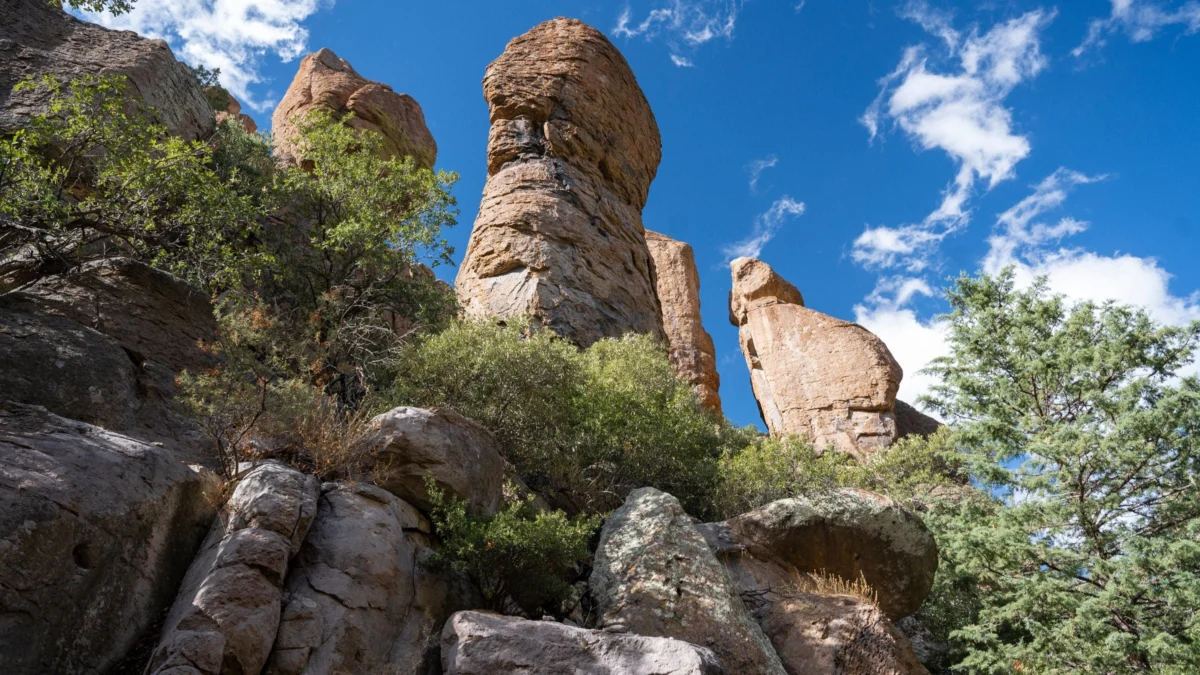
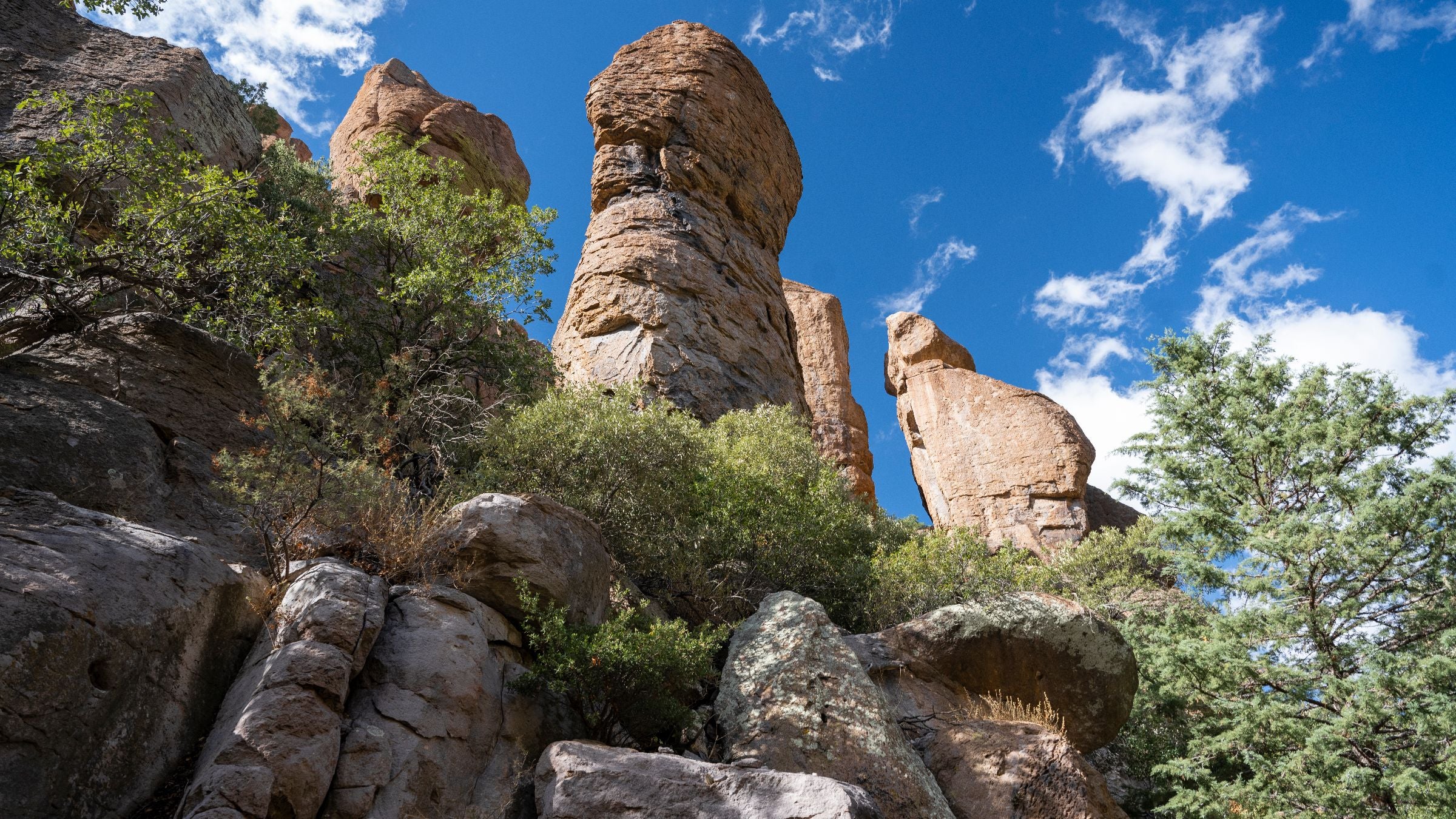
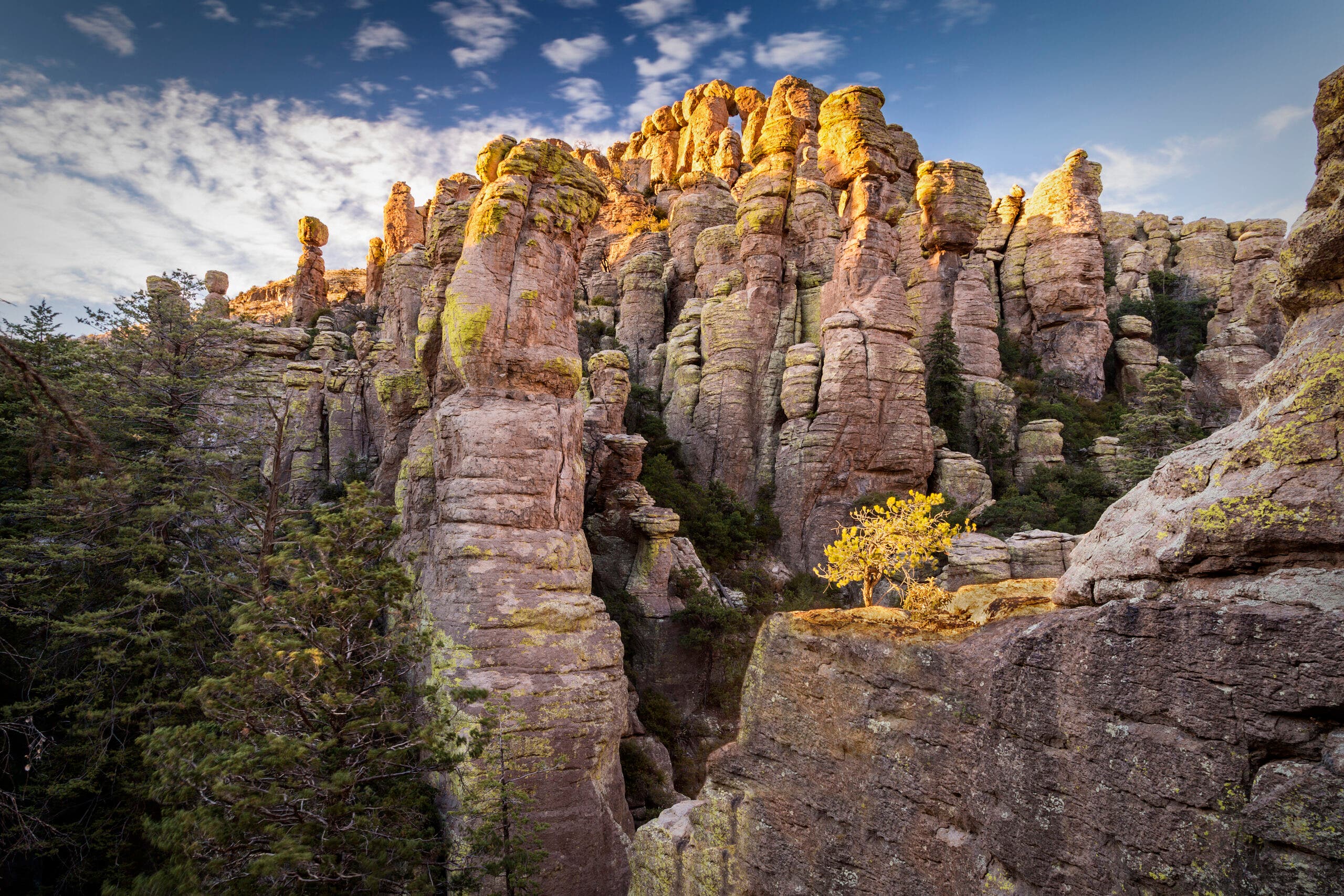
The recent designation of Chiricahua National Park in southeast Arizona has once again ignited a nationwide conversation regarding the expansion, purpose, and future of America’s public lands. Officially recognized by the presidential administration, the dramatic landscape known for its towering vertical rock spires and labyrinthine stone pillars is undeniably stunning. Yet, much like nearly every major policy decision in contemporary public life, Chiricahua’s transition into a full-fledged national park has proven deeply divisive.
For many conservationists and outdoor enthusiasts, the new status represents a vital layer of federal protection and an exciting milestone for the region. For others, it raises pressing questions about whether the nation should continue establishing new parks at all, especially given the complex administrative and financial realities facing the National Park Service.
On one hand, securing a national park designation stands as one of the most comprehensive forms of land preservation available in the United States, often acting as a significant economic catalyst for surrounding gateway communities. On the other hand, critics point to a severe budgetary crisis within the National Park Service, questioning the wisdom of expanding the agency’s footprint while existing infrastructure faces a staggering maintenance backlog. Another prominent argument suggests that America’s most elite landscapes are already well-established within the system, and these recent additions do not match the awe-inspiring scale and grandeur of legendary titans like Yosemite or the Grand Canyon.
As opinions polarize across the country, examining the broader picture behind the national park expansion debate offers essential context into how America manages, values, and preserves its most cherished natural treasures.
What Is the Purpose of the National Park System?
The national parks are frequently celebrated as "America’s best idea," but understanding that sentiment requires looking back at the founding principles of the system.
The very first national park, Yellowstone, was established in 1872—decades before the concept of a unified National Park System even existed. It wasn’t until 1916, with the signing of the Organic Act by President Woodrow Wilson, that the National Park Service was officially created to manage Yellowstone and the handful of other existing reservations. The landmark document outlined a clear mandate for the newly formed agency: to conserve the scenery, natural and historic objects, and wildlife within the parks, and to provide for public enjoyment in a manner that leaves them unimpaired for the benefit of future generations.
Balancing conservation with public access remains the core challenge of the agency. But fulfilling that mission while navigating the strict bureaucratic and legislative pathways required to elevate a piece of land to full national park status is an entirely separate hurdle.
How a National Park Is Born
Today, the National Park System encompasses 433 individual units, ranging from small national historic parks and cultural sites to massive national monuments and sweeping recreation areas. However, out of that vast collection of federally protected lands, only 64 hold full national park status.
Unlike national monuments, which a sitting president can establish on existing public land using the authority granted by the Antiquities Act of 1906, achieving top-tier national park status has only one pathway: an act of Congress. This rigorous process requires both the House of Representatives and the Senate to pass enabling legislation, which must then be signed into law by the President.
The legislative journey is intentionally arduous. Numerous bills aimed at creating new national parks stall out indefinitely in committee, while others take years—or even multiple legislative attempts—to gain traction. For instance, securing official status for Mesa Verde in Colorado required two different bills introduced across separate sessions of Congress. These legislative safeguards are deliberately designed to prevent designations from being handed out casually, ensuring that every addition meets rigorous national standards.
Is a National Park Designation the Ultimate Way to Protect Land?
Despite public perception, a national park designation is not technically the strictest form of land protection available under federal law. Federally designated Wilderness areas carry even higher levels of protection, enforcing much stricter limitations on human activity and land use. By contrast, national parks generally accommodate a wider variety of recreational activities and require more extensive infrastructure, such as paved access roads, visitor centers, and in some historic instances, ski slopes or commercial amenities.
Even so, the permanence and prestige of a national park designation are what energize conservation advocates. Knowing that geological wonders like the rock outcroppings of Chiricahua will remain protected for future generations is a powerful motivator. At the same time, conservationists point out that Chiricahua enjoyed a very high level of federal protection prior to its recent promotion, back when it was classified as a national monument.
"There are some misconceptions out there about the National Park System," explains Ed Stierli, government affairs lead for the National Parks Conservation Association, a non-profit organization dedicated to advocating for public lands. "The National Park System has 433 units. The 64 national parks are one designation, but there are also national monuments, national historic parks, national rivers and lakeshores. A lot of people don’t know about these other units."
Stierli and other park advocates argue that all 433 units within the system deserve equally robust, permanent protection. However, political realities often complicate that goal. The Trump administration, for example, has asserted that the management boundaries and overall size of national monuments can be altered by a sitting president. This vulnerability was demonstrated clearly at Bears Ears National Monument in Utah, which was originally established by President Obama, subsequently downsized by President Trump, redrawn by President Biden, and later trimmed again by the returning Trump administration.
"We would argue that what the Trump administration is doing is illegal, and the protections of national monuments should be just as permanent as a national park," Stierli contends.
While legal debates over monument protections continue, full national park status carries a distinct cultural permanence and global recognition that profoundly influences local economies and public interest.
Does National Park Status Boost the Local Economy?
The economic impact of upgrading public lands to a national park is well documented. Local communities adjacent to newly designated parks frequently experience a dramatic surge in tourism and visitor spending.
A prime example of this phenomenon occurred in West Virginia following the re-designation of the New River Gorge National Park and Preserve. In 2025, the park recorded more than two million visits—a staggering 64 percent increase compared to visitation figures from 2019, before the area was elevated from its former status as a national river.
However, not all local populations welcome the economic disruption and influx of tourists that accompany the national park label. Communities surrounding New York’s massive Adirondack Park, for instance, have repeatedly resisted local and state proposals to convert portions of their state forest preserve land into a federal national park. Their opposition is typically rooted in deep concerns over losing local municipal control, facing heavy land-use restrictions, and contending with severe traffic congestion.
Should the NPS Budget Crisis Prevent a New National Park?
Another major critique leveled against the expansion of the park system involves the agency’s finances. The National Park Service currently faces a deferred maintenance backlog exceeding $22 billion. Critics frequently question the logic of expanding the federal footprint and adding new units to the system when the agency struggles to adequately maintain roads, trails, and visitor facilities in existing parks.
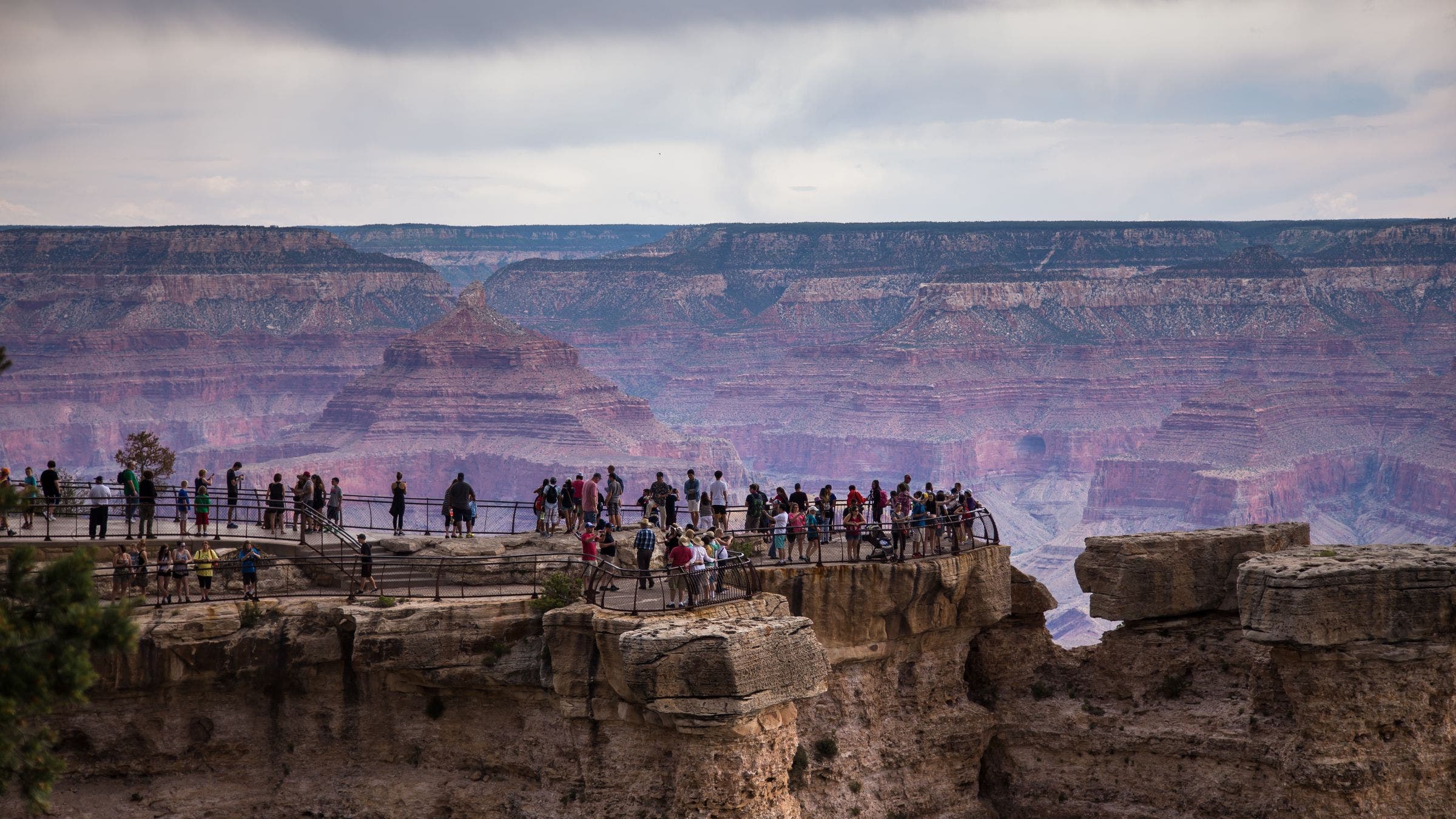
While that multi-billion-dollar deficit is undeniably massive, park advocates note that the figure encompasses all 433 units within the National Park System, including national monuments, historic sites, and recreation areas. Furthermore, the modern parks that have achieved full park status in recent years were already part of the National Park System’s existing operational framework. They are not entirely new administrative burdens requiring fresh funding mechanisms from scratch; their day-to-day management was already factored into federal budgets as monuments, lakeshores, or memorials.
"There is zero difference in how a monument and park are managed," Stierli says. "The budget is the same regardless of the name."
As evidence, Stierli points again to the New River Gorge National Park and Preserve. Following its transition from a national river to a national park and preserve in 2020, the unit did not receive a corresponding budget increase. In fact, staffing levels have faced additional pressures following recent federal budget cuts.
Will a New National Park Dilute the NPS Brand?
For many critics and casual observers alike, the most compelling argument against continued expansion centers on brand dilution. Over the past decade, five distinct sites have been elevated to national park status: Gateway Arch in Missouri, Indiana Dunes in Indiana, White Sands in New Mexico, New River Gorge in West Virginia, and now Chiricahua in Arizona. Each of these locations was promoted from an existing classification within the National Park System—Indiana Dunes was a national lakeshore, Gateway Arch was a memorial, and White Sands and Chiricahua were both national monuments.
While these destinations offer exceptional outdoor recreation and natural beauty, skeptics argue that their landscapes do not compare to the breathtaking scale of traditional western parks. The New River does not match the sheer immensity of the Grand Canyon, and White Sands is distinct from Arches. If the national park designation is historically meant to be reserved for America’s absolute most extraordinary natural resources, critics wonder if adding smaller or less diverse landscapes risks diminishing the prestige of the entire brand.
From a structural standpoint, official National Park Service definitions highlight distinct differences among designations. National monuments are generally established to protect at least one nationally significant resource, whereas national parks are designed to preserve a diverse variety of nationally significant resources across a larger geographical scale.
Size comparisons among recent additions reveal significant variation. Chiricahua spans approximately 12,000 acres, Indiana Dunes covers roughly 15,000 acres, and the New River Gorge encompasses about 72,000 acres. Gateway Arch is exceptionally compact at under 200 acres, making it the smallest national park in the country. The notable exception among recent promotions is White Sands, which spans more than 145,000 acres, placing it on par with major parks like Zion.
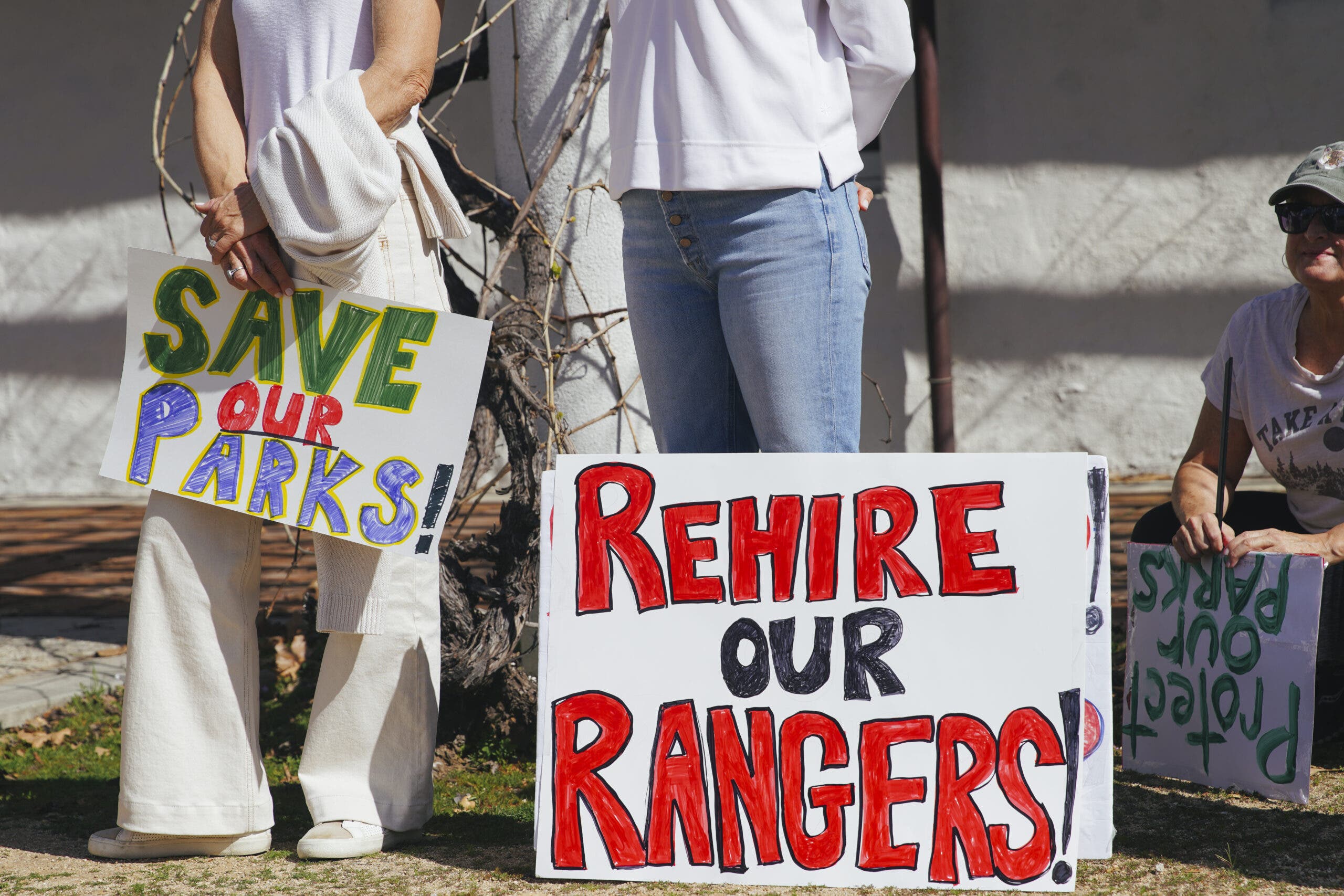
This debate over criteria influences ongoing legislative discussions, such as a pending proposal to elevate the Ocmulgee Mounds National Historical Park in Georgia into the state’s first full national park. While Ocmulgee holds profound cultural and historical significance, critics point out that it spans less than 2,000 acres and lacks the expansive recreational offerings typically associated with major national parks, suggesting that its current historical park classification remains the most appropriate fit.
Stierli, however, firmly rejects the notion that expansion devalues the system.
"I don’t think there’s such a thing as diluting our national parks. These other units aren’t any less significant, and these re-designations are a net positive for our National Park System," he says. "It’s really just a name change, but every time a new park is designated, it brings attention to the place and the National Park System as a whole. And that’s a good thing."