The general status quo across the United States and the broader global airline industry has long drawn a sharp line between business models. Traditionally, low-cost carriers focused on selling economy seats, leaving premium cabins exclusively to full-service legacy airlines. However, a profound shift is underway in the domestic US market. Following years of post-pandemic financial strain and an evolving consumer landscape, budget and low-cost carriers are rewriting the rulebook. In recent announcements, ultra-low-cost operators Allegiant Air and Frontier Airlines have confirmed they will introduce dedicated domestic first-class cabins by early 2027, fundamentally altering what passengers can expect from budget air travel.
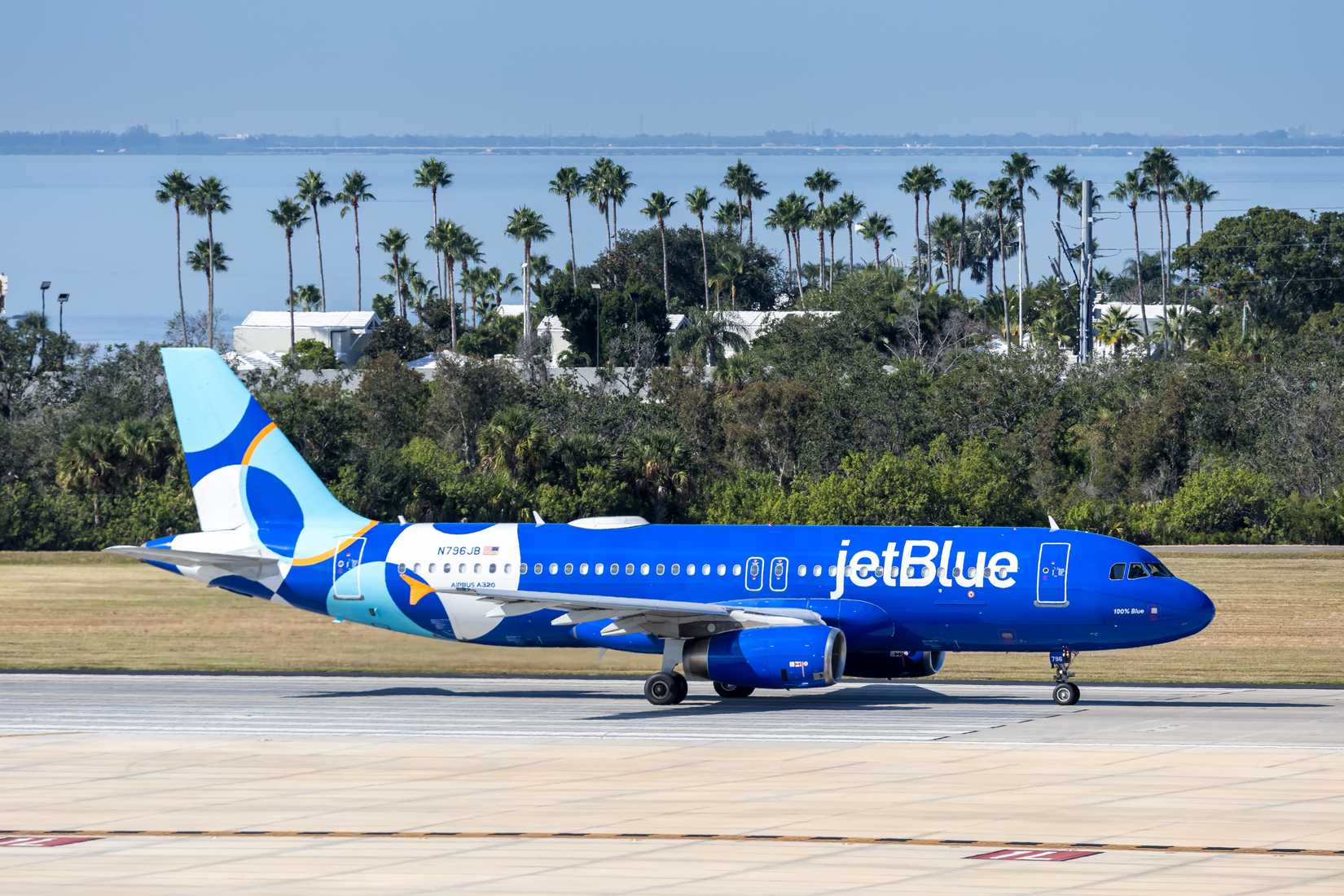
These developments build on moves by other notable carriers in the budget and hybrid sectors. JetBlue has announced its own domestic first-class product, slated to debut in December 2026, marking a significant evolution for an airline already famous for its distinct service offerings. These airlines are far from the first budget-oriented or low-cost operators to venture into the premium space, but their entry signals a watershed moment.
For decades, the classic low-cost carrier model has centered squarely on cost-cutting, operational volume, and strict efficiency. Onboard the aircraft, this philosophy historically translated into tight seating arrangements in an all-economy layout, designed to maximize passenger density. Premium seats generate significantly higher revenue per square foot, but budget airlines traditionally avoided them because larger seats consumed valuable floor space that could otherwise house multiple economy tickets.
Post-COVID realities in the US market, however, have forced a reassessment. While demand for standard economy travel has fluctuated, consumer appetite for premium seats has continued to climb steadily. Consequently, a growing wave of low-cost premium products has entered the market as airlines look for new ways to capture higher-yielding passengers and diversify their revenue streams.
The Evolution of Domestic Premium Cabins in the US
Historically, domestic first class was the exclusive domain of legacy heavyweights like American Airlines, Delta Air Lines, and United Airlines, alongside historical merger partners and Hawaiian Airlines. Over the years, carriers like AirTran and Alaska Airlines also embraced domestic first class. While Alaska eventually transitioned into more of a hybrid carrier model—a path similarly walked by Virgin America—the division between full-service and low-cost remained relatively clear.
That balance began to shift in 2007 when Spirit Airlines introduced its "Big Front Seat," offering passengers a wider, more comfortable recliner chair while maintaining an otherwise standard economy service model. Later, in 2014, JetBlue revolutionized the premium transcontinental market by launching "Mint," a highly competitive lie-flat business-class product that later expanded to select other North American markets.
Following corporate consolidations—such as Southwest Airlines acquiring AirTran in 2010 and Alaska Airlines acquiring Virgin America in 2016—passengers seeking a domestic premium cabin generally looked to American, Delta, United, Alaska, Hawaiian, or Spirit, with JetBlue Mint available on targeted routes. Right up until the COVID-19 pandemic, this remained the prevailing status quo, while ultra-low-cost carriers like Allegiant Air, Frontier Airlines, Southwest Airlines, and Sun Country stuck exclusively to all-economy configurations.
The post-pandemic landscape accelerated change. When startup carriers Breeze Airways and Avelo Airlines launched operations, they initially utilized all-economy aircraft. However, Breeze quickly shifted strategy in 2022 by deploying new Airbus A220 aircraft equipped with a dedicated first-class section. Frontier began selling extra-legroom economy seats featuring a blocked middle seat in early 2024, and Southwest Airlines introduced extra-legroom seating across its network in January 2026. Meanwhile, the budget sector faced severe structural pressures, highlighted by Spirit Airlines going out of business in May.
The New Frontier First Class
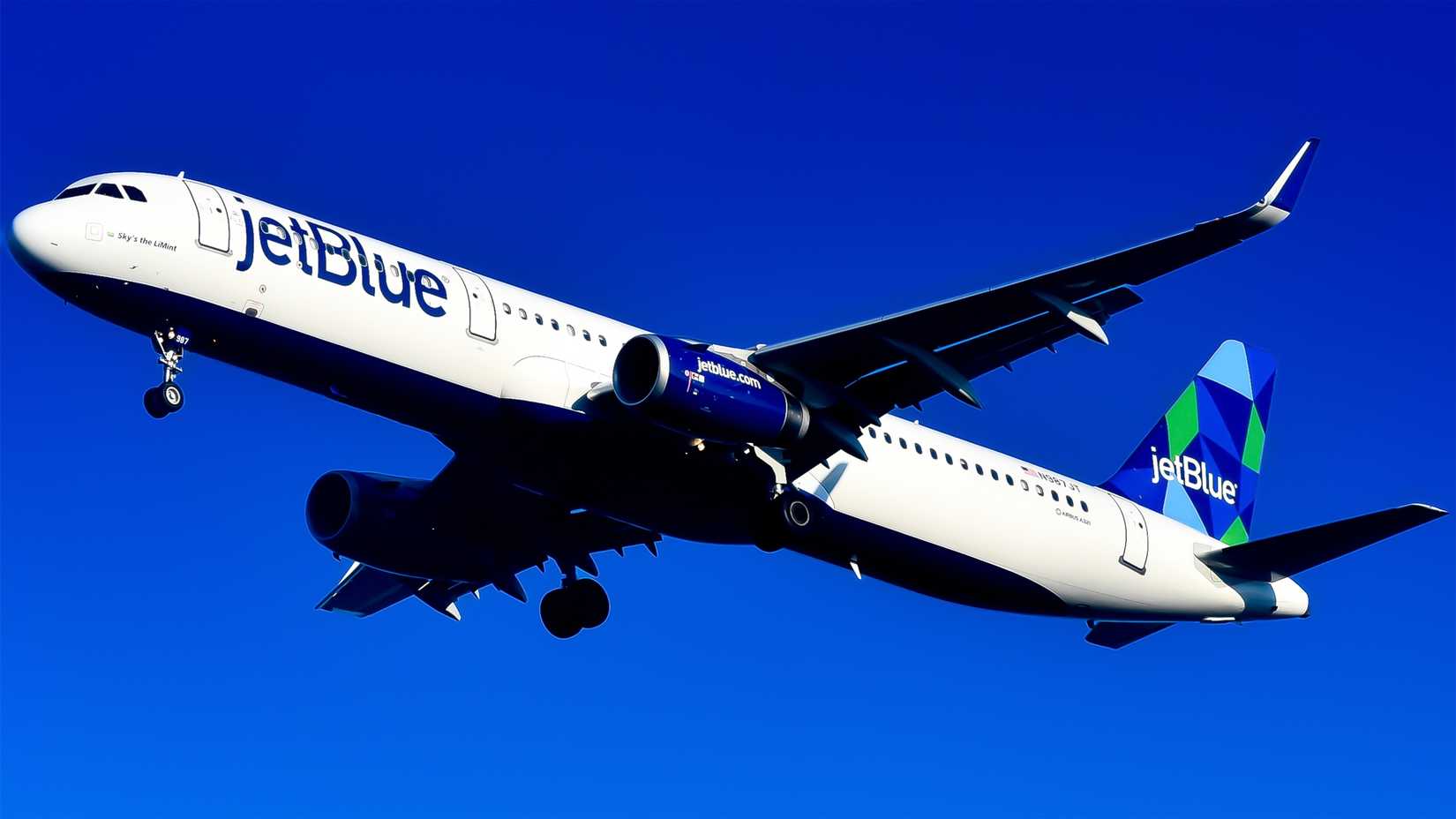
Frontier Airlines surprised the industry in early 2024 by introducing "UpFront Plus" seating. Because the airline had previously avoided any form of dedicated premium seating, the move—resembling intra-European business class setups where middle seats are left empty—was initially viewed as a temporary stopgap. However, Frontier confirmed later that year that it would pursue a permanent, purpose-built first-class product to better compete for high-value travelers.
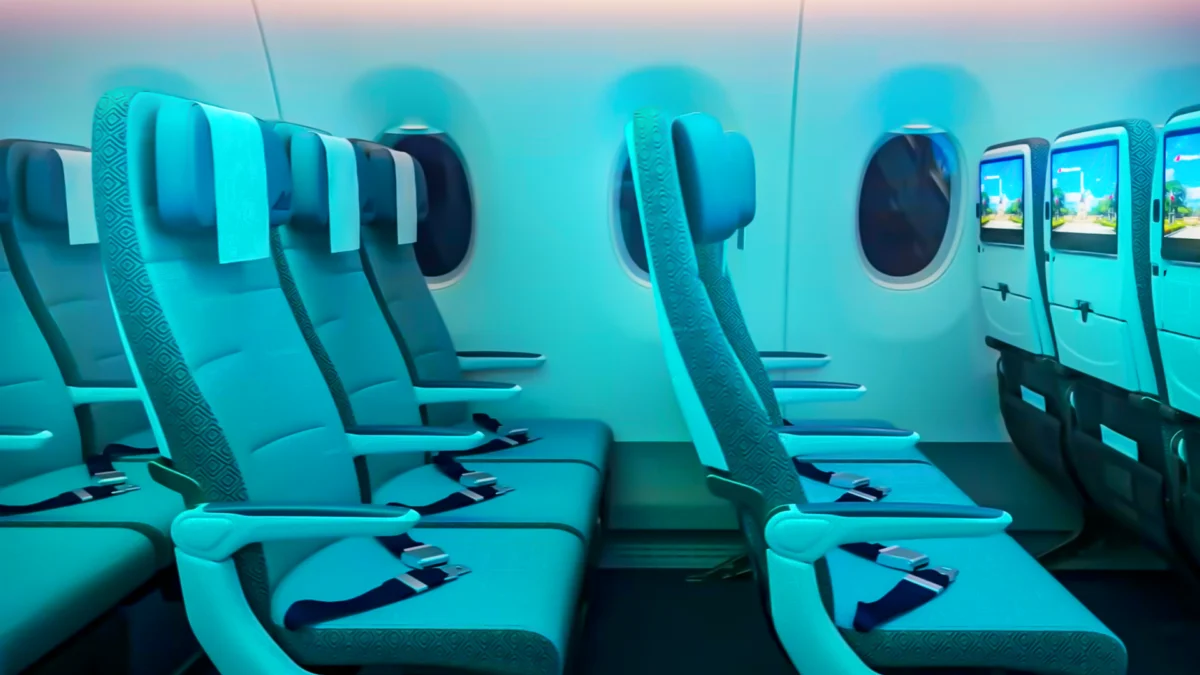
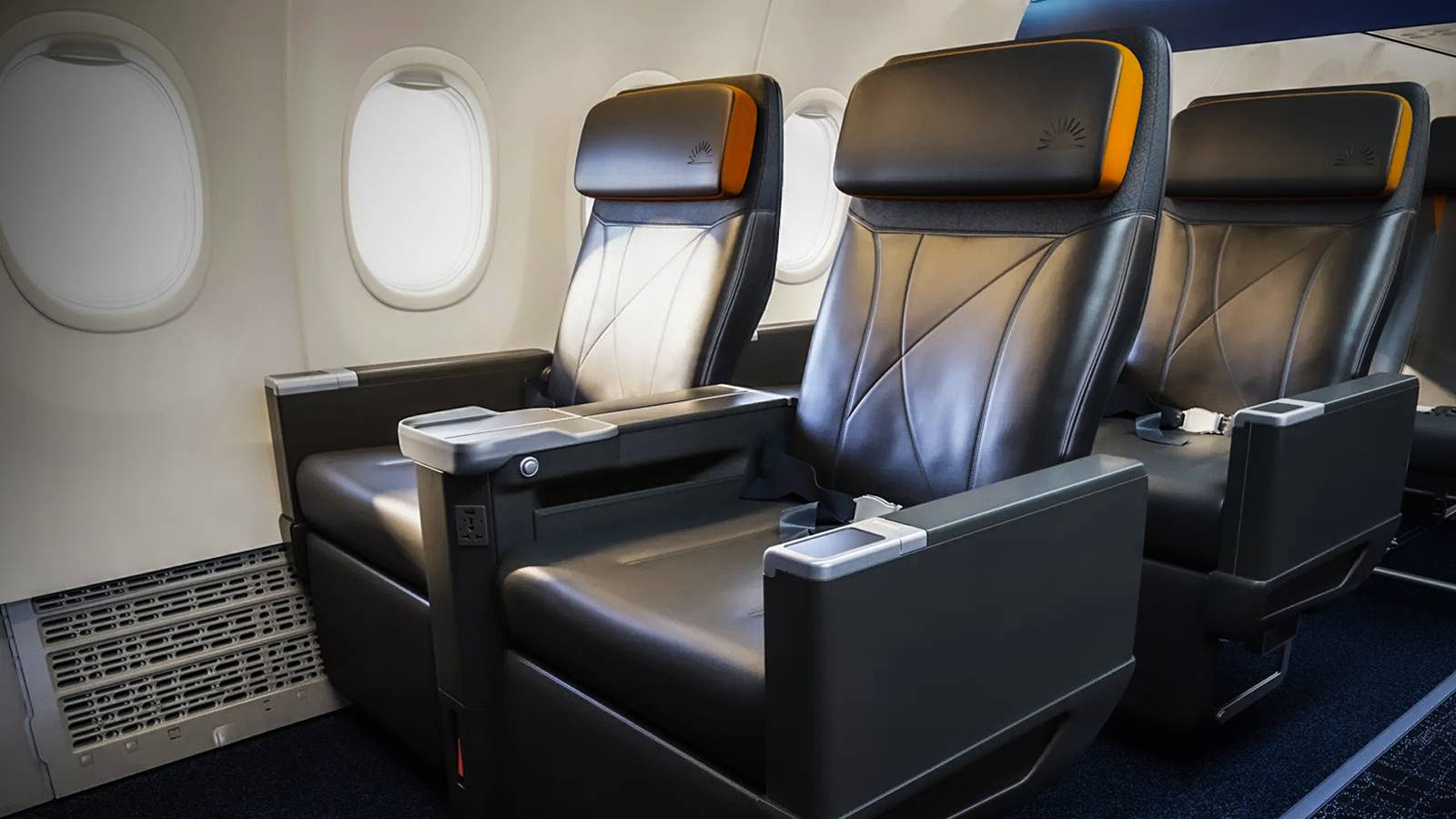
After months of anticipation, Frontier’s true first class is set to launch in March 2027. The airline has selected the Geven Comoda platform, featuring a four-abreast configuration that mirrors the large recliner seats found in standard domestic first-class cabins across the US, complete with additional legroom and integrated power ports.
A notable design choice for Frontier’s first-class product is that the seats will be "pre-reclined," meaning they do not feature an adjustable mechanical recline mechanism. On the service side, first-class tickets will not include complimentary food or beverages, meaning passengers are paying strictly for the physical seating upgrade. Fleet-wide retrofits are scheduled to begin shortly, with each aircraft featuring two rows comprising a total of eight first-class seats.
Prior to the formal rollout in March 2027—which coincides with the completion of the fleet retrofit—Frontier will continue selling these spaces under its existing UpFront Plus branding. Beyond the seats themselves, Frontier is also installing Starlink WiFi across its fleet, a technological upgrade that will transform the passenger experience for an airline whose aircraft have historically lacked any onboard internet connectivity.
The New Allegiant Air First Class
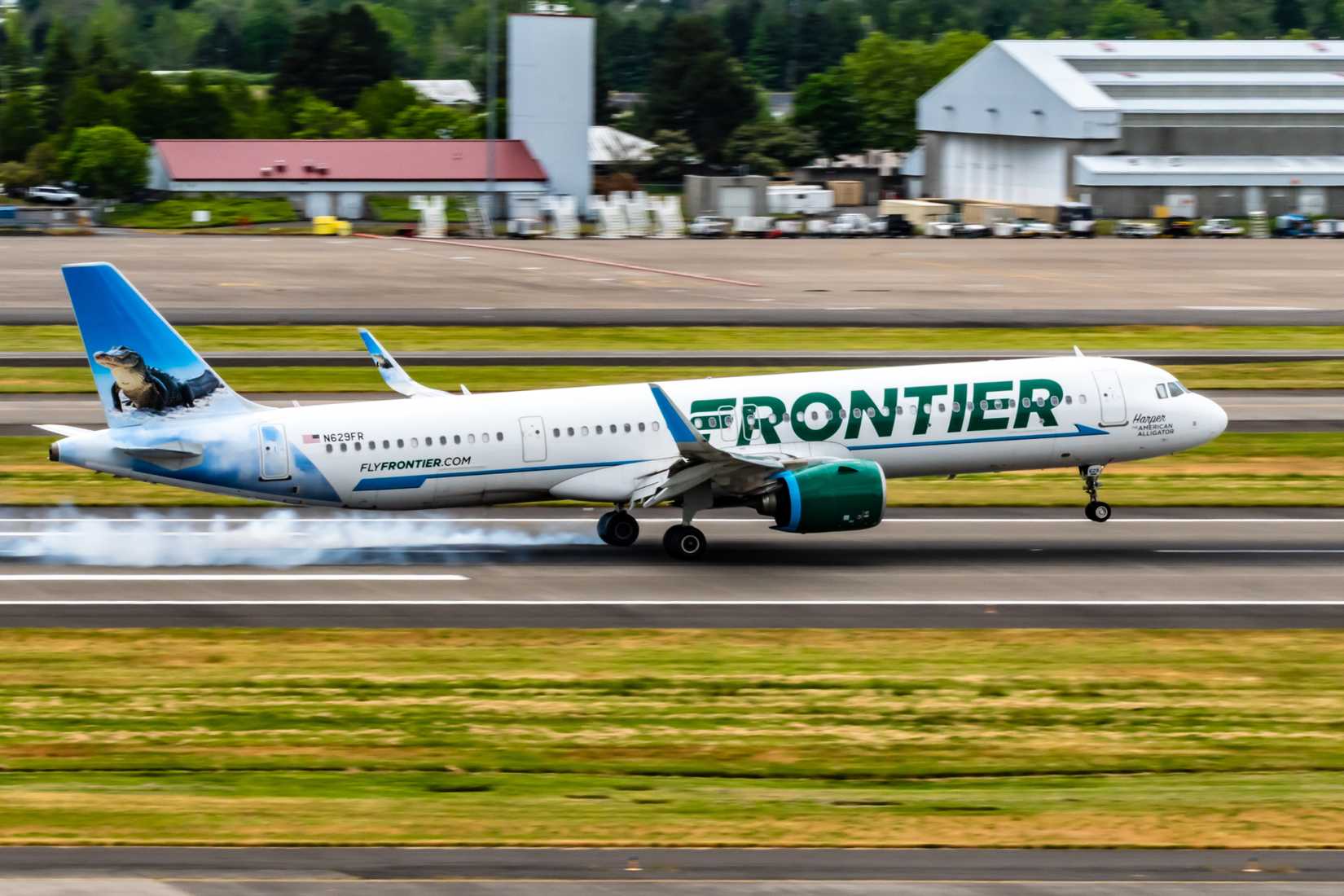
Allegiant Air previously experimented with a premium product known as the "Giant Seat" on its Boeing 757-200 fleet between 2014 and 2017, though that offering was limited to a handful of airframes. Following recent successes with extra-legroom seating, Allegiant formally announced in July 2026 the creation of "Allegiant First," a dedicated cabin scheduled to debut in March 2027, matching Frontier’s timeline.
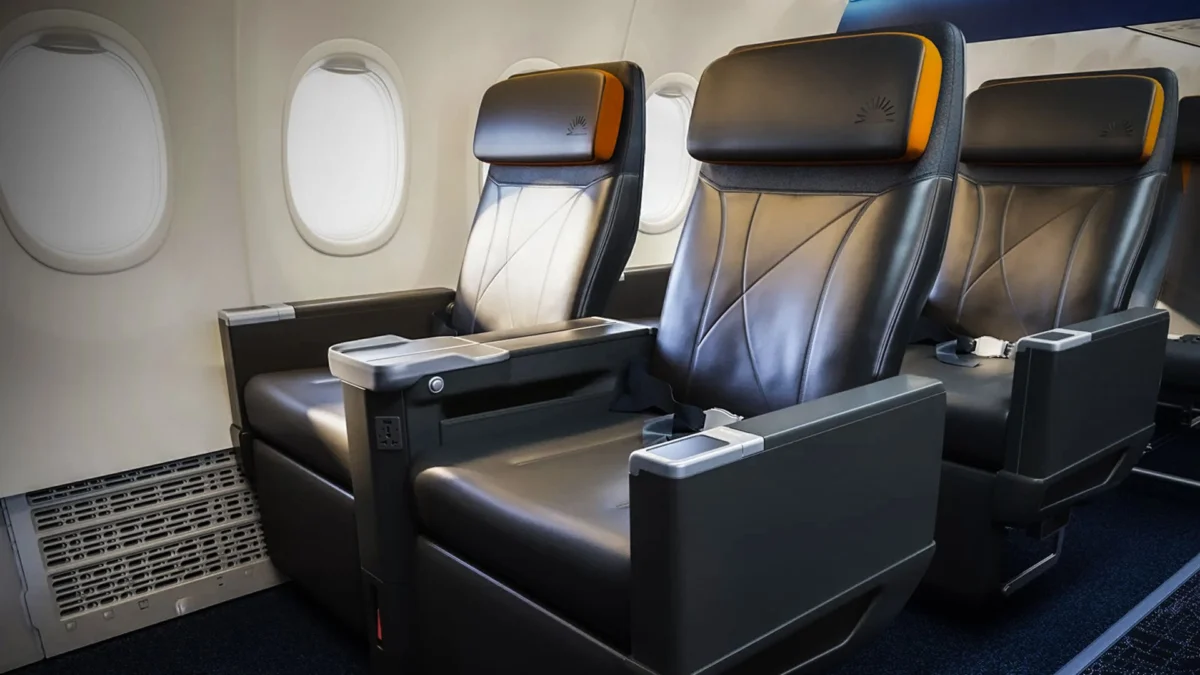
Tickets for Allegiant First went on sale in August, allowing travelers to book the new product well in advance. While the specific seat manufacturer has not been finalized, Allegiant has confirmed that the product will offer a 37-inch seat pitch, five inches of mechanical recline, an adjustable headrest, and an extendable calf rest.
In addition to physical comfort, Allegiant First passengers will enjoy complimentary beverages, with extra options provided to holders of the Allways Rewards Visa card. The passenger journey will also include priority airport processing, early boarding, and enhanced onboard service. Allegiant plans to install eight of these seats on its Boeing 737 MAX 200 aircraft, targeting an initial subfleet of 23 planes as new deliveries arrive.
Operationally, the airline plans to deploy the cabin primarily out of its base at Punta Gorda Airport in Southwest Florida. Given the limited initial network footprint and small subfleet size, Allegiant First will not be ubiquitous across the airline’s network immediately, but it represents a calculated effort to offer a competitive alternative to legacy carrier products at a lower price point.
The Upcoming JetBlue First Class
JetBlue has long maintained a dual-product identity, offering its acclaimed Mint business class on select Airbus A321-200s, second-generation Mint suites on A321neo and A321LR subfleets used for transatlantic routes, and an extensive inventory of "EvenMore" extra-legroom seats.
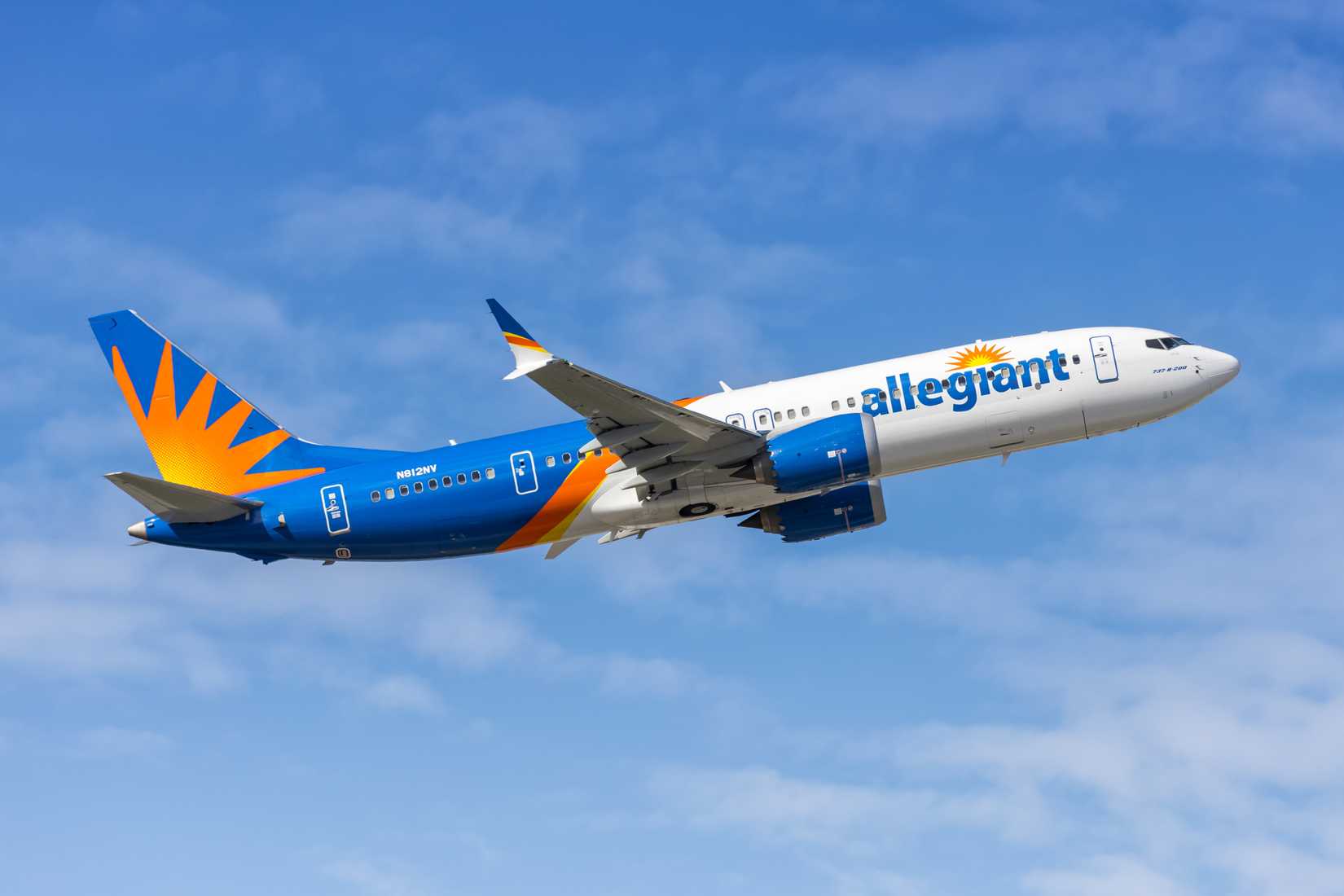
Despite its strong presence in major corporate travel markets and its reputation for high service standards, JetBlue had never offered a traditional domestic first-class cabin until recently. Following years of industry speculation, JetBlue officially announced "BlueFirst" in September 2026. Designed to complement Mint, BlueFirst is intended for domestic and regional markets where lie-flat seating is unnecessary.
The product will make its official debut in December 2026 on the route between Boston and Fort Lauderdale. JetBlue plans to retrofit its entire non-Mint narrowbody fleet with BlueFirst. Airbus A220-300s and A320-200s will receive 12 BlueFirst seats, while larger Airbus A321-200s and A321neos will feature 16 seats. For this rollout, JetBlue selected the Collins Aerospace MiQ seat, which provides increased pitch, enhanced recline, in-seat power ports, and seatback entertainment screens.
Alongside the hardware upgrade, JetBlue is revamping its meal and beverage offerings for the cabin. However, because the retrofitted aircraft lack onboard galleys equipped with ovens, hot meals will not be served. While BlueFirst represents a serious bid to capture premium market share, it comes with a trade-off: JetBlue is reducing legroom in the main cabin to accommodate the new first-class seats, leaving overall aircraft passenger capacity unchanged.
Why The New Premium Push In The US
Demand for premium travel experiences has surged across the United States, with legacy carriers capturing the lion’s share of this high-yield traffic. Meanwhile, many budget carriers have struggled financially in the post-pandemic era, with the high-profile collapse of Spirit Airlines serving as a stark reminder of the pressures facing the ultra-low-cost model.
Carriers such as Frontier, JetBlue, Southwest, and Spirit were formidable competitors prior to the pandemic, but shifting economic tides have forced low-cost airlines to adapt. Because premium seats command substantially higher yields than standard economy tickets, operating all-economy narrowbody aircraft increasingly leaves potential revenue on the table as US consumer demand evolves.
Furthermore, introducing premium cabins helps budget carriers build stronger brand loyalty among a broader demographic of travelers. Higher customer engagement translates into better retention, increased repeat bookings, and greater participation in lucrative frequent flyer programs, which have increasingly become the primary profit drivers for major airlines.
With these upcoming rollouts, nearly all major US airlines will offer a domestic first-class product, leaving Avelo Airlines and Southwest Airlines as the notable exceptions. Avelo remains a smaller, niche operator whose future product roadmap is still developing, while Southwest has rolled out extra-legroom seating across its fleet and is widely rumored to be evaluating a future first-class cabin. For Southwest, industry observers view a move toward first class as a matter of when, not if, signaling that the era of the pure all-economy US budget carrier may be drawing to a close.