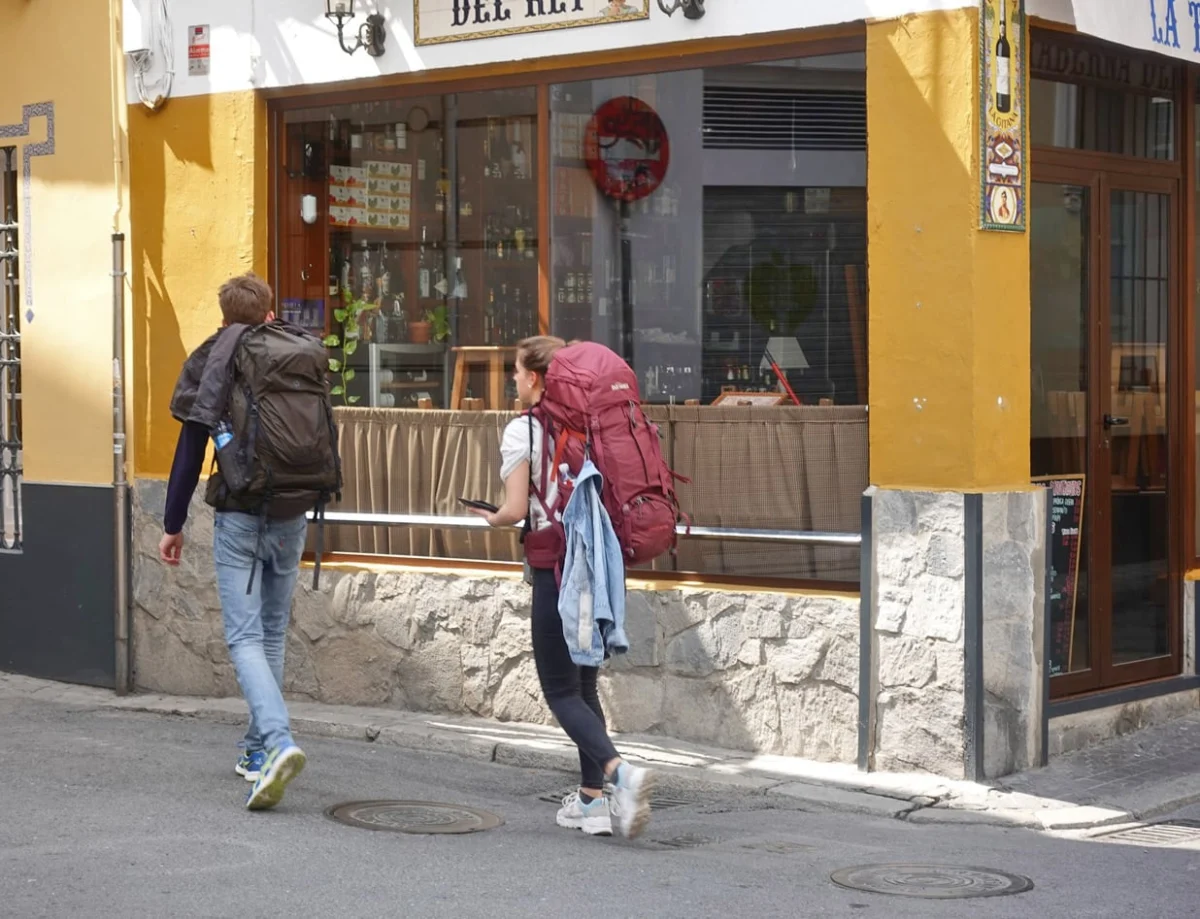
For decades, travelers crossing the Atlantic have shared a common anxiety: how to pack for a foreign continent without immediately broadcasting their nationality from a hundred yards away. While the globalized retail market has brought standardized fashion chains to nearly every major city, stylistic nuances still exist between North America and Europe. According to seasoned travelers and fashion observers, the objective for men visiting Europe is not necessarily to adopt an elusive, hyper-curated local aesthetic, but rather to avoid the glaring sartorial missteps that instantly identify them as tourists.
The reality of modern fashion is heavily shaped by globalization. Thanks to widespread access to the same international retail brands, the average 25-year-old living in an American metropolitan area dresses remarkably similarly to their counterpart in a European capital. Both demographics frequent the same stores, browse the same online outlets, and draw inspiration from the same global trends. Consequently, there is no single, unified "European look." Fashion styles vary significantly not just from country to country, but also between urban centers and rural regions, much like the diverse regional styles found across the United States.
Nevertheless, subtle differences remain. European street style often leans slightly more polished and "put together," even when individuals are wearing the most basic wardrobe staples like t-shirts, jeans, and sneakers. The underlying philosophy for male travelers is straightforward: aim for a neat, casual presentation that avoids both the extremes of sloppy tourist clichés and the pretentiousness of overdressing, which can inadvertently make a visitor a prime target for pickpockets and scammers.
What Not To Wear In Europe
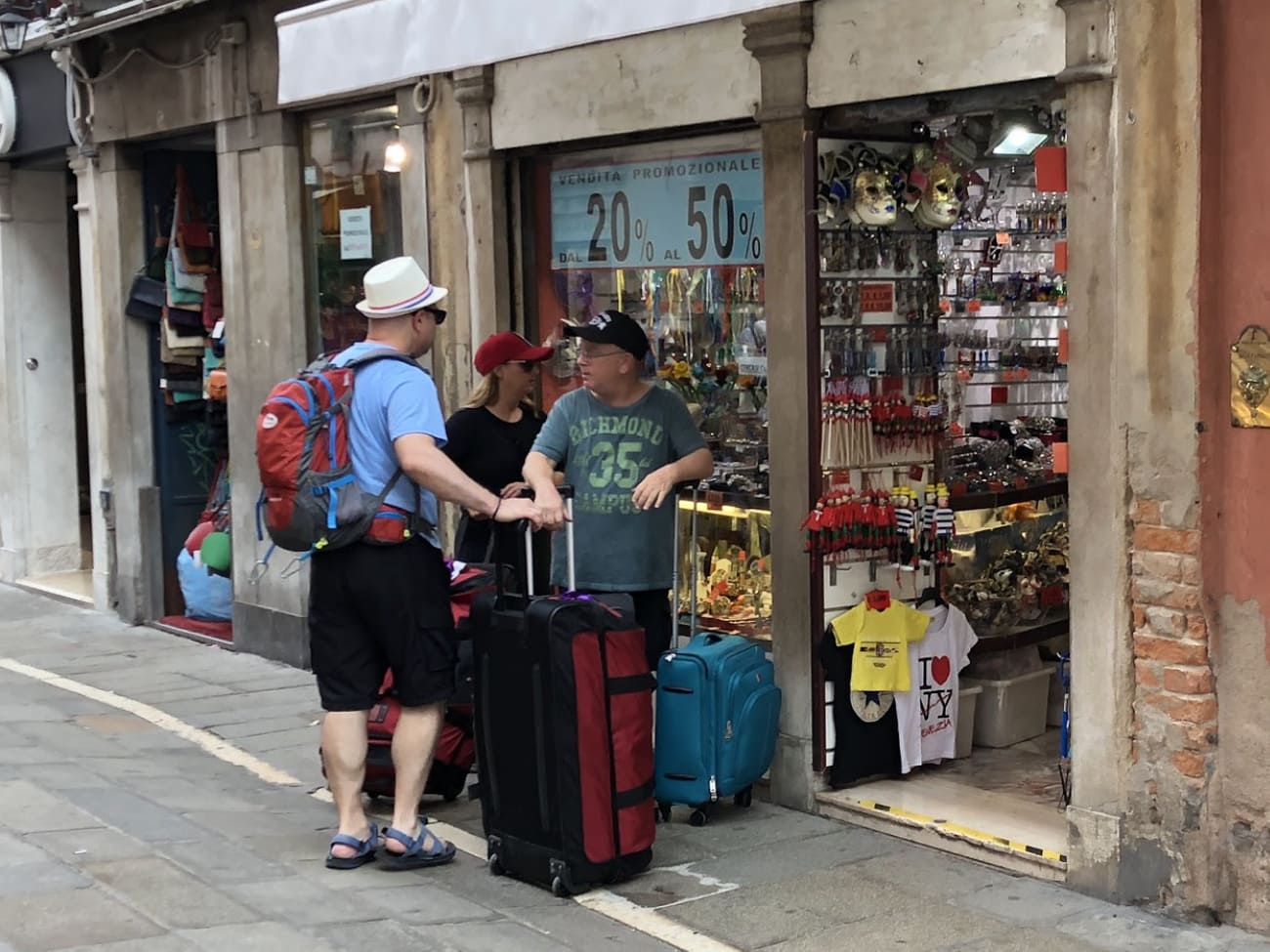
Identifying what not to wear is widely considered the most effective strategy for blending in, accounting for roughly ninety percent of successful travel styling. The most prominent indicator of an American tourist abroad is the complete dedication to head-to-toe athletic attire. While Europeans certainly incorporate sportswear into their daily wardrobes, American travelers have a tendency to take the trend to an extreme. Sporting athletic shorts or leggings alongside an athletic top and heavy-duty running shoes in the middle of a historic city center is a guaranteed way to stand out.

Footwear requires careful consideration. Because navigating European cities often involves walking several miles a day over cobblestone streets, comfortable shoes are non-negotiable. However, fashionable Europeans rarely wear bulky, technical running shoes for casual sightseeing. Instead, many have embraced athletic lifestyle sneakers from brands like Nike, New Balance, Adidas, and Puma, which offer both ergonomic support and a sleeker aesthetic. Alternatively, minimalist leather sneakers provide a clean look that transitions easily from daytime walking to evening dining. Heavy-duty running shoes, beach flip-flops, and overly rugged sandals should generally be left at home, while flip-flops are strictly reserved for the coast.
When it comes to trousers and shorts, the rules are similarly straightforward. Europeans do wear shorts, particularly during the warmer summer months and in southern regions, but they typically avoid oversized khaki cargo shorts, which serve as another classic trademark of the stereotypical tourist. Similarly, sweatpants and technical athletic pants are rarely seen in public outside of actual fitness settings. Adhering to a general rule of thumb—avoiding any garment that looks explicitly intended for a gym workout or a soccer pitch—helps maintain a more understated presence.

Accessories also play a role in cultural visibility. While baseball-style caps are common across Europe, wearing a hat emblazoned with the logo of a local American sports team immediately signals one’s origins. Other forms of fan gear, including team jerseys and branded university apparel, have the same effect. Conversely, overcompensating by overdressing in overly formal attire can be just as problematic. Arriving in casual sightseeing destinations dressed as if for a high-end fashion runway marks a traveler as wealthy or out of touch, potentially drawing unwanted attention from local petty criminals.
What To Wear In Europe
The good news for travelers is that daily attire does not require exhaustive overthinking, as most locals are unconcerned with what tourists are wearing. Furthermore, attempting to match the wardrobe capacity of a resident local who has an entire closet at their disposal is impractical and leads to the burden of hauling a heavy suitcase. The primary goal for packing light and smart is achieving a cohesive, understated look that ensures comfort without advertising one’s status as a clueless visitor.
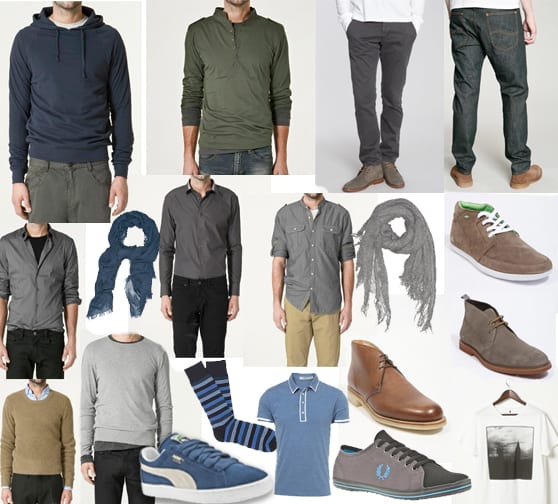
Choosing the right footwear remains paramount. Committing to a reliable pair of lifestyle sneakers or low-profile leather shoes guarantees the necessary comfort for long days of walking while maintaining a contemporary appearance. Neutral color palettes—such as black, charcoal gray, dark blue, and earthy tones—simplify packing. Darker colors not only make mixing and matching effortless, but they also prove far more effective at hiding wrinkles and minor stains accumulated during transit and daily excursions.
Well-fitting garments form the foundation of everyday European street style. Even simple combinations, such as a well-tailored t-shirt paired with denim or a casual button-up shirt, instantly look sharper when the proportions are correct. Button-up shirts offer remarkable versatility, serving as a comfortable alternative to t-shirts that can easily be dressed up or down depending on the itinerary. For transitional weather, layering a denim jacket or a lightweight chore coat over a casual shirt adds both practicality and a refined edge to an outfit.

Another practical accessory recommended by seasoned travelers is a sensible wristwatch. Relying entirely on a smartphone to check the time can leave a traveler vulnerable while navigating bustling transit hubs. Furthermore, because much of Europe operates on a 24-hour military time system—particularly when reading train schedules and museum reservation times—wearing a watch that accommodates or displays 24-hour time can be a subtle yet immensely helpful tool for daily navigation.
Basic Daytime and Nighttime Fashion Advice
Daytime sightseeing demands prioritizing comfort above all else. Because a traveler’s day will inevitably be spent navigating crowded historic sites alongside thousands of other visitors while walking extensive distances, restrictive clothing or inadequate footwear will quickly ruin the experience. Daytime wardrobes should match the local climate, featuring lightweight, breathable fabrics during the summer months and warm, water-resistant layers during the winter. The objective is simply to remain practical and presentable without appearing unkempt.

As evening approaches, travelers can afford to elevate their presentation slightly when heading out for dinner or drinks, though extreme formality remains unnecessary unless visiting high-end establishments. A reliable evening uniform for the vast majority of European destinations consists of a well-fitted button-up shirt paired with dark jeans and clean minimalist sneakers or casual leather shoes. This balanced approach provides an authentic, put-together look that respects local norms while ensuring the wearer remains comfortable, mobile, and understated throughout their journey.