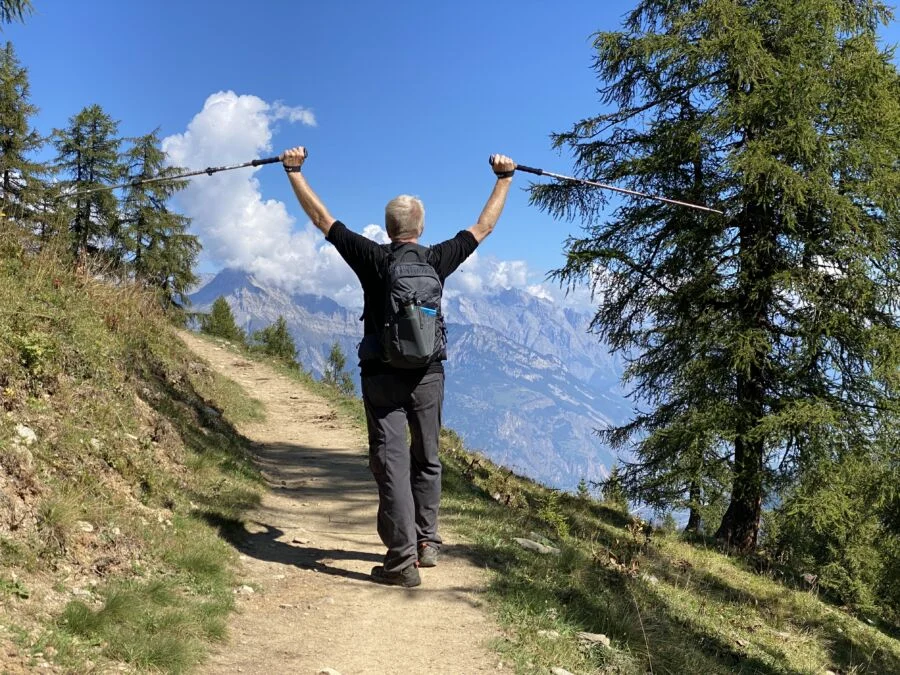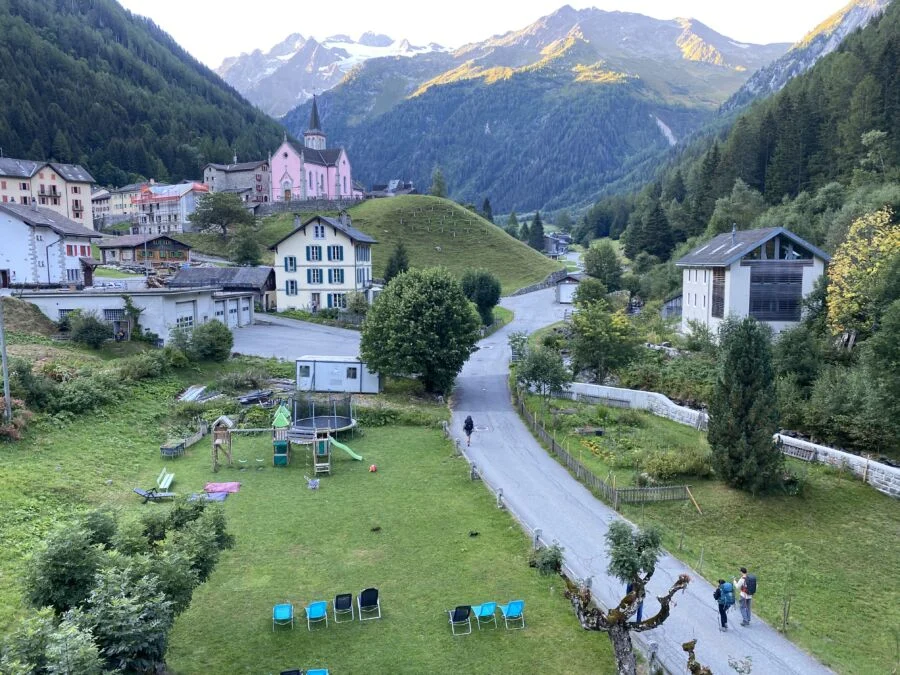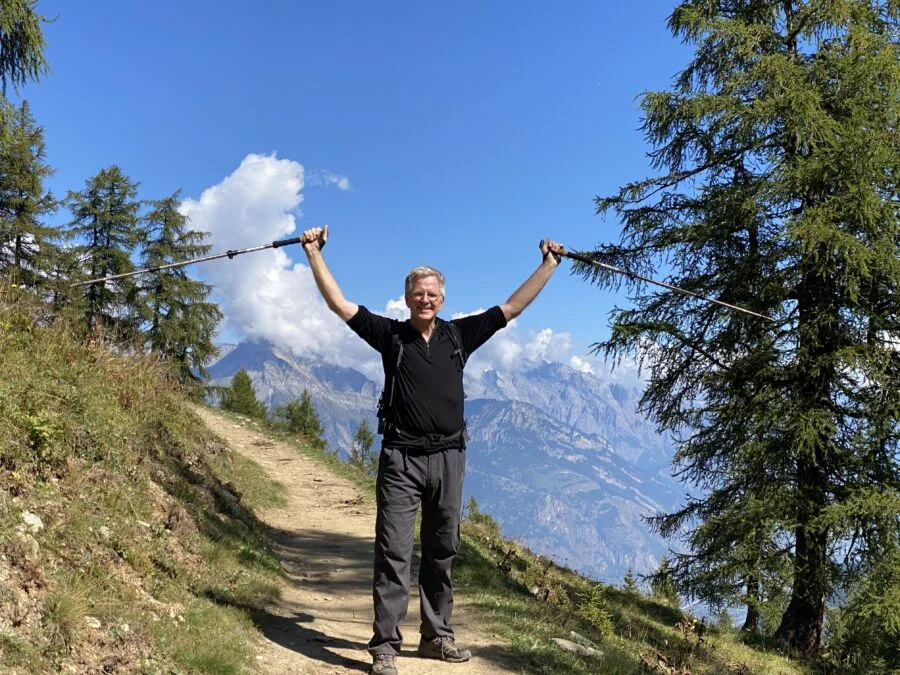
Earlier this fall, a small group of four self-described total novices at long-distance trekking set out to conquer the rugged terrain surrounding Europe’s highest peak. Among them was travel broadcaster Rick Steves, who embarked on the journey alongside his girlfriend, Shelley, and traveling companions Sue and David from Minnesota. David Preston, a colleague of Steves for two decades at TPT (Twin Cities PBS), is well-known in public television circles as a veteran pledge drive guru. For Steves and Shelley, the excursion marked their first time exploring a remote corner of the European continent together as a couple.
The undertaking of choice was the iconic Tour du Mont Blanc (TMB), a renowned high-altitude circuit that spans approximately 100 miles around the colossal Mont Blanc massif. Traditionally completed as a grueling ten-day continuous trek, the quartet decided to modify the adventure to suit their novice status. They opted to complete the most rewarding 60-mile stretch of the trail over the course of six days, journeying from one mountain lodge to another. To manage the physical demands of the route, they strategically caught local public buses through less captivating or overly hazardous sections.
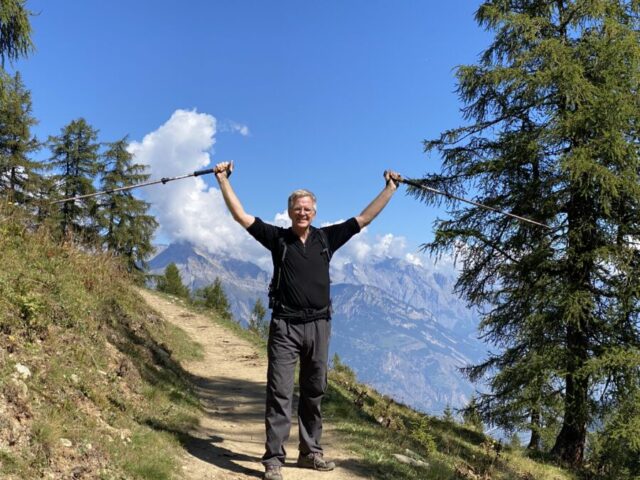
Logistical support played a key role in making the journey manageable. The group utilized a regional "sherpa service," a popular logistical offering for TMB hikers. Instead of carrying heavy packs over steep alpine passes, travelers leave their larger bags in a hotel lobby or at a mountain refuge. A dedicated shuttle service then picks up the luggage and delivers it securely to the next night’s accommodations. For Steves and his companions, this meant checking into each new mountain refuge to find their bags waiting happily for them at the front desk.
The standard route of the Tour du Mont Blanc traditionally guides hikers in a counter-clockwise direction. The official journey typically begins from a ceremonial start point marked by a stone arch in the charming French alpine village of Les Houches, situated just outside the bustling mountaineering hub of Chamonix. Steves noted that this landmark serves as an ideal spot for a cheerful group photo, captured before the inevitable appearance of trail-induced blisters. From Les Houches, the path winds continuously across international borders, looping gracefully through parts of France, Italy, and Switzerland before eventually returning to the Chamonix valley.
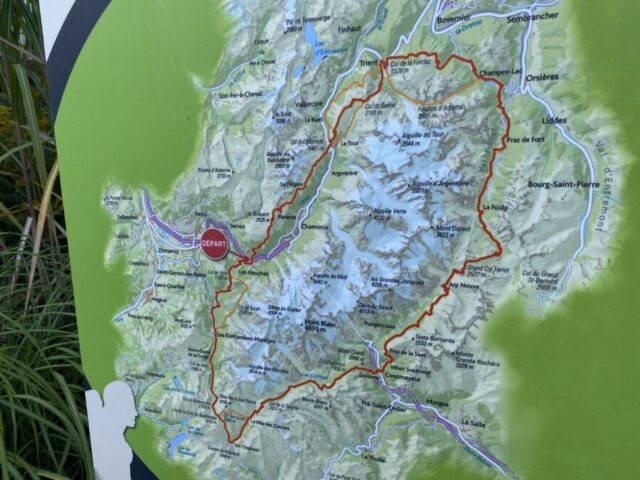
Preparation for the rigorous demands of the alpine trek began long before the group touched down in Europe. Because a typical day along the TMB requires scaling roughly 1,000 meters, or 3,000 feet, of vertical elevation gain, the travelers engaged in targeted physical conditioning close to home. Steves recommended selecting a local practice hike that mimics the altitude gains anticipated on the trail to serve as a reliable reference point. For Washington State residents, that benchmark was the demanding Mount Si trail. The group grew so accustomed to the specific physical exertion required that they coined their own private unit of measurement, referring to any 3,000-foot vertical climb simply as "a Mount Si."
Once on the trail, the reality of high-altitude alpine hiking quickly set in, often matching the dramatic wildlife spotted along the way. On the very first day of the trek, large birds of prey circled high overhead in the crisp mountain air. Steves quipped that his immediate hunch was that the creatures were vultures simply waiting for one of the novices to drop from exhaustion.

Daily itineraries consistently challenged the group’s endurance. While trail signs routinely estimated a five-hour hiking duration for a given segment, the novices’ actual travel time regularly stretched to six or seven hours. Rather than rushing to keep pace with seasoned mountaineers, the group adopted a deliberate and forgiving mantra: "Take our time. This is why we’re here."
Generally, the rhythm of each day followed a demanding pattern. Mornings were dedicated to the hardest work, requiring a relentless 3,000-foot ascent to reach a high mountain pass, locally known as a "col," situated roughly 8,000 feet above sea level. Reaching each col served as a major personal triumph for the first-time trekkers. These high-altitude mountain saddles routinely offered dramatic shifting weather patterns, commanding panoramic views of the surrounding glacial valleys, and served as the designated location for celebratory lunchtime selfies next to traditional piles of arranged stones known as cairns.

While the trail network offers an extensive array of supplementary public buses and mountain lifts to assist weary travelers along various segments of the route, timing is an essential consideration for anyone attempting the circuit late in the year. Because the high-alpine tourism season is notoriously short, local officials and operators begin shutting down the majority of the mountain lifts and regional buses by mid-September. For Steves and his party, navigating these operational windows was essential to successfully bridging the gaps between the most scenic stretches of the iconic European trail.