When enthusiasts and consumers evaluate a new backpack, duffel, or travel gear piece, they are often drawn to a specific set of specifications printed neatly on the product page. Among these technical details, one metric stands out as a primary indicator of ruggedness and build quality: the denier count. A higher number is frequently assumed to guarantee a superior, tougher product, while a lower number might lead buyers to question a bag’s longevity. However, according to experts in the carry goods industry, this widely accepted assumption is fundamentally flawed, and understanding how to truly read a fabric requires a much more nuanced approach.
In the ongoing educational series "Carry 101," gear analysts and designers are working to clear up widespread confusion surrounding material specifications. At the center of this educational effort is the persistent misunderstanding of what denier actually measures. Contrary to popular belief, denier does not refer to the overall strength, toughness, or durability of a fabric. Instead, it is a specific unit of measurement that defines yarn weight. Specifically, one denier is defined as the mass in grams of nine thousand meters of the yarn or fiber.
Because denier measures the linear mass density of the fibers used in the weave, a higher denier simply means the individual threads are thicker and heavier. While thicker yarns can contribute to a heavier, denser fabric, they do not automatically translate to superior tear resistance or overall structural integrity. When engineers and bag designers evaluate materials for a new build, they look far beyond this single metric. In fact, when factoring in the specific type of fiber being used, a lower denier fabric can often significantly outperform a higher denier alternative for the right application.
The choice of fiber polymer plays an equally critical role in how a material performs under real-world conditions. Different synthetic materials, such as nylon and polyester, possess inherently different physical properties. Furthermore, advanced weaving techniques, specialized coatings, and modern manufacturing processes can dramatically alter a textile’s characteristics. A tightly woven, high-tenacity nylon with a relatively low denier count can easily surpass the abrasion and tear resistance of a loosely woven, heavy denier fabric made from lower-grade materials. The intended application of the bag—whether it is designed for ultralight technical hiking, urban daily commuting, or heavy-duty tactical deployment—dictates which combination of fiber, weave, and weight is most appropriate.
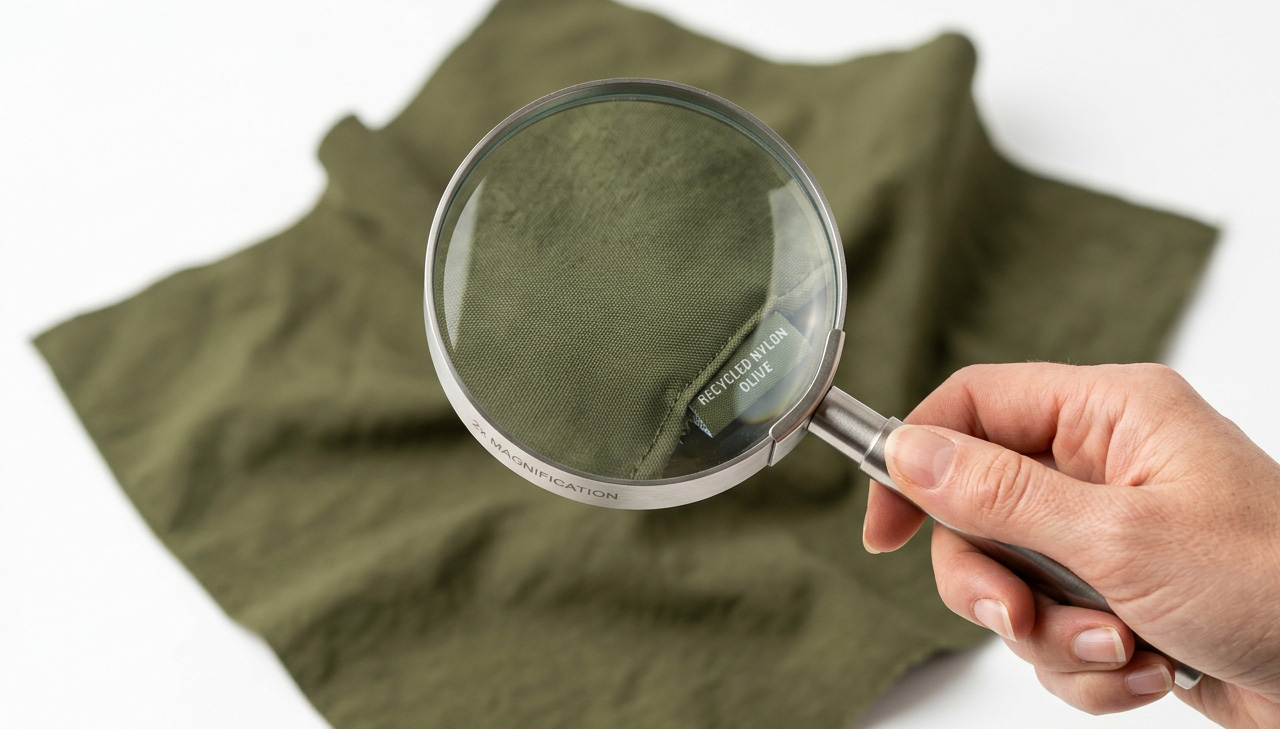
To address these complexities and help consumers navigate the overwhelming array of technical jargon found in the modern gear market, the latest installment of the "Carry 101" video series offers a comprehensive breakdown of the terminology that actually matters when selecting materials for a bag build. Released as part of an ongoing initiative to educate the carry community, the video cuts through marketing buzzwords and focuses on the structural fundamentals of technical textiles.
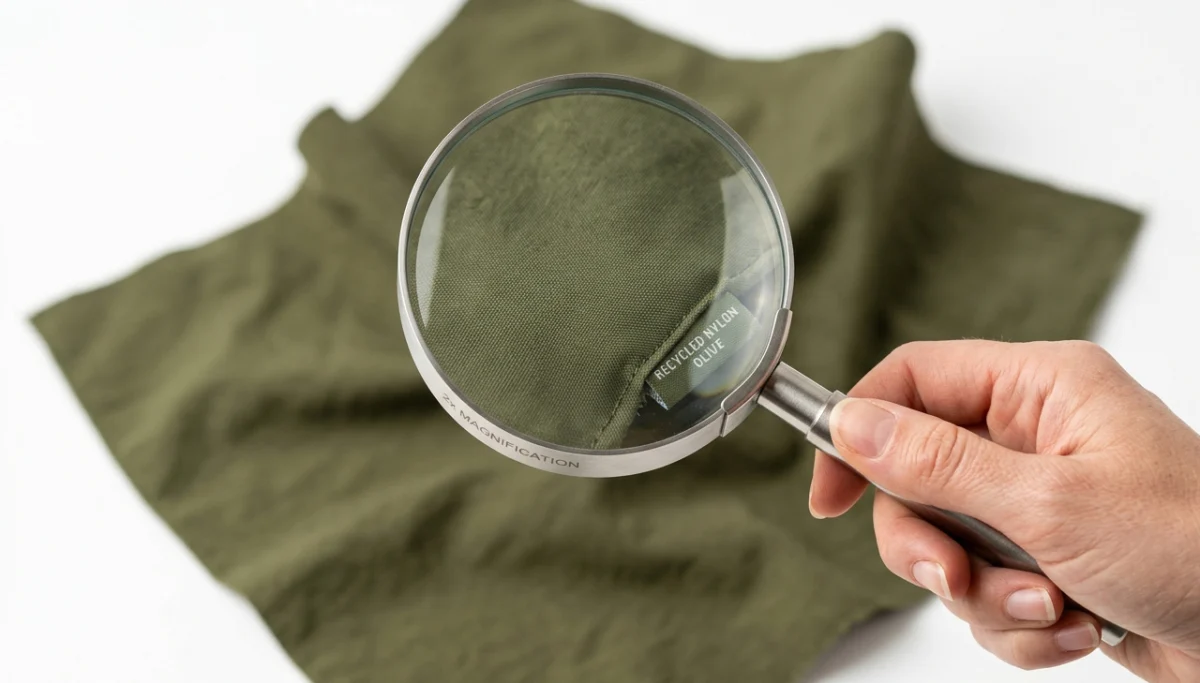
The featured video, titled "How do you read a fabric? | Episode 2," provides viewers with a visual and analytical deep dive into the microscopic world of bag materials. By examining physical swatches of yardage, the segment illustrates how yarn weight, fiber composition, and weaving architecture interact to create the finished textiles utilized by top-tier bag makers. Rather than relying on a single numerical spec like denier to gauge quality, the discussion encourages a holistic evaluation of how fabrics are constructed and how they behave under stress.
As the gear industry continues to innovate with advanced high-performance laminates, ultra-high-molecular-weight polyethylene, and specialized ripstop weaves, the vocabulary surrounding bag construction has become increasingly sophisticated. Consumers and designers alike benefit from moving past oversimplified metrics like denier. By understanding the true definition of yarn weight and appreciating how different fibers contribute to a bag’s overall performance, buyers can make more informed decisions about the gear they invest in, ensuring that the materials chosen match the demands of their daily carry.