Whenever we comb through the comment fields and chat rooms of the gear world, two dominant forces always seem to steer the conversation: price and performance. How much did it cost? Was it actually worth the investment? And how did it perform out in the field under pressure?
Those are all well and good. They are fair, practical questions, and enthusiasts and reviewers alike ask them every single day. But anyone who has ever hung onto a battered, frayed pack long after a superior replacement arrived knows there is more to the story. The same goes for anyone who has pulled on their favorite, weather-beaten jacket and felt a little taller, a little more confident, and a little more ready to face the world. Gear does jobs for us that no standard review measures—jobs that plenty of users might not even consciously notice.
The Three Jobs of a Thing
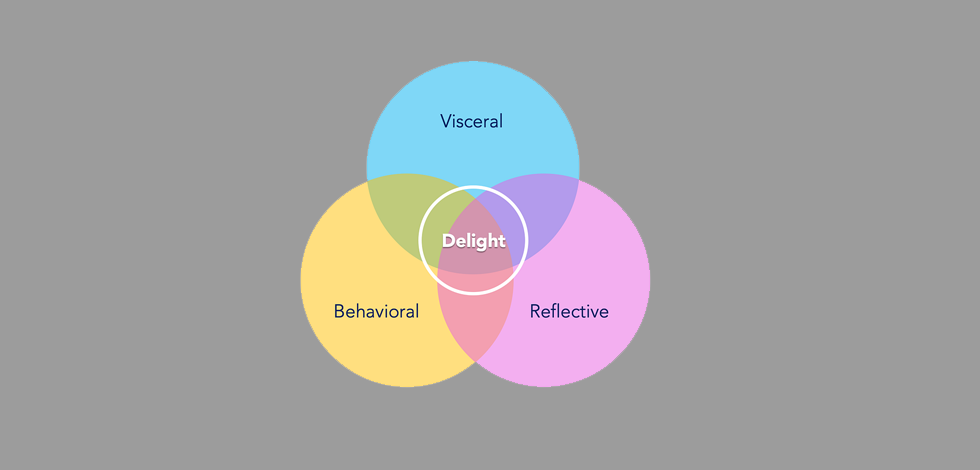
Cognitive scientist Don Norman offers a compelling framework for cutting through this utilitarian debate in his book Emotional Design, where he argues that human reactions to the objects we use occur across three distinct levels.
The first is the visceral level, capturing our immediate emotional gut reaction: what an object looks like, how its materials feel against our skin, and whether we instinctively want to pick it up. The second is the behavioral level, which is purely about performance and utility—does the object do the job, and how well does it execute it? The third is the reflective level, representing the deeper meaning things take on over time, the role the object plays in our personal identity, and the memories and stories we permanently attach to it.
Most contemporary gear discussions live entirely on that second level. It is fair enough, as performance is the easiest aspect to measure, argue over, and neatly organize into a comparison table. The other two dimensions are notoriously harder to quantify with a number or a percentage, which is precisely why they are so often overlooked in modern spec sheets.
What We See and Feel
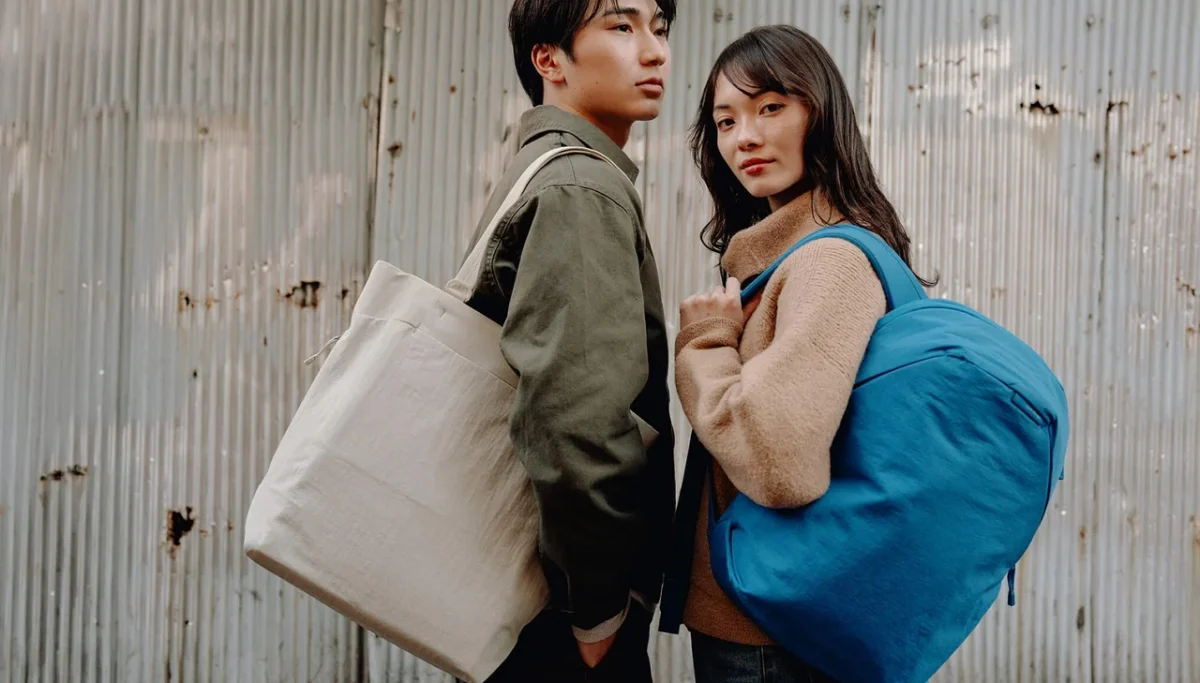
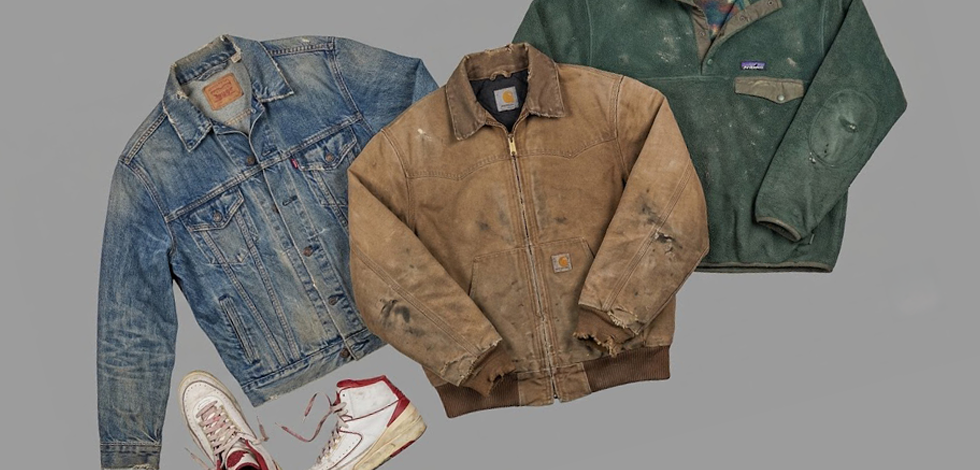
Consider the realm of the visceral—the emotional and sensory feedback that never quite makes it onto a technical specification sheet. Pick up a bag crafted with exceptional hand feel, whether that is heavy-duty premium nylon, supple leather, or rugged waxed cotton, and something happens in the human brain before a single conscious thought is formed.
Psychological research supports this phenomenon. In a notable 2009 study, consumer researchers Joann Peck and Suzanne Shu found that merely touching an object physically increases our psychological sense of ownership over it, and that the pleasantness of that tactile experience directly shapes how much we value the item. In short, our hands start building a relationship with our gear long before our rational minds ever get a vote.
Then there is the psychological boost of wearing something that simply fits right and feels authentic. Most people have owned a jacket or a pair of jeans that managed to boost their confidence by several notches. You walk a little taller and you feel ready for whatever the day brings. No review will ever capture that intangible sensation, yet nearly everyone has experienced it. Gear functions in the exact same manner: it is the jacket that makes you feel invincible, or the trusted bag you rely on for every major trip, signaling that you are heading toward another memorable adventure.
When humans connect with an object on an emotional level, it creates a genuine physical effect on mood. It might be how we feel we look while carrying it, or it might connect us to an aspiration—a dream of something bigger, something we want to embody or achieve. This helps explain why urban commuters frequently wear heavy-duty motorcycle, field, or alpine jackets around city streets. It is often about the feeling and the narrative that the individual has attached to the garment. Back in 1988, consumer researcher Russell Belk made a related case, arguing that our possessions inevitably become an "extended self," fusing into how we perceive our own identities.
The Stories We Carry
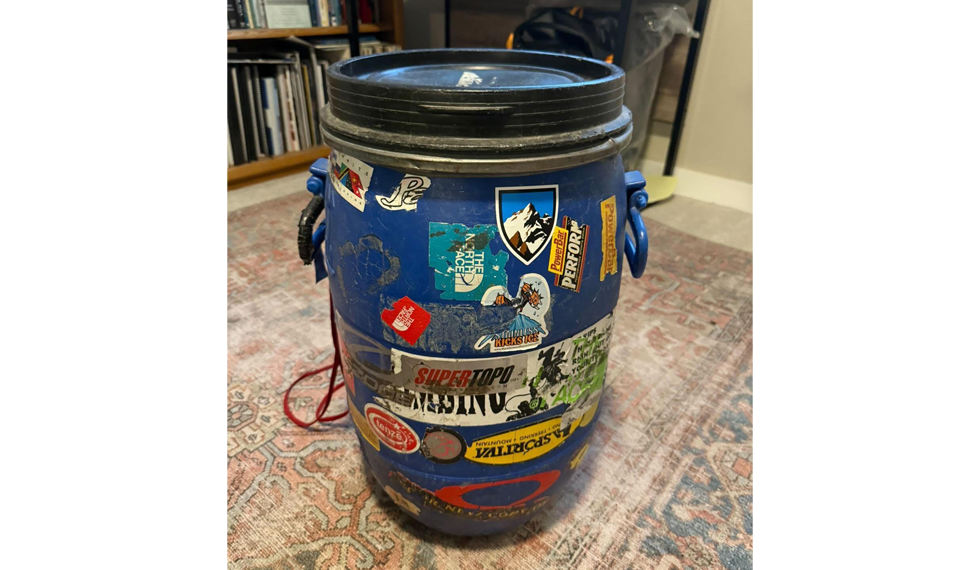
Consider a simple thought experiment. Picture an expedition drum bag used by renowned mountaineer Conrad Anker, which has been carried into every far-flung, punishing environment imaginable since the 1990s. Now, picture the identical model sitting pristine on a shelf in the corner of a local gear shop. It is the same drum, made of the same heavy-duty plastic, with virtually the same price tag. Yet one of those items is merely a tool, while the other holds every freezing morning, every hard-won meter of elevation, and every successful summit.
Yale psychologist Paul Bloom refers to this psychological instinct as essentialism. In his book How Pleasure Works, he argues that human enjoyment of objects is profoundly shaped by what we believe about their provenance—where they came from, who made them, and what they have been through—rather than relying solely on aesthetic or functional metrics. Bloom points out that the physical object itself hasn’t necessarily changed; what changes is the story we know about it, and for the person who lived that narrative, that history is entirely real.
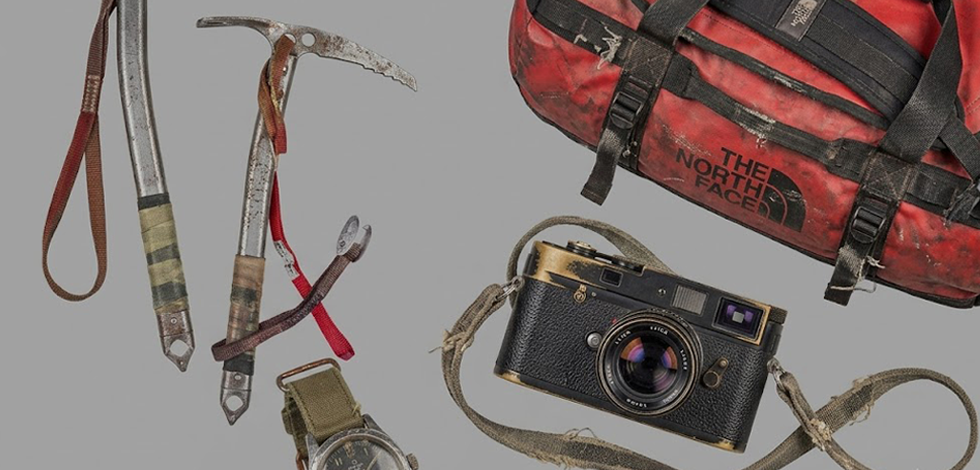
Athletes and professionals who carry gear into high-stakes environments echo this sentiment. In a feature detailing the most cherished kit of the world’s greatest mountaineers, climber Renan Ozturk discussed a pair of alpine pants from The North Face that he has owned since 2010. With his wife patching them roughly ten times a year, he continues to wear them because they fit better than anything else he has ever used and, as he notes, "they contain so many memories." When you reach the top of a peak with a piece of equipment, it frequently transforms into a personal good-luck charm.
Conrad Anker’s portaledge pole snapped during a grueling ascent on Meru in 2007. The team patched it up temporarily and pressed onward. Back home in Montana, Anker engraved "Meru 2007" onto the damaged metal, and the broken tool now hangs in his garden—a piece of equipment that failed functionally, yet was kept for a lifetime.
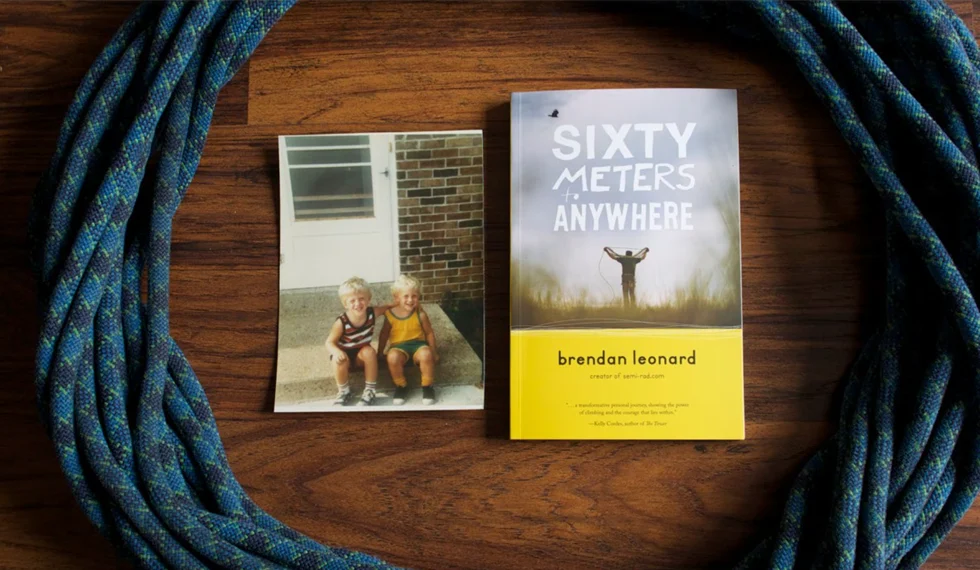
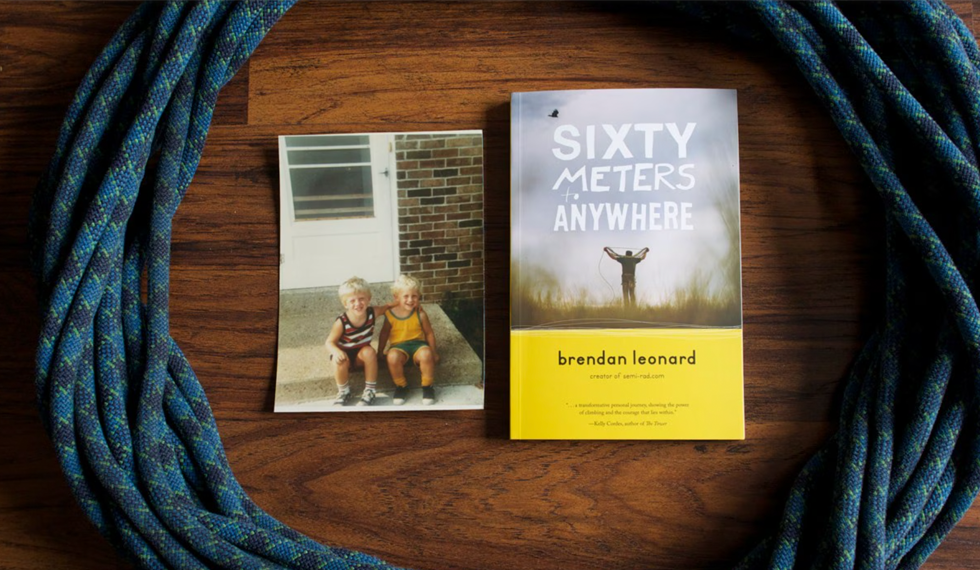
Similarly, mountaineer Melissa Arnot describes herself as an intensely pragmatic realist who is entirely unsuperstitious, yet she carries a set of blessed rice and a prayer card on every peak she scales, with a photograph of her late climbing partner, Chhewang Nima, tucked inside the card on the summit of Everest. Writer and adventurer Brendan Leonard carried a 60-meter climbing rope gifted by his brother for years—a gift that sparked a lifelong passion for climbing and ultimately shaped his career. When his book Sixty Meters to Anywhere was published in 2016, he cut the rope in half, mailing one portion back to his brother alongside a copy of the book and a note of gratitude.
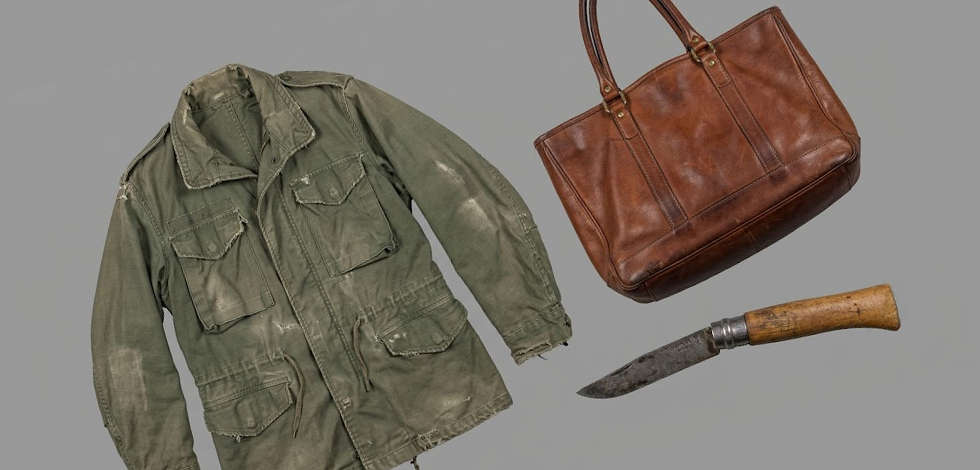
Internationally, cultural traditions reflect this deep attachment. In Japan, the traditional randoseru school bag, engineered to endure six years of rigorous daily use, often remains preserved in family closets long after graduation, packed with old notebooks and report cards. Veteran designer Nigel Cabourn maintained an archive of over 4,000 historic garments, yet was spotted at a London fabric fair wearing a heavily worn Swiss Army rucksack. The team behind the design brand Craighill speaks of crafting objects intended to be intergenerational—the specific belongings people pack when moving homes and refuse to donate. The technical specifications of an item tell you what it can do; the stories tell you what it actually means.
The Social Dimension
Beyond the visceral and reflective elements identified in traditional design theory, gear serves another powerful function: the social dimension. Anyone who has attended a community gear meetup knows the dynamic. A room fills with strangers who instantly bond over the objects they carry and collect. This shared hobby provides common ground, acting as a natural catalyst for conversation and, occasionally, lasting friendship. Objects actively bring people together in the physical world in meaningful ways.
The act of choosing what to carry also serves as a subtle form of communication. Whether conscious or not, an individual’s carried items signal personality, interests, and personal values. A beaten-up hiking pack adorned with an environmental slogan projects a distinctly different message than a high-tech urban shell with integrated hood goggles, or polished aluminum luggage paired with corporate formalwear.
Economist Thorstein Veblen analyzed this behavior as early as 1899 in The Theory of the Leisure Class, arguing that property and dress have long served as methods of social signaling. The outdoor apparel industry has watched this dynamic play out publicly. In 2017, writer Jason Chen coined the term "gorpcore" to describe urbanites wearing technical hiking and camping apparel far from any actual trail. Executives at technical outdoor brands have noted that a brand’s authentic ties to mountain environments are precisely what drive its widespread appeal, even among consumers who may never test its limits in an alpine storm.
Ultimately, a well-chosen bag, jacket, or pair of boots functions much like a handshake. It communicates identity before a single word is spoken, occasionally offering a stranger an effortless reason to say hello.
The next time you find yourself deep within an online forum debating price versus performance, remember that there are other vital questions to consider. How does the object make you feel? How does it connect to the things you genuinely care about? And what memories could you forge with it along the way?