Favelas are widely recognized as the informal communities of Brazil, often characterized in international media as urban shantytowns. Yet behind these broad definitions exist vibrant neighborhoods populated by real people, maintaining a rich culture that is difficult to encounter anywhere else in the world. A closer look at Brazil’s largest favela reveals a complex social fabric defined by ingenuity, resilience, and a deep appreciation for community life.
Understanding the Favelas: Beyond the Slum Label
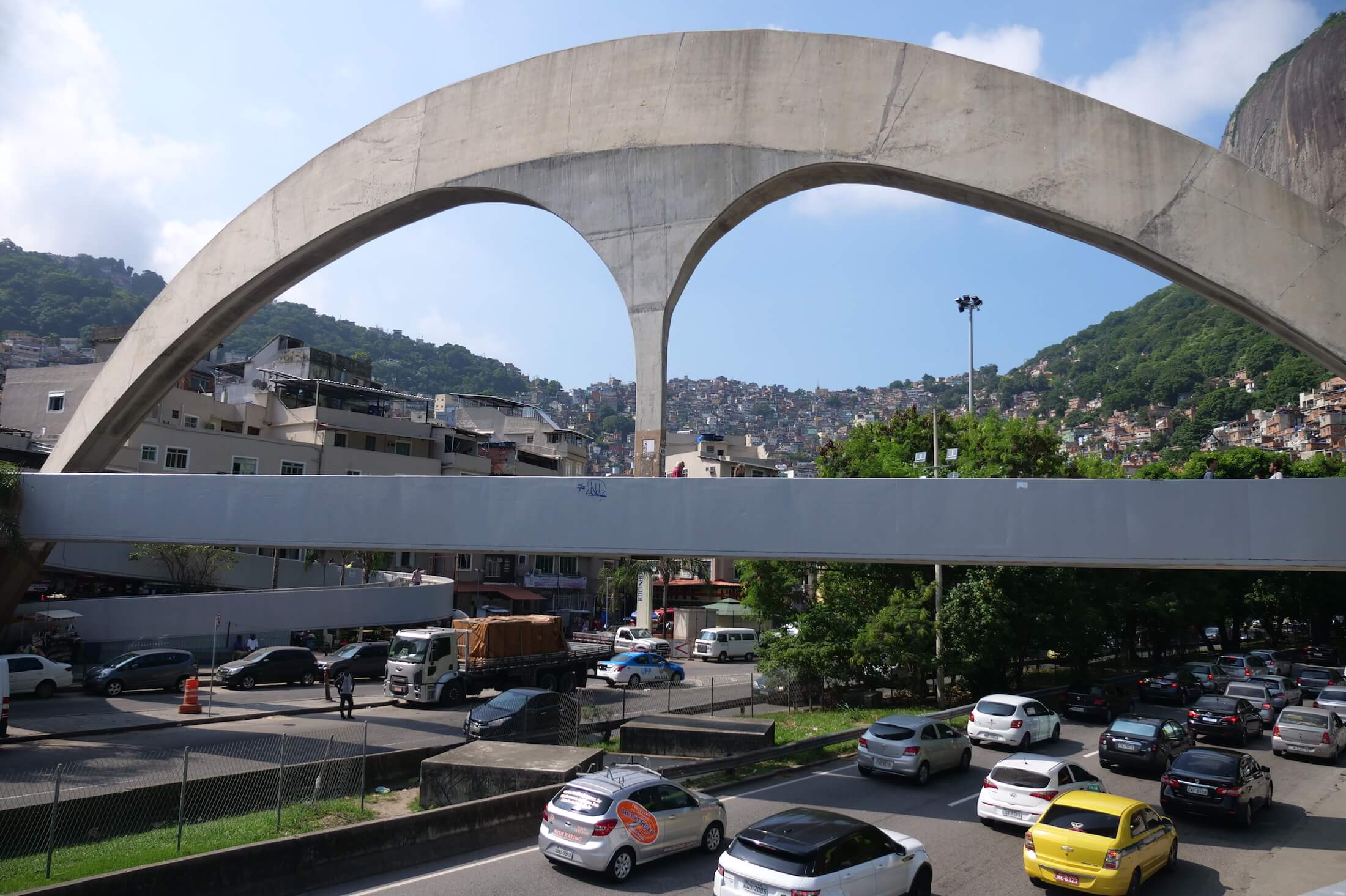
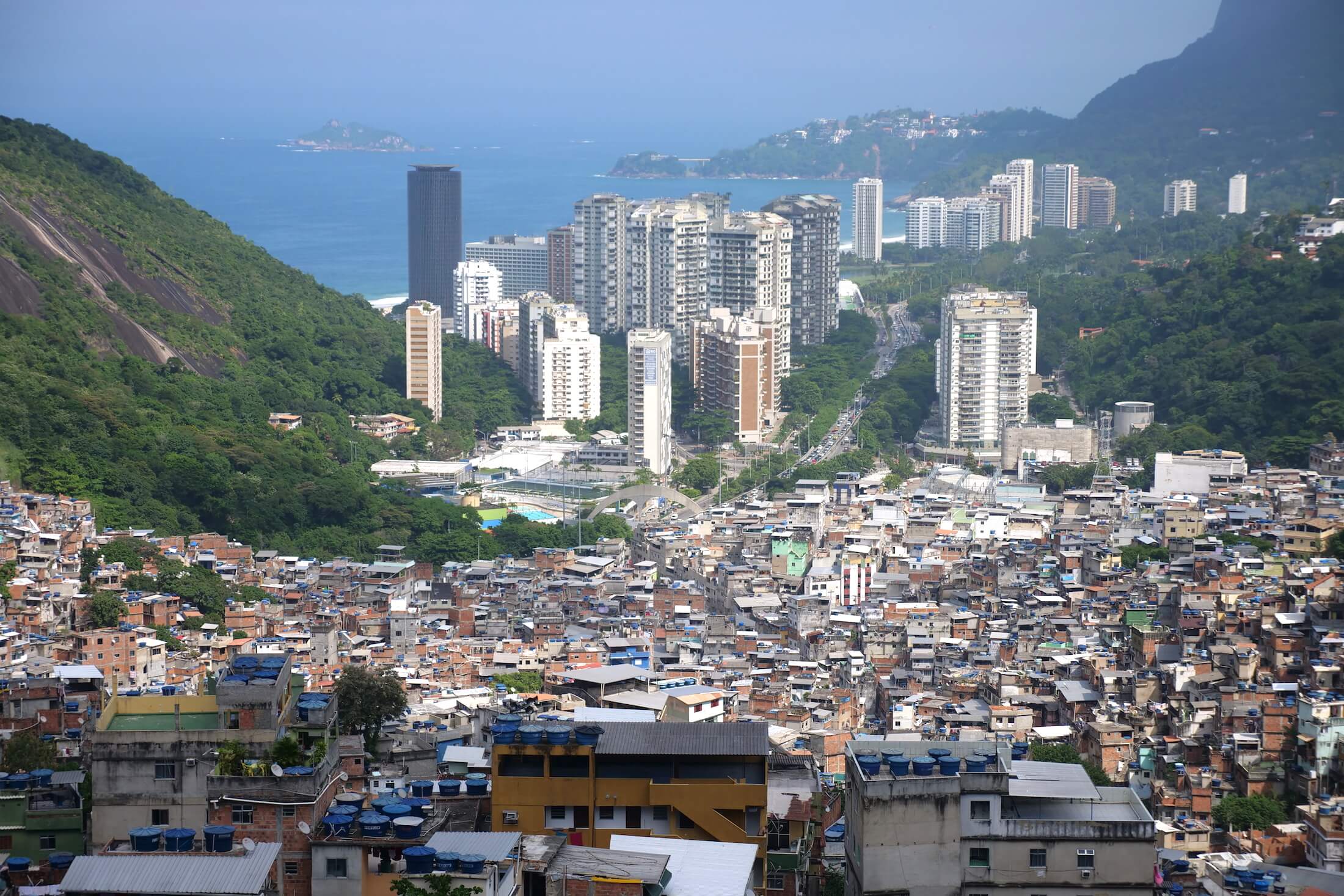
Favela life is typically defined by high population density. In Brazil’s larger metropolitan areas, these neighborhoods quickly extend up the steep hillsides surrounding the urban core. While international perceptions often lean toward labeling them as neglected slums, daily life inside these communities operates differently. They are areas where life is less standardized, and infrastructure may not follow traditional city-planning templates, but they are far from abandoned or devoid of basic services.
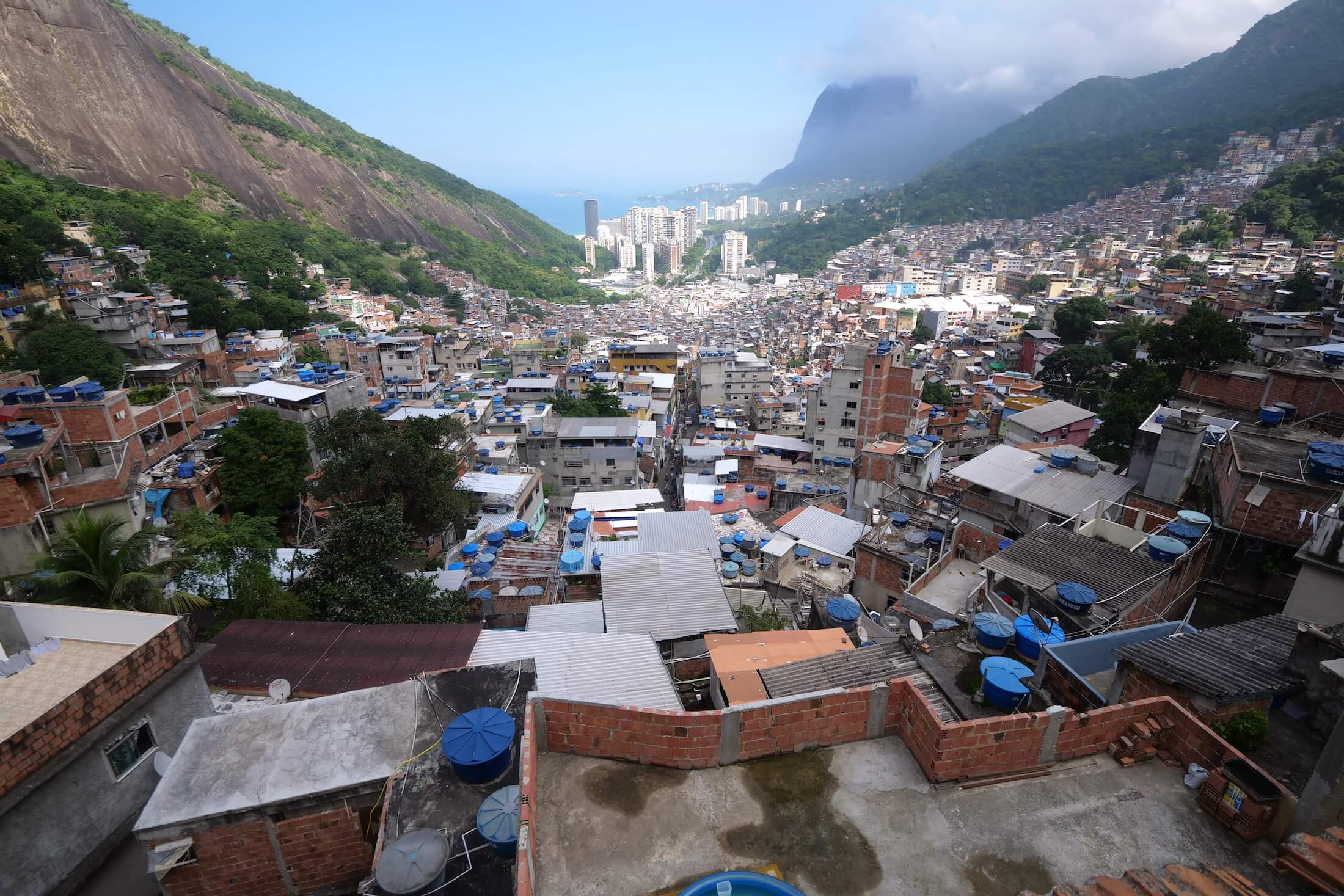
Taking Rocinha as an example, the neighborhood features established running water and electricity in most homes, alongside functional schools, banks, convenience stores, and local pharmacies. While these areas do not fit the bleak definition of traditional slums, they do carry distinct reputations—particularly in Rio de Janeiro. News reports frequently cast Rocinha and similar communities as dangerous environments, skewing public perception. While visitors should always exercise standard travel caution, television broadcasts rarely tell the whole story. Travelers navigating Brazil are encouraged to remain aware of their surroundings, but to discard outright fear when it comes to experiencing favela communities firsthand.
Vibrant Humanity and Everyday Life in Rocinha
Favelas stand out as some of the most dynamic places in the world, offering a clear window into the heart and soul of Brazilian culture. For travelers willing to look past conventional tourist paths, a day spent exploring a favela often yields some of the most memorable moments of an entire journey.
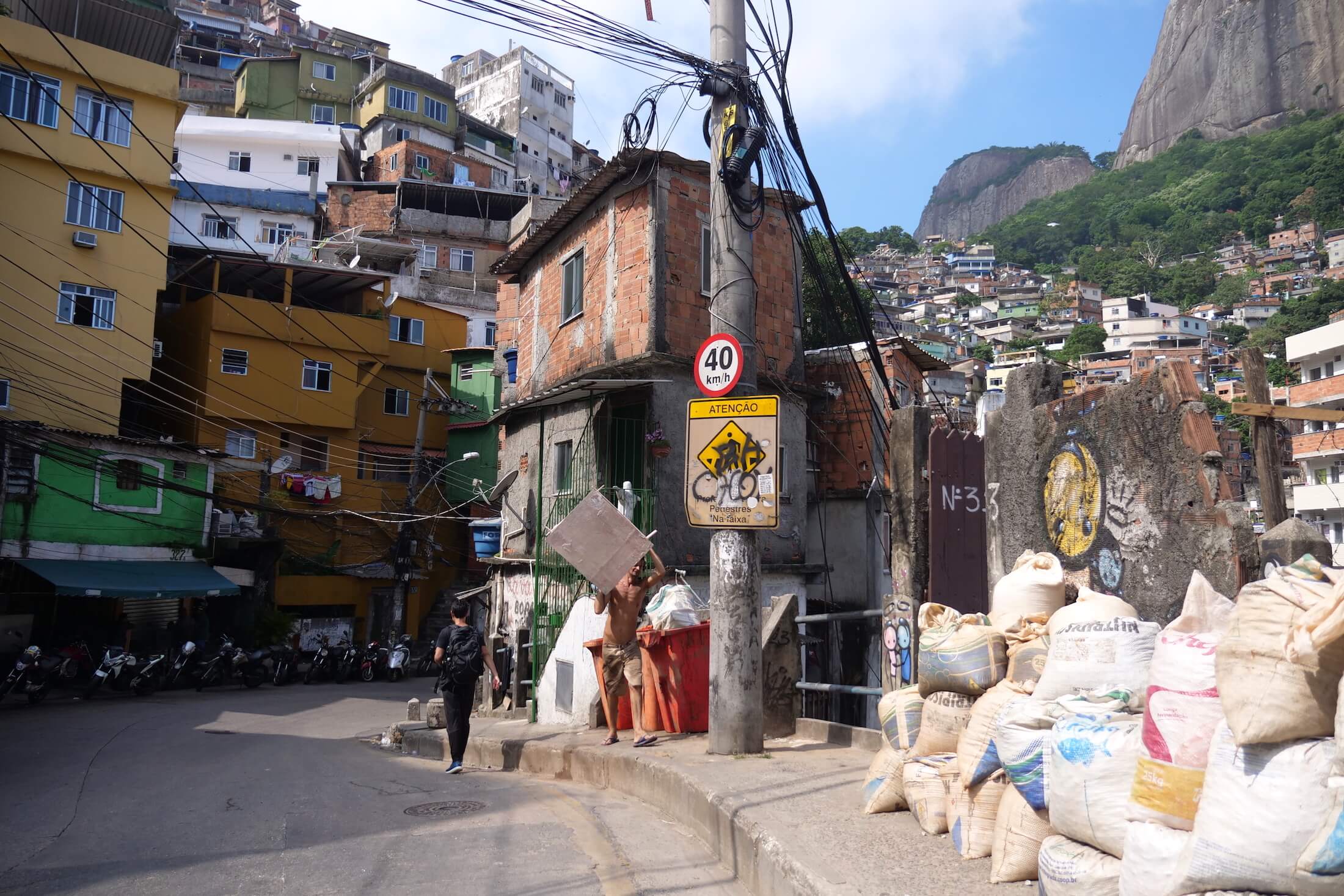
Rocinha is a massive neighborhood functioning much like any other working-class district. The vast majority of its residents work toward the same basic goals in life as anyone else. Visitors frequently find that local inhabitants are remarkably friendly and eager to share their daily routines.
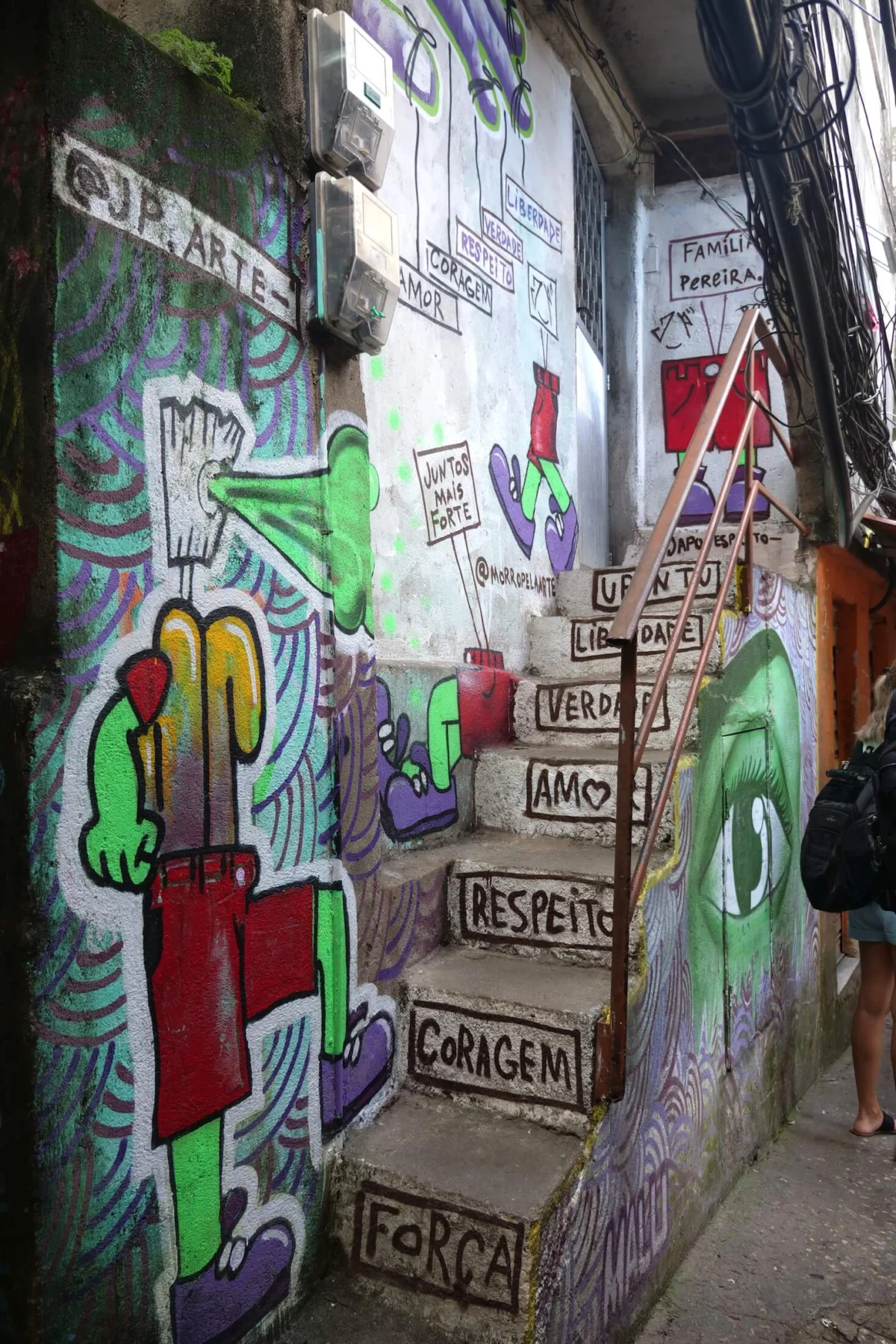
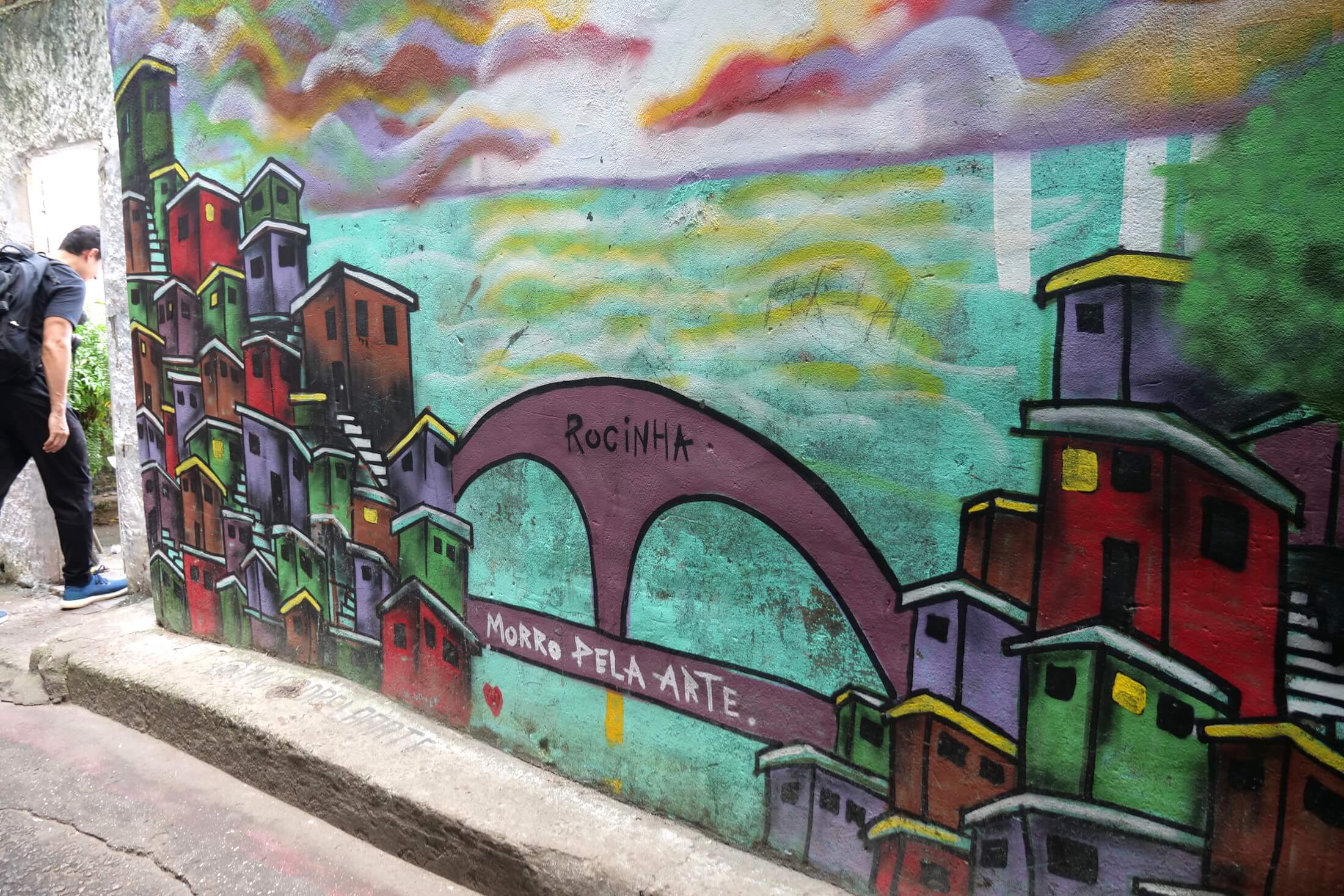
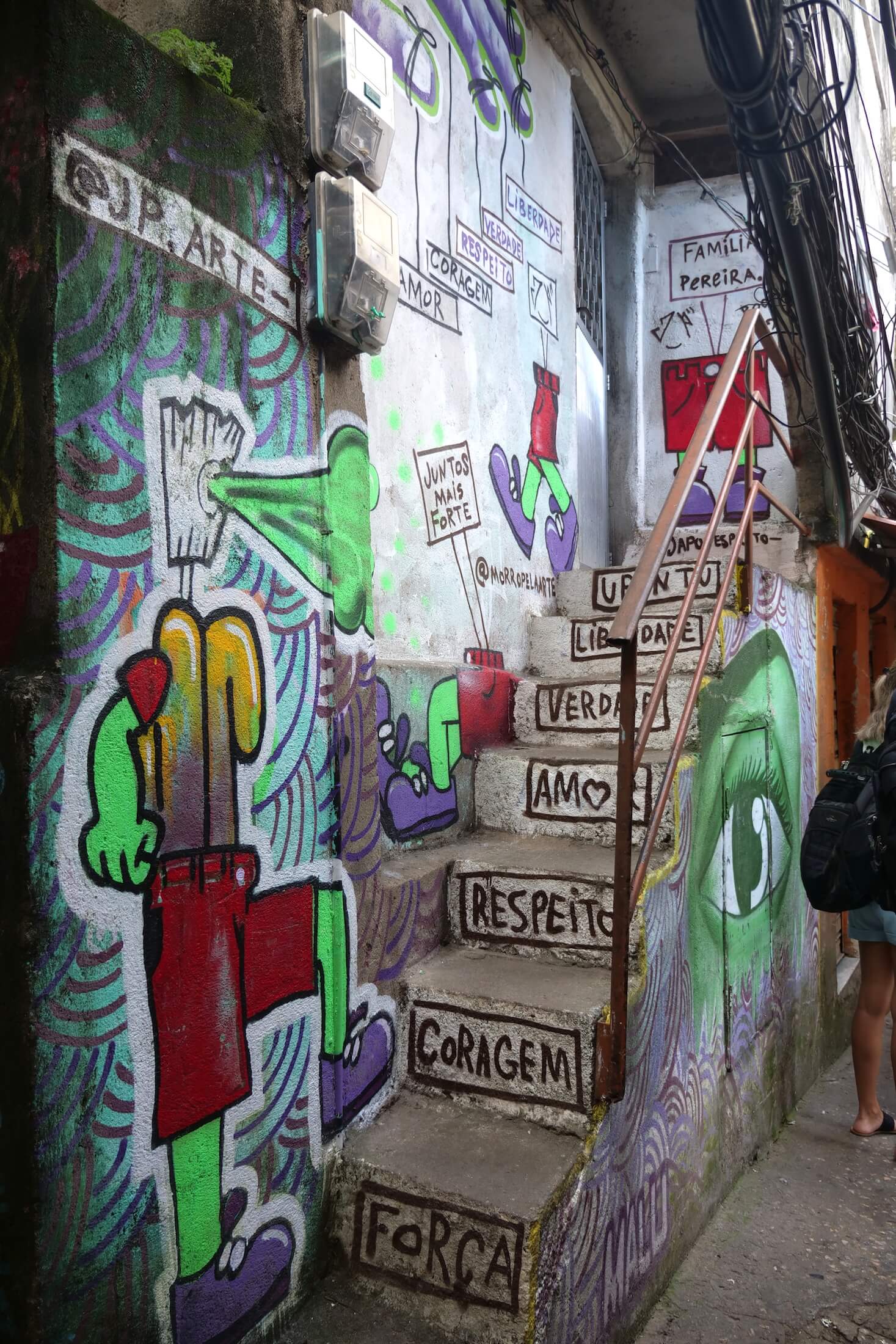
One of the most striking elements of Rio de Janeiro is its pervasive public art. Artwork seems to plaster itself across nearly every available surface, and nowhere is this artistic overload more apparent than in a dense favela like Rocinha. This profound love of color and expression serves as a defining characteristic of modern Brazilian identity.
The Gate of Heaven and Navigating the Neighborhood
For those visiting Rocinha, a common recommendation is to bypass the physical strain of walking uphill by heading straight to the top of the hillside. Visitors can secure a moto-taxi for a rapid, fifteen-minute ride up to a famed local viewpoint known as the "Gate of Heaven."
Situated in the South Zone of Rio de Janeiro near the São Conrado district, Rocinha is easily accessible via public buses or private taxis. Buses bearing the neighborhood’s name display their destination clearly on the front window, and regular passengers typically keep exact change ready for the fare.
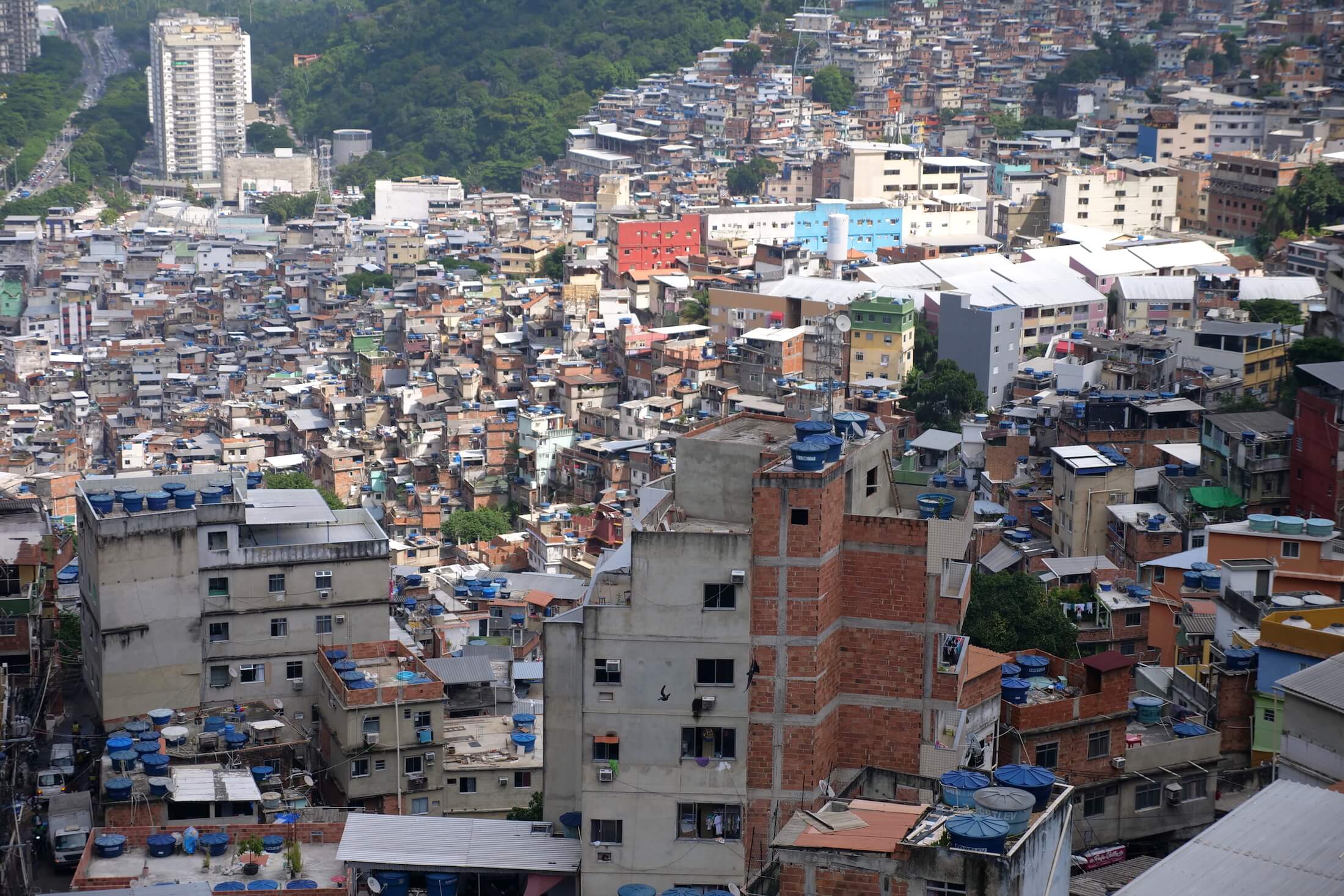
Standing at one of the highest lookout points in the neighborhood provides a breathtaking perspective. From the elevated hillside, the view stretches across thousands of densely packed homes, urban structures further down, and all the way out to the Atlantic Ocean. The sensory environment is powerfully immersive—marked by the constant hum of daily life, distant music, and the rush of local transport carrying workers to and from their jobs.
Culinary Traditions: Coxinha and Salgados
Descending from the viewpoint brings visitors into narrow alleyways filled with the rich aromas of local cooking. Afternoon routines in the neighborhood mirror those found globally, as residents return home to spend time with families or gather with friends. This daily rhythm naturally drives a thriving local food culture.
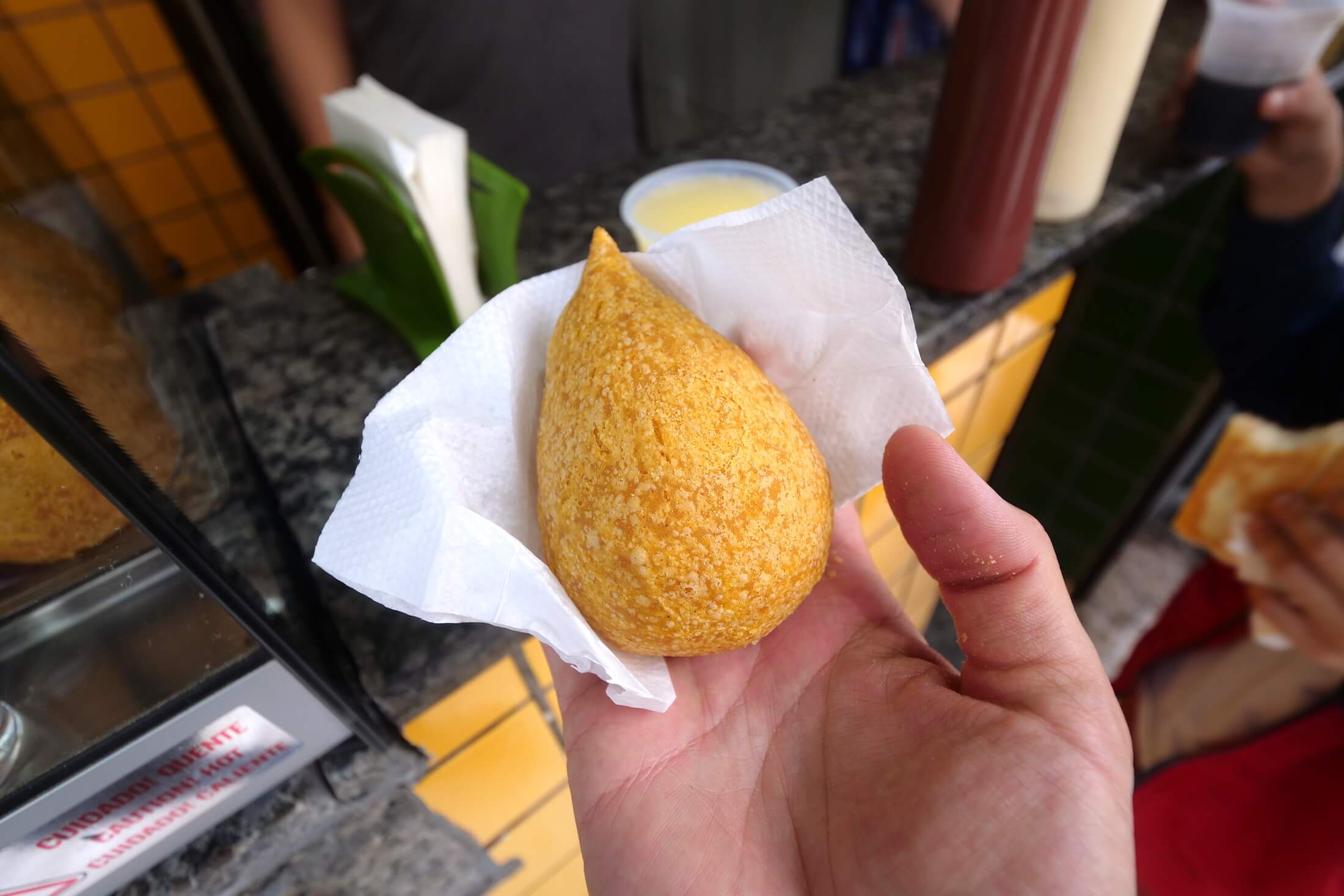
Among the staple snack foods of Brazilian cuisine, the coxinha holds a prominent place. Often found in small shops lining the main streets, a coxinha consists of a dough-based pastry, typically fried, and stuffed with ingredients like shredded chicken, beans, cheese, or other savory fillings. Highly affordable and surprisingly filling, these snacks are a local favorite, frequently enjoyed alongside a cup of coffee on a busy street corner.
The broader category of savory snacks is known in Portuguese as salgados. From tiny street carts to neighborhood cafes, simple combinations of coffee and a savory pastry are ubiquitous. Menus often feature a completo—a combination item pairing a baked good or sandwich with a fresh fruit juice (suco), highlighting the country’s preference for fresh, straightforward refreshment.
Full Meals and Home-Style Cooking in Rocinha
Beyond light snacks, the working-class demographic of the neighborhood supports a thriving array of full-service food spots offering hearty, traditional dishes. Small, family-run establishments serve comforting plates combining standard Brazilian starches and proteins at accessible prices.
One such establishment is operated by a local chef named Alexander. Running his kitchen directly out of a street-front space without a formal sign, the restaurant draws in passersby through the sights, sounds, and aromas of active cooking. Large pots of stewing beans and pork send savory scents into the alleyway, inviting diners to sit at a table or counter to watch the street life outside.
For a modest price, guests are served a rotating daily combination of staples. A typical plate features spaghetti, white rice, and black beans simmered with basic herbs, accompanied by a separate dish of slow-cooked beef brisket and cassava. The tender, rich meat pairs effectively with the starchy cassava, while a light dusting of farofa—toasted cassava powder—absorbs the savory juices from the plate.
Giving Voice to Community Life
Experiences like these highlight the warmth of Brazilian home cooking and the strength of family-run enterprises within the favelas. When evening arrives, spaces like Chef Alexander’s kitchen transition back into private homes, bridging the gap between public commerce and residential life.
Beyond the sensory immersion and the culinary discoveries, visiting communities like Rocinha offers a chance to engage directly with the people who call them home. Taking the time to explore these neighborhoods helps challenge preconceived notions and breaks down negative stereotypes perpetuated by mass media. Such journeys provide lasting insights, proving that open-minded exploration remains one of the most valuable aspects of international travel.