The Airbus A350 has firmly established itself as one of the most capable and fuel-efficient modern widebody aircraft in the skies, specifically engineered to challenge and eventually render obsolete Boeing’s dominant 777 family of the 2000s. While the A350-900 has achieved phenomenal sales success and become a cornerstone of long-haul networks globally, and the larger A350-1000 thoroughly outperforms the Boeing 777-300ER in efficiency and operating economics, a persistent strategic challenge remains. Despite having a cabin cross-section nearly identical to the 777-300ER, standard A350 layouts traditionally feature nine seats per row in economy, whereas most major carriers configure their 777-300ERs with ten seats abreast.
This layout differential means that the A350-1000 typically seats fewer passengers than its direct Boeing competitor, complicating its pitch to 777 operators seeking capacity growth. Furthermore, Boeing’s upcoming 777-9 offers a longer fuselage and a native 10-abreast layout, making it a powerful magnet for former Boeing 747 and Airbus A380 operators looking to maximize passenger volume. To bridge this strategic gap and enhance the market appeal of its largest twinjet, Airbus has pursued a series of structural and interior modifications designed to boost usable floor space and passenger capacity without sacrificing the operational advantages that make the A350 family so attractive to airlines worldwide.
The A350 NPS (New Production Standard)
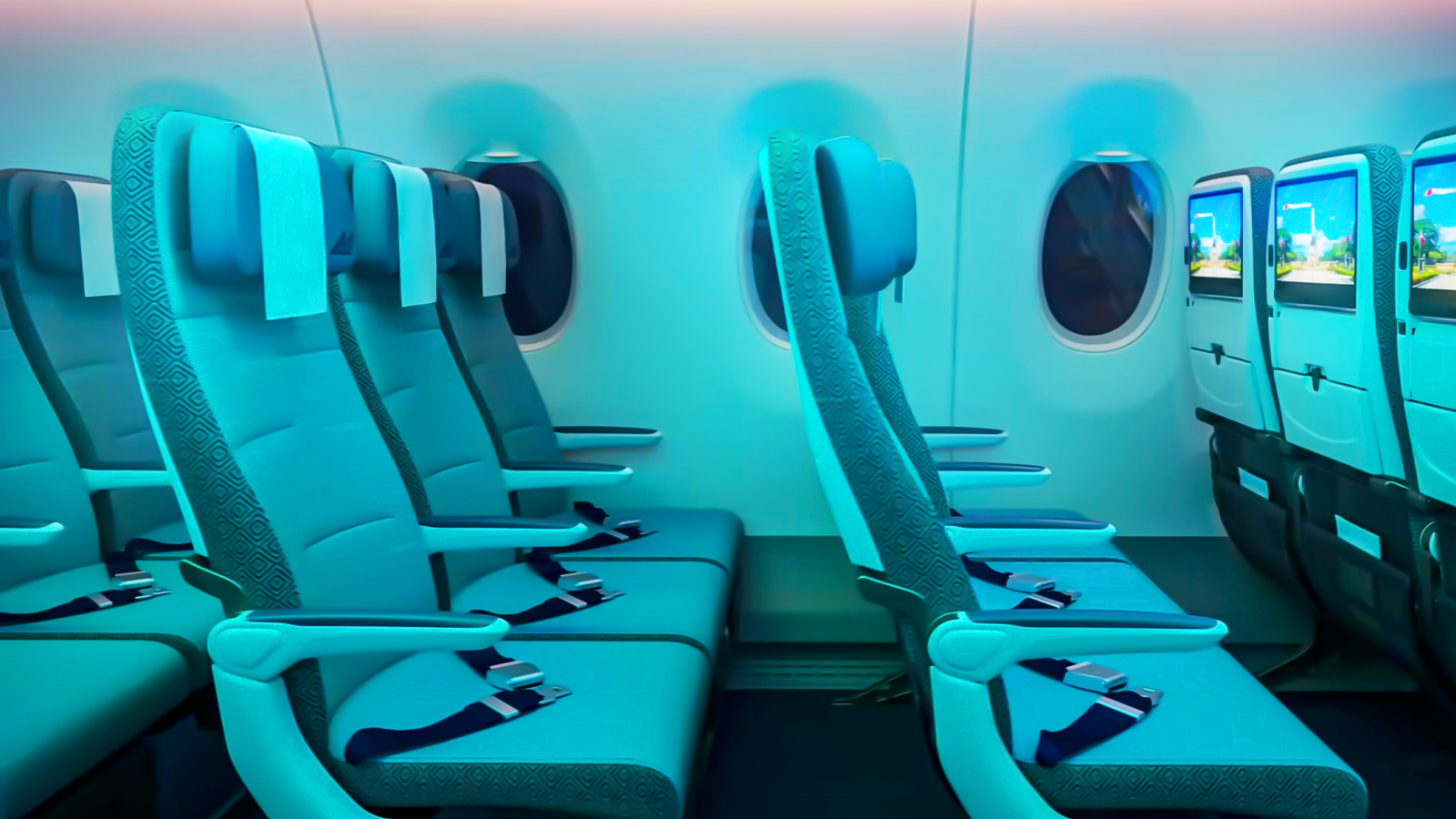
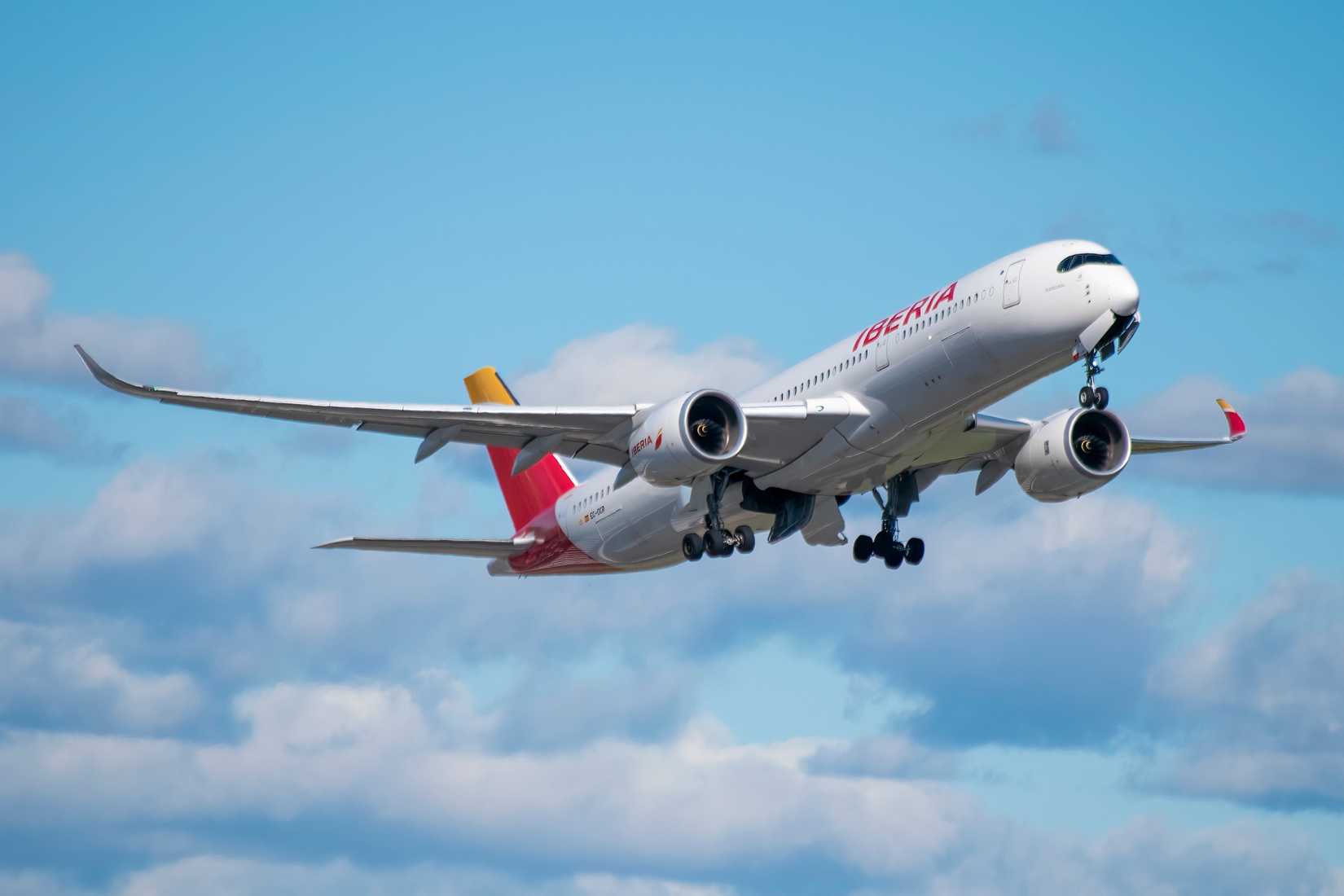
A major milestone in this cabin optimization effort occurred on September 29, 2022, when Airbus delivered the first A350 built under the New Production Standard (NPS) specifications to launch customer Iberia. The A350 NPS incorporated substantial design improvements: Airbus increased the aircraft’s maximum gross weight, reduced overall empty weight, enhanced field performance, and shifted internal bulkheads forward and backward to unlock additional usable floor space across both the -900 and -1000 variants.
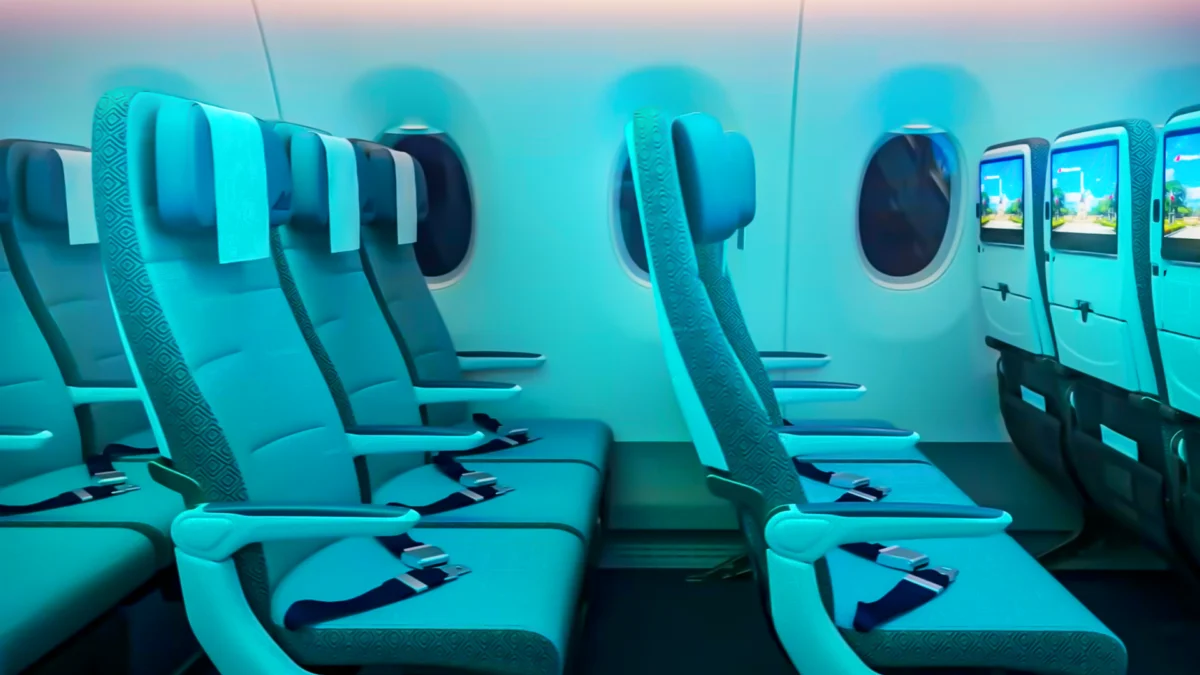
Crucially, the manufacturer completely redesigned the aircraft’s internal sidewall panels. By shaving down the thickness of these composite panels, Airbus added approximately four inches, or 10.2 centimeters, of total interior cabin width at armrest level. According to Airbus specifications, this extra room theoretically allows airlines to install a comfortable 10-abreast economy layout featuring seat widths of 17 inches, or 43.2 centimeters.

Prior to the introduction of the NPS standard, high-density low-cost carriers like Air Caraïbes and French bee were the sole operators brave enough to attempt a 10-abreast economy configuration on the A350. At the time, the native seat width of roughly 16.5 inches was widely viewed by full-service legacy carriers as excessively tight for long-haul operations. However, the four-inch interior expansion promised seat dimensions comparable to those found on traditional Boeing 777 or 787 fleets, instantly raising interest regarding whether network carriers might adopt the higher-density layout to dramatically improve flight operating economics.
While this cabin geometry shift had minimal consequence for the already immensely popular A350-900, its implications for the A350-1000 were profound. With the NPS updates, the larger variant gained the theoretical capacity to match or even exceed the passenger numbers of a traditional 10-abreast Boeing 777-300ER. Yet, advertising a nominal 17-inch seat width on paper is very different from delivering a comfortable passenger experience on a grueling 14-hour transoceanic sector.
The Reality of a 10-Abreast A350 in Service
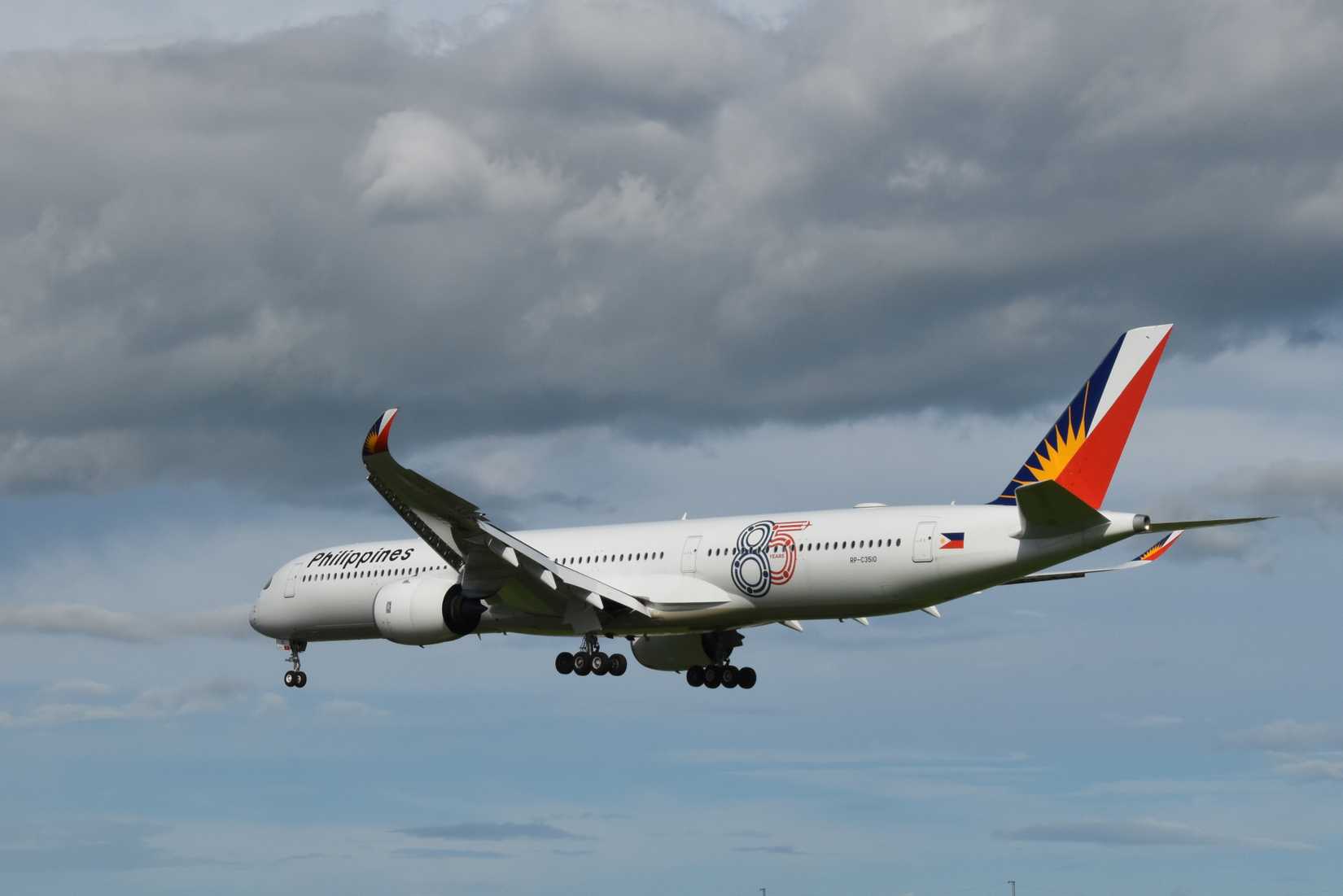
The real-world implementation of high-density seating on the A350-1000 arrived when Philippine Airlines took delivery of its first example in December 2025, becoming only the third airline globally to install a 10-abreast layout on the type. Philippine Airlines configured these flagship aircraft with 42 business class suites, 24 premium economy seats, and 316 economy seats, resulting in a total capacity of 382 passengers. This configuration represents an impressive passenger load for an A350-1000 while maintaining a robust premium footprint and substantial cargo revenue potential.
However, operational realities have highlighted the engineering compromises required to achieve 10-abreast seating within an A350 cabin. To squeeze ten seats across the cross-section while retaining acceptable pathways, Philippine Airlines was forced to trim armrest widths, push outboard seats directly against the redesigned sidewalls, and narrow the main cabin aisles. Flight reviews of the aircraft have noted that the economy cabin feels noticeably tighter and more restrictive than its Boeing widebody counterparts.
Whether these ergonomic compromises will deter other full-service network carriers from adopting the 10-abreast layout remains an open question. Significantly, no other traditional airline has stepped forward to select this high-density configuration for the A350 since, preferring instead to maintain spacious nine-abreast seating. Meanwhile, Boeing engineered its upcoming 777X family with similarly thinned sidewalls, allowing carriers to install wider armrests or more generous aisles than were possible on legacy 777s. While a 10-abreast 777X promises a slightly more comfortable environment than a 10-abreast A350, it still falls short of the passenger comfort provided by a standard nine-abreast A350. For most airlines, the standard nine-abreast A350-1000 remains an exceptionally compelling tool, and while the added width of the NPS standard assists carriers seeking high-density operations, it has not fundamentally altered global industry buying patterns.
The A350-1000 Versus the Boeing 777-9
In the broader marketplace, the commercial battle between the Airbus A350-1000 and the Boeing 777-9 reveals a complex dynamic. The Boeing 777-9 has accumulated over 500 orders, outpacing the A350-1000’s tally of 373 firm commitments. A closer examination of customer rosters, however, shows considerable overlap rather than an exclusive choice. Of the dozen airlines that have placed orders for the 777-9, nine are also operators or customers of the A350 family, while major international carriers like Emirates and Singapore Airlines have embraced the smaller A350-900 while opting for the 777-9 for their heavier routes. All Nippon Airways stands as the sole 777-9 customer that has completely bypassed both primary variants of the A350, signaling that the global aviation market increasingly views the two competing widebodies as complementary rather than mutually exclusive.
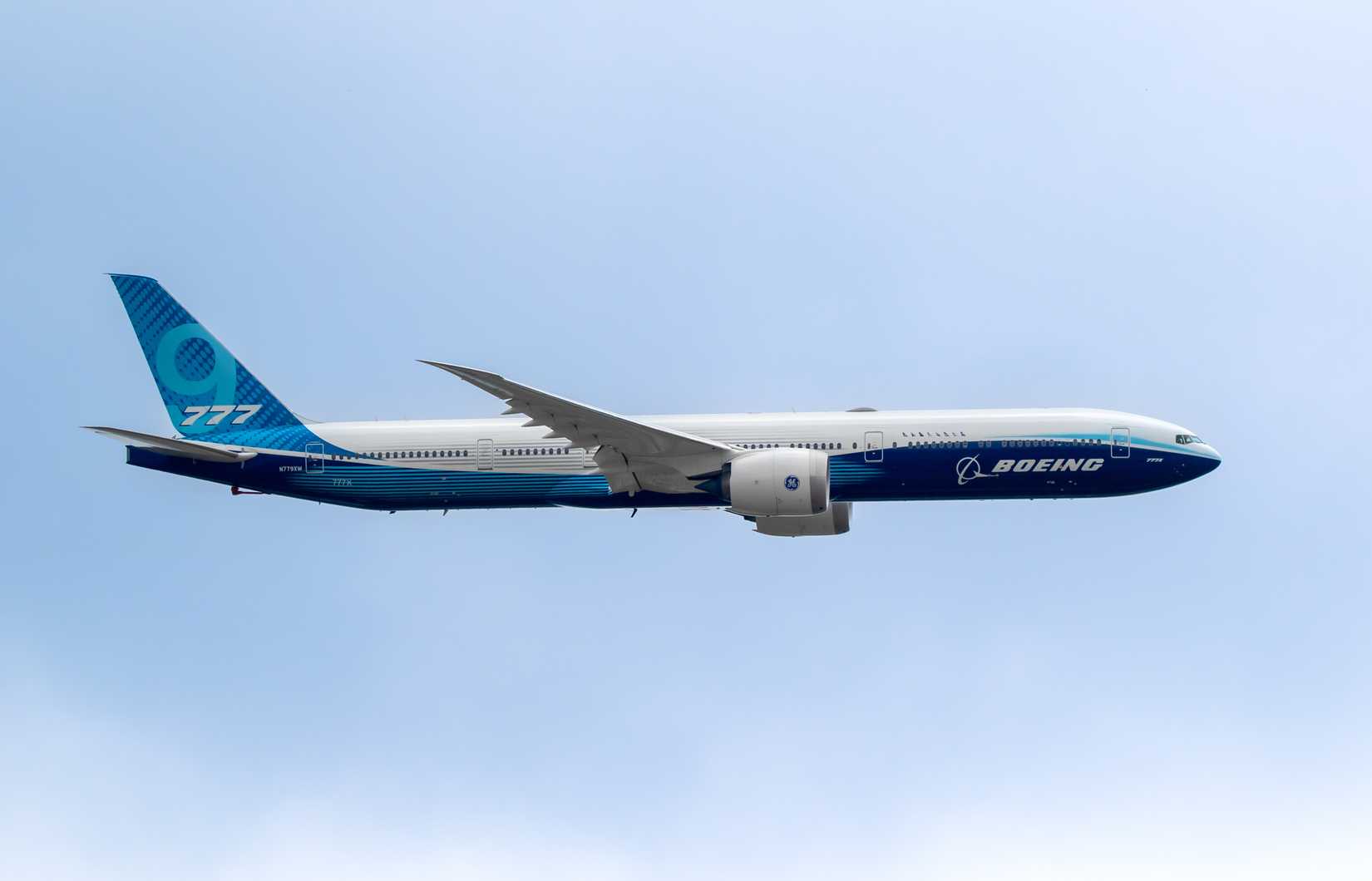
The A350-1000 benefits from a remarkably low trip cost and an ideal size for mid-to-high-density point-to-point missions. However, airlines prioritizing massive premium real estate, including dedicated first-class cabins, often find that configuring an A350-1000 leaves overall passenger capacity uncomfortably low compared to a Boeing 777-300ER. Conversely, the 777-9 capitalizes on its expansive cabin floor space, making it a favorite choice for carriers seeking a flagship status symbol complete with first-class suites. In contrast, the A350-1000s deployed by shared operators generally feature more modest business class cabins and omit first-class entirely.
Another important nuance lies in customer concentration. Mega-carriers such as Emirates hold massive commitments for 235 units of the 777-9, while Qatar Airways maintains a substantial order for 90 aircraft. While numerical order tallies are ultimately determined by individual airline strategies, this concentration illustrates that the two aircraft fight fiercely in the top tier of international long-haul aviation. Airlines have frequently chosen to operate the 777-9 alongside the A350-1000 to cover different mission profiles rather than writing off one aircraft in favor of the other.
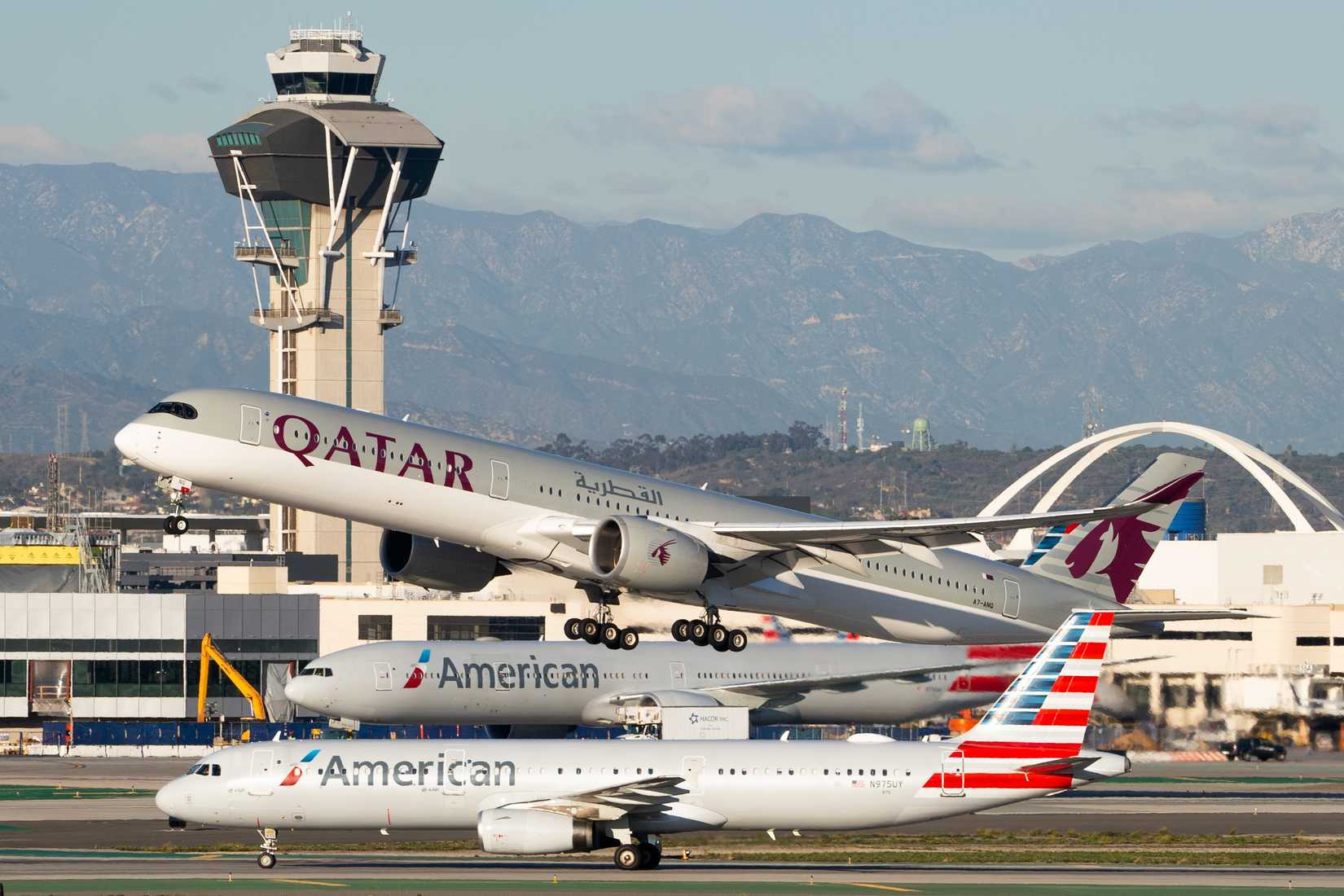
The Market Position of the A350-1000
Despite the overarching market triumph of the A350 program, the A350-1000 initially secured slower order momentum than its technical capabilities warranted. This sluggishness was largely a matter of timing: the aircraft entered service while vast numbers of relatively young Boeing 777-300ERs were still operating efficiently across the globe, and many airlines had already utilized the 777-300ER to replace their retiring Boeing 747 fleets. Consequently, the massive wave of widebody replacement demand had not yet fully matured.
The Boeing 777-9 was conceived around the specific long-term growth strategies of cornerstone launch customers Emirates and Qatar Airways. Outside of these heavy commitments, orders for the 777-9 have also experienced a measured trajectory. As the earliest generations of Boeing 777-300ERs have begun to age and approach retirement, sales for the A350-1000 have accelerated markedly. Network carriers have increasingly embraced the type as a natural successor to retired four-engine and large twin-engine giants, with Japan Airlines deploying the aircraft to replace 777-300ERs, Virgin Atlantic utilizing it to supersede aging Boeing 747-400s, and Qantas selecting it for demanding ultra-long-haul missions.

Although the 10-abreast interior layout remains a niche choice that has not radically shifted airline procurement strategies, the A350-1000 remains a formidable asset in its standard nine-abreast configuration. It excels as a high-capacity passenger transporter and a world-class ultra-long-haul machine capable of connecting distant city pairs nonstop. Nevertheless, because it offers less overall floor space than Boeing’s largest widebody, Airbus executive leadership continues to study potential design evolutions to counter the capacity advantage of its American rival.
A Potential Stretch of the A350-1000
To address the upper end of the large widebody market, Airbus is actively exploring a potential stretched variant of the A350-1000. This hypothetical derivative would offer passenger capacity directly comparable to the Boeing 777-9, with company leadership indicating that a formal program decision will be reached before 2030, mirroring timelines for a potential stretch of the smaller A220 family.

Numerous engineering and economic questions surround a stretched A350, particularly regarding how a longer fuselage would impact aircraft weight, structural integrity, and overall development expenditures. The most critical design dilemma facing Airbus engineers is propulsion. Because the existing Trent engines on the A350-1000 are widely considered to be operating near their maximum performance limits, launching a larger, heavier stretched variant would force a choice between developing a re-engined platform to preserve legendary A350 range capabilities or retaining current engine ratings while accepting a noticeable performance and range penalty.
Industry analysts suggest that if Airbus moves forward with a stretched A350 program, Boeing might respond by introducing an even larger ‘777-10’ variant, further fragmenting the high-capacity widebody segment. Reports indicate that Boeing has already conducted preliminary feasibility studies regarding a 777-10, driven primarily by ongoing discussions with key operators like Emirates. Ultimately, both European and American manufacturers find their future study projects dictated by direct customer demand rather than speculative market creation. For Airbus and Boeing alike, the fundamental calculation remains financial: determining whether developing costly fuselage stretches will yield higher returns than continuing to optimize and market their existing widebody lineups.