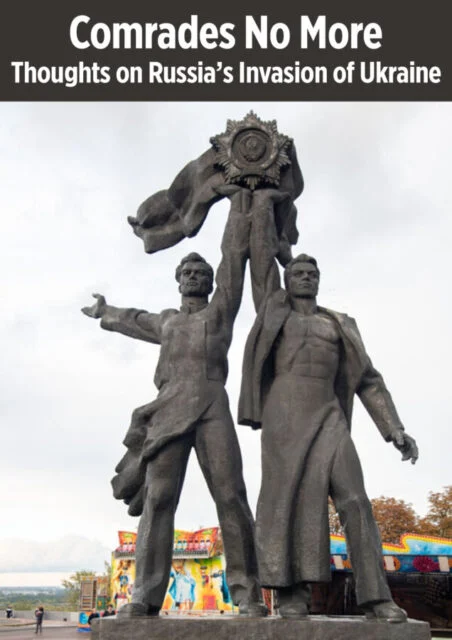
In the wake of Russia’s aggressive military actions against Ukraine, the travel industry is beginning to feel the immediate economic and logistical repercussions. Among the notable responses is the decision by Rick Steves’ Europe (RSE), one of the most prominent American tour operators specializing in European travel, to officially cancel all scheduled 2022 tours that include destinations within Russia.
The announcement, delivered personally by company founder and travel writer Rick Steves, reflects a deeply sobering moment for the organization and the broader international community. Characterizing the outbreak of hostilities as a profoundly sad day, Steves highlighted the immense human cost associated with the conflict, pointing directly to the tragic loss of life, widespread human suffering, and looming economic turmoil that the invasion will inevitably inflict upon the people of Ukraine and, by extension, the wider global community.
For an organization dedicated for decades to fostering cross-cultural understanding and bringing American travelers face-to-face with the rich history, architecture, and everyday lives of people across the European continent, the outbreak of war in Eastern Europe marks a stark turning point. In his statement addressing the crisis, Steves expressed hope that a diplomatic resolution could eventually be found and that lasting peace would ultimately return to a region that has known far too much historical volatility and fragility.
The decision to pull tours from Russia, however, goes beyond mere diplomatic symbolism; it is grounded in a direct ethical and economic consideration regarding the destination of tourist dollars. The core operational philosophy of Rick Steves’ Europe has long been centered on helping Americans better know and understand their international neighbors through immersive travel experiences. Yet, company leadership recognized an inescapable financial reality regarding the current political climate: when American travelers are brought into a country governed by an aggressive regime, the revenue generated by tourism inevitably flows into the broader economy, providing financial support that could indirectly sustain or abet state-backed aggression.
Confronted with this dilemma, the organization acted swiftly. As of the announcement date, all itineraries for the 2022 travel season that featured a stop in Russia were completely canceled. This measure ensures that RSE operations will not contribute financially to the apparatus of a government waging an unprovoked war against a sovereign neighbor.
At the same time, company officials are maintaining a pragmatic and measured perspective regarding the rest of their vast European portfolio. Rick Steves’ Europe has committed to keeping a close watch on unfolding geopolitical events and continuously monitoring any potential ripple effects or travel disruptions that might impact other regions of Europe as the crisis develops.
To help travelers contextualize the geographic scale and safety of travel outside the immediate conflict zone, the company drew comparisons to help reassure prospective tourists. Steves emphasized the importance of keeping geographic realities clearly in mind, pointing out that an active war in Ukraine is situated just as far from popular Western and Southern European vacation destinations as a localized conflict in Guatemala would be from states like Texas or Florida.
This perspective is informed by decades of operational experience. Over the past forty years, the organization and its network of guides and travelers have lived, worked, and traveled through numerous periods of tragic warfare and political upheaval across various corners of the globe—some occurring in distant lands and others much closer to home. Drawing on this long history of resilience and operational stability, the company currently sees no valid reason to alter or abandon its broader European travel and touring plans for the upcoming seasons.
The unfolding humanitarian and political crisis in Ukraine has instead reinforced the underlying philosophy that international travel remains a vital force for good. Rather than retreating entirely from the international stage out of fear or isolationism, Steves argued that the tragic events in Eastern Europe serve as a poignant reminder of how critically important it is for Americans to continue exploring the world. Furthermore, they must do so in a manner that fosters active engagement, humility, and a deeper commitment to becoming better-informed global citizens.
Demonstrating this personal commitment to travel and international engagement, Steves announced plans to fly to Europe the following month to embark on an extensive, forty-day journey taking him through a dozen major cultural capitals, stretching from London to Athens. He also expressed immense pride in the fact that thousands of fellow travelers will soon have the opportunity to experience the European vacation of their dreams, gaining rich, transformative learning experiences far from home on a Rick Steves tour throughout the 2022 season.
As the international community grapples with the complexities of the unfolding crisis, the travel organization has urged its supporters and clients to reflect on the broader human elements of the situation. Steves concluded his message by encouraging people to be thankful for their personal blessings, to offer steadfast support to national leaders as they navigate a deeply delicate and dangerous international crisis, and to keep the troubled regions of the world—specifically naming Ukraine, Russia, and Afghanistan, among others—in their ongoing thoughts and prayers during a difficult time for global stability.