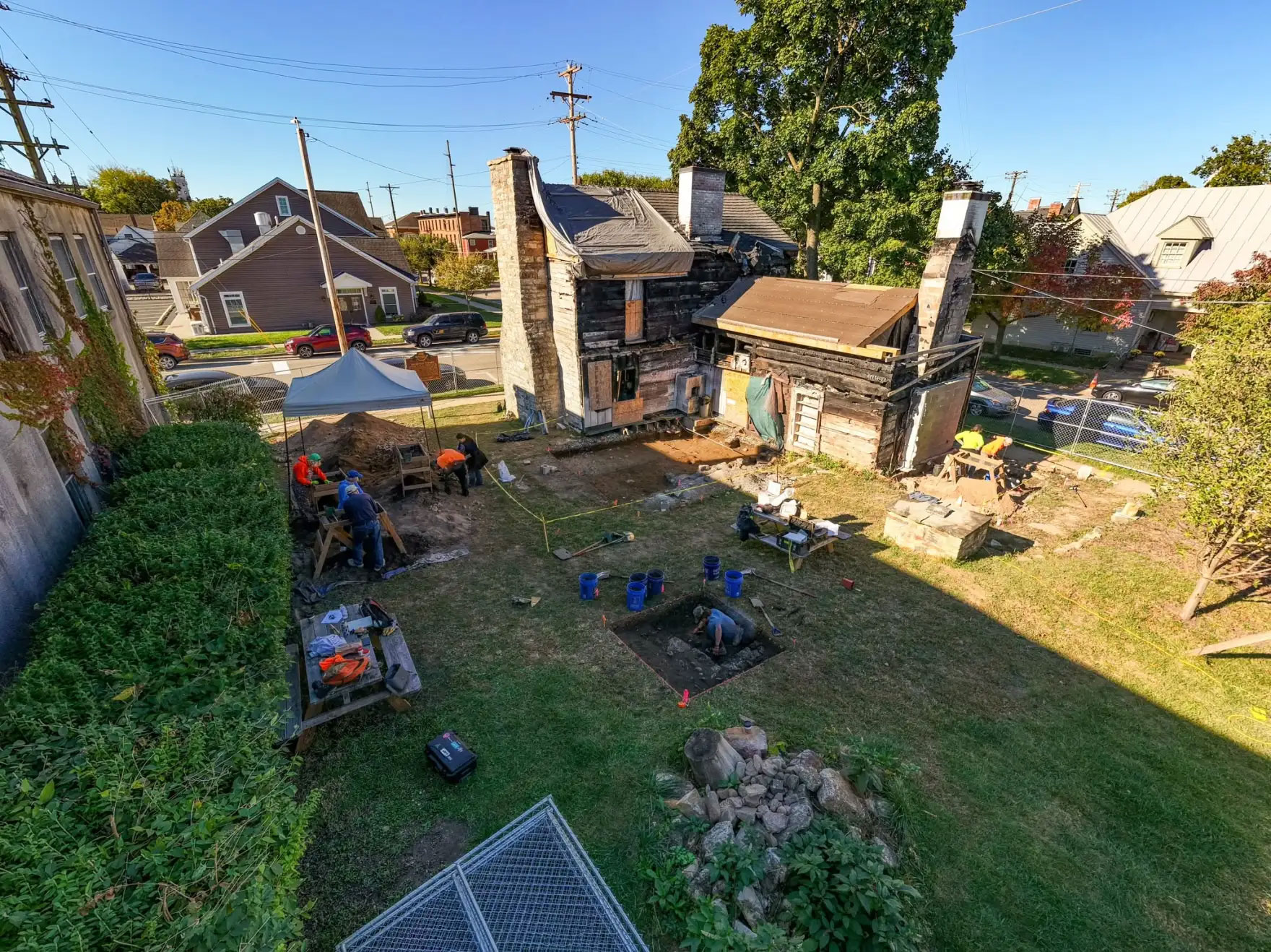
TROY, OHIO—More than 18,000 historical artifacts have been recovered during a meticulous rescue excavation conducted at a two-century-old tavern site in western Ohio, according to a recent report by WYSO Public Radio. The archaeological operation followed a devastating fire that swept through the interior of the historic structure, ultimately revealing hidden architectural layers and prompting a comprehensive effort to preserve the site’s rich past.
The landmark building at the center of the discovery is the Overfield Tavern, originally constructed in 1808 by early settlers Benjamin and Margaret Overfield. Located in Troy, Ohio, the tavern quickly established itself as a vital social and civic anchor for the burgeoning frontier community during the early nineteenth century.
"It was where the community gathered to celebrate, to share information, and to spend time together," said Chris Manning of the Troy Historical Society, highlighting the multifaceted role the structure played in the daily lives of early Ohio residents.
In the decades following its construction, the Overfield Tavern functioned as much more than a simple establishment for food and lodging. Before formal civic and municipal infrastructure was established in the area, the building served as a versatile public hub. It housed local militia meetings, hosted public auctions, and temporarily functioned as both the local post office and the courthouse. Because of its central role in the founding and governance of the region, the property holds immense historical significance for western Ohio.
Recognizing its value to local and national heritage, the building was transitioned into a museum in the late 1940s, allowing the public to step back in time and experience the atmosphere of an early American frontier tavern. Decades later, in 1976, the structure was officially recognized for its historical importance when it was added to the National Register of Historic Places.
The recent archaeological investigation was initiated under unexpected and dramatic circumstances. In 2024, a fire broke out inside the structure, severely damaging the interior. While the fire posed a major threat to the historic building, the destruction of later interior finishes inadvertently uncovered a significant architectural surprise: the building’s original hand-hewn log walls.
Following the blaze, preservationists and local authorities recognized the necessity of a thorough rescue excavation as part of the broader restoration project. Archaeologists from Ohio Valley Archaeology, Inc. stepped in to carefully examine the soils and stratigraphy surrounding and beneath the tavern before restoration work proceeded, ensuring that any buried material culture left behind by early patrons and residents was rescued from potential disturbance.
The excavation yielded an astonishing wealth of material, resulting in the recovery of more than 18,000 artifacts. This massive assemblage offers researchers an intimate glimpse into the daily routines, commerce, social habits, and material culture of the people who frequented the tavern more than two hundred years ago.
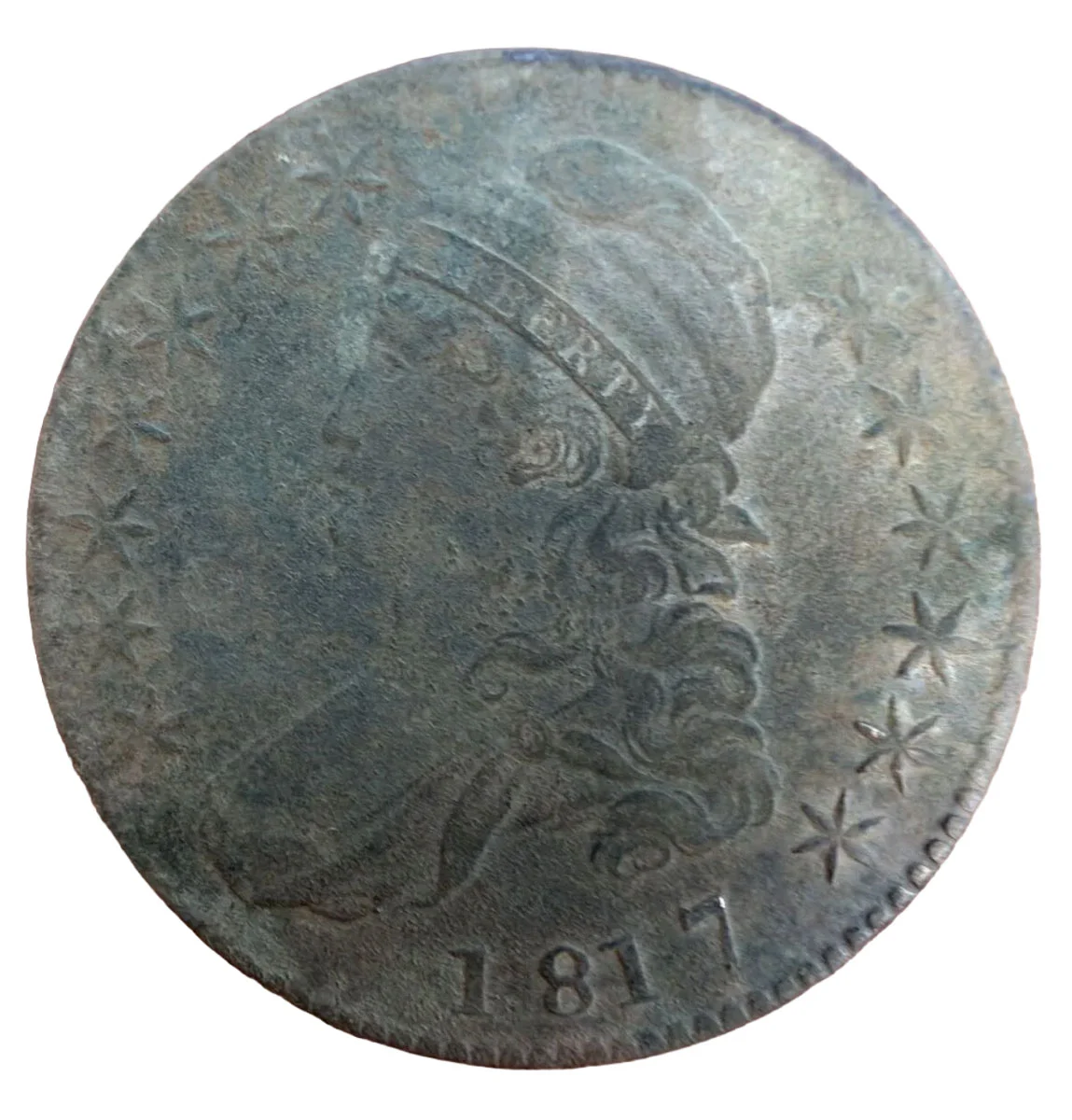
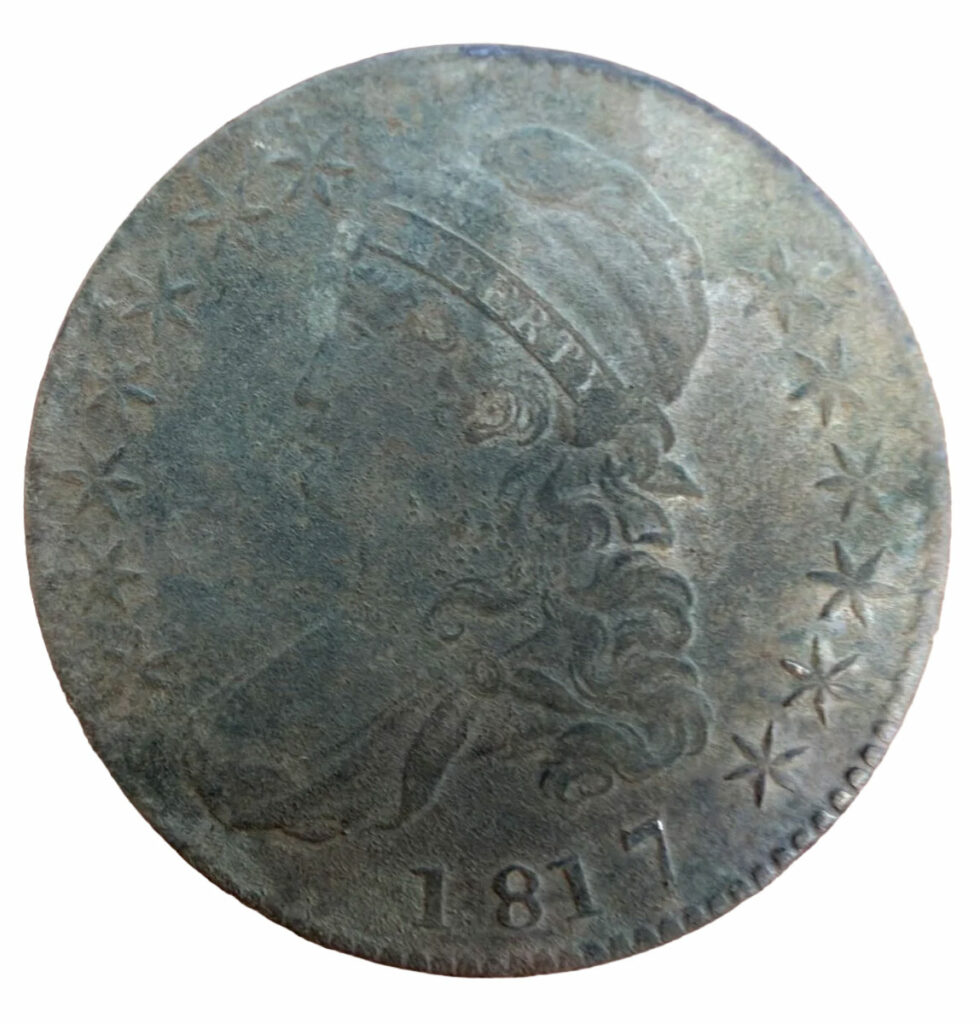
Among the thousands of items unearthed during the dig, one particular object has drawn considerable attention from researchers and historians alike. Archaeologists recovered a Spanish silver coin minted in the late eighteenth century. According to Chris Manning, the coin bears a unique physical modification: it had been deliberately pierced, likely so that it could be worn around the neck or carried as a good luck pendant by one of its historical owners.
The presence of late eighteenth-century foreign currency on the Ohio frontier underscores the fluid economic conditions of the early American republic, where coinage from various nations frequently circulated alongside early U.S. tender. Furthermore, the personal modification of the coin into a pendant provides a poignant, human connection to the anonymous individuals who walked the floors of the Overfield Tavern generations ago.
The rescue excavation and subsequent artifact analysis mark a crucial chapter in the ongoing efforts to restore the fire-damaged landmark. As researchers continue to process and catalog the thousands of recovered items, the findings promise to shed new light on the daily operations of an early Ohio tavern and the diverse lives of the frontier community that gathered beneath its roof.