Portugal has experienced an unprecedented surge in tourism, welcoming millions of international visitors eager to explore its historic cities, sun-drenched coastlines, and picturesque countryside. To accommodate this massive influx of travelers, the nation boasts a modern, highly efficient train network ready to whisk passengers across the country. While train ticket prices remain remarkably affordable, navigating the nuances of purchasing tickets can sometimes prove challenging for first-time visitors unfamiliar with the local rail system.
At the heart of the country’s rail infrastructure is Comboios de Portugal, the official national rail service. Anyone looking to secure passage can purchase tickets directly through the official Comboios de Portugal website. However, international travelers frequently encounter technical hurdles, including occasional translation anomalies and payment processing rejections when attempting to use foreign credit cards. Furthermore, the platform does not support international bookings, such as cross-border journeys from Lisbon to Madrid.
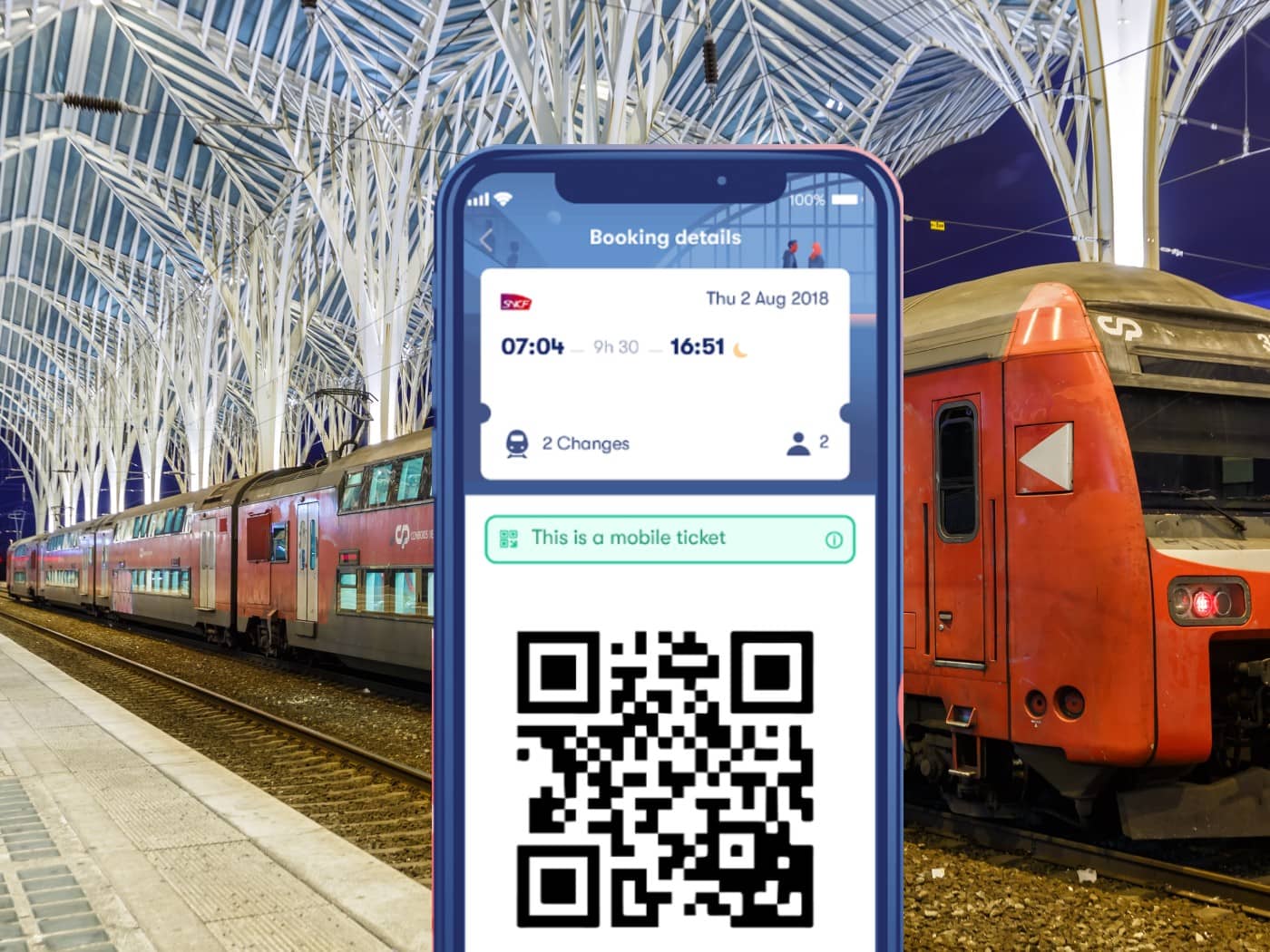
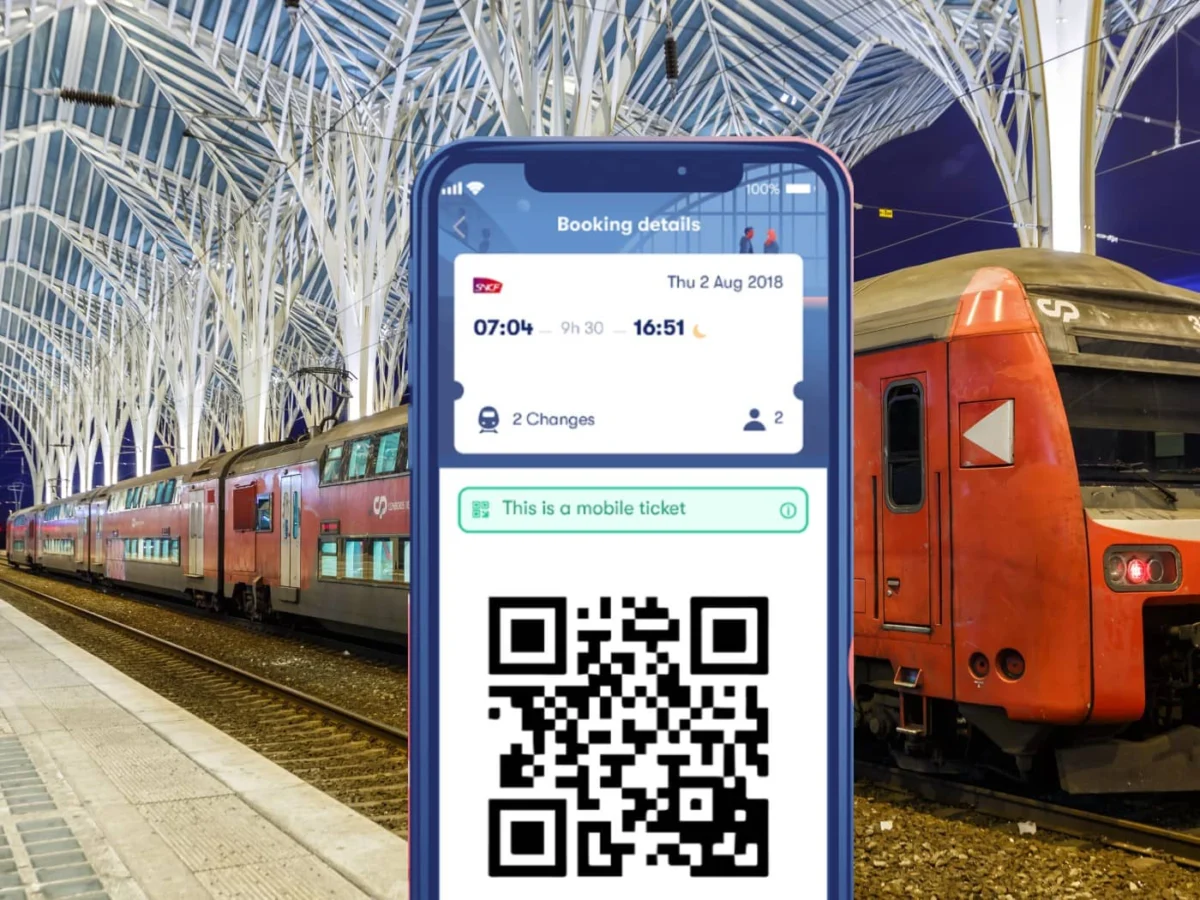
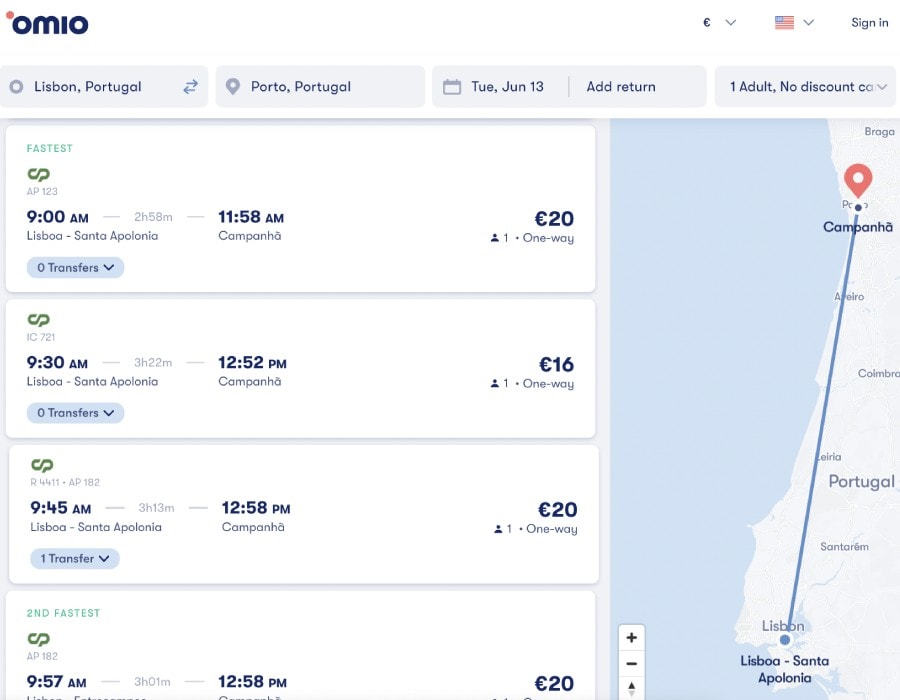
To bypass these technical obstacles, many travelers opt for authorized third-party booking platforms like Omio or Trainline. These services consolidate available routes, provide a user-friendly interface, and seamlessly process international credit cards. While platforms like Omio typically charge a nominal service fee of around one dollar per ticket, the base fare remains identical to the official pricing, making it a preferred choice for non-European visitors. Tickets purchased through these platforms are usually issued as electronic mobile passes, allowing passengers to display a QR code directly on their smartphones for the conductor to scan. For rare routes where electronic tickets are unavailable, passengers can print physical passes at station kiosks using a booking confirmation code.
Travelers who prefer purchasing tickets on-site retain the option of visiting any station across the network. Automated ticket machines offer English-language interfaces and represent the fastest way to secure a seat, though they do not always accept foreign credit cards. Alternatively, ticket windows are staffed by personnel who generally speak passable English, though queue times can stretch significantly during peak travel periods. It is worth noting that ticket windows, particularly at smaller stations and on weekends, frequently open later in the morning, which can create complications for passengers attempting to catch early-morning departures. Consequently, purchasing tickets at least a day in advance is strongly advised.
Understanding Pricing Structures and Fare Classes
Like many European rail networks, train ticket pricing in Portugal fluctuates based on the category of the train, overall demand, and the time of day. Despite these variables, fares remain budget-friendly, even for last-minute travelers.
Long-distance, high-speed travel is anchored by the Alfa-Pendular (AP) service. Reaching speeds of up to 125 miles per hour, these modern trains connect Portugal’s largest metropolitan areas with minimal stops. Ticket sales open 60 days prior to departure, following a dynamic pricing model where fares increase as the travel date draws closer. Booking at least two weeks in advance typically guarantees the lowest rates, while popular departure times command higher prices than off-peak hours.
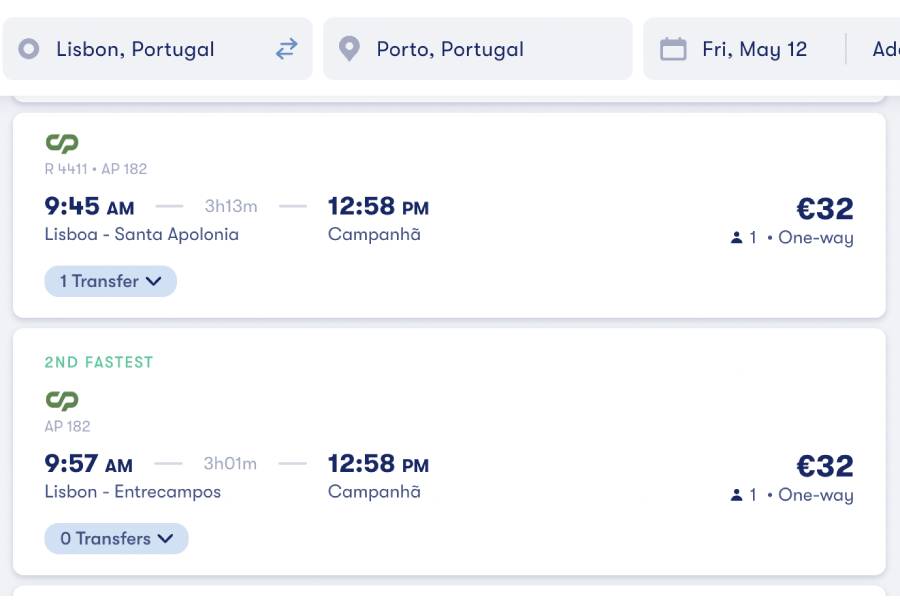
Complementing the high-speed network are Intercidades (IC) trains. Operating along similar long-distance routes, these services make additional stops, resulting in slightly longer journey times aboard older, more basic rolling stock. Like the Alfa-Pendular services, Intercidades tickets operate on a sliding scale that rewards early planning. For shorter journeys, Regional, Interregional, and Urban trains connect smaller towns and suburban districts with fixed-rate fares that are typically purchased directly at the station.
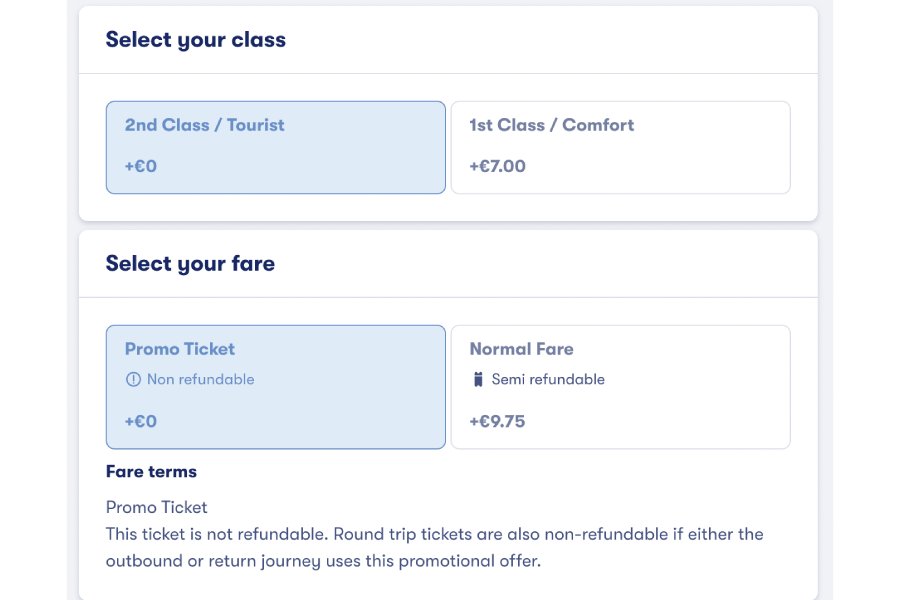
When securing tickets online, booking engines automatically display second-class fares by default. First-class tickets generally cost about fifty percent more, though standard second-class accommodations offer ample comfort for any journey length. Passengers must also choose between promotional fares and normal fares. Promotional tickets offer the lowest prices but are strictly non-refundable and non-exchangeable, requiring strict adherence to travel schedules. Normal fares allow for cancellations and modifications up to fifteen minutes before departure for a fee, but they come at a substantially higher cost.
Popular Corridors and Route Details
While Lisbon serves as the primary hub for most itineraries, Portugal’s extensive rail connectivity makes exploring regional destinations straightforward. Among the most heavily traveled routes is the short journey from Lisbon to Sintra. Operating as a frequent local commuter line, trains depart multiple times an hour—sometimes as often as every ten minutes during peak periods—taking roughly 45 minutes to an hour and costing a modest fixed fare each way. Because these tickets are exclusively sold at the station, travelers are encouraged to arrive early during the high season to avoid lengthy queues.
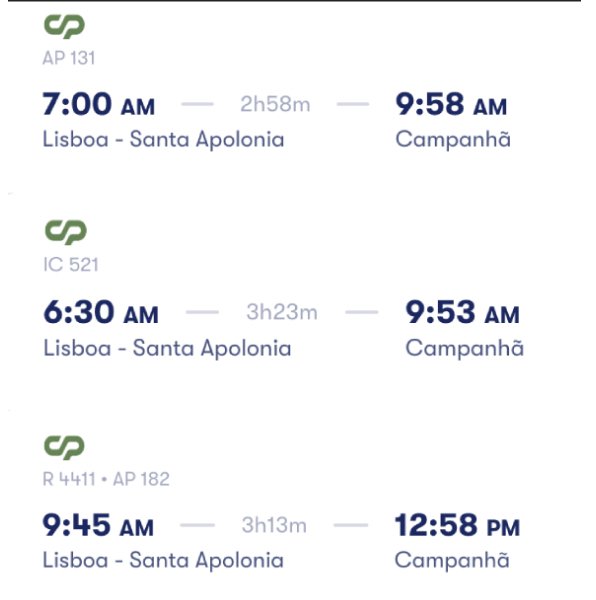
For those traveling between the capital and the northern hub of Porto, direct services run daily between Lisbon’s Oriente station and Porto’s Campanhã station. The high-speed Alfa-Pendular covers the distance in approximately two hours and forty minutes, while the Intercidades train takes just over three hours. Standard tickets start around mid-tier pricing, but savvy planners who book early frequently secure discounts exceeding fifty percent.
Travelers venturing further north to Braga can utilize high-speed connections that complete the journey from Lisbon in roughly three hours and fifteen minutes, or from Porto in about forty minutes. While direct trains operate daily, many connections require a brief layover in Porto, making direct scheduling a priority for those seeking the most efficient transit. Similarly, the riverfront city of Coimbra sits conveniently between Lisbon and Porto, offering direct connections that take between one and a half to two hours.
In the south, the sun-soaked Algarve region is accessible via direct rail lines connecting Lisbon to Faro. High-speed Alfa-Pendular services complete the trip to the region’s cultural and transit capital in approximately three hours, while Intercidades trains add an extra thirty minutes to the transit time.
Essential Onboard Guidelines and Practical Advice
Navigating the Portuguese rail network is straightforward, but veteran travelers recommend keeping a few operational details in mind. Passengers must verify their departure station, as larger cities frequently operate multiple terminals. While official luggage regulations technically limit passengers to a personal bag and a single suitcase, enforcement is generally relaxed unless a traveler brings an excessive amount of baggage. Dedicated luggage storage areas are located between carriages, supplemented by smaller overhead racks above the seats.
Seat reservations are automatically included with the purchase of tickets for high-speed Alfa-Pendular and Intercidades services, while regional and urban trains operate on an open-seating basis. Passengers are welcome to bring their own food and beverages aboard any train, and high-speed services typically feature dedicated cafe cars offering snacks, hot beverages, and alcoholic drinks. For travelers crossing international borders, options remain limited. Given that the historic rail link to Madrid requires a journey of roughly fourteen hours, the vast majority of travelers continue to rely on aviation for cross-border transit to Spain.