Southwest Airlines, renowned globally as the world’s largest low-cost carrier and historically one of the most prominent airlines in the United States, has captured industry headlines with a series of sweeping operational and customer-service amendments. In a move that fundamentally redefines the low-cost carrier model it popularized, the Dallas-based airline has announced that it will be removing its signature free checked baggage service, a perk that long distinguished the company from its legacy and ultra-low-cost domestic competitors.
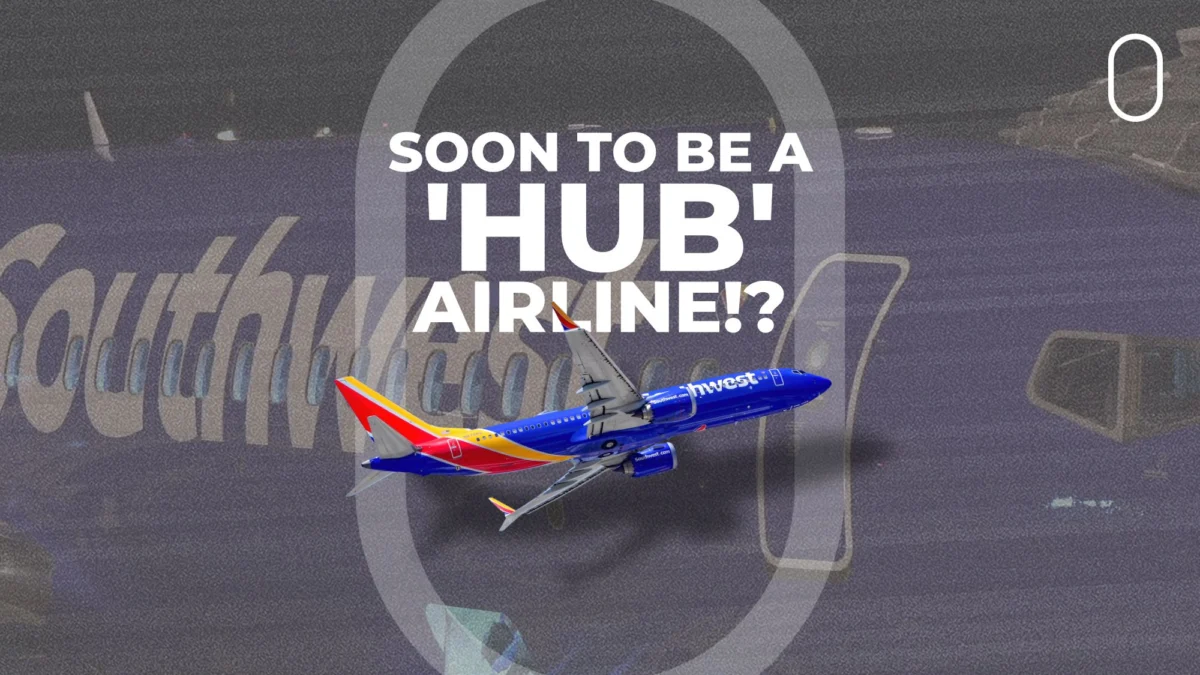
Alongside the policy shift regarding baggage fees, Southwest is undergoing a major structural evolution regarding its flight routing. The carrier is now looking to pivot away from its traditional, decades-long reliance on a pure point-to-point route network. Instead, the airline is shifting its operational focus toward providing convenient connections through its extensive network of hub cities across the United States.
These dramatic shifts mark a distinct turning point for an airline that has built its decades-long reputation on a straightforward, customer-friendly approach to air travel. Headquartered in Dallas, Texas, Southwest has long been celebrated for providing convenient and affordable air travel options not only across the domestic United States, but also extending to various destinations throughout the Caribbean and Central America. For millions of loyal passengers, the airline’s predictable policies, friendly service, and absence of hidden fees became the gold standard of budget air travel.
The decision to eliminate free checked luggage strikes at the very heart of the Southwest brand identity. Since its founding, the carrier famously championed its "bags fly free" policy—summarized by its long-running marketing slogan that passengers could check two bags at no additional cost. This policy stood in stark contrast to nearly every other major domestic airline, which steadily introduced and incrementally raised baggage fees over the years as a vital source of ancillary revenue. By maintaining free checked bags, Southwest cultivated profound customer loyalty and positioned itself as a consumer-friendly alternative in an industry often criticized for nickel-and-diming travelers.

Industry analysts have noted that the removal of free checked baggage reflects mounting economic pressures, rising operational costs, and changing market dynamics within the commercial aviation sector. As labor, fuel, and maintenance expenses continue to fluctuate, airlines are increasingly forced to re-evaluate legacy perks that impact profit margins. While Southwest has not yet detailed the exact fee structure that will replace the complimentary service, the structural change signals that the carrier is aligning more closely with contemporary industry standards for ancillary revenue generation.
Equally significant is the airline’s strategic departure from its pure point-to-point network architecture. Since its inception, Southwest largely rejected the hub-and-spoke model utilized by legacy network carriers like Delta Air Lines, United Airlines, and American Airlines. Under the point-to-point philosophy, Southwest operated numerous direct flights between secondary and primary cities without routing passengers through central connecting hubs. This operational style theoretically reduced transit times, minimized the cascading delays often associated with congested hubs, and allowed for faster aircraft turnaround times at the gate.
However, as the domestic aviation market matured and airport congestion intensified, maintaining a pure point-to-point system presented distinct economic and logistical challenges. By transitioning toward a focus on convenient connections through its many United States hub cities, Southwest is modernizing its network to optimize aircraft utilization and capture a broader share of connecting traffic. This operational pivot will allow the airline to feed passengers from smaller regional markets into larger focus cities and established hubs, thereby improving load factors on high-density routes and expanding the breadth of itineraries available to travelers.
The combination of ending free checked baggage and embracing hub connections represents a profound evolution for Southwest Airlines. While these modifications may alter the familiar experience that frequent flyers have enjoyed for generations, the carrier maintains that the adjustments are designed to secure its long-term financial health and operational resilience. As the Dallas-based airline implements these historic changes, passengers, industry observers, and competitors alike will be closely watching to see how the market responds to Southwest charting a bold new course in the American aviation landscape.