For elite athletes, the demands of international competition extend far beyond rigorous training schedules, equipment checks, and psychological preparation. Often, the first and most formidable opponent they face is not on the field, the water, or the mountain, but deep within their own biology. Imagine enduring a grueling long-haul flight across multiple continents, only to be expected to perform at peak physical capacity almost immediately upon landing. Top-tier competitors have no luxury of time to slowly adjust to jet lag symptoms, such as extreme fatigue, persistent headaches, disruptive insomnia, and severe gastrointestinal distress. Their calendars demand immediate action, whether that means scaling some of the highest peaks on Earth or competing for a spot at the Olympic Games.
Recent scientific research underscores the immense physiological toll that crossing multiple time zones takes on the human body. Two recent research reviews examining the impact of international travel on athletic performance highlight how jumping three or more time zones during extended east- or westbound travel violently disrupts the body’s internal circadian clock. According to findings published in Current Sleep Medicine Reports, transatlantic travel exposes athletes to a compounding series of stressors, including prolonged physical inactivity and systemic dehydration. These factors not only degrade sleep patterns and overall sleep quality, but they can also significantly impair an elite athlete’s cognitive and physical performance. Symptoms frequently include trouble concentrating, disorientation, light-headedness, and irritability, all of which can derail years of meticulous preparation.
Further reinforcing these findings, a study published in the journal Sports revealed that jet lag systematically disrupts athletes’ physiological, circadian, and performance systems. Competitors frequently experience sudden hormonal and mood shifts, unexpected blood pressure or heart rate fluctuations, and cognitive impairment. These disruptions directly undermine critical athletic attributes such as muscular strength, physical coordination, reaction time, and velocity—any of which can spell the difference between victory and defeat on the global stage.
Despite the profound challenges posed by international travel, top competitors have developed sophisticated strategies to mitigate these effects. From advanced sleep scheduling and strategic exposure to natural light and darkness to proper nutrition and hydration protocols, four distinguished competitors—representing sprint canoeing, ultrarunning, and high-altitude mountaineering—recently shared their personal methods for beating jet lag and staying at the top of their game while crossing the globe.
Arrive in Advance and Prioritize Routine
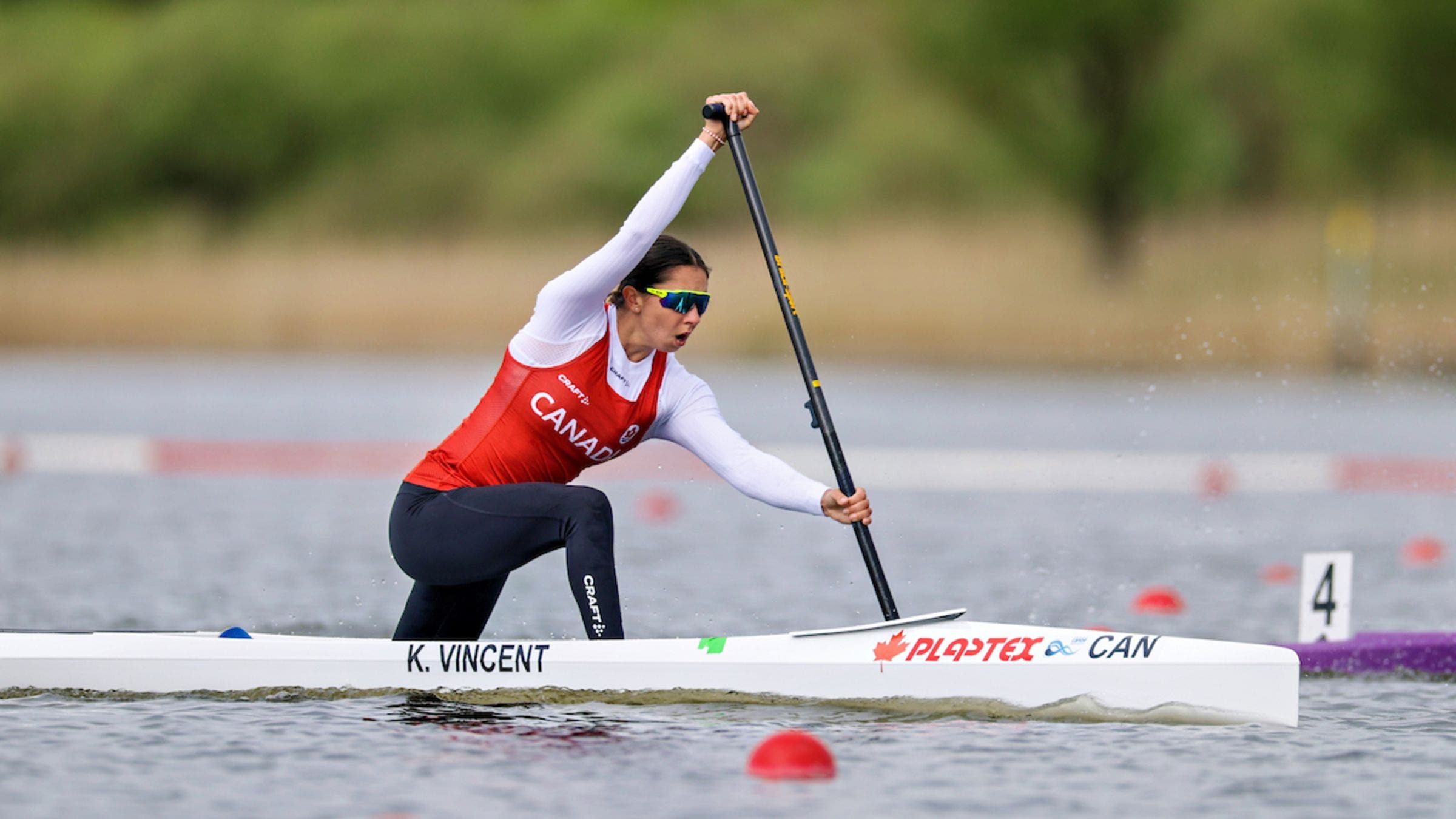
Long before she plunges her paddle into the water at international competitions, two-time Olympic sprint canoe medalist Katie Vincent prepares for her races by following a meticulously detailed protocol designed to cushion the shock of international travel. Having competed extensively across Europe, Asia, and South America, Vincent understands the friction that long journeys introduce to an athlete’s physical system.
Having a plan certainly helps ease the transition, Vincent explains. The ideal situation for any international competitor is to arrive a week or two early, establish a full preparation camp, and slowly allow the body to absorb the time change and overcome jet lag naturally. However, international competition schedules rarely allow for such luxury. Even with a compressed window of three to five days, Vincent notes that athletes can still secure enough sleep, settle into a reliable daily routine, and ready themselves for competition.
During long flights, Vincent takes proactive steps to protect her physical comfort. She wears compression socks to encourage circulation, utilizes a sleep mask and earplugs to block out environmental disturbances, and consistently requests a window seat. This preference allows her to curl her frame into a comfortable sleeping position despite the spatial limitations of commercial air travel. Upon arrival the following morning, her immediate objective is to anchor herself in the new time zone. She drinks two cups of coffee and resolves to stay awake for the remainder of the day, strictly avoiding daytime naps. The subsequent days are strictly structured around waking up, training, and going to bed at her regular local time, supplemented by melatonin as needed to facilitate restful sleep.
By day four, the physical adjustment is usually complete, which Vincent emphasizes is crucial for regulating the nervous system so it can produce peak performances on the water. Like many elite competitors today, she tracks her sleep patterns using a Garmin watch to monitor her recovery. Most athletes on her team use wearable technology to gauge sleep quality, though she acknowledges that every individual responds differently. Some athletes fall asleep instantaneously, while others require more time to settle into a new rhythm. There is no single universal method to handle jet lag, she notes, but there are proven ways to navigate it effectively.
Practice Sleep Banking and Eat Familiar Food
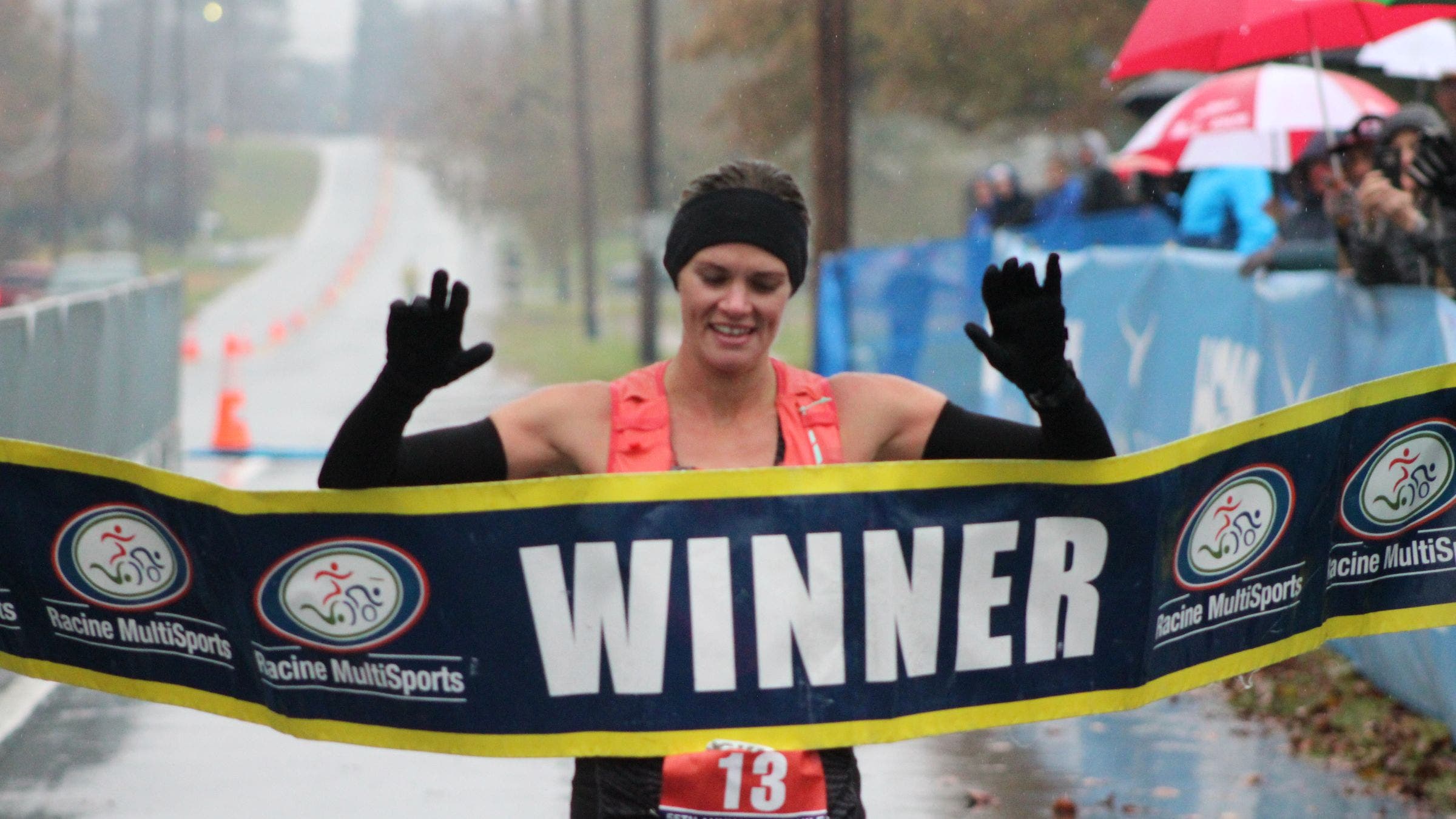
As a professional ultrarunner, a former member of the U.S. Biathlon National Team, and a certified endurance sports coach, Corrine Malcolm has clocked countless hours in the air to compete in 100-mile endurance races across Asia, Europe, Australia, and New Zealand. Her extensive experience has given her a holistic appreciation for how travel stress manifests in the body.
Jet lag impacts far more than just your ability to sleep or feel awake, Malcolm points out, noting that the physiological cascade includes significant hydration challenges, thermal regulation issues, and gastrointestinal distress. Based in Leavenworth, Washington, and host of the Trail Society podcast, Malcolm uses targeted behavioral adjustments long before her aircraft ever leaves the tarmac.
In the days leading up to an international flight, Malcolm practices what is known as sleep banking—going to bed earlier and staying in bed longer in the days prior to departure to build up a physiological reserve against anticipated sleep loss. When you are preparing to race 100 miles or more, coming into the event with a surplus of banked sleep can be vital for feeling physically and mentally sound. Simultaneously, she attempts to nudge her circadian rhythm closer to the time zone of her destination before she even departs. Science suggests that it generally takes a full day for the human body to adjust for every time zone crossed beyond three hours when traveling eastward, compared to a slightly faster half-day adjustment period when traveling westward.
Smart long-haul travel planning begins at the booking stage. Malcolm deliberately selects evening flights that travel directly to her destination whenever possible. A direct ten-hour flight offers a much better opportunity for uninterrupted sleep than a fragmented itinerary involving multiple domestic and international connections.
Once on board, Malcolm brings her own food so she can eat quickly and transition rapidly into a sleep-ready state using noise-canceling headphones, compression socks, and an eye mask. Securing the largest possible block of continuous sleep goes a long way toward managing how you feel on the ground, she advises. Upon arrival, she prioritizes morning sunlight exposure and continues to eat familiar foods. She notes that high-protein meals tend to boost alertness, while high-carbohydrate foods naturally promote drowsiness, offering another tool to manage daily energy levels.
Control what you can control, Malcolm advises fellow athletes. Fixating on variables that are entirely out of your hands will only keep you awake at two in the morning when you are desperately trying to rest. She frequently reminds her athletes that a single bad night of sleep is far from ideal, but the true focus should remain on the consistent self-care routines maintained over the preceding weeks.
Do What Feels Natural and Take Power Naps
While some athletes meticulously plan every hour of their transition, others prefer a more intuitive approach. Emily Harrison Torrence, an ultramarathoner based in Rapid City, South Dakota, and co-owner of Sundog Running—an organization that coaches athletes training for ultra-endurance and trail running events—takes a distinctly relaxed view of pre-travel scheduling.

Some people she knows begin adjusting their daily schedules well ahead of a trip, but Torrence chooses not to follow that path. Instead, she attempts to catch up on rest while on the plane, but she allows that sleep to happen naturally rather than forcing it, noting that it is often difficult for the human mind to process what time zone it is currently inhabiting while cruising at thirty thousand feet.
Preparation for Torrence centers heavily on nutrition and self-reliance during transit. She packs an array of snacks for the flight, focusing on protein and healthy fats while avoiding excessive sugar. It is not uncommon for athletes to manage food allergies or sensitivities, and standard airplane meals may not always align with strict nutritional needs, making self-sustainability essential. Furthermore, she emphasizes that hydration must be maintained rigorously across all phases of travel. On international flights—before, during, and after landing—she always keeps fluids on hand. While plain water is excellent, adding electrolytes provides additional support, as travel is inherently dehydrating and can severely impair both athletic performance and the body’s ability to adjust to a new time zone.
Once she arrives at her destination, Torrence attempts to slip into the local schedule without overthinking the transition. The exact approach depends heavily on the length of the stay; if she is flying in just a couple of days before a race, she permits herself a brief power nap upon landing, strictly limited to twenty minutes to avoid falling into a deep, multi-hour sleep cycle that would further confuse her internal clock. Combined with proper nutrition and consistent hydration, these small measures help offset the accumulated sleep deficit during the adjustment period.
Tap Into Technology and Stay Hydrated
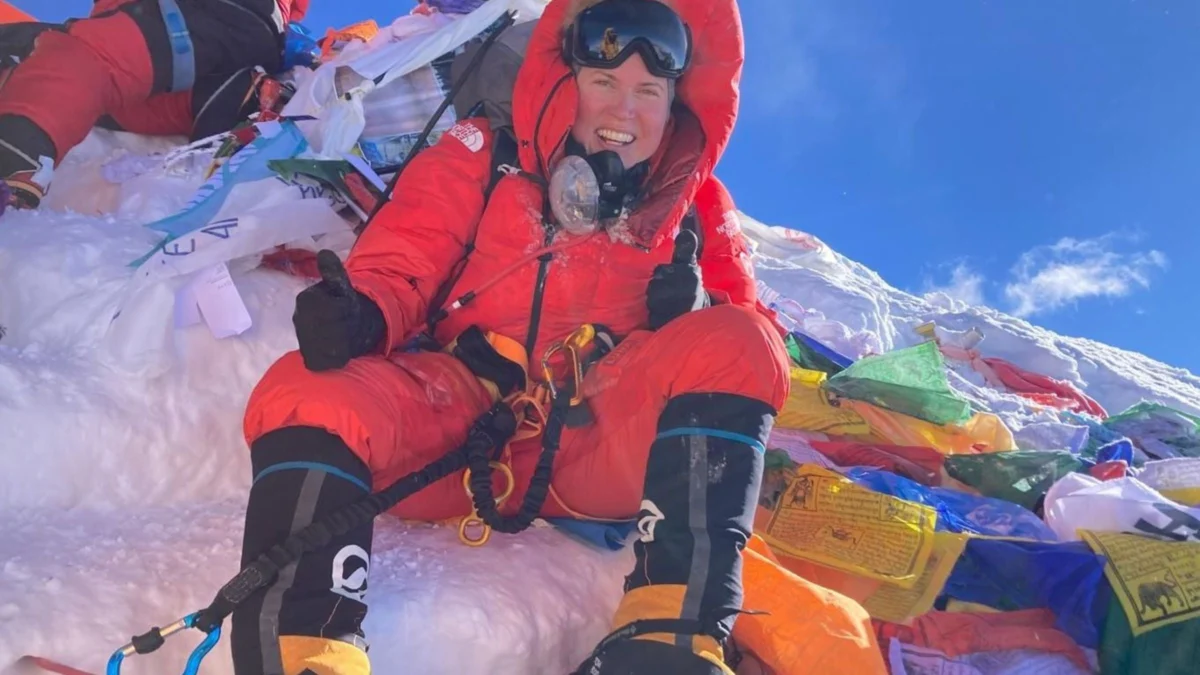
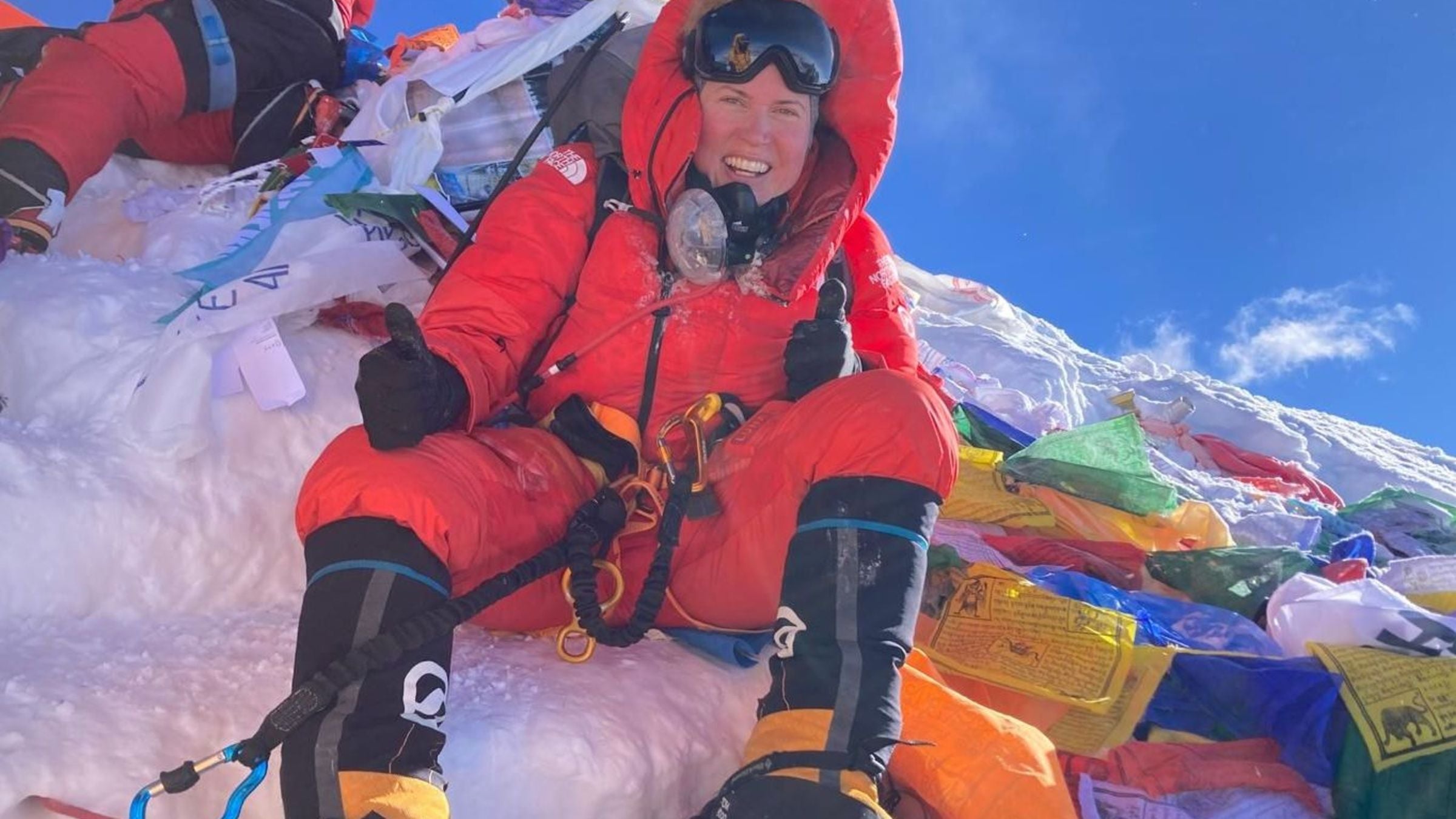
Megan Rath, a Philadelphia-based triathlete turned mountaineer who has successfully scaled the Seven Summits—the highest mountain peaks on every continent—continually looks for innovative methods to refine her travel protocols. When she discovered Timeshifter, a science-based circadian rhythm application, she was eager to integrate it into her preparation.
The application utilizes advanced circadian neuroscience algorithms to generate a customized schedule designed to gradually reset the body’s internal clock before, during, and after travel. Users input their typical sleep habits, age, sex, caffeine and melatonin consumption patterns, and precise flight itineraries. In return, the software produces a personalized timeline featuring timely prompts instructing the user when to wake up, seek out bright light, avoid light exposure, consume caffeine, and sleep.
The entire methodology revolves around precise light control—managing exactly when your eyes are exposed to light and when they are shielded from it—and Rath found that mindset shift to be an absolute game changer. When preparing to climb Lhotse, the world’s fourth-highest mountain, last spring, she strictly adhered to her personalized Timeshifter plan.
The itinerary involved a complex nine-hour and forty-five-minute time change, compounded by a punishing travel route from Newark to Istanbul and onward to Kathmandu, essentially forcing her through consecutive red-eye flights. Managing the exact moments to put on sunglasses inside the airport to signal to her brain that it was time to sleep required intense discipline. By the time she arrived at her remote drop-off point in Mera, however, she felt remarkably well-adjusted. She noted that she had never felt quite this good at the start of an 8,000-meter climb, reflecting a level of preparation that also included utilizing a hypoxic tent at home to jump-start acclimatization and reduce the time required to adjust on the mountain itself.
Powered by an oxygen-reducing generator, hypoxic tents simulate high-altitude environments, allowing an athlete’s physiology to adapt before setting foot on a peak. Alongside technological and environmental preparation, Rath maintains a laser-like focus on hydration. If an athlete consumes two liters of fluid daily at sea level, that intake must double to four liters at high altitude without exception, because the body works significantly harder in that environment. The dry air causes rapid moisture loss, and water must reach the cellular level to prevent debilitating headaches and muscle cramps.
Every aspect of her fluid intake is measured and intentional. Rath avoids guzzling large amounts of water at once, knowing that the body requires a steady intake to properly absorb it, and instead follows the recommendation of taking three or four small sips every fifteen minutes. Additionally, she actively limits dietary sugar and completely avoids alcohol during travel, as its diuretic properties exacerbate dehydration while simultaneously degrading overall sleep quality.
By leveraging smart technological tools, maintaining rigorous nutritional standards, and adhering to customized scheduling, elite competitors prove that international travel does not have to result in a physical crash. Instead of succumbing to a jet-lagged stupor, athletes can optimize their biological rhythms and step onto the world stage ready to perform at their absolute best.