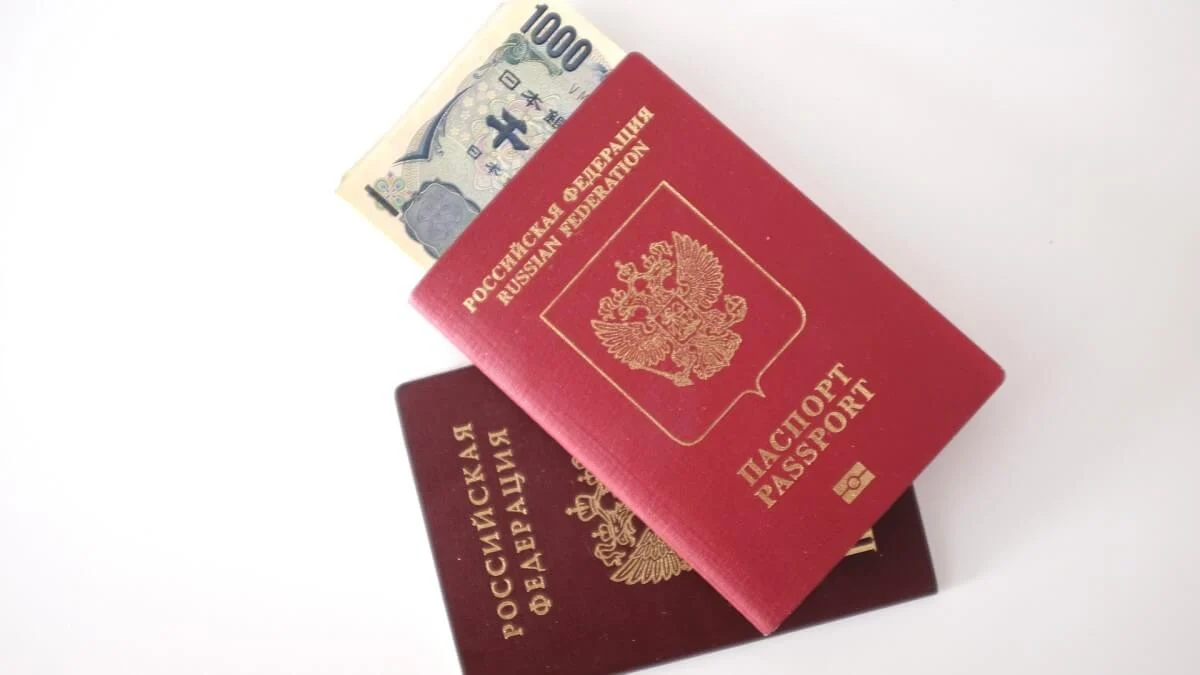
In a significant escalation of its travel restrictions aimed at limiting Russian access to the European Union, the bloc officially moved yesterday to eliminate the issuance of multi-entry Schengen visas for the majority of Russian citizens. The policy shift represents a tightening of the bureaucratic net surrounding Moscow, intended to curb the ease with which Russian nationals—including tourists, business travelers, and those visiting family—can traverse the Schengen area. By restricting access to short-term, recurring entry permits, the EU is signaling a shift toward a more isolated status for Russian travelers.
However, the efficacy of this policy is already being questioned by security experts and investigative analysts. While the measure undoubtedly complicates travel for the average Russian citizen, it remains largely toothless against the country’s wealthy elites and political figures. For those with the financial means to acquire alternative citizenship, the EU’s latest move is little more than a minor administrative hurdle. By utilizing "citizenship-by-investment" programs and other naturalization pathways, tens of thousands of Russians have effectively neutralized the impact of these restrictions by obtaining passports from countries that maintain visa-free or facilitated access to the Schengen zone.
According to an analysis of government data and extensive investigative reporting, at least 50,000 Russian nationals have successfully obtained citizenship in third-party countries, including Turkey, Serbia, and Malta. These alternative passports provide a gateway into Europe that remains wide open, regardless of the tightening visa regime in Brussels.
"The EU can ban Russian visas today, but it will be unable to ban Serbian citizens from entering Schengen countries tomorrow," said Christo Grozev, the lead Russia investigator at Bellingcat. "Thousands of Russians have already found that work-around."
The Serbian Gateway to Europe
The case of Serbia has become a focal point for those concerned about the bypass of EU sanctions. Data from an investigation by the Russian outlet iStories reveals that at least 204 Russian nationals secured Serbian citizenship between early 2022 and April 2025. Among these individuals are figures with documented ties to Russia’s defense industry and the Federal Security Service (FSB).
Because Serbia holds a unique position in its relationship with the EU, its passport remains a powerful tool for travel, granting visa-free access to all 29 Schengen member states. This renders the EU’s recent decision to curb multi-entry visas entirely irrelevant for these individuals. The Serbian program is particularly attractive because it does not require applicants to renounce their original nationality, allowing them to maintain their Russian citizenship while enjoying the benefits of a European-adjacent travel document. The investment requirement—approximately 200,000 euros in real estate or local business ventures—is a modest price for many in the Russian political and economic elite to pay for continued access to the West.
Grozev emphasizes that these are not typical migrants seeking asylum or a new life. "These are not your average emigrants," he noted. "Many of those people that received passports were connected directly to Russia’s defense industry and security services."
The Legacy of Malta’s Citizenship Sales
While some nations are currently facilitating access, others have long-standing programs that have already provided thousands of Russians with a permanent foothold in the European Union. Malta, in particular, has faced intense scrutiny for its citizenship-by-investment scheme. Reports from SchengenVisaInfo indicate that between 2014 and 2022, Malta sold citizenship to 730 Russian nationals, some of whom have been linked to the ongoing war in Ukraine.
Despite the Mediterranean nation’s efforts to suspend new applications from Russians following the 2022 invasion, the damage—or the opportunity, from the applicants’ perspective—was already done. Those who secured Maltese citizenship now hold the rights to live, work, and travel freely across all EU and Schengen member states as full European citizens.
This situation has placed the European Commission in an awkward position. While officials have repeatedly declared that "European values are not for sale," the reality of a patchwork enforcement strategy across the bloc suggests otherwise. Malta continues to process applications that were submitted prior to the suspension, meaning that even as the EU closes the door to Russian visa applicants, those who bought their way in years ago remain immune to the current, more restrictive policies.
Turkey as the Primary Alternative
For those unable to secure an EU or European-adjacent passport, Turkey has emerged as the premier alternative destination. The sheer volume of Russians choosing to relocate their assets and lives to Turkey is staggering. According to data from the Turkish Statistical Institute, nearly 5,000 Russians were granted citizenship in just the six-month window between March and August 2022.
The mechanism driving this trend is property investment. Since 2019, more than 39,000 Russian nationals have purchased real estate in Turkey, a move that qualifies them for the country’s citizenship-by-investment pathway. With a minimum investment requirement of $400,000, the program does not mandate the renunciation of one’s original passport. While a Turkish passport does not grant the same automatic visa-free entry to the Schengen zone as a Serbian or Maltese one, it significantly streamlines the application process and dramatically increases approval rates compared to those holding standard Russian passports. In effect, it serves as a reliable, if slightly more bureaucratic, workaround to the EU’s hardening stance.
The Long-Term Impact of Naturalization
Beyond the transactional world of "golden passports," thousands of Russians are securing their future in Europe through standard naturalization. This process, while slower, is proving to be a highly effective way for long-term residents to eventually attain the same travel rights as native-born EU citizens.
In 2024 alone, Finland granted citizenship to over 1,600 Russian nationals, while Germany naturalized 12,980, the highest volume in the bloc. These numbers reflect the broader post-invasion migration wave; the International Centre for Defence and Security (ICDS) estimates that between 500,000 and 700,000 Russians left their home country following the invasion, with nearly 40% initially settling within EU borders.
Kadri Liik, a senior policy fellow at the European Council on Foreign Relations, notes that this is only the beginning of a larger demographic shift. "Many who left Russia in 2022-2023 will reach the five-year residency requirement for naturalization between 2027 and 2030," Liik explained. "By the time these visa restrictions fully take effect, thousands more Russians will hold EU member state passports."
Patchwork Enforcement and Security Concerns
The lack of a unified approach among European nations has created significant gaps that intelligence services are now struggling to address. While some nations have tightened their doors, others have remained open to investment.
Switzerland, for instance, maintains a "golden visa" residency program that remains popular among Russians, with 94 nationals holding such permits as of 2024. These permits allow for movement within the Schengen zone, even though Switzerland is not an EU member. Similarly, in 2024, Portugal was forced to resume processing Russian golden visa applications following a court ruling that determined blanket nationality-based bans violated anti-discrimination principles. Since 2022, Portugal has processed over 450 million euros in Russian investments through this channel.
Meanwhile, in Cyprus, the legacy of its now-suspended citizenship program remains, with roughly 3,000 Russians still holding Cypriot EU passports. Even in countries that have taken a harder line, such as the Baltic states of Estonia, Latvia, and Lithuania—which have largely prohibited the issuance of new residence permits to Russians—the overall effectiveness of the bloc’s policy is undermined by the willingness of other member states to prioritize economic investment over collective security.
As intelligence agencies continue to warn of the risks associated with sanctions evasion and potential espionage, the tension between economic imperatives and political security grows. The European Union’s decision to ban multi-entry visas for Russians may serve as a powerful political statement, but it currently serves as little more than a filter for the less affluent. As long as individual member states retain sovereign control over their naturalization and investment programs, the continent will remain a porous environment for those with the wealth to purchase their way around the geopolitical divide.