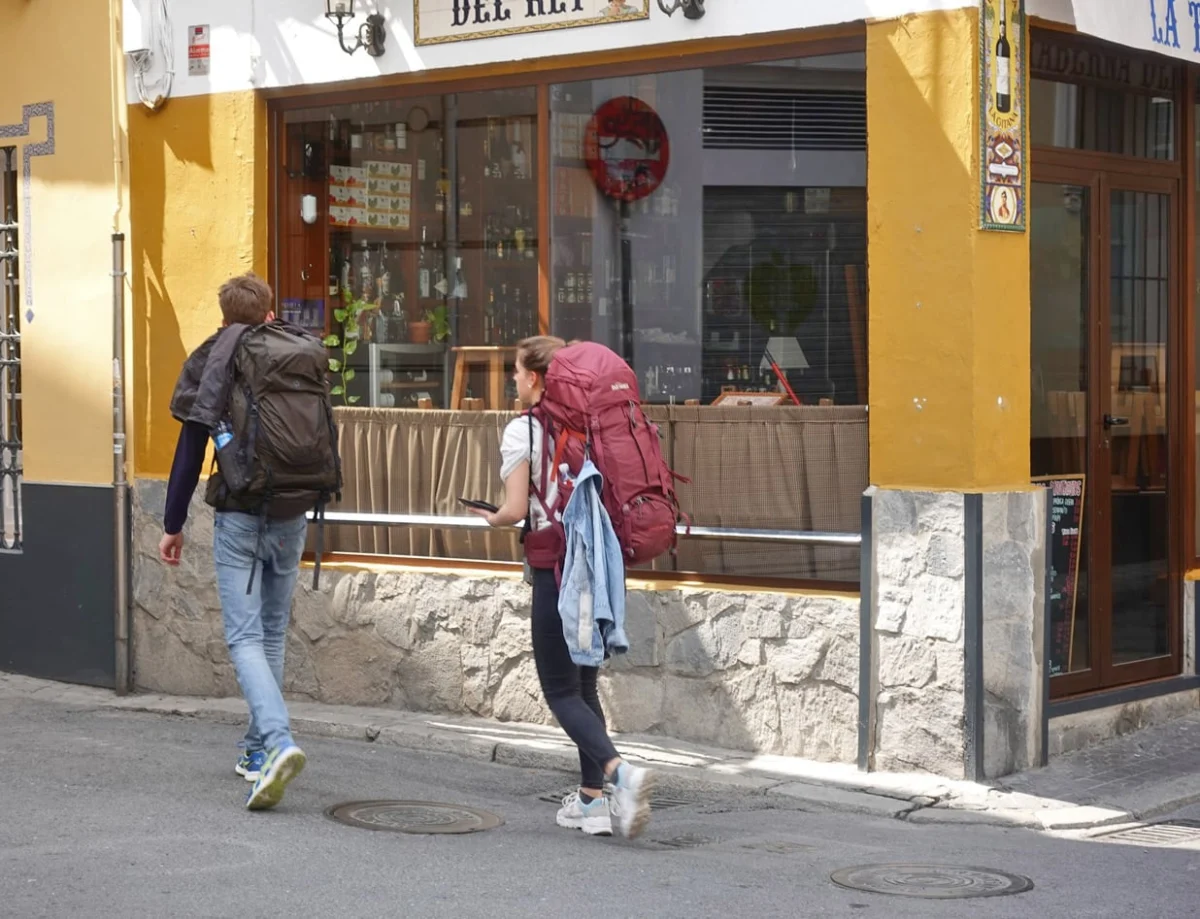
The market for travel backpacks has expanded significantly, driven by a growing demand from urban explorers and point-to-point travelers seeking gear that balances comfort, functionality, and modern design. Recognizing this shift, seasoned travelers and gear reviewers have spent more than fifteen years testing dozens of popular packs across Europe and beyond. Drawing from extensive firsthand experience since 2008, industry experts have evaluated over twenty-five different models to identify the most reliable options available for various travel styles and budgets.
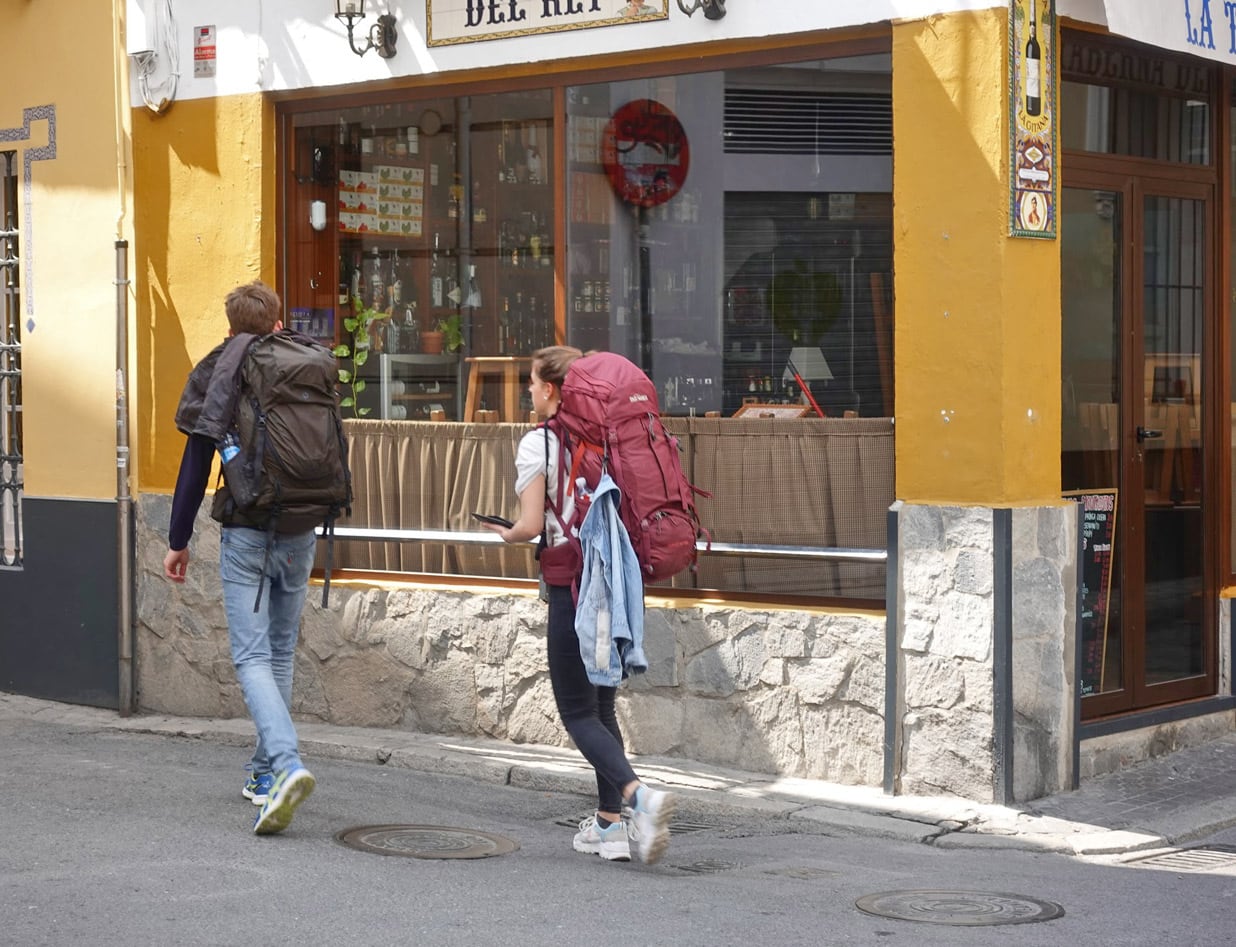
Evaluating the Top Travel Backpacks on the Market
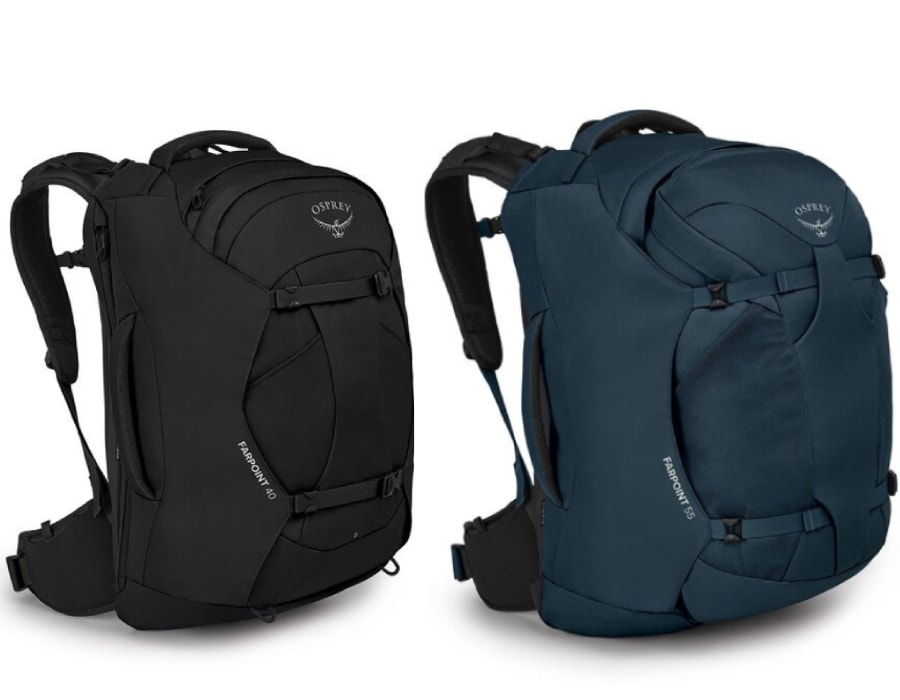
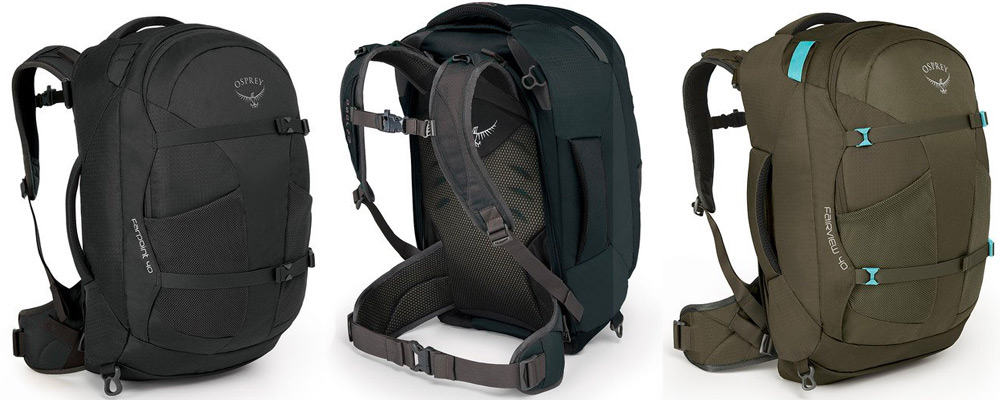
Modern travel packs generally range in price from $100 to $300, providing viable choices across different financial spectra. Among the most versatile options is the Osprey Farpoint, alongside its female-specific counterpart, the Osprey Fairview. Recently redesigned to meet strict carry-on compliance standards, these models feature an improved mesh-covered rigid foam back panel and relocated laptop compartments. The Farpoint combines a hiking-style shoulder harness for enhanced ergonomic comfort with a suitcase-style clamshell opening that simplifies packing. Stowable straps further protect the harness system during checked baggage handling.

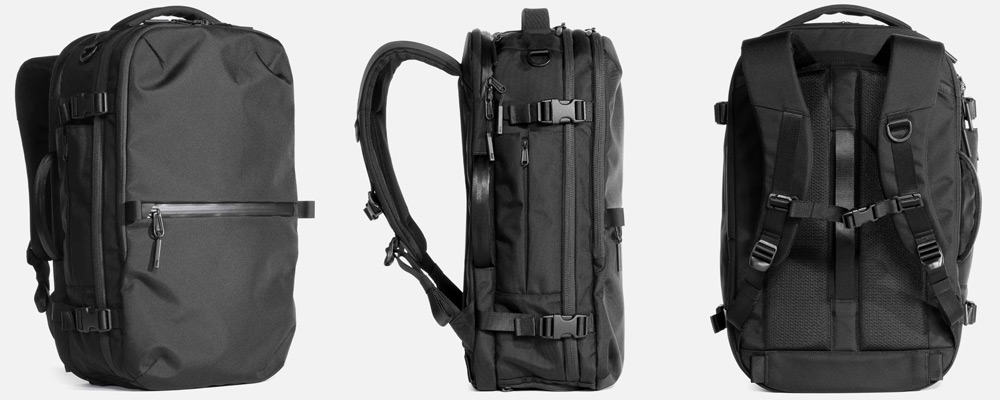
For travelers favoring a minimalist and utilitarian aesthetic, the Aer Travel Pack 3 offers a robust 35-liter capacity tailored for urban environments. Updated to refine its organization and pocket layout, the bag utilizes heavy-duty fabrics and ergonomic curved shoulder straps. Its compact size makes it well-suited for minimalist packers or as a supplementary carry-on item that fits easily into overhead bins or under seats.
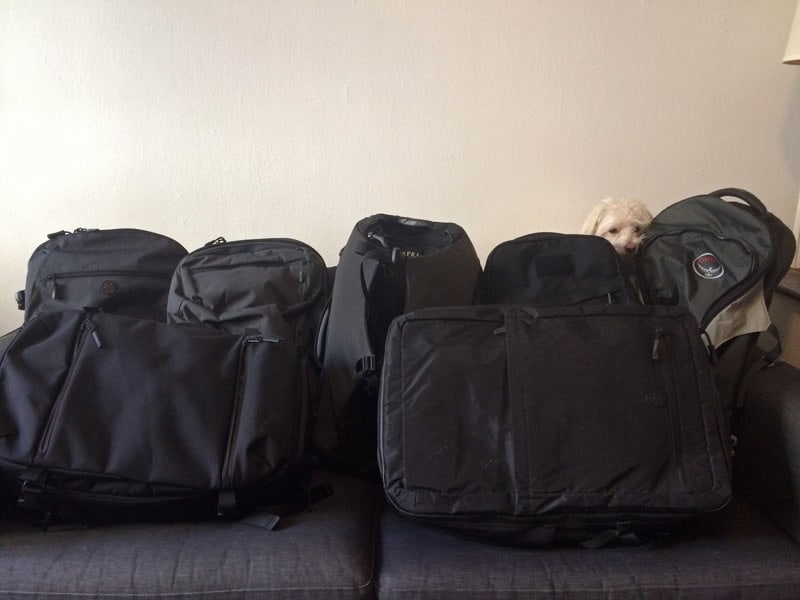
Another prominent contender is the Cotopaxi Allpa 42L, recognized for combining distinctive visual styling with durable construction. Tested extensively across European urban centers, the 42L version provides an optimal balance for trips exceeding a few days, featuring tamper-resistant zippers, internal compartment organization, and a comfortable suspension system.

For those requiring high-volume gear transport, the Osprey Sojourn Porter series offers a structured, shell-like design that maximizes interior packing space. While less ergonomic than the Farpoint line, the 46L model serves as a practical choice for city-hopping travelers who need to haul substantial amounts of equipment while remaining close to standard carry-on dimensions.
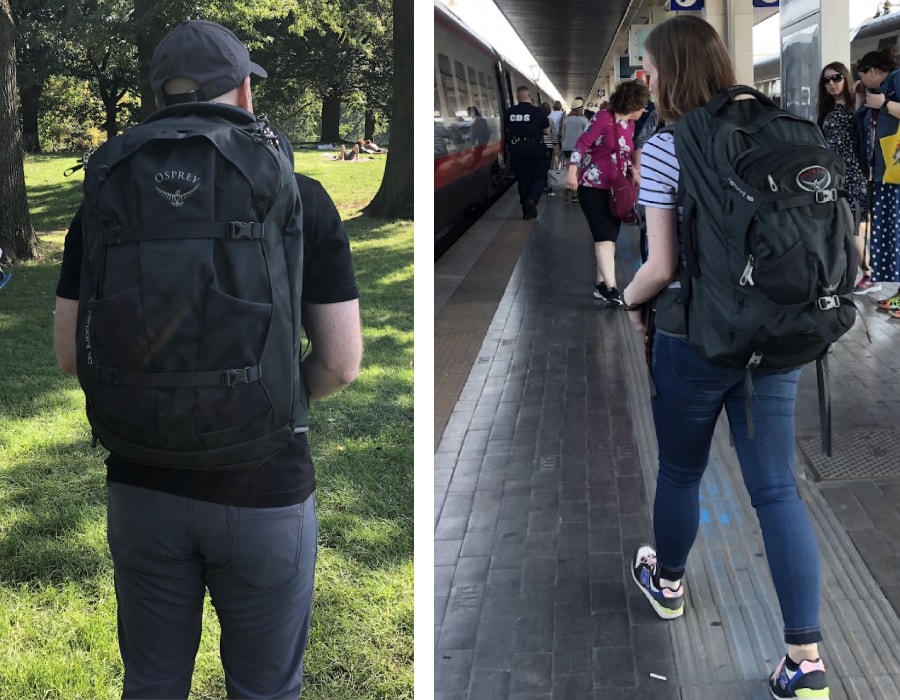
Alternative choices include the Tortuga Travel Backpack 40L, built with rugged, water-resistant sailcloth and robust harness systems designed for durability. Meanwhile, options like the Kelty Redwing series and the eBags Mother Lode provide budget-conscious alternatives, bridging the gap between traditional hiking frames and urban travel requirements. For individuals prioritizing specialized duffle configurations, the Patagonia Black Hole MLC offers a sleek, minimalist profile suited for travelers who prefer a soft-sided suitcase alternative with basic strap configurations.
Understanding the Advantages of Travel Backpacks
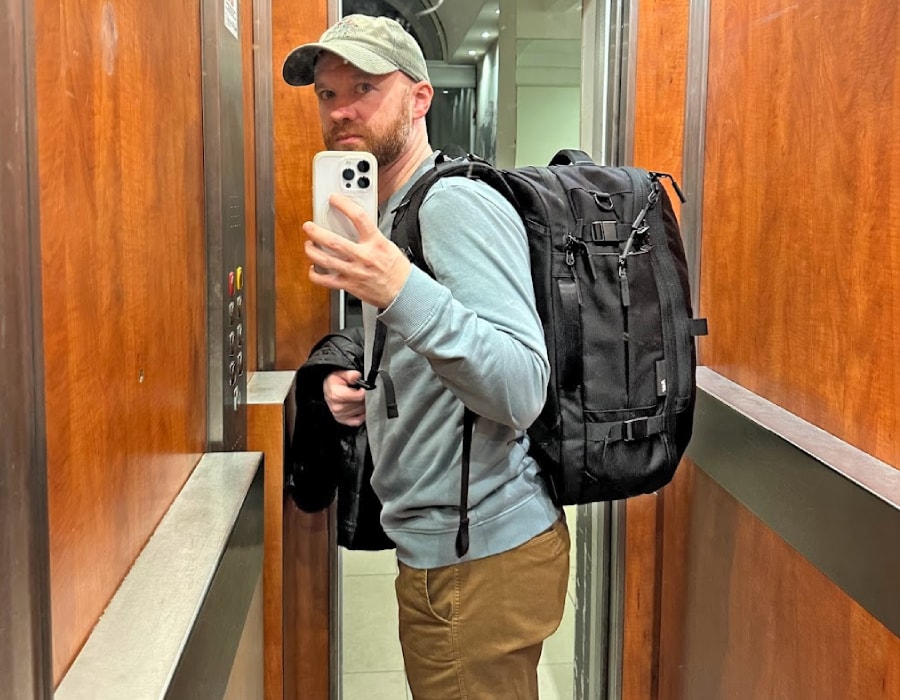
Opting for a backpack over a traditional suitcase introduces a distinct style of mobility. Traveling exclusively with a backpack encourages careful curation of personal belongings, limiting weight and bulk. This minimalist approach facilitates seamless navigation through congested transit hubs, historic cobblestone streets, and multi-level staircases without the physical constraints associated with rolling luggage. Furthermore, utilizing a carry-on-sized backpack eliminates checked baggage fees and minimizes the risk of lost luggage during complex itineraries.
Key Considerations for Choosing a Travel Backpack
Selecting the right backpack requires balancing size, comfort, and configuration against individual travel habits. Backpack capacities are measured in liters, with 40 to 45 liters generally representing the maximum threshold for standard airline carry-on compliance. Shorter trips and extended journeys often require similar capacities due to the availability of laundry facilities abroad, meaning trip duration does not strictly dictate bag size.
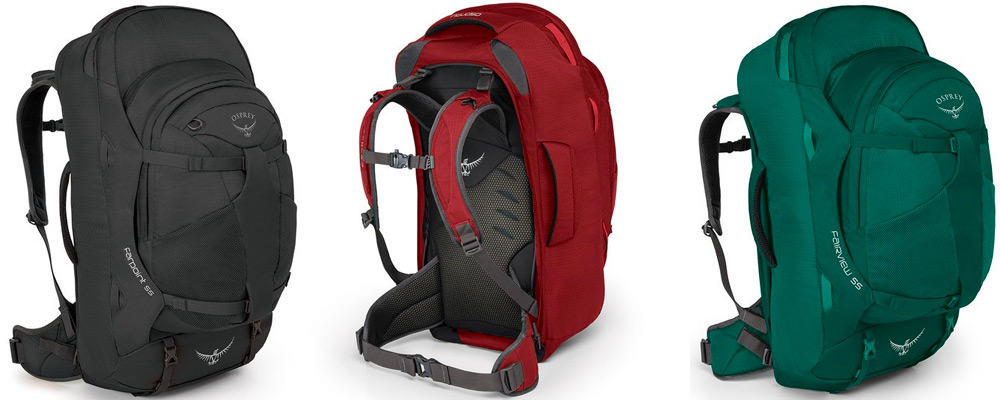
A primary structural distinction exists between dedicated travel backpacks and traditional hiking backpacks. Travel backpacks typically feature rectangular, suitcase-style clamshell openings that allow full access to the interior compartment, whereas hiking models rely on top-loading tube designs with drawstrings. Although hiking packs often excel in long-term weight distribution and advanced suspension systems, travel packs prioritize accessibility, structured packing layouts, and professional aesthetics tailored for urban environments.
Suspension systems also dictate overall comfort. Advanced harnesses featuring load-lifting straps and padded hip belts help transfer weight from the shoulders to the hips, which is crucial for heavier loads. Additionally, features such as stowable shoulder straps prevent damage during transit, while dedicated, exterior-accessible laptop compartments streamline airport security checkpoints. Material choices, including ballistic nylons and reinforced synthetics paired with durable zippers like those from YKK, ensure longevity across demanding travel conditions.
Concluding observations emphasize that matching a backpack to a specific travel style remains a personal decision, influenced by whether an individual engages in frequent transit, remote exploration, or minimalist weekend getaways. By weighing factors such as weight limits, ergonomic support, and organizational layout, travelers can select equipment that enhances their mobility on the road.