There are holidays where travelers spend a week barely moving from a sun lounger, and then there are journeys where every single day unfolds like a grand adventure. A road trip through Morocco firmly belongs to the latter category, offering an immersive travel experience where the route itself is every bit as captivating as the final destination.
For travelers embarking on this journey for the first time, the ideal itinerary begins amidst the vibrant and colorful souks of Marrakech before winding through the dramatic heights of the Atlas Mountains. Along the way, travelers encounter ancient kasbahs, deep subterranean gorges, and finally, the sprawling, golden expanse of the Sahara Desert. Choosing to hire a car offers a level of freedom that organized tours and public transport simply cannot match, allowing drivers to pull over at spectacular viewpoints, linger in quiet mountain villages, or capture impromptu photographic moments whenever inspiration strikes.
Morocco Road Trip At A Glance
While the core itinerary can be comfortably completed in approximately seven days, travel experts and seasoned visitors often recommend extending the trip to eight or ten days if time and budget permit. The traditional route maps a sweeping loop: Marrakech, Aït Benhaddou, Ouarzazate, the Dades Valley, Merzouga, the Sahara Desert, and back to Marrakech.
It is an ambitious itinerary, characterized by several long stretches of driving, but those hours behind the wheel form a core part of the appeal. The route traverses some of the most visually stunning landscapes in North Africa. For those with extended timeframes, adding a couple of nights in the coastal town of Essaouira or dedicating extra days to exploring the Atlas Mountains provides an even richer perspective of the country.
Day 1: Explore Marrakech
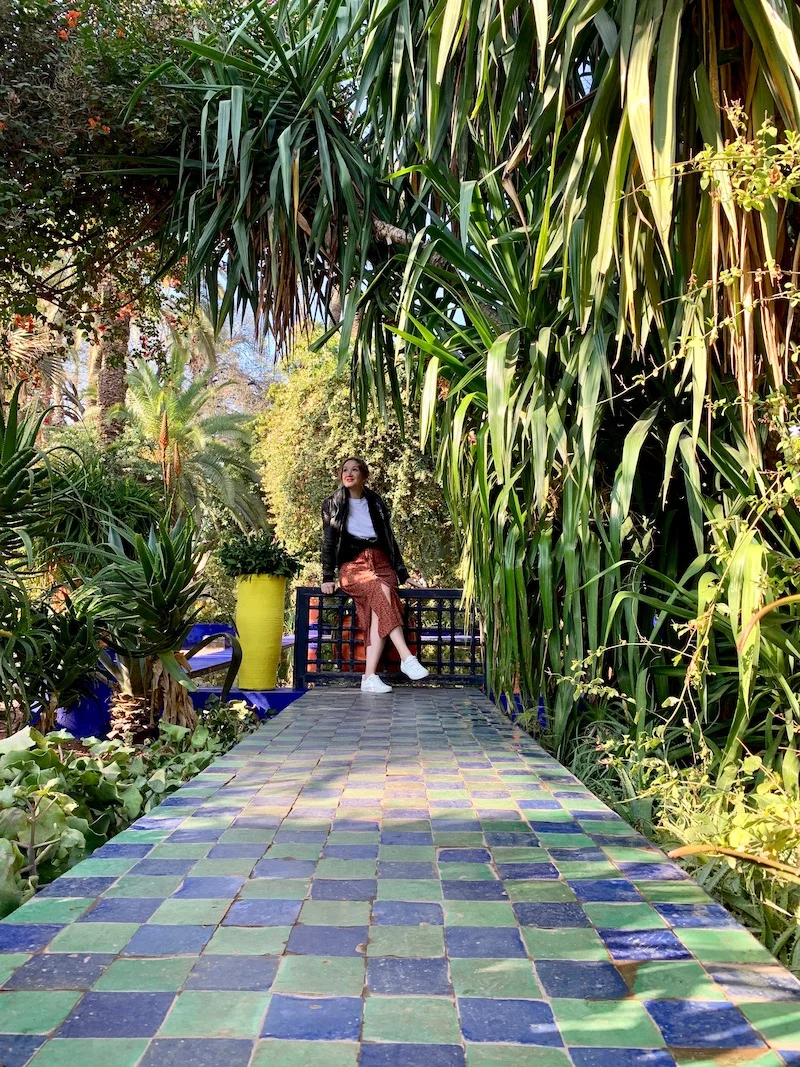
The journey traditionally begins in Marrakech, where travelers are advised to spend a full day acclimating to the city before getting behind the wheel of a rental car. Marrakech is a city that engages every sense immediately upon arrival, greeting visitors with the hum of motorbikes navigating narrow alleys, colorful market stalls piled high with aromatic spices and textiles, and the constant soundtrack of conversation, bargaining, and commerce.
Navigating the historic Medina, losing oneself in the sprawling souks, and emerging at the bustling Jemaa el-Fnaa square offers an unmatched introduction to the city’s unique energy. To unwind after a day of sensory immersion, visitors frequently turn to a traditional Moroccan hammam, where hours of steaming, scrubbing, and pampering provide an ideal reset. Evenings are best spent on a rooftop restaurant overlooking the Medina, sampling traditional Moroccan cuisine. Travel advisors generally recommend delaying car rental collection until the moment of departure from the city, as driving through the congested streets of the Medina is best avoided.
Day 2: Marrakech To Aït Benhaddou
The road trip truly commences on the second day as drivers leave Marrakech behind and ascend into the Atlas Mountains. The route climbs steadily through increasingly dramatic terrain toward the famous Tizi n’Tichka Pass. This stretch of driving encourages frequent stops to admire sweeping mountain vistas, small rural settlements, and winding valley roads.
The destination for the afternoon is Aït Benhaddou, one of Morocco’s most iconic historical landmarks. This ancient fortified village, or ksar, consists of a dense cluster of earthen clay buildings clinging to a hillside. Its striking, cinematic appearance has made it a favored backdrop for numerous international films and television productions. Visitors typically spend the afternoon exploring the labyrinthine alleyways and climbing to the summit for panoramic views across the surrounding countryside.
Day 3: Aït Benhaddou To Ouarzazate And The Dades Valley
Following a morning dedicated to further exploring Aït Benhaddou, travelers proceed toward Ouarzazate, frequently designated as the gateway to the Sahara. With a long-standing association with the entertainment industry, Ouarzazate offers film enthusiasts the opportunity to tour active local production studios.
From Ouarzazate, the route continues onward into the Dades Valley. The surrounding environment shifts dramatically, transitioning from rugged rocky mountains to lush green oases and striking red stone cliffs via the Valley of the Roses and the Dades Gorge. Having a private vehicle allows travelers to absorb these landscape transformations at their own pace, stopping whenever a particular vista commands attention before settling into accommodation with mountain views for the night.
Day 4: Dades Valley To Merzouga And The Sahara
The fourth day brings one of the most anticipated segments of the itinerary: the journey toward Merzouga and the edge of the Sahara Desert. Before reaching the desert proper, a stop at the Todra Gorge reveals an immense canyon flanked by towering limestone cliffs that rise sharply from the valley floor.
As the journey continues toward Merzouga, the vegetation thaws into arid plains before massive sand dunes begin to appear on the horizon. Most travelers arrange desert camp accommodations in advance, often parking their rental cars securely near Merzouga and transferring to specialized transport provided by camp operators. Arriving at a desert camp as dusk falls offers a surreal experience, culminating in dinner beneath an open canopy of stars accompanied by traditional music.
Day 5: Experience The Sahara
Rising early to witness the sunrise over the Sahara dunes rewards the effort of an early wake-up call. Depending on the specific camp, itineraries may include camel trekking, sandboarding, or off-road excursions via four-wheel-drive vehicles. However, many visitors emphasize the importance of simply slowing down. Sitting quietly on a dune with a glass of traditional mint tea allows travelers to fully appreciate the profound silence and scale of the desert environment before spending a second night under the stars or returning to a Merzouga hotel.
Day 6: Merzouga To Marrakech
The sixth day involves the longest driving stretch of the trip: the return journey from Merzouga back to Marrakech. Setting off early transforms the long hours on the road into an engaging sightseeing experience. While much of the terrain is familiar, traveling in the opposite direction presents entirely new visual perspectives. For those with flexibility in their schedules, breaking up this journey with an overnight stop along the route is frequently recommended.
Day 7: One Last Day In Marrakech
The final day of the itinerary offers an opportunity to experience any sights missed upon arrival, revisit a favorite café, or enjoy a final relaxation session at a local hammam. It also serves as the primary window for purchasing souvenirs, ranging from handwoven textiles and ceramics to intricate homeware and baskets, provided travelers have accounted for luggage space on the flight home.
Practical Considerations for the Journey
Deciding whether to hire a car often comes down to a balance between convenience and autonomy. While Morocco’s major cities are well-connected by trains, buses, and shared taxis, a private rental vehicle provides unmatched flexibility for rural exploration and scenic detours, while remaining cost-effective when expenses are shared among groups.
Driving in Morocco is generally straightforward on major inter-city routes, though mountain passes demand patience and reduced speeds, and urban centers require vigilance around dense motorcycle and pedestrian traffic. Reliable offline navigation applications are essential tools for drivers navigating routes where distances can be deceptive in terms of travel time.
When selecting a rental vehicle, prioritizing reliability, comfort, and adequate boot space over sheer size ensures a smooth journey. Reviewing rental inclusions—such as insurance coverage, mileage caps, fuel policies, and driver additions—helps avoid unexpected expenses.
Packing for a Moroccan road trip requires versatility, as climates vary dramatically between the warm urban centers and the cold desert and mountain nights. Layering clothing, bringing sturdy walking footwear, and packing a multi-purpose scarf for sun and wind protection are standard recommendations from seasoned travelers.
Ultimately, a Moroccan road trip offers a diverse cross-section of landscapes, from urban chaos to remote wilderness, rewarding travelers who maintain flexible schedules and embrace the spontaneous discoveries found along the open road.