A last-minute legislative compromise in Washington, D.C., has successfully averted a federal government shutdown, securing a 45-day continuing resolution that brings immediate relief to travelers, local businesses, and park officials. For millions of nature enthusiasts and visitors planning an autumn getaway, the most critical takeaway from the eleventh-hour deal is that Yellowstone National Park will remain fully open throughout the remainder of the fall season, avoiding what could have been a devastating disruption to tourism and local economies.
The crisis was neutralized late yesterday afternoon when House Speaker Kevin McCarthy introduced a stopgap spending bill designed to keep federal agencies funded for the next month and a half. The measure faced an ominous deadline, with a potential lapse in federal appropriations looming just after midnight at 12:01 a.m. Sunday. Swiftly categorized as a "clean" funding bill by lawmakers from both sides of the political aisle, the legislation successfully bypassed many of the deeply contentious partisan battles that typically paralyze Capitol Hill.
In addition to extending baseline federal funding, the bipartisan package includes vital disaster relief funds to aid communities recovering from recent natural disasters across the country. However, to secure the broad coalition necessary for passage, the measure intentionally omitted more polarizing provisions, specifically excluding any new funding for Ukraine as well as proposed legislative overhauls to border-control tactics.
The strategy proved effective on the House floor, where the compromise sailed through by a decisive 335-91 margin. The vote revealed a distinct ideological divide within the political parties, as 90 Republicans and a single Democrat voted in opposition, while the remaining members forged a bipartisan majority. Following the decisive action in the House, the legislation was immediately transmitted to the Senate, where lawmakers expedited consideration and overwhelmingly approved the bill by an 88-9 margin, sending it directly to the president’s desk just in time to prevent a midnight funding lapse.
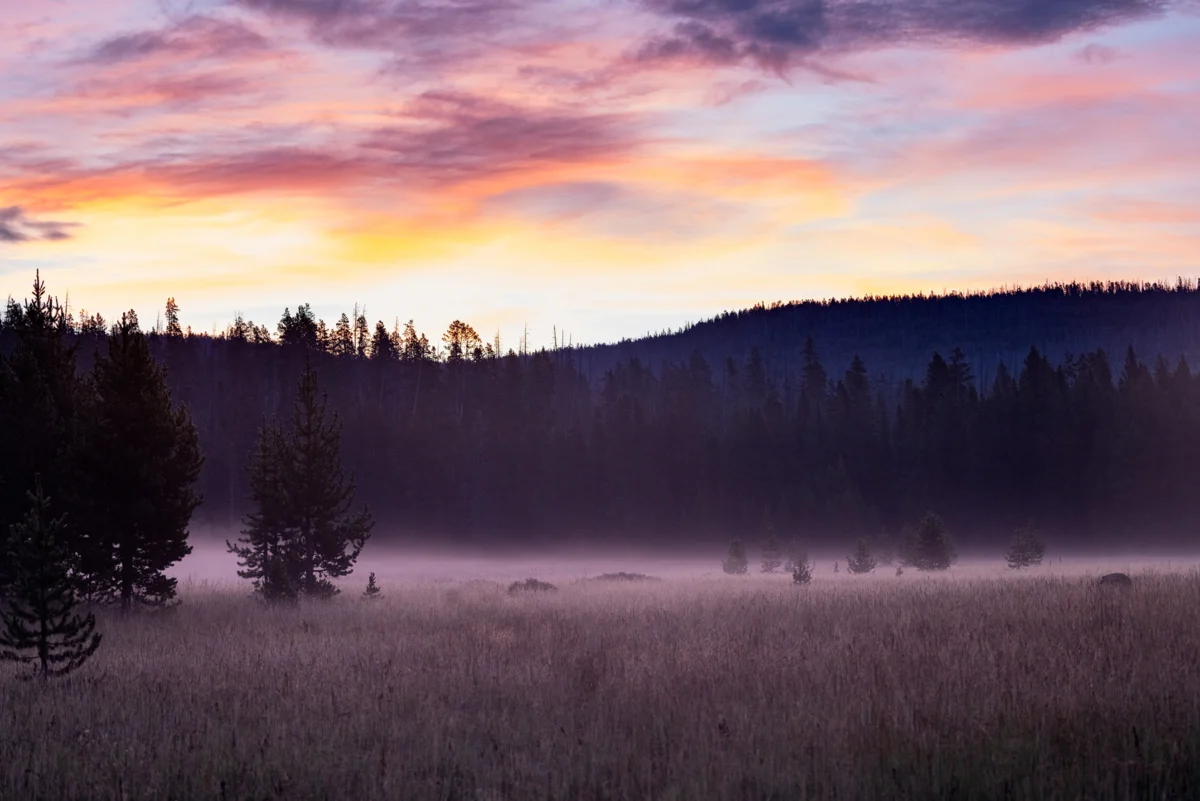
For visitors, conservationists, and the regional economy surrounding the world’s first national park, the averted shutdown carries profound implications. Yellowstone National Park will continue normal operations for the remainder of its autumn season, with park roads currently slated to remain accessible to the public until the traditional seasonal closures take effect across the park on October 31.
While the political hurdle has been cleared, Mother Nature still holds sway over park accessibility. Visitors must remain mindful of changing weather conditions in the high-altitude terrain. For instance, the Beartooth Highway—stretching between the Long Lake barricade near the Top of the World Store and the Montana-Wyoming state line—remains temporarily closed due to severe winter weather forecasts in the region. National Park Service officials plan to evaluate conditions and make a formal determination regarding the highway’s potential reopening.
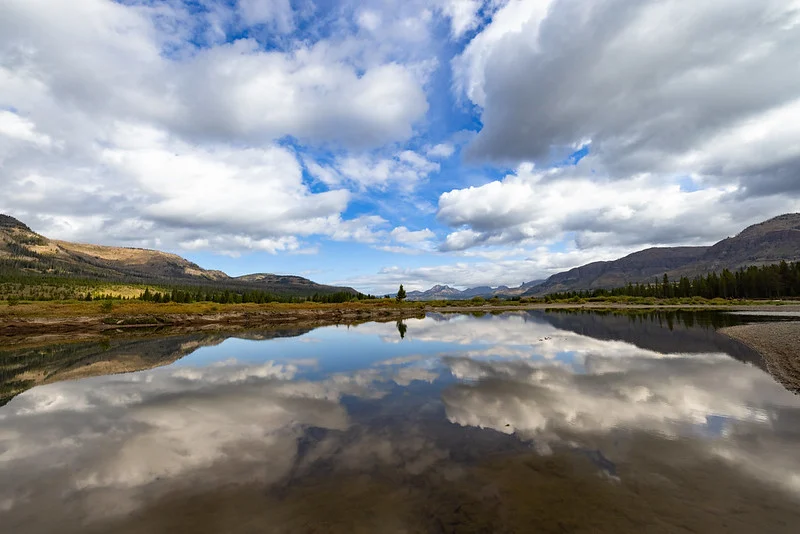
The continuation of regular park access clears the path for what has traditionally proven to be a surprisingly popular time to visit Yellowstone. October offers travelers a unique window to experience the park’s dramatic landscapes, shifting foliage, and abundant wildlife without the immense crowds characteristic of the peak summer travel months.
At the same time, autumn travelers should note that seasonal reductions in visitor infrastructure are already underway in accordance with the park’s standard annual operating schedule. A wave of lodging facilities, restaurants, and visitor services are closing for the season, including Lake Village, select lodging units at Canyon, and the Old Faithful Lodge. Visitors planning an autumn excursion are encouraged to consult official park resources to verify which specific amenities, concessions, and accommodations remain operational before finalizing their travel itineraries.
The sigh of relief from Yellowstone advocates comes against the backdrop of stringent warnings issued earlier by the National Park Service regarding the catastrophic impacts a federal shutdown would have inflicted on public lands nationwide. In official pre-shutdown guidance released to the public, the agency made it clear that a lapse in annual appropriations would trigger sweeping, unprecedented closures of National Park Service sites across the United States.
According to that release, a federal funding lapse would have meant that the vast majority of national parks would be completely closed to public access. Even in geographic areas that, by their inherent nature, remain physically accessible to the public, visitors would have encountered severely reduced or entirely absent visitor services.
Under standard contingency plans for a government shutdown, gates at National Park Service sites nationwide are locked, traditional visitor centers remain shuttered, and thousands of essential park rangers are furloughed. During past funding lapses, federal agencies have actively encouraged the public to avoid visiting national parks out of an abundance of caution, citing the need to protect sensitive natural and cultural resources in the absence of staff, as well as mounting concerns over visitor safety.
The averted crisis highlights the precarious financial and operational tightrope that public lands navigate whenever federal budget negotiations stall in Washington. Past funding impasses have frequently forced park administrators to draft contingency plans, weigh partial closures, or rely on emergency state funding to keep gates open. For now, however, those contingency plans have been shelved. With the 45-day continuing resolution safely enacted, Yellowstone National Park is poised to complete its autumn season uninterrupted, offering travelers an unobstructed window into the American wilderness as the leaves turn and the winter season approaches.