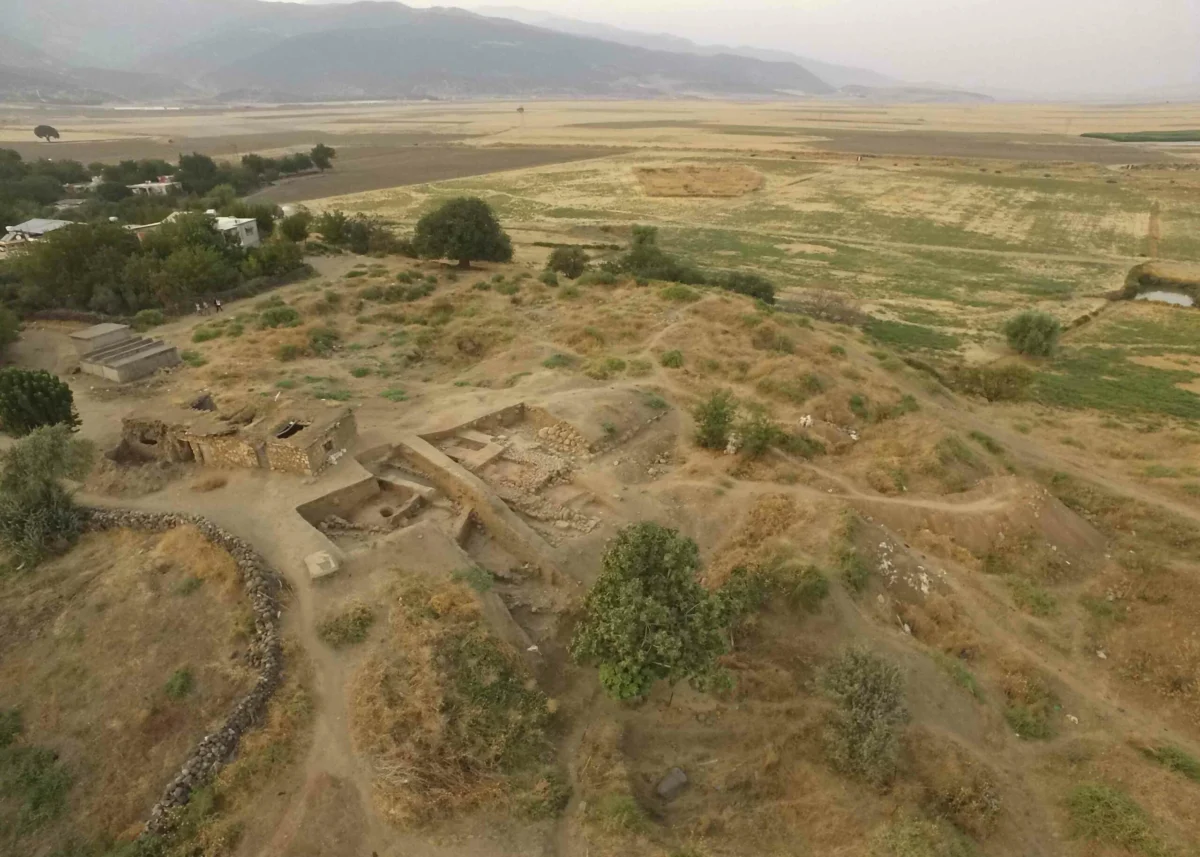
ÇANAKKALE, TURKEY — Ongoing archaeological excavations at the historic site of Hisarlık in western Anatolia—internationally renowned as the ancient city of Troy—have yielded a fascinating glimpse into the artistic and cultural life of antiquity. Researchers working at the legendary site have uncovered a fragile fragment of a bone flute dating back approximately 2,800 years. According to reports from the region, this remarkable discovery represents a significant milestone for the site, marking the very first time a musical instrument has ever been recovered from the ancient ruins of Troy.
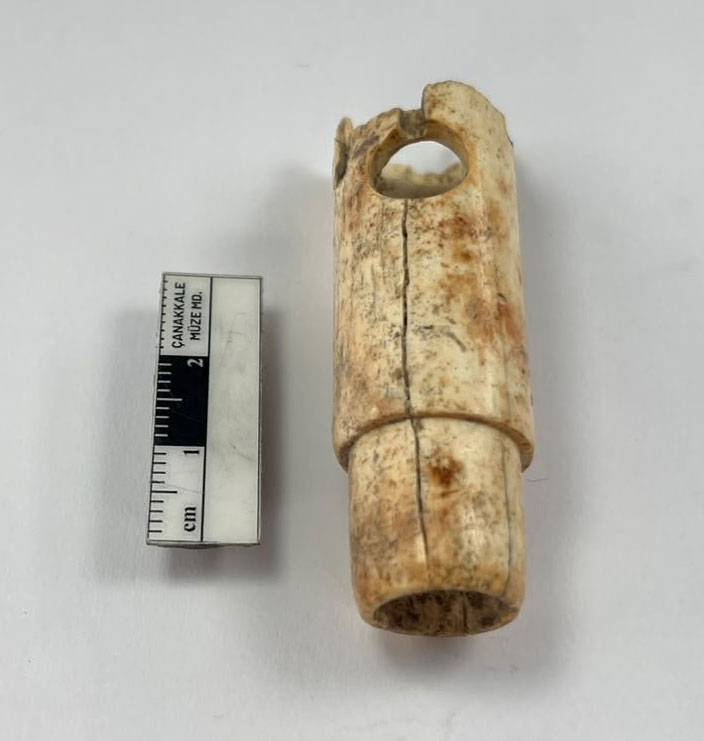
The discovery was highlighted by Turkey’s Culture and Tourism Minister, Mehmet Nuri Ersoy, who drew attention to the artifact’s unprecedented nature. While Troy has long been celebrated for its monumental defensive walls, layers of stratified urban history, and its central place in epic poetry and classical mythology, tangible evidence of the daily sounds, melodies, and artistic expressions of its inhabitants has remained exceptionally rare. The identification of the bone flute fragment fills a quiet gap in the material culture recovered from the multi-layered site, offering researchers and the public a direct physical link to the acoustic environment of the ancient world.
The fragment itself, carefully extracted from the soil of Hisarlık, provides valuable clues regarding the craftsmanship and acoustic technologies available to the populations inhabiting western Anatolia nearly three millennia ago. Bone flutes and similar wind instruments were common across various ancient Mediterranean and Near Eastern cultures, often fashioned from the wing bones of large birds or the limb bones of small mammals. These simple yet effective instruments were capable of producing haunting, clear tones that likely accompanied celebrations, religious rituals, pastoral daily life, and communal gatherings.
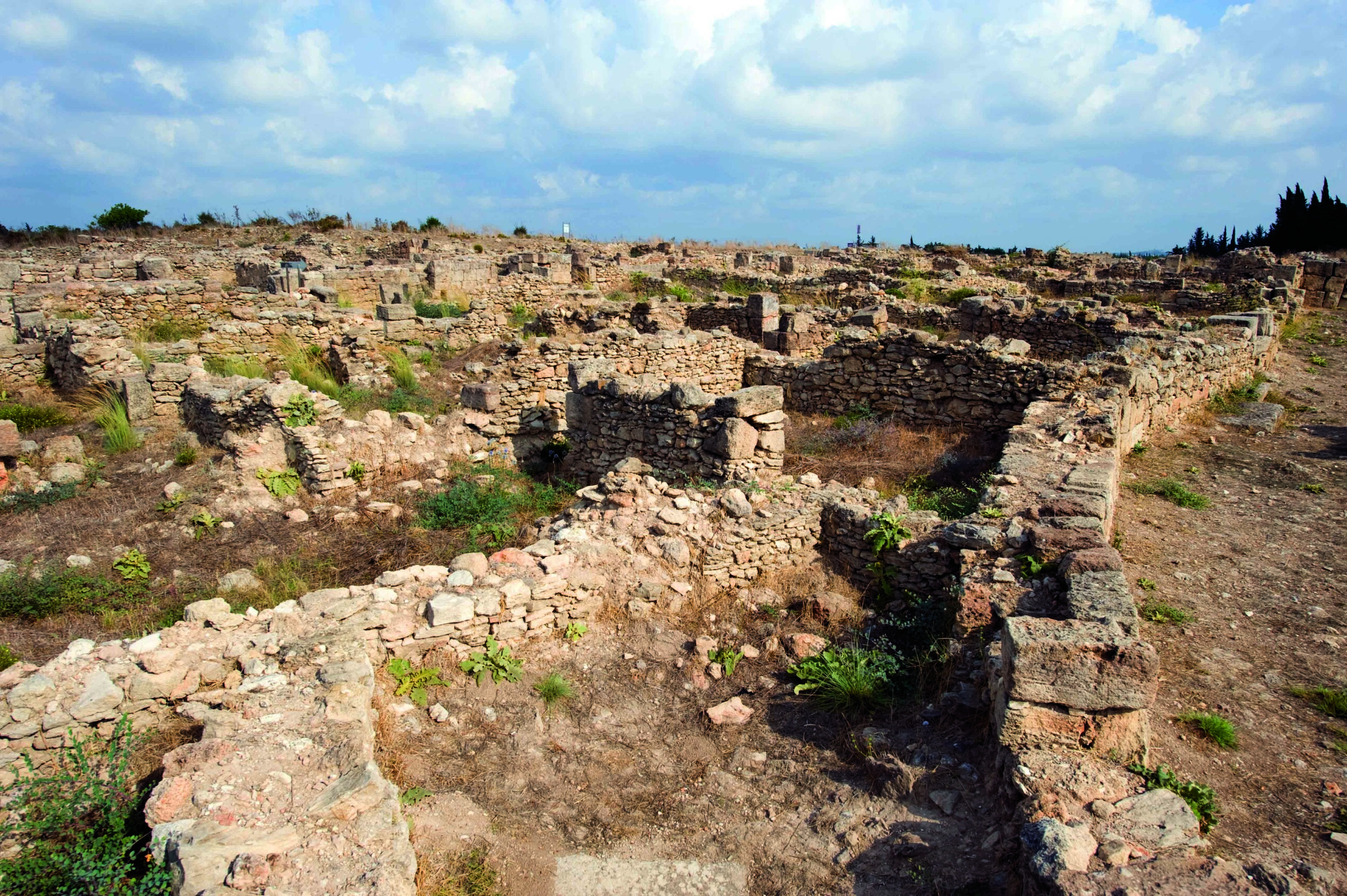
The recovery of the flute adds an entirely new dimension to the ongoing archaeological assessments of Troy. For generations, excavations at the site have focused heavily on architectural remains, military fortifications, pottery typologies, and trade goods that document the rise and fall of successive settlements. While these finds have brilliantly illuminated the political, economic, and defensive realities of the ancient city, the introduction of a musical instrument shifts the focus toward the intangible aspects of ancient civilization—how the people of Troy entertained themselves, expressed their grief or joy, and participated in cultural traditions that relied on sound and performance.
This momentous find was not the only significant discovery recently brought to light at the ancient site. In an earlier phase of the settlement, deep within the stratigraphy of the ancient city near the location of a prominent city gate, researchers unearthed another remarkable artifact: the human-shaped head of an ancient idol. Dating back to the Early Bronze Age, this small, sculpted piece is estimated to be approximately 4,500 years old.
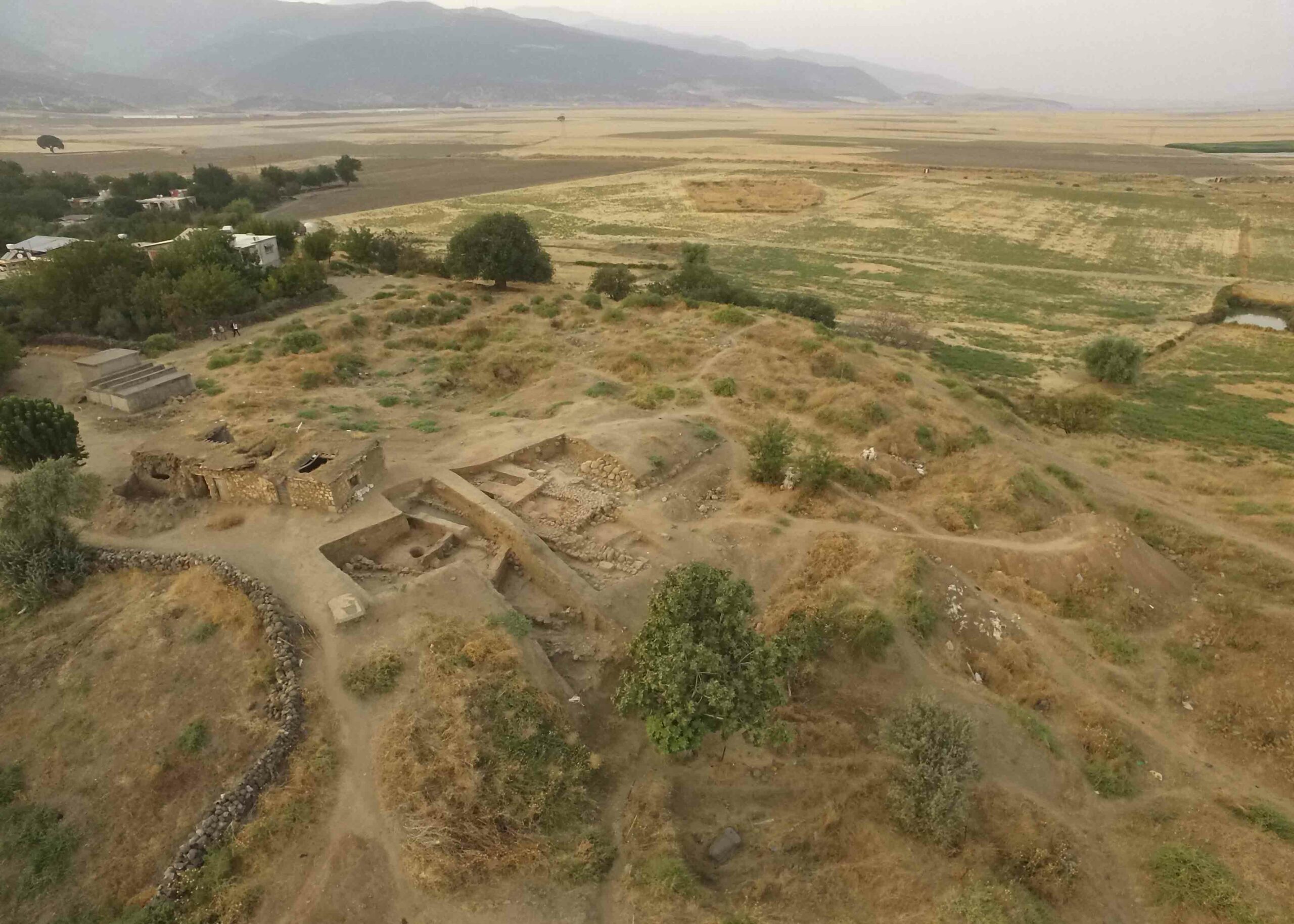
The juxtaposition of the 4,500-year-old Early Bronze Age idol head and the 2,800-year-old bone flute underscores the immense chronological depth of Hisarlık, where multiple cities were built one on top of the other across millennia. Minister Ersoy noted that both of these newly recovered objects will be thoroughly evaluated by archaeological teams and conservation specialists. The detailed study of these artifacts will help contextualize their respective eras, shedding light on the religious beliefs, symbolic representations, and artistic evolutions that characterized western Anatolia from the third millennium BCE down through the first millennium BCE.
The archaeological site of Troy, designated as a UNESCO World Heritage site, continues to be one of the most important and thoroughly investigated locations in the Mediterranean world. Its stratified layers—often designated chronologically from Troy I through Troy IX—reveal a continuous human presence spanning more than three millennia, from its humble beginnings as a small fortified early Bronze Age settlement to its status as a prosperous regional hub in later periods.
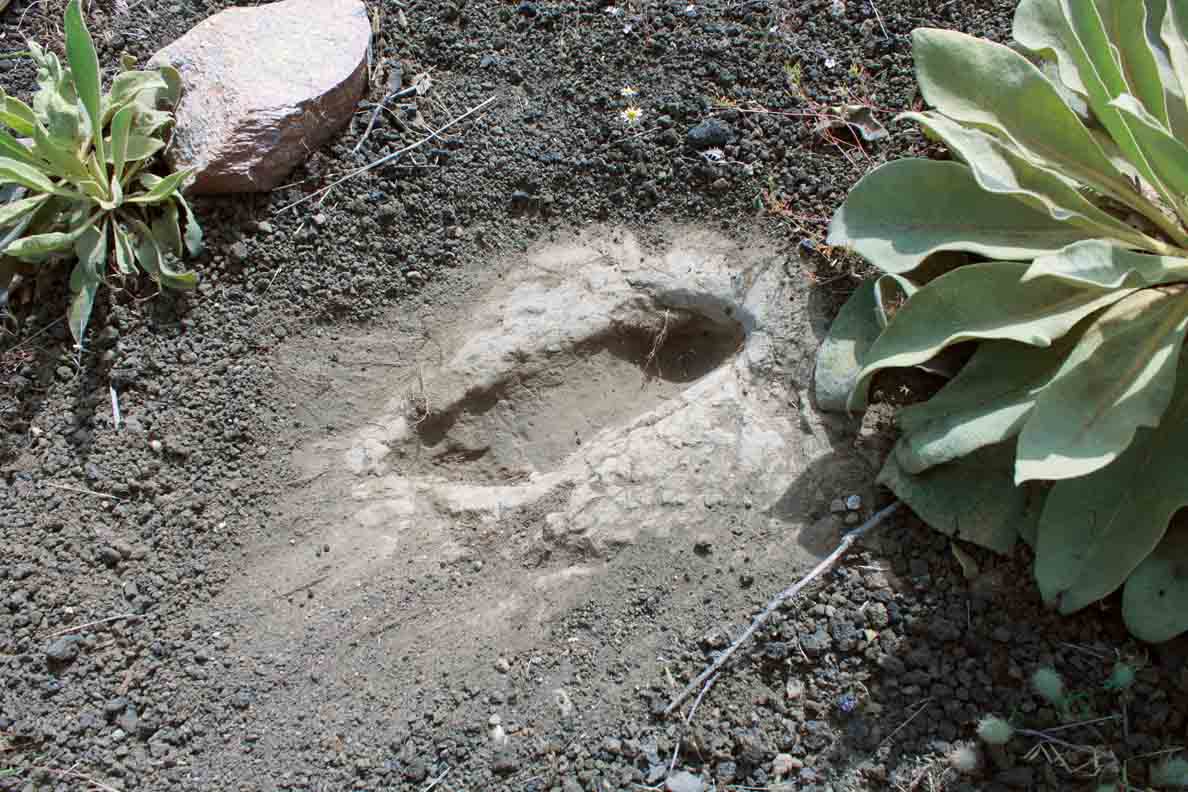
Every season of excavation at Hisarlık brings forth new data that helps refine the timeline and understanding of the Troad region. The discovery of the bone flute and the idol head demonstrates that despite more than a century of intensive archaeological work—beginning with the pioneering excavations of Heinrich Schliemann in the 19th century and continuing under modern Turkish and international teams—Troy still holds profound secrets within its ancient earth.
As conservation and analytical work on the bone flute and the idol head move forward, researchers hope to glean further insights into how these objects were manufactured, used, and eventually discarded or deposited. These efforts not only enrich the narrative of Troy as a vibrant crossroads of Aegean, Anatolian, and Mediterranean cultures, but also ensure that the daily lives, beliefs, and artistic endeavors of the people who once walked its streets continue to be heard across the centuries.