
The integration of artificial intelligence into the modern digital workplace is no longer a speculative trend or a novelty item reserved for tech enthusiasts. For freelance writers navigating an increasingly competitive market, the technology has evolved into a daily operational reality. Industry observers note that professionals who effectively incorporate artificial intelligence into their workflows are finding themselves working with greater efficiency, while those who ignore the tools or misuse them are falling behind.

According to industry insights shared by Location Rebel founder Sean Ogle, the key distinction in the current freelance landscape does not lie in whether writers use artificial intelligence, but rather how they apply it. Thriving freelancers utilize these systems to shoulder the repetitive, administrative, and tedious burdens of the profession. This strategic delegation frees up critical time and mental energy to focus on human-centric elements that clients truly value: original thinking, in-depth interviews, authentic expertise, and relationship-building. Conversely, those struggling in the current environment tend to fall into two camps: they either avoid artificial intelligence entirely out of apprehension, or they rely on it as a crude crutch to generate generic, mediocre copy that clients can easily identify.
To remain competitive without sacrificing quality, industry professionals are identifying specific operational areas where artificial intelligence acts as a force multiplier rather than a replacement for human creativity.
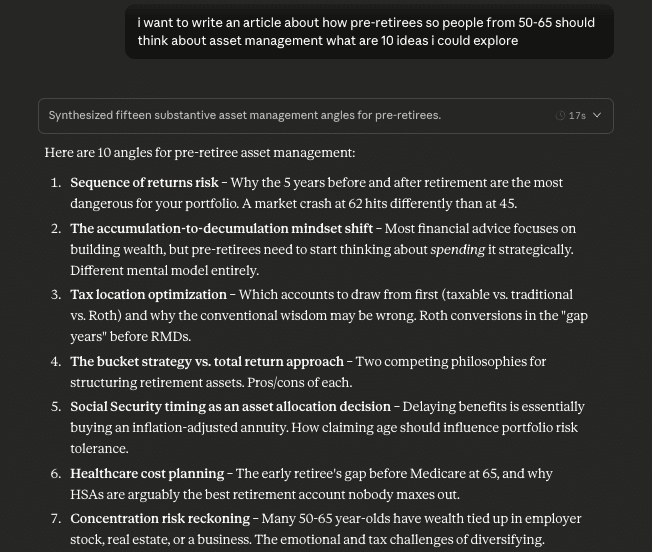
One of the most persistent hurdles in professional writing is overcoming the initial psychological barrier of a blank document. While the topic may be entirely clear, the process of drafting a compelling opening line often leads to wasted hours. Writers are increasingly turning to advanced language models like ChatGPT and Claude not to generate final text, but to brainstorm a wide range of angles, alternative structural openings, and reader inquiries. This initial sounding board serves to break creative paralysis, providing a tangible starting point for reaction and refinement rather than forcing a writer to stare at an empty screen.
Similarly, structural organization has seen a significant shift. Before drafting blog posts, articles, or pitch letters, establishing a clear framework is essential for maintaining narrative flow. Artificial intelligence models can assist by generating initial structural suggestions, subheadings, and expected reader sections based on a given topic. By feeding contextual details about target audiences, primary goals, and collected research notes into a customized system, writers can quickly produce robust outline ideas. This preliminary scaffolding helps streamline the organizational phase, often surfacing unexpected angles that might have otherwise been overlooked.

Research, traditionally one of the most time-consuming phases of freelance journalism and content creation, has also been transformed. Reviewing lengthy studies, government reports, and background literature requires substantial triage. Tools designed for web-connected research, such as Perplexity, allow writers to quickly query current data and receive synthesized answers complete with verified source citations. This initial legwork enables professionals to rapidly assess the validity and relevance of source material—such as verifying whether a specific statistic is up-to-date—before committing deep reading time to a document. Furthermore, when paired with transcription software like Otter, these tools allow writers to upload conversation transcripts from subject matter expert interviews, rapidly extracting key themes and verifying quotes against source audio.
Outreach and marketing represent another critical domain where efficiency has improved. Crafting letters of introduction and cold emails to prospective clients can quickly become an exhausting exercise in repetition. Writers now use language models to draft initial templates, adjusting variables to test different approaches and tones. However, industry veterans emphasize that the final stage of personalization remains strictly human. The opening sentence of an outreach email—often anchored in recent company news, recent awards, or specific industry achievements—requires genuine human insight that automated systems cannot authentically replicate.
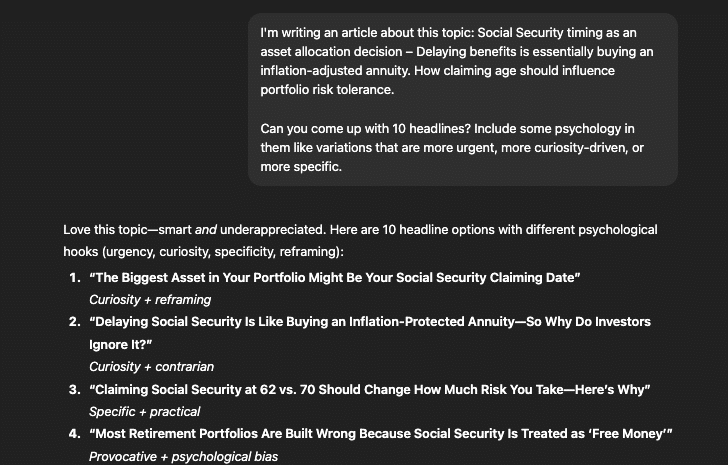
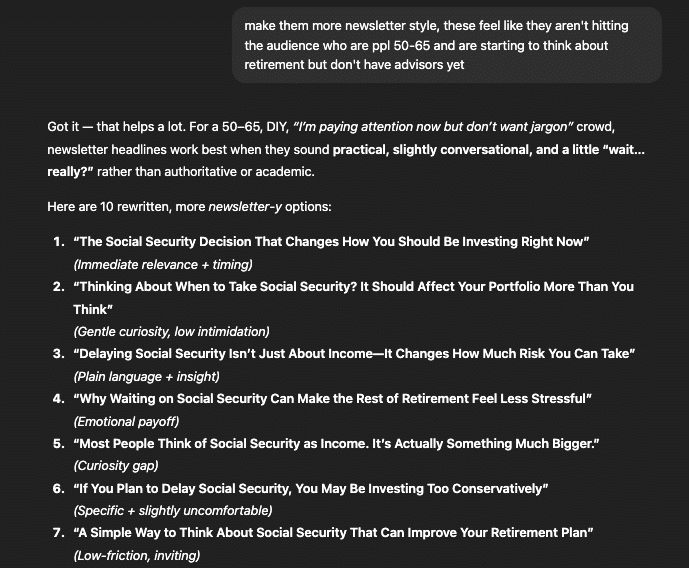
Headline generation and content introduction follow a similar trajectory. Because a title often dictates whether a piece of content achieves visibility, generating compelling options is crucial. Writers frequently request multiple variations from artificial intelligence, ranging from curiosity-driven hooks to urgent or highly specific angles. While the raw output is rarely used verbatim, the generated options serve as a springboard for creative refinement or a combination of contrasting ideas.
Beyond the drafting phase, the editing and proofreading process has benefited from the availability of objective digital reviewers. Even seasoned writers frequently miss syntactic errors, wordiness, or awkward phrasing because the human brain naturally fills in expected patterns. Pasting drafts into language models to check for clarity or to simulate the perspective of a specific target audience provides a valuable secondary layer of review. Specialized grammar and style checkers, such as Grammarly, further assist in catching technical errors and streamlining overly complex sentences, though the final editorial authority always remains with the human writer.
Content repurposing has also emerged as an essential skill for modern freelancers aiming to maximize the return on their creative output. Generating promotional material across multiple digital platforms—such as adapting a comprehensive article into short-form updates, newsletter mentions, or social media threads—can be daunting. By feeding completed articles into analytical models, writers can extract key data points, core arguments, and distinct angles suited for different distribution channels. This capability allows creators to maintain an active professional presence without repeating the heavy lifting of original composition.
Finally, administrative tracking has found a home in conversational artificial intelligence platforms. Many independent professionals struggle with maintaining traditional spreadsheets to monitor their marketing outreach, follow-up schedules, and pitch conversion rates. By logging interactions conversationally through platforms like Claude Cowork, writers can seamlessly track outreach data and request comprehensive monthly performance summaries. This tracking helps identify operational patterns, such as response rates across different niches or the volume of outreach required to secure a new client, providing a clearer picture of business development without the friction of manual data entry.

Ultimately, industry consensus suggests that artificial intelligence tools will continue to embed themselves deeper into the daily routines of independent content creators. The professionals who adapt successfully view these technologies strictly as utility instruments designed to absorb routine friction. By delegating administrative burdens, preliminary research, and structural brainstorming to software, writers can dedicate their primary focus to the analytical thinking, interpersonal relationships, and authentic expertise that define professional writing.