The Tour du Mont Blanc stands as one of Europe’s most iconic long-distance walking routes, renowned for its dramatic alpine scenery, sweeping valleys, and demanding physical profile. While the trail is undeniably challenging, seasoned and novice hikers alike often discover that its true difficulty lies not in technical mountaineering, but in its sheer scale. Spanning miles of continuous climbing and descending, the circuit tests the endurance of anyone willing to take on the challenge.
Recently, a group of four travelers—consisting of David, Sue, Shelley, and the writer—completed the famous trek around the Mont Blanc massif. Rather than presenting an insurmountable barrier of technical climbing, the route proved to be a test of stamina, pacing, and mental fortitude. Each member of the group brought their own unique set of physical vulnerabilities to the trail, ranging from sensitive knees and aching toes to taxed lungs. For some hikers, the steep ascents demanded grueling effort, while others found the relentless downhills to be the primary trial.
Rather than pushing through discomfort at a uniform pace, the group opted for a measured approach. By keeping the daily pace manageable and incorporating frequent, short breaks, the hikers were able to mitigate the physical toll of the trail. This strategy proved essential for managing the varied weak spots within the party, ensuring that everyone could complete the journey without overexertion.
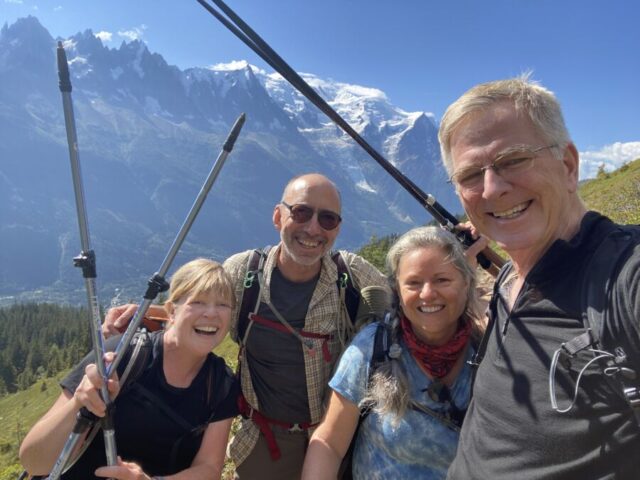
Dynamics within a hiking party can often dictate the success of a long-distance trek, and the group quickly realized that traveling as a foursome carried certain limitations. To maintain maximum flexibility, the quartet found it most effective to break into two pairs on the trail. This simple adjustment allowed each couple to move at their own natural speed, stopping to rest or admire the landscape without needing to coordinate with the larger group’s schedule or immediate needs.
The philosophy adopted by the hikers became a guiding mantra for the expedition: the purpose of the journey was to experience the trail, appreciate the fleeting moments, and absorb the majesty of the mountains, rather than treating the daily hike as a race to the evening’s lodging. This mindset transformed what could have been a stressful physical endurance test into an immersive alpine experience.
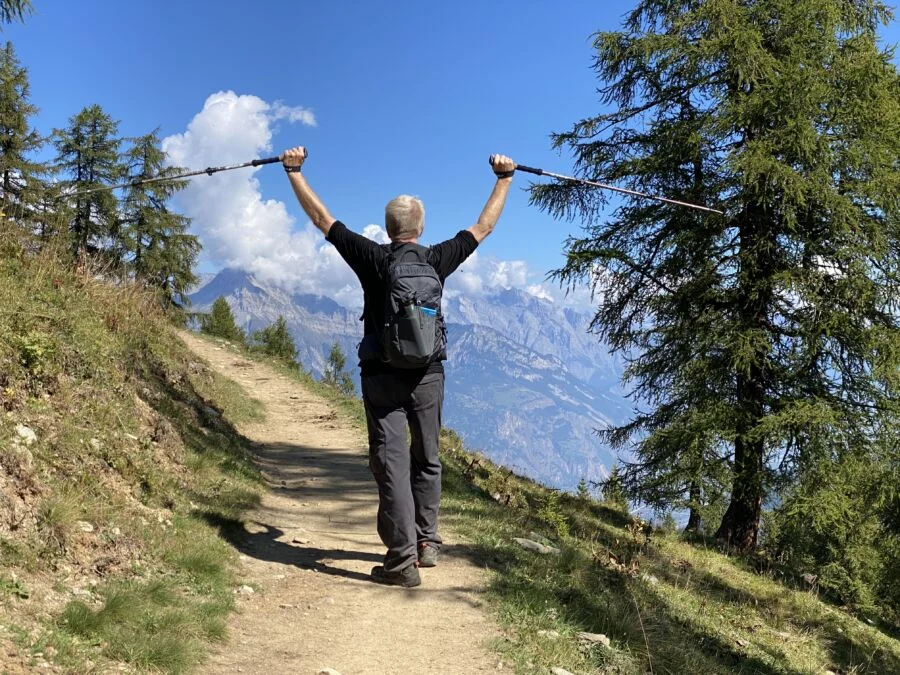
Conquering the steep and prolonged climbs along the route required specific techniques. The hikers found that maintaining a steady rhythm using smaller, consistent steps was far more effective than attempting large, powerful strides that quickly deplete energy reserves. Given the uneven and rocky terrain typical of the high-altitude paths, hiking poles quickly became indispensable tools for maintaining balance, absorbing shock on descents, and distributing physical effort across both the upper and lower body.
Navigating the extensive network of trails was made significantly easier by a combination of modern technology and traditional wayfinding methods. The trail infrastructure featured comprehensive signage that kept the group oriented, while modern mobile applications provided a reliable digital safety net, allowing the hikers to confirm their location with a quick glance at a digital map.
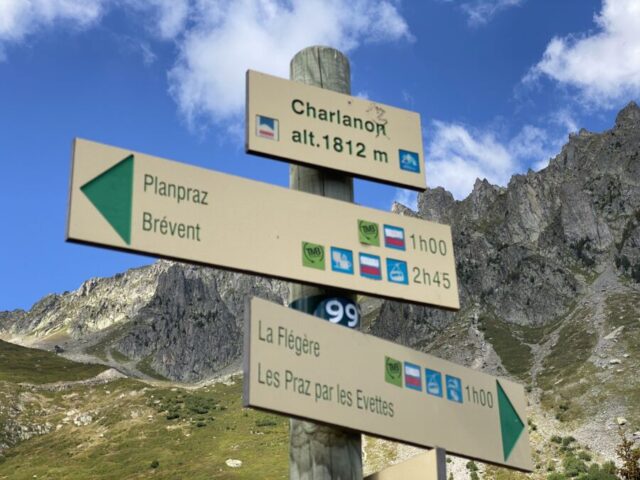
At the same time, traditional navigation tools retained their value. Each evening, the writer spent time reviewing the route for the following day using a high-quality printed map. This nightly preparation not only familiarized the team with the upcoming terrain, elevation profiles, and potential challenges, but also added a tangible, contemplative dimension to the adventure.
Timing a trek during the shoulder season brought both atmospheric rewards and weather uncertainties. The group undertook their six-day journey during the final week of September, just as the regional hiking season was drawing to a close. Weather forecasts leading up to and during the trek frequently appeared threatening, carrying the constant promise of alpine storms. Fortunately, the travelers experienced remarkably favorable conditions, enduring only a single hour of rain across the entire six-day excursion.
Despite the largely cooperative weather, preparation remained a daily priority. Every morning, the hikers packed essential rain gear alongside layers designed for changing conditions. Because the route involved continuous gains and losses in altitude, temperatures and weather patterns could shift dramatically within the span of a single hour. Hikers frequently found themselves shedding layers during strenuous climbs under the sun, only to bundle up again upon reaching windy, exposed mountain passes.
This routine of adaptation quickly became second nature. By the fourth day of the trek, the group—self-described rank beginners—had mastered the art of layering and trail management, leading to a shared realization of competence as they navigated the demanding landscape.
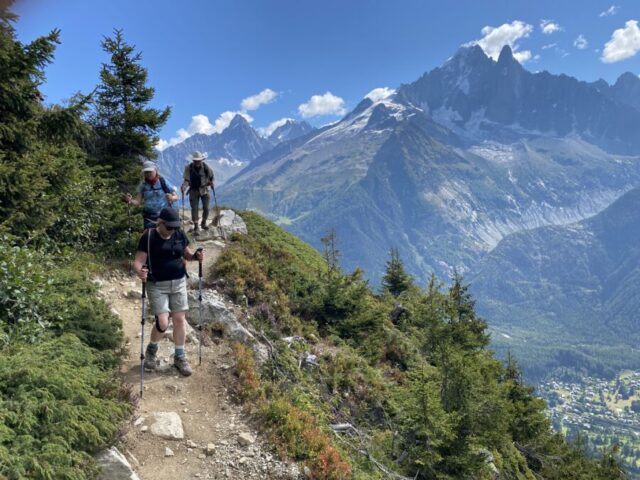
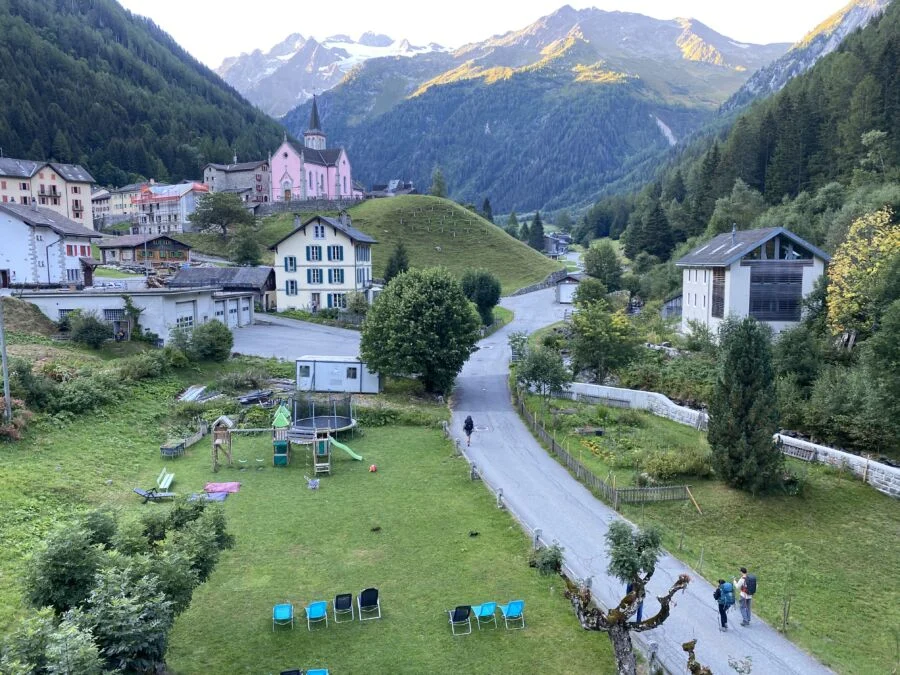
The geographical layout of the Tour du Mont Blanc naturally creates a rhythm of continuous ascent and descent. The route loops in a wide circle around a massive cluster of peaks, requiring travelers to cross formidable mountain passes day after day. Each morning typically began with a rigorous climb out of a valley, culminating in breathtaking vistas from a high pass before descending into a charming, historic alpine village for the evening.
These nightly stops offered a stark and welcoming contrast to the rugged wilderness of the high trails. After a long day of navigating rocky paths and managing altitude changes, the travelers were rewarded with the hospitality of alpine towns, where local culture and hearty regional food provided a restorative environment.
As day turned to night in these mountain settlements, the experience extended beyond the trail itself. A daily highlight for the group was taking a quiet evening stroll under expansive night skies, enveloped by a brilliant, milky blanket of stars stretching across the high-altitude darkness, providing a serene conclusion to each physically demanding day on the mountain.