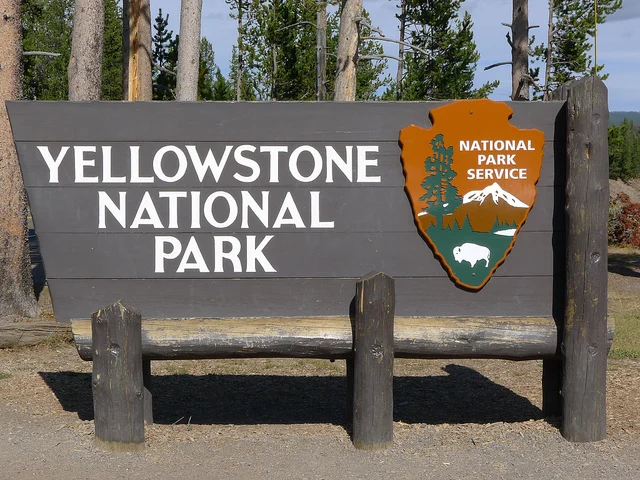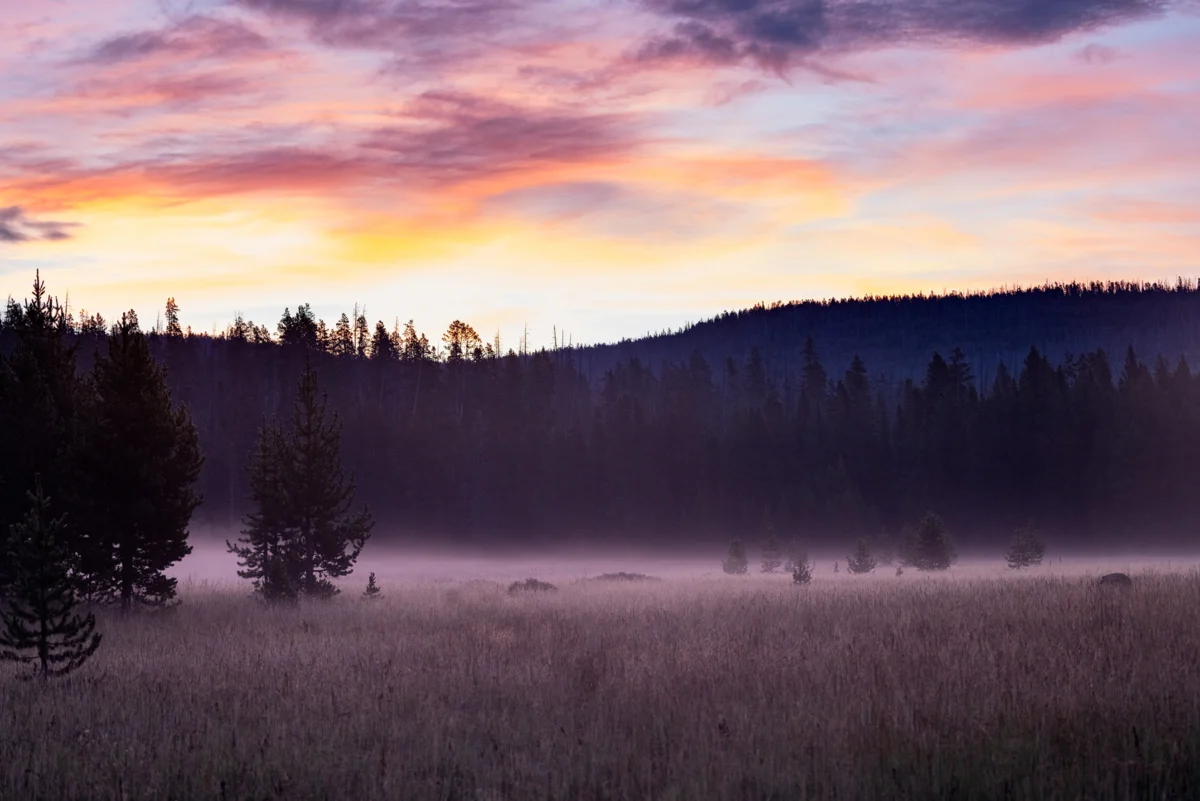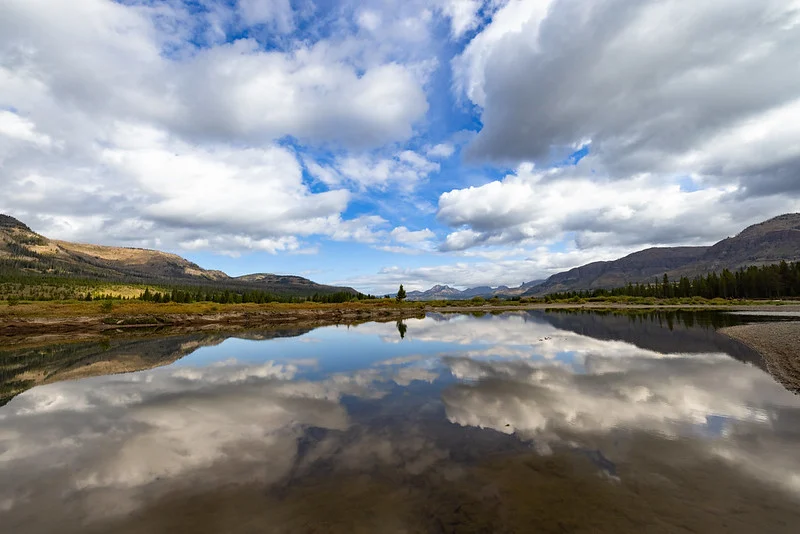
As the clock ticks down toward a midnight deadline in Washington, D.C., the impending threat of a federal government shutdown is casting a long and deeply concerning shadow far beyond the political arenas of the nation’s capital. While budgetary gridlock is often viewed through the lens of federal agencies, halted administrative services, and furloughed desk workers, the practical consequences ripple out into America’s most treasured public lands. For Yellowstone National Park—the crown jewel of the National Park Service and America’s very first national park—a shutdown means much more than simply locking the entrance gates. The potential disruption threatens to freeze local economies, strand travelers, and create a logistical nightmare stretching hundreds of miles past the park’s five primary entry points.
The immediate and most visible impact of a federal funding lapse will be felt by visitors attempting to access the park. With federal appropriations running out at 12:01 a.m., the National Park Service faces the near-certainty of a sweeping operational shutdown beginning early Monday morning. Under standard contingency protocols enacted during funding gaps, park gates across the country are locked, visitor centers go dark, and thousands of dedicated park rangers and support staff are forced onto unpaid furlough. During these periods, the public is strongly discouraged from visiting federal sites. This measure is implemented not only to protect natural and cultural resources that would otherwise go unmonitored, but also to ensure visitor safety in environments where emergency services, search and rescue teams, and basic maintenance operations are severely depleted.
As federal and park officials navigate the final hours before the funding deadline, the exact operational status of Yellowstone remains a subject of tense anticipation. Park officials have historically handled previous government shutdowns with varying degrees of partial closures, depending on the specific directives issued by the Department of the Interior and the availability of emergency funds or state assistance. During one notable winter funding lapse in the past, portions of the park remained partially open with concessionaire facilities operating independently, even as National Park Service offerings were shut down and federal workers were furloughed. However, during other budgetary standoffs, the park was forced into total closure.
Commercial partners within and around the park are equally caught in the lurch. A recent advisory statement issued by Xanterra Travel Collection, a primary park concessionaire, indicated that the company had not yet received official federal directives regarding a complete Yellowstone closure, confirming that its operations were slated to remain open through the weekend. Even independently of the political standoff, seasonal transitions are already underway within the park. Scheduled closures for several visitor amenities are progressing as planned, with facilities in Lake Village, select lodging at Canyon, and the historic Old Faithful Lodge preparing to shutter their doors for the season.
Compounding the uncertainty of a potential federal shutdown are the unpredictable forces of nature. October is a surprisingly vibrant and busy season for tourism in and around Yellowstone, drawing travelers eager to experience the autumn wildlife activity and shifting landscapes. However, this shoulder season coincides with the winding down of many local services, restaurants, and accommodations, creating a delicate balancing act for visitors and business owners alike. Adding to the seasonal challenges, Mother Nature has also intervened in the region’s accessibility. The Beartooth Highway, specifically the US-212 route between the Long Lake barricade near the Top of the World Store and the Montana-Wyoming state line, is scheduled to close due to forecasted severe winter weather conditions.
Once you look past the boundaries of the park itself, the economic and logistical shockwaves of a closure are felt with profound intensity in the immediate gateway communities. Towns such as West Yellowstone, Montana; Gardiner, Montana; and Cooke City, Montana, exist in a symbiotic relationship with the park, relying heavily on the steady stream of tourists who patronize their hotels, restaurants, shops, and guide services.
For communities like Gardiner, situated at the park’s historic North Entrance, the prospect of a prolonged closure in October is a deeply troubling scenario. Terese Petcoff, executive director for the Gardiner Chamber of Commerce, has voiced severe concerns over the detrimental impacts a shutdown would inflict on the local economy. While Petcoff acknowledged that the silver lining is that the shutdown is not striking in the absolute peak of the chaotic summer tourism season, she emphasized that October remains a critically busy month for local businesses. For local lodges and outfitters, losing an entire month of reservations—or potentially longer, depending on how long a federal impasse drags on in Washington—represents a devastating blow. Petcoff described the situation as an absolute nightmare, noting that tens of thousands of dollars in vital tourism revenue would vanish from the local economy if the park’s gates were forced to close.
The economic and civic consequences could prove even more critical for Cooke City. Unlike other gateway towns that enjoy multiple avenues of approach and robust infrastructure, Cooke City relies directly on National Park Service personnel and equipment for essential services such as snowplowing to maintain year-round access. The mountain route leading to Cooke City via the park’s North Entrance is famously the only Yellowstone road kept open throughout the winter months, making the continuity of federal operations a matter of basic community survival rather than mere tourism convenience.
Unlike some other Western states where governors have stepped in with state emergency funds to keep iconic national parks accessible during federal funding lapses, Montana is taking a firmly hands-off approach. Governors in states like Utah and Arizona have previously utilized state budgets to maintain operations at parks within their borders to protect local tourism economies. However, Montana Governor Greg Gianforte made his stance clear in correspondence reported by the Bozeman Daily Chronicle, emphasizing that national parks remain strictly a federal responsibility. Gianforte wrote that Montana taxpayers should not be forced to pick up the financial tab because Congress is unable to complete its fundamental legislative duties.
Beyond the immediate gateway towns, the economic fallout of a Yellowstone shutdown extends far afield into regional commercial hubs such as Bozeman, Billings, Cody, and Jackson. These larger communities act as logistical staging grounds for travelers flying into the region, renting vehicles, purchasing outdoor supplies, and booking extended stays. A sudden drop in park visitation translates directly into reduced consumer spending across the entire regional economy, impacting everything from airline bookings and car rental agencies to local retail shops and fuel stations.
As negotiations in the House of Representatives continue down to the wire with no definitive legislative compromise reached to avert the funding lapse, residents, business owners, and travelers across the Greater Yellowstone Ecosystem are left waiting in limbo. For seasoned observers of federal budget battles, the unfolding situation brings back memories of past political standoffs. The most recent instance of a Yellowstone closure resulting directly from a government funding impasse occurred in late 2018 and early 2019 under the Trump Administration, an event that remains a stark reminder of how federal politics can abruptly halt the rhythm of life in the American West.