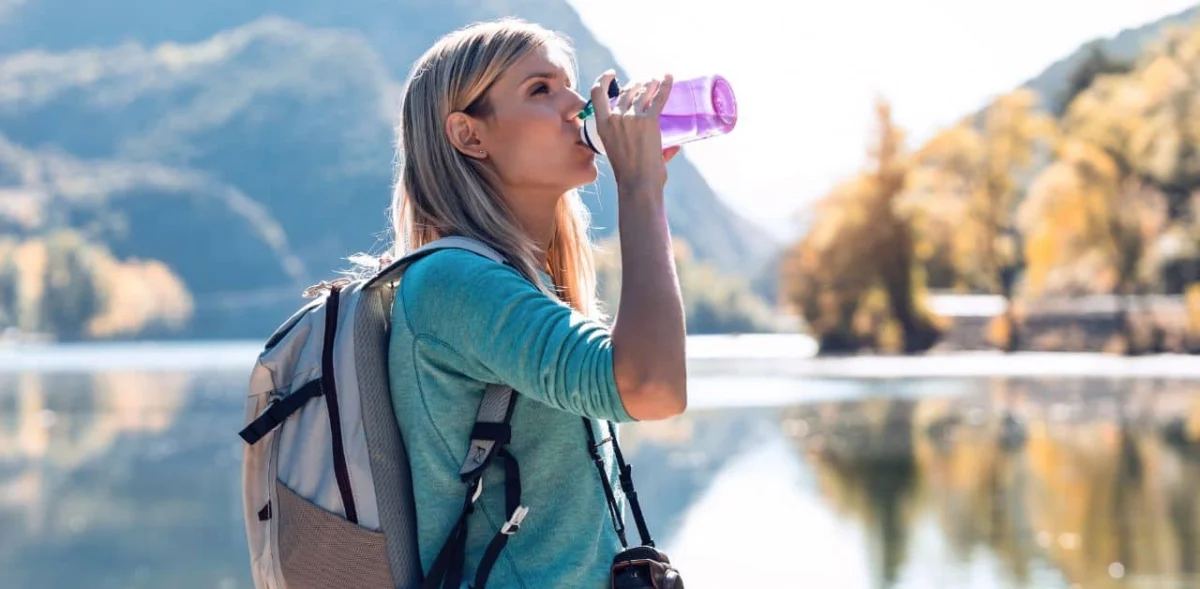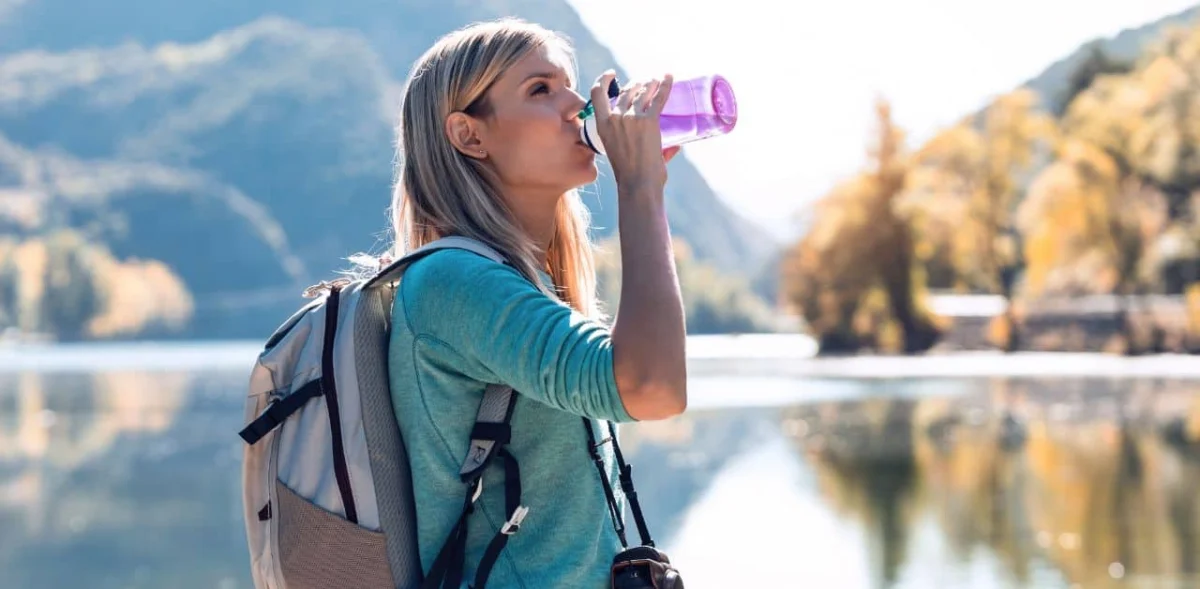
Travelers exploring a new destination frequently face a familiar dilemma upon arrival: the choice between purchasing a single-use plastic water bottle destined for a local landfill or risking tap water that could result in an upset stomach. The allure of a factory-sealed bottle often feels like a simple, safe solution to a complex problem. However, each purchase carries the risk of contributing to global plastic pollution and marring the pristine natural landscapes that travelers set out to experience in the first place. Navigating water safety abroad requires a balance between protecting personal health and making sustainable choices that minimize environmental impact.
The concern surrounding tap water safety abroad rarely stems from the water simply being dirty. Instead, the issue lies in the fact that water systems around the world feature different microorganisms and adhere to varying treatment standards. While the human body naturally adapts to the specific bacterial balance of home water supplies, it is often unequipped to handle new bacteria, viruses, and parasites found in other regions. Even water that appears completely clear and tastes fresh can harbor invisible pathogens capable of causing everything from mild traveler’s diarrhea to more severe health complications, including E. coli and Giardiasis.

Fortunately, public health standards ensure that tap water remains exceptionally safe to drink in numerous parts of the world. In these nations, travelers can confidently skip purchasing bottled water and instead refill reusable containers directly from municipal sources. According to guidelines established by the Centers for Disease Control and Prevention, safe tap water can be found across several major regions. In North America, this includes Canada and the United States. Throughout Europe, safe destinations feature Andorra, Austria, Belgium, the Czech Republic, Denmark, Finland, France, Germany, Greece, Greenland, Iceland, Ireland, Italy, Liechtenstein, Luxembourg, Malta, Monaco, the Netherlands, Norway, Poland, Portugal, San Marino, Slovenia, Spain, Sweden, Switzerland, the United Kingdom, and Vatican City. In Asia, safe tap water is available in Brunei, Hong Kong, Israel, Japan, Singapore, and South Korea, while Oceania is represented by Australia and New Zealand.
Conversely, travelers must exercise caution in many other parts of the world where water treatment protocols differ significantly from domestic standards. In extensive regions across Asia, Africa, and Central and South America, avoiding tap water is generally recommended to prevent waterborne illnesses. These vulnerabilities are frequently attributed to aging municipal infrastructure, inconsistent treatment protocols, or potential contamination stemming from agricultural runoff. While conditions vary widely within any given country—often differing drastically between major urban centers and rural areas—health experts advise planning for alternative purification methods or relying on factory-sealed bottled water in destinations such as Mexico, Egypt, Morocco, Nigeria, Kenya, China, India, Indonesia, Thailand, Vietnam, Cambodia, Belize, Guatemala, Honduras, Nicaragua, Brazil, Colombia, Peru, Bolivia, and Ecuador.

This caution extends well beyond drinking water straight from the tap. Travelers are routinely advised to avoid ice cubes in beverages, as they are typically produced using untreated local water. Health guidelines also suggest exercising caution with fresh salads and raw vegetables that may have been washed in tap water, as well as using bottled or purified water for routine tasks like brushing teeth. Whenever uncertainty arises regarding local water quality, opting for a dependable purification method or a factory-sealed bottle remains the standard precautionary approach.
Visitors facing destinations with questionable tap water do not necessarily have to rely on an endless supply of single-use plastic bottles. Several effective methods exist for treating and purifying contaminated water while on the move. Boiling remains the most thorough technique for eliminating all types of pathogens, requiring water to be brought to a rolling boil for one minute, or three minutes at altitudes exceeding 6,500 feet. While highly effective, boiling requires an available heat source and time, and it does not remove sediment.

Portable water filters offer another practical solution, effectively removing bacteria and parasites by utilizing absolute pore sizes of 5 microns or smaller. These filters maintain the natural taste of the water, though they may not always eliminate viruses, making it essential to verify filter capabilities against specific regional contaminants. Ultraviolet light purifiers provide a high-tech alternative, utilizing UV rays to destroy the DNA of pathogens within seconds without the use of chemicals or alterations to taste. However, these devices require power sources and depend on clear water, as sediment can obstruct the light rays. Chemical disinfectants, including iodine or chlorine tablets, present an inexpensive and lightweight option against most pathogens, though they can leave an unusual taste and may not neutralize all parasites.
The choice to purify water carries profound implications that extend far beyond individual health, directly addressing the global crisis of single-use plastic waste. Current global estimates indicate that only about nine percent of the world’s plastic waste is successfully recycled, while roughly twenty-two percent is improperly managed. With average citizens in countries like the United States generating approximately 290 pounds of plastic waste annually, the environmental toll becomes starkly evident. Plastic bottles, which begin as fossil fuels and generate carbon emissions during production, ultimately spend centuries slowly breaking down in landfills or polluting marine ecosystems. Utilizing a reusable bottle paired with a reliable purification system offers a direct method for individuals to lower their carbon footprint and combat plastic pollution.

With adequate preparation, travelers can successfully safeguard their health while actively protecting the environment. Understanding health risks, identifying regions with safe municipal water supplies, and equipping oneself with appropriate filtration or purification tools allow individuals to navigate international destinations with confidence. Incorporating a comprehensive water strategy into pre-trip planning—alongside booking flights and packing luggage—ensures that sustainable travel remains a seamless priority. Investing in a durable reusable water bottle and a suitable purification method represents a straightforward step toward healthier travels and a cleaner planet, as reported by Alex S. Morrison.