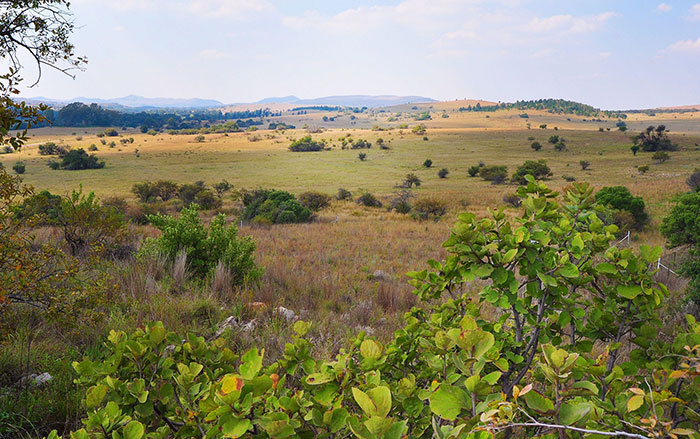
FUKUOKA, JAPAN—In a groundbreaking discovery that sheds new light on the sophisticated behaviors of early modern humans, an international team of researchers has uncovered a rare and deliberate mixture of animal collagen and ocher dating back 60,000 years. According to a formal statement released by Kyushu University, the remarkable findings were extracted from ocher-rich sediments at the Kilpdrift Complex archaeological site, a significant cliffside shelter located within South Africa’s scenic De Hoop Nature Reserve.
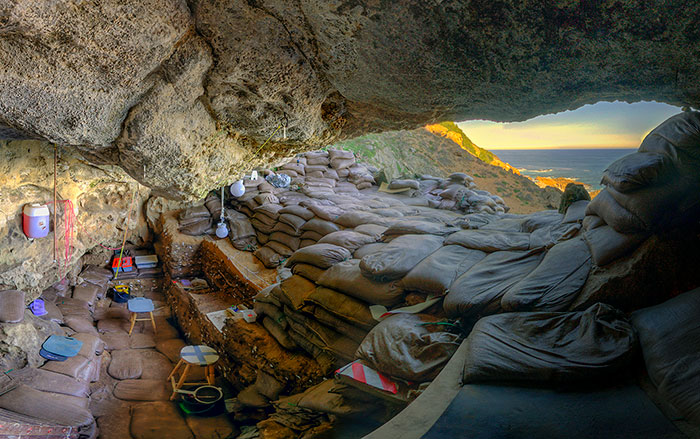
By applying advanced scientific techniques to ancient organic remnants, the research team successfully bridge a critical gap in understanding how prehistoric populations manipulated and utilized organic resources alongside mineral pigments. The study, which details the complex laboratory methodologies and archaeological implications of the find, has been published in the scholarly journal Proceedings of the Royal Society B: Biological Sciences.
At the heart of the breakthrough is the use of paleoproteomics—an innovative scientific field that allows researchers to analyze ancient proteins surviving far beyond the degradation threshold of DNA. Through this cutting-edge approach, the scientific team determined that the microscopic collagen protein fragments preserved within the sediment samples originated specifically from the common eland, scientifically known as Taurotragus oryx. The common eland is a massive African antelope, renowned not only for its impressive physical stature but also for its deep-rooted cultural and symbolic significance in the deep history of southern Africa.
The presence of both common eland collagen and vibrant ocher within the exact same stratified context opens up fascinating possibilities regarding ancient technological and artistic practices. The researchers propose two primary scenarios for how these materials came to be intertwined sixty millennia ago. It is plausible that early humans intentionally mixed binding agents derived from the tissues of these large antelopes with ground ocher powder to create a durable, adhesive paint or compound. Alternatively, the evidence might indicate that the prehistoric inhabitants utilized ocher-treated animal hides directly at the cliffside site, leaving behind microscopic traces of skin and connective tissue that ultimately fused with the mineral pigments over millennia of geological deposition.

Whichever scenario reflects the reality of daily life at the Kilpdrift Complex, the discovery underscores a high level of chemical and material sophistication among the site’s ancient occupants. Ocher—an earth-based pigment ranging in color from yellow and brown to deep red—holds a central place in the archaeological record of early human behavioral modernity. Across southern Africa, the collection, processing, and application of ocher are widely interpreted by archaeologists as hallmarks of symbolic thought, long-distance planning, and complex social expression.

The Kilpdrift Complex is far from the only location in the region to yield profound clues regarding Stone Age resourcefulness and artistic endeavors. South Africa’s southern coast, characterized by rugged coastal cliffs and cavernous geological formations, has long served as a treasure trove for paleoanthropologists. Just a few hundred kilometers away, sites like Blombos Cave have previously revolutionized our understanding of ancient human capabilities. Excavations at Blombos Cave famously unearthed evidence of an elaborate ocher pigment production workshop, complete with abalone shells used as mixing bowls and grindstones bearing the crimson residue of processed minerals. Such discoveries demonstrate that pigment technology was not merely utilitarian, but likely formed an integral part of an overarching cultural toolkit utilized by early modern humans across the region.
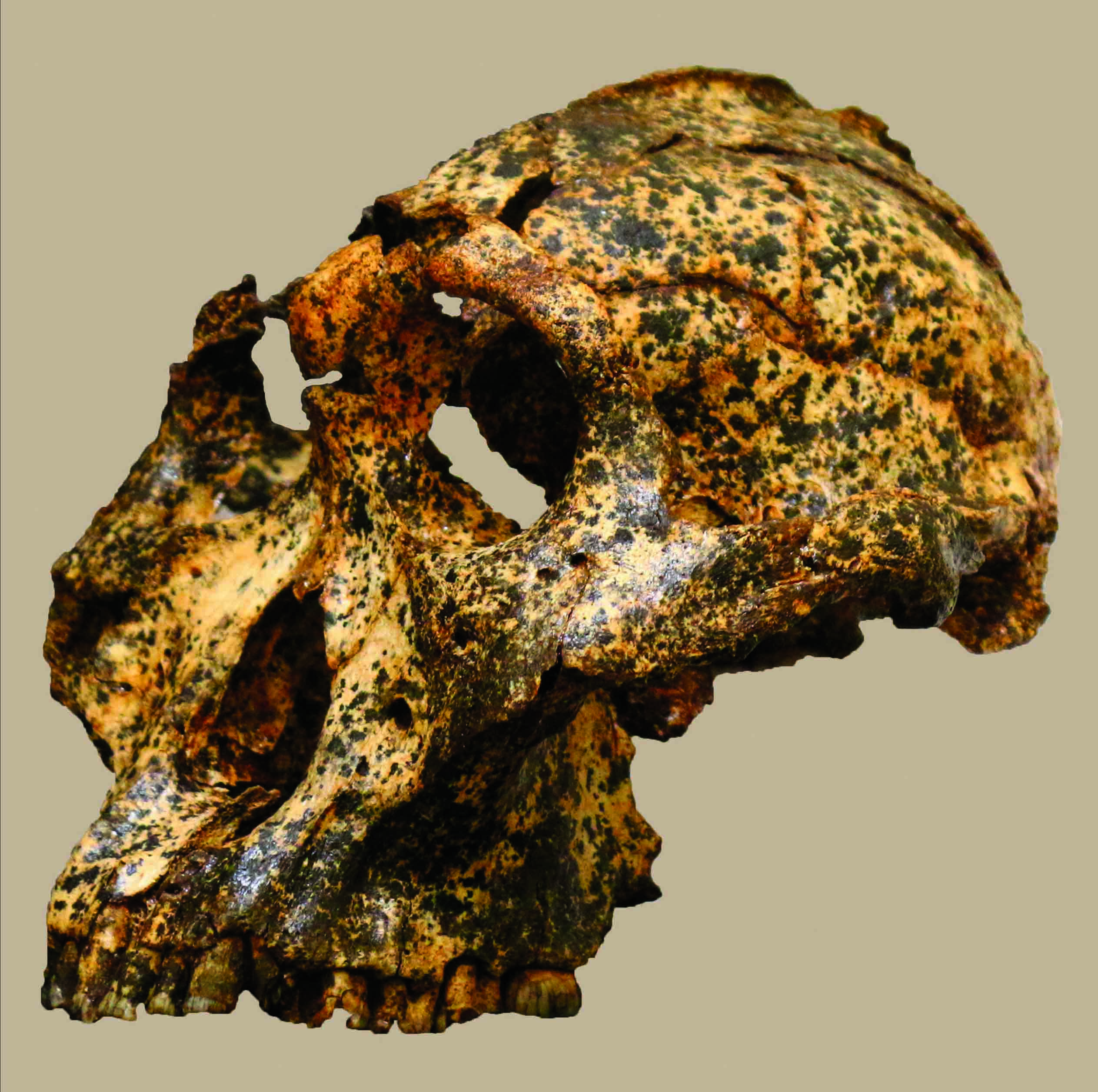
Furthermore, the broader South African landscape continues to yield transformative insights into human evolution and prehistoric antiquity. From the intricate geometric engravings discovered on pieces of ocher in Blombosfontein to the complex mortuary practices and skeletal remains unearthed in the Cradle of Humankind and Rising Star Cave systems, the region remains a vital epicenter for piecing together the diverse chapters of human prehistory.
The new findings from the Kilpdrift Complex add a vital biochemical dimension to this narrative. By successfully isolating species-specific proteins from deeply stratified mineral sediments, the international research team has demonstrated that paleoproteomics can recover lost organic components of prehistoric technologies that leave no visible trace to the naked eye. As analytical techniques continue to advance, scientists anticipate that similar micro-residue analyses will unlock further secrets hidden within ancient cave floors and rock shelters, offering an increasingly vivid picture of how our ancestors interacted with the rich animal and mineral world of Pleistocene South Africa.