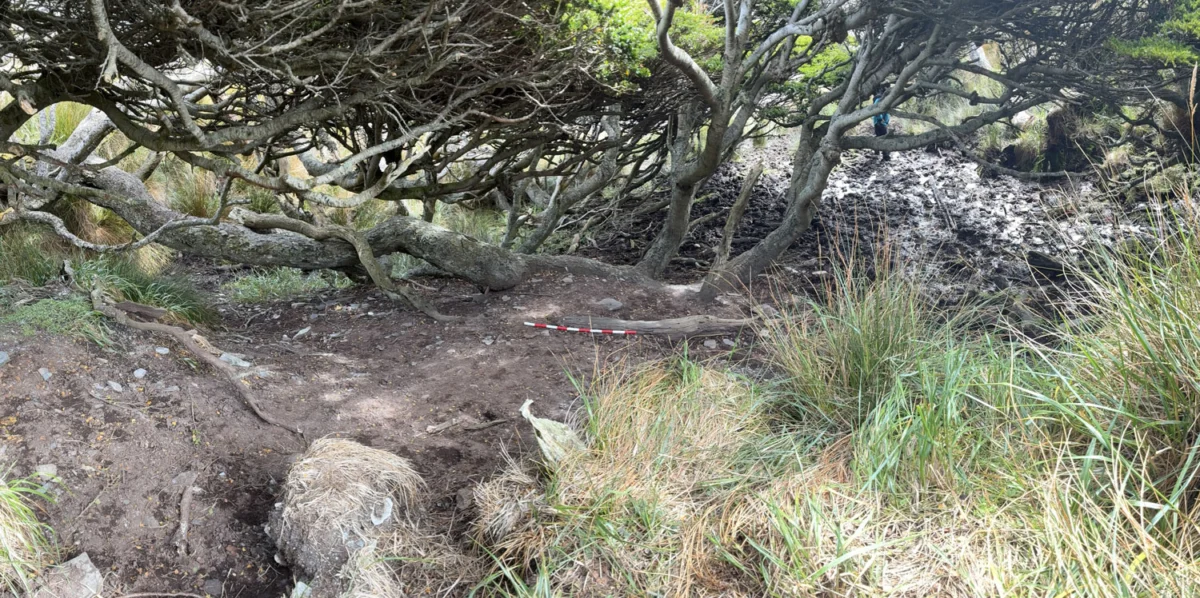
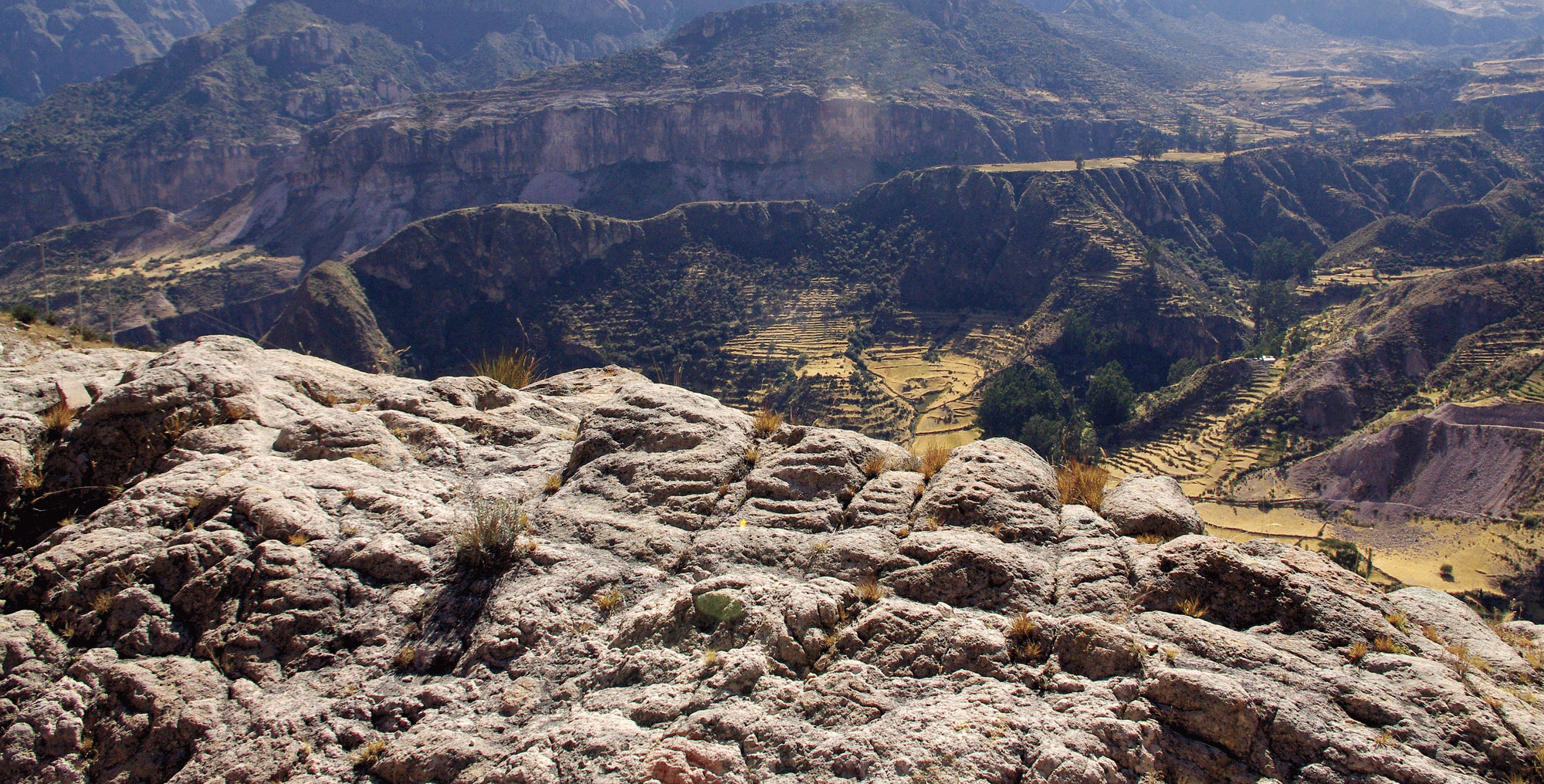
IVAYLOVGRAD, BULGARIA — Deep in the rugged terrain of southeastern Bulgaria, near the winding banks of the Arda River, archaeologists have uncovered a remarkable archaeological site that offers a rare glimpse into covert religious life during late antiquity. According to reports from La Brújula Verde, researchers working at the Balak Dere site have unearthed an ancient Thracian temple dating back to the third century A.D. Built during a period of sweeping political and cultural shifts across the Roman Empire, the structure has provided startling evidence that local populations quietly defied imperial decrees, continuing to practice ancient pagan rites long after they had been officially outlawed.
The sanctuary, discovered near the modern-day town of Ivaylovgrad, spans approximately 49 feet in length and showcases the sophisticated architectural layout characteristic of late Roman-era provincial shrines. Its interior is carefully divided into three distinct rooms connected by internal doorways, a spatial organization that suggests a strict hierarchy of ritual use. Excavations led by Ivaylo Kanev of Bulgaria’s National Museum have begun to shed light on how each chamber functioned within the daily and seasonal religious life of the community.
According to Kanev, the largest of the three rooms was dedicated to housing a sacred altar, serving as the focal point for communal gatherings and focal worship. The middle chamber is believed to have been the designated space where animal sacrifices and other offerings were performed, while the third and innermost room likely functioned as a secure storage area for votive offerings, precious items, and gifts left behind by devoted worshippers.

Adding to the site’s unique architectural and religious significance is a sophisticated water channel that encircles the entire perimeter of the building. This hydraulic feature strongly indicates that the sanctuary also operated as a nymphaeum, a monumental shrine dedicated to the nymphs—mythological female nature spirits associated with springs, streams, and flowing waters. The integration of water features into the temple architecture highlights the deep connection the ancient Thracians maintained with the natural landscape and water sources of the Arda River valley.
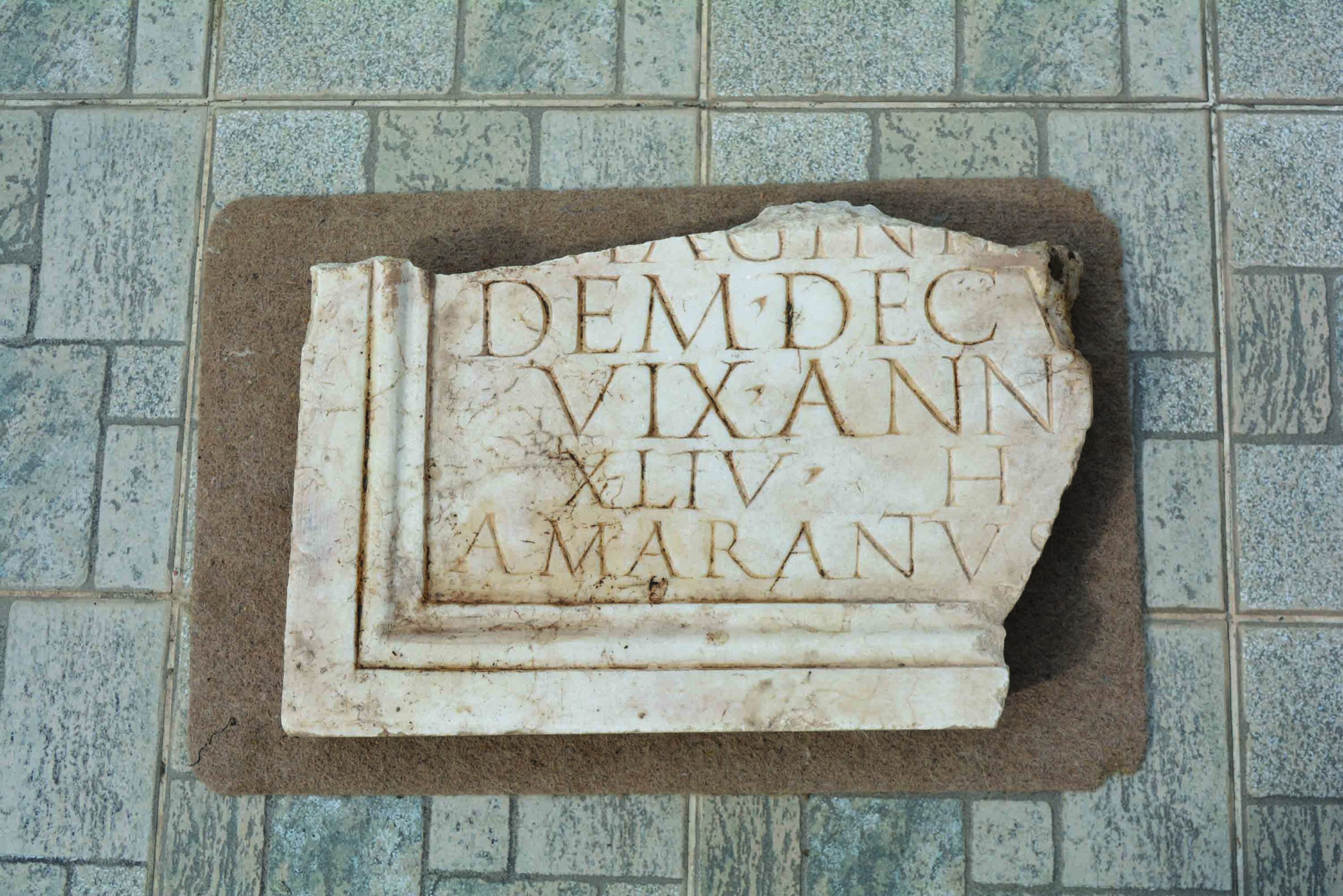
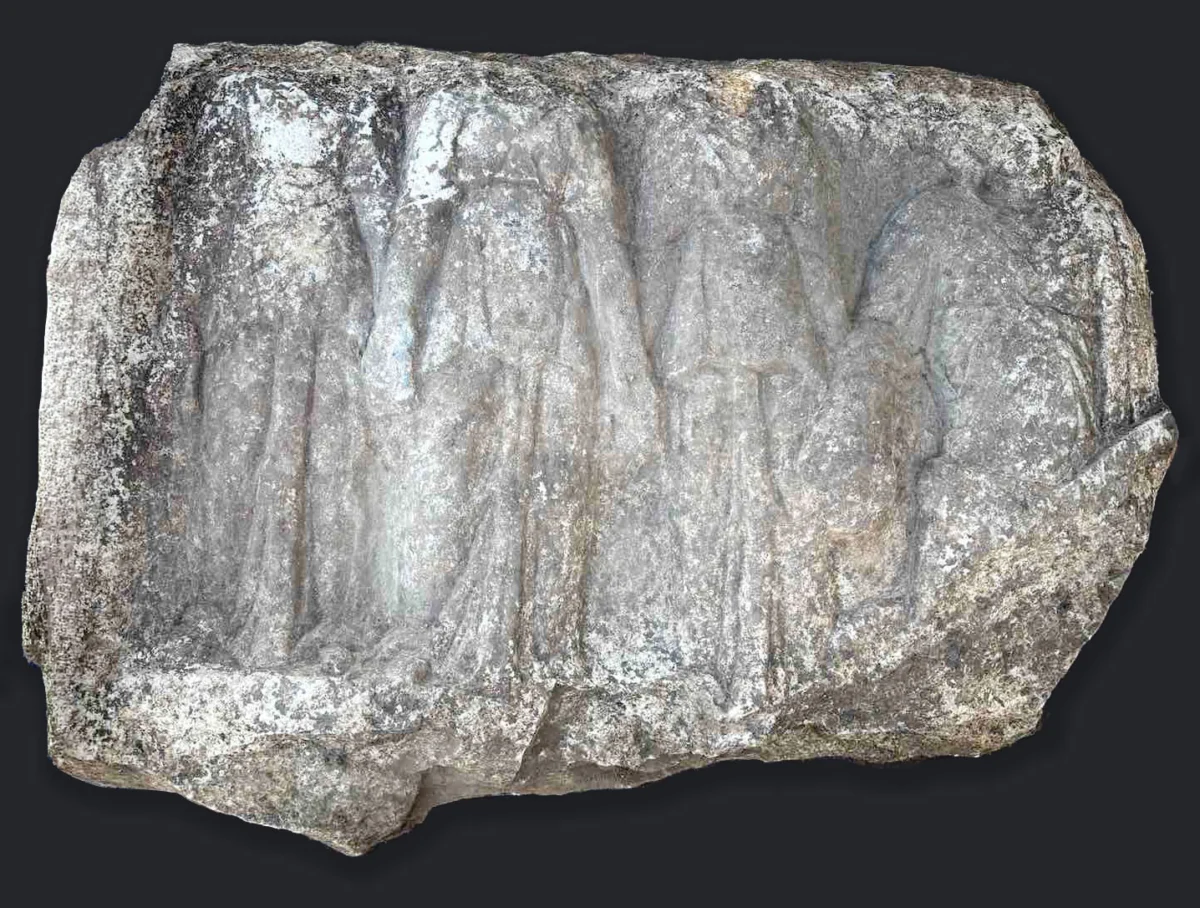
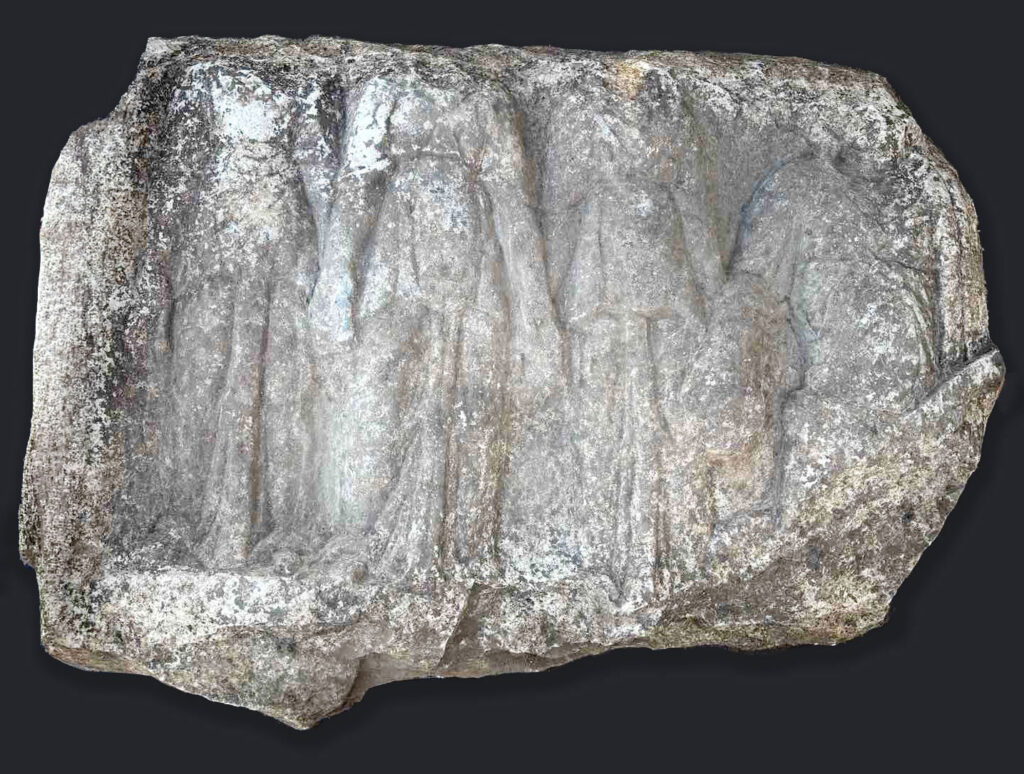
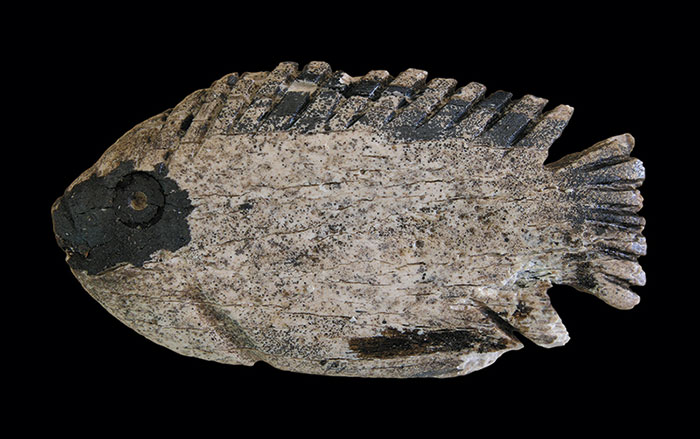
Among the most compelling discoveries at Balak Dere is a finely crafted marble stele, or relief, which researchers believe depicts a trio of nymphs alongside the venerated mother goddess Cybele. Cybele, an ancient Anatolian mother goddess of fertility, earth, and wild nature, was widely absorbed into Greek and Roman pantheons, where she was frequently worshipped alongside local deities. The presence of this relief provides a tangible link between the syncretic religious practices of the region and the enduring devotion paid to ancient maternal and elemental figures.
What makes the Balak Dere temple particularly fascinating to historians and archaeologists is its timeline of use. Emperor Theodosius I issued a series of sweeping edicts in A.D. 392 that officially banned pagan worship, closed traditional temples throughout the Roman Empire, and established Christianity as the sole recognized state religion. Yet, archaeological evidence from the Thracian site suggests that imperial edicts issued from distant Constantinople did not instantly eradicate centuries of deeply rooted local traditions.
Kanev and his team have deduced from artifact distributions and stratigraphy that local populations continued to conduct pagan rites at the Balak Dere temple well into the middle of the fifth century A.D. For decades following the imperial bans, worshippers apparently risked social alienation, political fallout, and legal punishment to gather secretly or semi-openly at the sanctuary, keeping the flames of their ancestral religion alive in defiance of Christianizing Roman authorities.
Despite its resilience through decades of imperial prohibition, the temple’s story ultimately met a dramatic end. Excavators have identified a distinct burned layer spanning the ruins, indicating that the sanctuary eventually succumbed to a destructive fire. Whether this conflagration was the result of an accidental blaze, a natural disaster, or a targeted act of religious suppression by authorities enforcing the laws of the Christian empire remains an open question for researchers studying the site’s final chapters.
The discovery at Balak Dere adds a significant chapter to the broader understanding of religious transition, resistance, and continuity in the Balkans during late antiquity. It underscores how rural communities on the fringes of the empire frequently maintained their cultural identities and spiritual practices long after central authorities declared the old world order dead. As researchers continue to analyze the artifacts, architectural features, and environmental data recovered from the Bulgarian countryside, the modest temple by the Arda River stands as a powerful testament to the enduring human desire to preserve ancient traditions against the shifting tides of history.