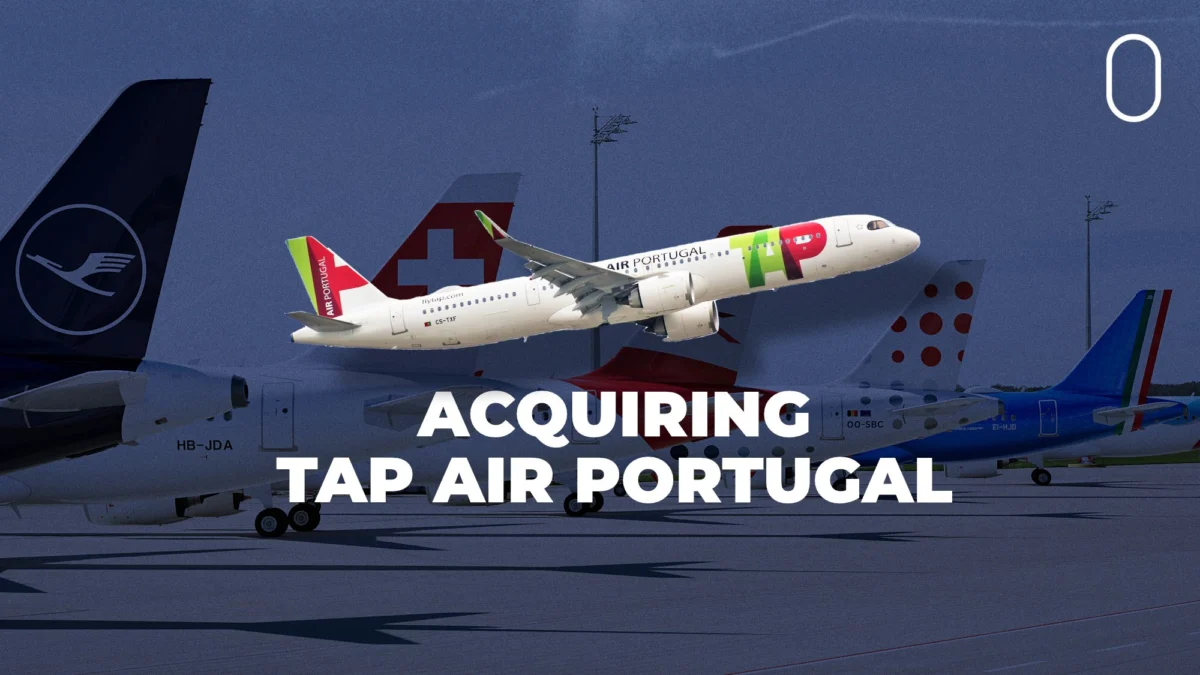
German aviation giant Lufthansa has successfully defeated its primary rival, Air France-KLM, in a high-stakes corporate showdown to purchase a substantial 44.9% share in TAP Air Portugal, according to recent reports from the Independent. The two major European aviation groups stood as the sole remaining bidders in the fiercely contested privatization process, which marks a monumental turning point for the future of the Iberian carrier and the broader European airline landscape.
This strategic acquisition represents a significant and decisive step forward in the long-awaited privatization of Portugal’s national flag carrier. For years, the Portuguese government has weighed various options for the future ownership of TAP Air Portugal, seeking a powerhouse partner that could ensure the airline’s long-term financial stability, enhance its operational efficiency, and expand its global connectivity while safeguarding national interests and employment at its primary hub in Lisbon.
By securing this nearly 45% stake, Lufthansa has positioned itself to integrate TAP Air Portugal deeper into its multi-brand airline empire, which already includes heavyweights such as Austrian Airlines, Brussels Airlines, Swiss International Air Lines, and ITA Airways, alongside its core German operations. The addition of TAP Air Portugal provides the Lufthansa Group with an extraordinarily valuable strategic asset, particularly given the Portuguese carrier’s market dominance and extensive route network connecting Europe with Latin America, especially Brazil, as well as crucial destinations across Africa and North America.
The competitive bidding process pitted two of Europe’s most formidable aviation conglomerates against one another. Air France-KLM had mounted a robust and aggressive campaign to secure the stake, viewing TAP Air Portugal as an essential gateway to the South Atlantic market and an opportunity to strengthen its own southern European footprint. However, Lufthansa’s comprehensive financial proposal, strategic vision for fleet integration, and proven track record of managing multi-hub airline operations ultimately swayed the decision-makers overseeing the privatization process in Lisbon.
Although the commercial agreement between the parties has been successfully reached, the transaction is far from finalized. Despite the deal being done in principle, it still requires thorough regulatory review and formal approval from the European Union. Antitrust regulators and competition authorities within the European Commission will closely examine the acquisition to ensure that the alliance does not stifle competition, harm consumer interests, or create monopolistic bottlenecks at key European airports, particularly concerning transatlantic and European corridors.
The European Commission’s upcoming scrutiny will focus heavily on slot allocations, route overlaps, and market concentration, a standard procedure for major airline consolidation deals within the bloc. Industry analysts expect that Lufthansa may be required to offer certain structural or behavioral remedies to satisfy regulatory concerns, mirroring the conditions frequently imposed during similar cross-border airline investments in recent years. Nevertheless, the successful conclusion of the bidding phase marks the most critical hurdle cleared thus far in TAP Air Portugal’s transition toward private-sector management.
As the process moves into the regulatory approval phase, stakeholders across the European aviation sector will be watching closely to see how the partnership between Lufthansa and TAP Air Portugal evolves. If successfully cleared by Brussels, the integration of TAP Air Portugal into the Lufthansa Group will reshape the competitive dynamics of European aviation, further consolidating the industry around a few dominant network carrier groups while giving the Portuguese airline the financial backing and operational synergies needed to thrive in a highly competitive global market.